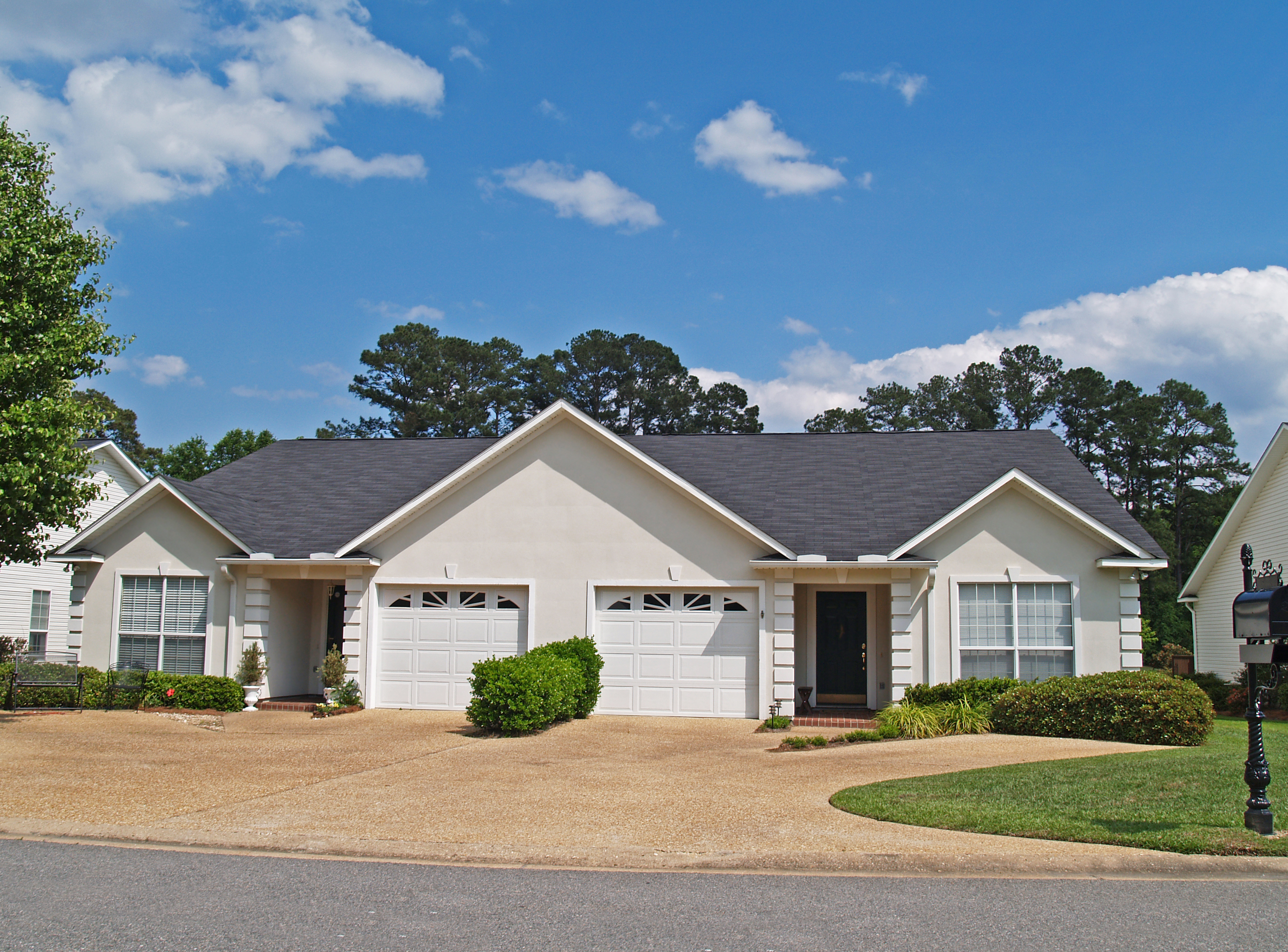
There is no one credit score requirement for buying your first home.
FHA has specific score-based financing rules. VA and USDA do not set a universal program minimum. Conventional requirements depend on whether the loan is evaluated through Fannie Mae or Freddie Mac automated underwriting, manual underwriting and any lender overlays.
That means a 620 credit score can still be an important practical benchmark with some lenders, but it should not be treated as the minimum score required for every conventional mortgage.
First-Time Home Buyer Credit Score Basics
| Loan Type |
Program-Level Credit Score Rule |
What First-Time Buyers Should Know |
| FHA |
580 or higher for maximum financing. Scores from 500 to 579 are limited to 90% LTV. |
Lender overlays can require a higher score. |
| Conventional |
No single universal minimum for eligible automated Fannie Mae DU or Freddie Mac LPA Accept loans. |
Manual underwriting and lender overlays can have minimum score requirements. |
| VA |
VA does not set a minimum credit score. |
The lender must determine that you are an acceptable credit risk and may impose its own score requirement. |
| USDA Guaranteed |
USDA does not set a programwide minimum credit score. |
GUS, manual underwriting and lender overlays can affect eligibility. |
If you are comparing more than one loan type, the broader credit score requirements by loan type explain how conventional, FHA, VA, USDA and other mortgages differ.
Understanding Credit Scores in Homebuying
A credit score is a three-digit number that helps lenders evaluate your history of managing debt. Mortgage lenders can use your credit information to help determine eligibility, underwriting treatment and loan pricing.
Having a stronger score can improve your borrowing options and pricing, but a lower score does not automatically mean you cannot get a mortgage.
Your score is only one part of the application. Lenders can also evaluate your payment history, income, debts, down payment, assets, reserves, loan-to-value ratio and property.
If your credit is already creating difficulty during preapproval, there are still ways mortgage preapproval can work with lower credit depending on the loan program and lender.
FHA Loans
FHA loans have the clearest program-level score thresholds among the major mortgage types.
Under FHA rules:
- A Minimum Decision Credit Score of 580 or higher can be eligible for maximum financing.
- A score from 500 through 579 is limited to a maximum 90% loan-to-value ratio.
- A borrower with a score below 500 is generally not eligible for FHA-insured financing under the standard credit-score rules.
For a standard purchase, FHA maximum financing generally means up to 96.5% LTV, which corresponds to a 3.5% minimum down payment.
A score from 500 through 579 therefore generally requires at least 10% down because the mortgage is capped at 90% LTV.
Those are FHA program guidelines, not a guarantee that every FHA lender will approve the same score. FHA-approved lenders can use overlays that set a higher minimum.
The FHA credit score requirements and FHA down payment rules cover those tiers separately.
Conventional Loans
Conventional loans no longer have one universal minimum credit score that applies to every conforming mortgage.
Fannie Mae and Freddie Mac both distinguish between automated and manual underwriting.
Fannie Mae Credit Score Requirements
Fannie Mae says a minimum credit score is not required for a loan evaluated through Desktop Underwriter, or DU. DU evaluates the borrower's broader credit risk using the information in the loan file.
Fannie Mae does maintain minimum scores for standard manually underwritten loans. Its current Selling Guide lists:
- 620 for a manually underwritten fixed-rate mortgage.
- 640 for a manually underwritten adjustable-rate mortgage.
There are also exceptions and separate requirements for certain products and borrowers without traditional credit scores.
Freddie Mac Credit Score Requirements
Freddie Mac similarly states that a minimum Indicator Score is not required for a mortgage receiving an Accept risk class through Loan Product Advisor, or LPA.
Manually underwritten Freddie Mac mortgages have separate credit-score requirements that vary by mortgage and transaction type.
What 620 Means in Practice
A 620 score is still commonly used by lenders as a conventional mortgage benchmark.
That can come from a lender overlay rather than a universal Fannie Mae or Freddie Mac automated-underwriting requirement. A borrower below 620 may therefore have fewer conventional options even when the underlying automated system does not publish a fixed minimum score.
The dedicated guide to the credit score for a conventional loan explains the automated-versus-manual distinction in more detail.
Qualifying buyers can also have relatively low down payment requirements. Some conventional options allow down payments as low as 3%, depending on the program and borrower.
VA Loans
VA loans do not have a minimum credit score set by the Department of Veterans Affairs.
VA requires the lender to determine that the borrower is an acceptable credit risk. The lender reviews payment history, debts, income and the rest of the credit profile and can establish additional credit requirements.
That means a lender might quote a particular minimum score, but it is a lender requirement rather than a universal VA program rule.
VA also allows eligible borrowers with full entitlement to purchase in qualifying circumstances without a down payment, subject to lender approval and the property's value.
The VA credit score requirements explain how lender overlays and VA credit review interact.
USDA Loans
USDA loans can also provide 100% financing for eligible borrowers buying eligible primary residences.
The USDA Single Family Housing Guaranteed Loan Program does not set one programwide minimum credit score.
Instead, credit treatment depends in part on whether the loan is evaluated through USDA's Guaranteed Underwriting System, or GUS, and whether the file receives an automated recommendation or must be manually underwritten.
Lenders and investors can also impose their own score requirements. That is why you may still encounter a lender requiring 640 even though USDA itself does not establish 640 as a universal program minimum.
USDA qualification also depends on household income limits, property location, repayment income and other underwriting requirements.
The USDA credit score requirements cover those differences in more detail.
What Credit Score Do You Need to Buy a House With No Down Payment?
Credit score and down payment are separate eligibility questions.
VA and USDA can both offer zero-down financing to eligible borrowers, but neither agency sets one universal minimum credit score.
| Zero-Down Program |
Program Credit Score Rule |
Other Key Eligibility |
| VA |
No VA-set minimum |
VA eligibility, lender approval, entitlement and property requirements |
| USDA Guaranteed |
No USDA-set programwide minimum |
Income limits, USDA-eligible location, primary residence and lender approval |
A lender can still require a particular score for either program.
How Credit Score Requirements Vary by Lender
A lender can apply an additional requirement that is stricter than the underlying mortgage program. These additional requirements are commonly called overlays.
For example, FHA permits maximum financing beginning at an MDCS of 580, but an individual lender could require a higher score.
The same distinction matters with VA, USDA and conventional automated underwriting. A borrower may satisfy the agency or investor rule but still fall below the particular lender's minimum.
If one lender declines a loan specifically because of a score overlay, that does not necessarily establish that the underlying mortgage program has the same minimum.
How Credit Scores Affect Mortgage Costs and Insurance
Qualifying for a mortgage and getting the lowest available borrowing cost are different questions.
A stronger credit profile can affect the rate and fees a lender offers. On conventional financing, credit score can also affect risk-based pricing and private mortgage insurance costs.
Consider two first-time buyers who both have enough income and down payment for a conventional mortgage. One has substantially stronger credit than the other.
| Factor |
Stronger Credit Profile |
Lower Credit Profile |
| Potential Eligibility |
May have access to a wider range of loan options |
May have fewer lenders or products available |
| Mortgage Pricing |
May receive more favorable pricing |
May face higher rate or fee adjustments |
| Conventional PMI |
May receive lower PMI pricing |
PMI may cost more |
| FHA Comparison |
Conventional financing may be more competitive |
FHA may deserve closer comparison because of its published score rules |
This does not mean one loan type is automatically cheaper for a particular score. Compare the rate, APR, mortgage insurance, upfront costs and total monthly payment for the actual offers you receive.
What Is a Good Credit Score for a First-Time Home Buyer?
There is no single score at which a first-time buyer suddenly has “good enough” credit for every mortgage.
The useful distinction is between meeting an eligibility threshold and getting stronger mortgage pricing.
FHA publishes minimum credit-score tiers. VA and USDA do not have a universal program minimum. Fannie Mae and Freddie Mac automated underwriting can evaluate eligible conventional files without a single fixed minimum score.
Even when your score is high enough to qualify, improving it can still affect the rate, fees, mortgage insurance or lender options available to you.
Options for First-Time Buyers With Lower Credit Scores
A low score can narrow your options, but it does not automatically eliminate them.
If your score is causing problems:
- Compare mortgage options for lower credit scores.
- Look at FHA financing if your score falls within FHA's published eligibility tiers.
- Review VA financing if you have VA eligibility.
- Check USDA eligibility if you meet the income and property requirements.
- Ask whether the score requirement you encountered is a program rule or a lender overlay.
- Pay down revolving credit balances where practical.
- Review your credit reports for errors before applying.
- Avoid unnecessary new credit accounts or large new debts during the mortgage process.
A larger down payment or stronger reserves can improve the overall application, but neither automatically overrides a program or lender minimum.
How Much Credit History Do You Need for a Mortgage?
There is no single number of months or number of accounts required for every mortgage program.
Mortgage underwriting evaluates the depth and quality of your credit history differently depending on the loan program and whether you have a usable traditional credit score.
Having little or no traditional credit is also different from having poor credit.
Some FHA, VA and USDA borrowers can be evaluated using nontraditional credit or alternative payment history when permitted by the program. Examples can include documented housing payments and other recurring obligations.
VA guidance specifically allows alternative or nontraditional credit when a borrower does not have an established traditional credit history. USDA also provides nontraditional-credit procedures for qualifying borrowers without a usable score.
Do not open new credit accounts simply to create mortgage history without considering how the inquiry, new debt and account age could affect your overall file.
How to Improve Your Credit Before Buying Your First Home
You generally get more value from improving the underlying credit report than from focusing on a particular target number.
- Make every required payment on time.
- Reduce revolving credit-card balances where possible.
- Review all three credit reports for inaccurate information.
- Dispute legitimate reporting errors through the appropriate credit bureau.
- Avoid taking on new monthly debt shortly before applying.
- Keep cash available for the down payment, closing costs and reserves rather than using all savings solely to pay down debt.
Credit-score changes are not always immediate, and there is no guaranteed number of points any one action will produce.
Bottom Line
First-time home buyer credit score requirements depend on the mortgage program and lender.
FHA publishes specific score tiers: 580 or higher can qualify for maximum financing, while 500 through 579 is limited to 90% LTV. VA and USDA do not set one universal program minimum credit score.
Conventional rules are more nuanced than the traditional “620 minimum.” Fannie Mae DU and Freddie Mac LPA Accept loans do not have a universal minimum score requirement, while manual underwriting and individual lenders can impose separate minimums.
Frequently Asked Questions
What Credit Score Do I Need to Buy a House for the First Time?
There is no single first-time home buyer minimum. FHA uses specific score tiers, VA and USDA do not set one universal program minimum, and conventional requirements depend on automated or manual underwriting plus lender overlays.
What Is the Minimum Credit Score Needed to Buy a Home for the First Time?
It depends on the mortgage. FHA's published score rules extend down to 500 with a maximum 90% LTV, while borrowers at 580 or higher can be eligible for maximum FHA financing. Other major programs use different credit frameworks.
Can First-Time Buyers Qualify With a Low Credit Score?
Possibly. FHA has published lower-score eligibility tiers, and VA and USDA do not establish a universal program minimum. Conventional automated underwriting is also more nuanced than one fixed cutoff. Lender overlays and the rest of your financial profile still matter.
Is 620 the Minimum Credit Score for a Conventional Loan?
No. Fannie Mae DU casefiles do not have a minimum credit score requirement, and Freddie Mac does not require a minimum Indicator Score for LPA Accept mortgages. Fannie Mae manually underwritten fixed-rate loans generally use 620, and lenders can also impose their own minimums.
What Credit Score Do You Need to Buy a House With No Down Payment?
VA and USDA can provide zero-down financing for eligible borrowers, and neither program establishes one universal minimum credit score. Individual lenders may still require a particular score.
Does VA Require a 620 Credit Score?
No. The Department of Veterans Affairs does not set a minimum credit score for VA-backed home loans. A lender can impose its own credit-score requirement.
Does USDA Require a 640 Credit Score?
No. USDA does not publish 640 as a universal minimum credit score for its Guaranteed Loan Program. A lender can use 640 or another score as an overlay, and USDA underwriting treatment also depends on the GUS recommendation and the overall credit file.
How Does My Credit Score Affect My Mortgage Rate and Mortgage Insurance?
Credit score can affect lender pricing, conventional loan-level price adjustments and PMI costs. A stronger score can therefore reduce borrowing costs even when both borrowers qualify for the same basic mortgage program.
How Much Credit History Do You Need for a Mortgage?
There is no universal amount of credit history required for every mortgage. Requirements depend on the loan program and underwriting method. Some programs permit nontraditional credit documentation when a borrower does not have a usable traditional credit score.
What Documents Should I Prepare for a Mortgage Application?
Documentation depends on how you earn income and the mortgage program. Common items include identification, income documentation, asset statements, current debt information and records supporting the source of funds needed for closing.
How Can I Improve My Credit Before Applying?
Pay bills on time, reduce revolving balances where practical, check your credit reports for errors and avoid unnecessary new debt. No single action guarantees a particular score increase or mortgage approval.




%20(1).jpg?quality=80&width=150)





















.jpg?quality=80&width=800)











































































































.jpg?quality=80&width=800)

.jpg?quality=80&width=800)
















.jpg?quality=80&width=800)













.jpg?quality=80&width=800)

































.jpg?quality=80&width=800)