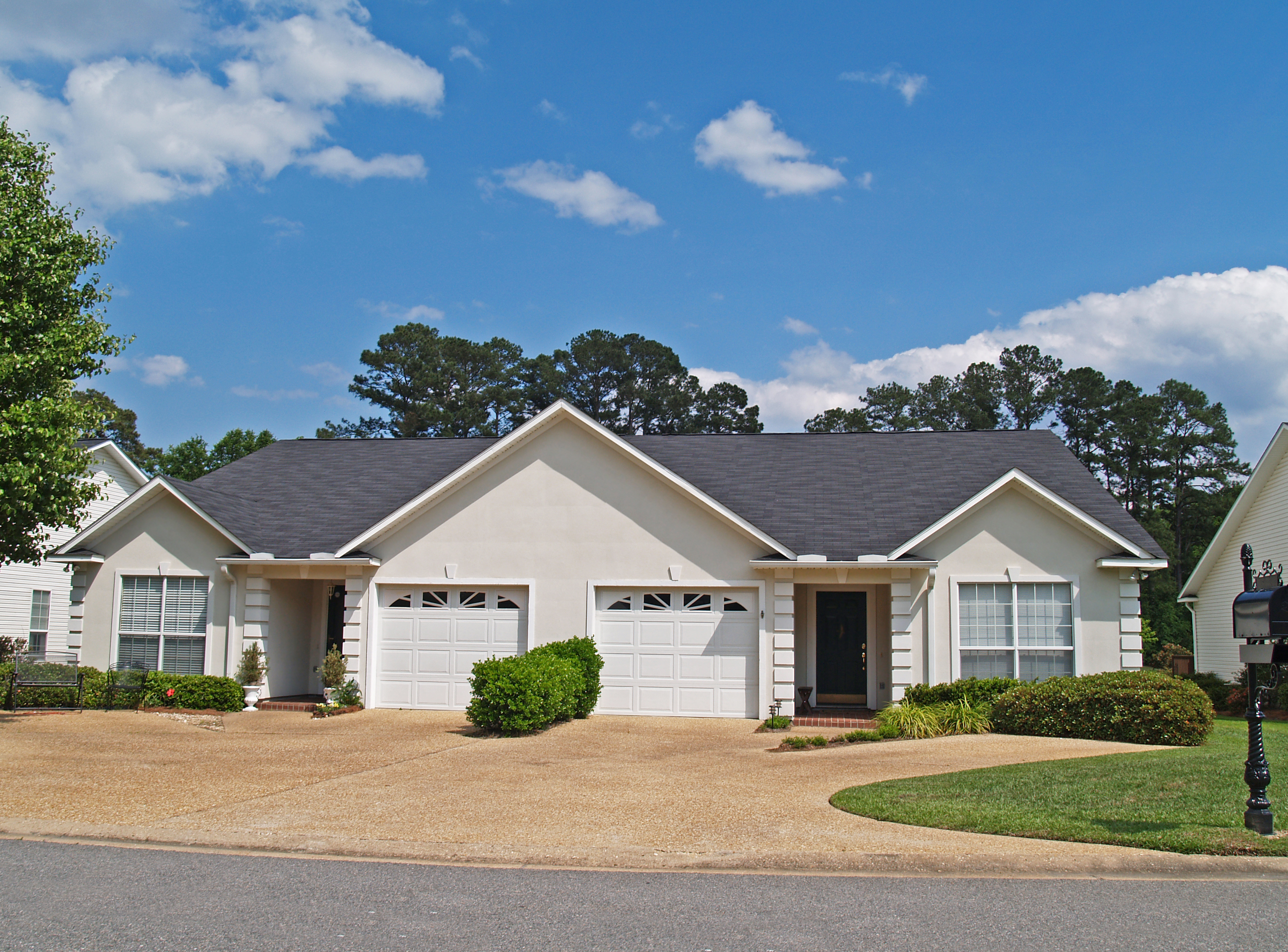
First-time homebuyers have options when it comes to homeownership.
Some programs have low down payment options tailored to first-time homebuyers, and other loan options have flexible credit score and income requirements built in.
First-Time Homebuyer Loan Options At A Glance
From conventional loan programs with special incentives for first-time homebuyers to FHA loans with flexible credit score requirements, here’s a list of common options for first-time homebuyers.
|
Loan Type
|
At A Glance
|
|
FHA Loan
|
Government-backed mortgage with flexible credit standards, as little as 3.5% down with a 580+ score, mortgage insurance applies.
|
|
Conventional 97
|
3% down conventional loan for eligible first-time buyers, PMI typically applies, PMI can be canceled at 80% LTV and must terminate at 78% if current.
|
|
HomeReady, Home Possible
|
3% down conventional options for low- to moderate-income buyers, Home Possible uses an 80% AMI qualifying income limit, HomeReady has AMI-based limits with location-based exceptions.
|
|
VA Loan
|
0% down for eligible veterans, active-duty, and some surviving spouses. No monthly mortgage insurance, VA funding fee may apply.
|
|
USDA Loan
|
0% down in eligible rural areas, income and location limits apply, primary residence requirement.
|
|
Renovation Loans
|
Finance a home purchase and improvements in one mortgage, examples include FHA 203(k), HomeStyle, CHOICERenovation.
|
|
Down Payment Assistance (DPA)
|
Grants or second mortgages that can help cover down payment and closing costs for eligible buyers.
|
FHA Loans
An FHA loan can come with flexible credit score requirements and low down payment options for first-time homebuyers.
An FHA loan is a government-backed mortgage that can allow for as little as 3.5% down with a credit score of 580 or higher. Borrowers with scores of 500–579 are limited to a maximum 90% loan-to-value, which typically means 10% down.
FHA loans require both an upfront mortgage insurance premium and annual mortgage insurance. For many borrowers who put less than 10% down, annual MIP can last for the life of the loan.
Conventional 97 Loans
A Conventional 97 is a low-down-payment conventional mortgage that allows eligible first-time buyers to put 3% down. Fannie Mae’s 97% loan-to-value options are designed to help lenders serve first-time homebuyers.
Because the down payment is under 20%, PMI is typically required. Under the Homeowners Protection Act, borrowers can request PMI cancellation at 80% loan-to-value in standard scenarios, and PMI must automatically terminate at 78% of the original value if the borrower is current.
FHA Vs. Conventional 97
|
Feature
|
FHA
|
Conventional 97
|
|
Minimum down payment
|
3.5% with 580+ score
|
3%
|
|
Typical minimum credit score
|
580 for maximum financing
|
Many lenders start around 620
|
|
Mortgage insurance
|
Upfront plus annual MIP
|
PMI, cancellable at 80% LTV and auto at 78% if current
|
|
Best fit
|
Lower scores, limited savings
|
Stronger credit aiming to remove PMI
|
Fannie Mae HomeReady And Freddie Mac Home Possible Loans
HomeReady and Home Possible are 3% down conventional options designed for low- to moderate-income buyers.
Home Possible qualifying income limit is 80% of area median income. HomeReady uses AMI-based limits and has location-based exceptions, including no income limit in some low-income census tracts.
Homeownership education is required for HomeReady purchase loans when all occupying borrowers are first-time homebuyers, and at least one borrower must complete the course.
Because these are conventional loans, PMI can be removed once cancellation criteria are met.
|
Feature
|
HomeReady
|
Home Possible
|
|
Minimum down payment
|
3%
|
3%
|
|
Income limits
|
AMI-based limits with location-based exceptions
|
80% AMI
|
|
PMI removal
|
Allowed with criteria
|
Allowed with criteria
|
VA Loans
VA loans have zero down payment and no monthly mortgage insurance, but eligibility is limited to veterans, active-duty service members, and some surviving spouses.
Many borrowers pay a one-time VA funding fee, though some borrowers may be exempt, including certain veterans receiving disability compensation.
USDA Loans
USDA loans help eligible buyers purchase a primary residence in eligible rural areas through approved lenders. The program is income-based and location-based.
|
Topic
|
Key Details
|
|
Down payment
|
0% for eligible buyers
|
|
Property location
|
Must be in an eligible area, primary residence
|
|
Income limits
|
Household income must meet program caps
|
|
Best for
|
Buyers who qualify by income and location and want 0% down
|
Renovation Loans
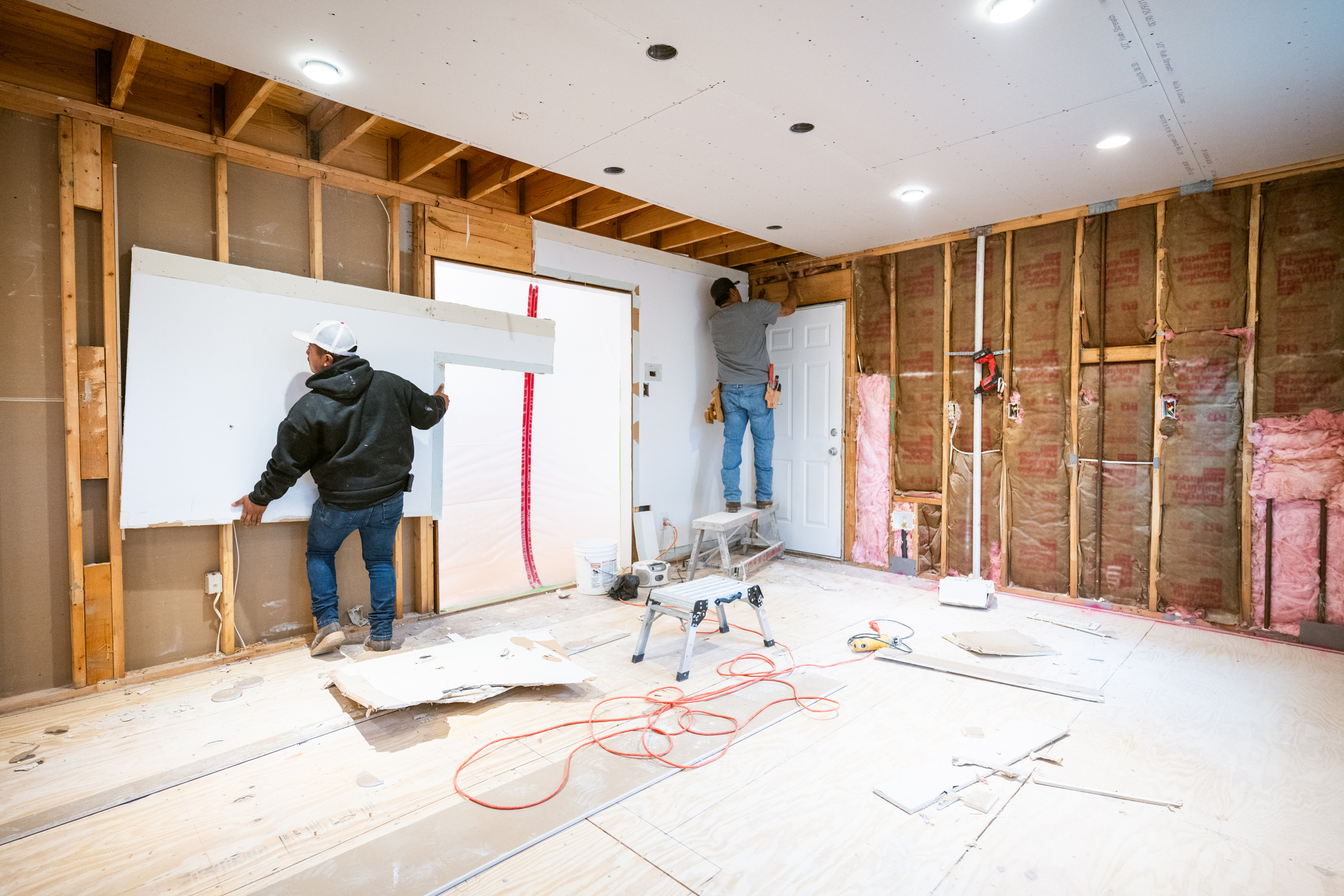
Renovation loans roll your home purchase and approved improvement costs into one mortgage. This can help you buy a home that needs work and finance upgrades in a single closing.
Common options include:
Those loans let you finance both the purchase and renovation of your home in one loan, and can help you expand your home search to homes that need updates. But they might also require additional inspections, appraisals, and more documentation as well as contractor coordination.
Down Payment Assistance Programs
Down payment assistance, or DPA, can help cover down payment and closing costs if you meet program requirements. DPA can come as grants or second mortgages that are forgivable, deferred, or low-interest, depending on the program.
DPA often comes in the form of grants or forgivable second mortgages. Low-interest and deferred-payment second mortgages are also common options.
Check with your state housing finance agency for down payment forgiveness programs in your state.
The Bottom Line
First-time homebuyers have multiple options to purchase a home.
That includes conventional loan programs that allow a down payment as low as 3% for qualifying first-time homebuyers, FHA loans with flexible credit score and low down payment requirements, and VA and USDA loans with limited eligibility but zero down payment requirement for those who qualify.
Frequently Asked Questions About First-Time Homebuyer Loans
What Are The Main Loan Options For First-Time Homebuyers?
The main options are FHA, VA, USDA, and conventional loans, including 3% down programs. Each balances credit, down payment, insurance, and eligibility differently.
What Are The Down Payment Requirements For Each Loan Type?
FHA starts at 3.5% down with a 580 credit score for maximum financing, and borrowers with 500–579 are limited to 90% LTV.
VA and USDA can offer 0% down for eligible borrowers.
Conventional first-time buyer options can start at 3% down.
How Does Mortgage Insurance Work On FHA Loans?
FHA loans require an upfront mortgage insurance premium and annual mortgage insurance. For many borrowers with less than 10% down, annual MIP can last for the life of the loan.
Which Loan Is Best For Veterans?
VA loans are often best for eligible borrowers because they can offer 0% down and no monthly mortgage insurance. A VA funding fee may apply, and some borrowers may be exempt.
What Assistance Is Available Beyond Loans?
Some buyers qualify for down payment assistance through grants or second mortgages offered by state and local programs to reduce upfront cash.




%20(1).jpg?quality=80&width=150)





















.jpg?quality=80&width=800)






































































































.jpg?quality=80&width=800)

.jpg?quality=80&width=800)













.jpg?quality=80&width=800)













.jpg?quality=80&width=800)

































.jpg?quality=80&width=800)