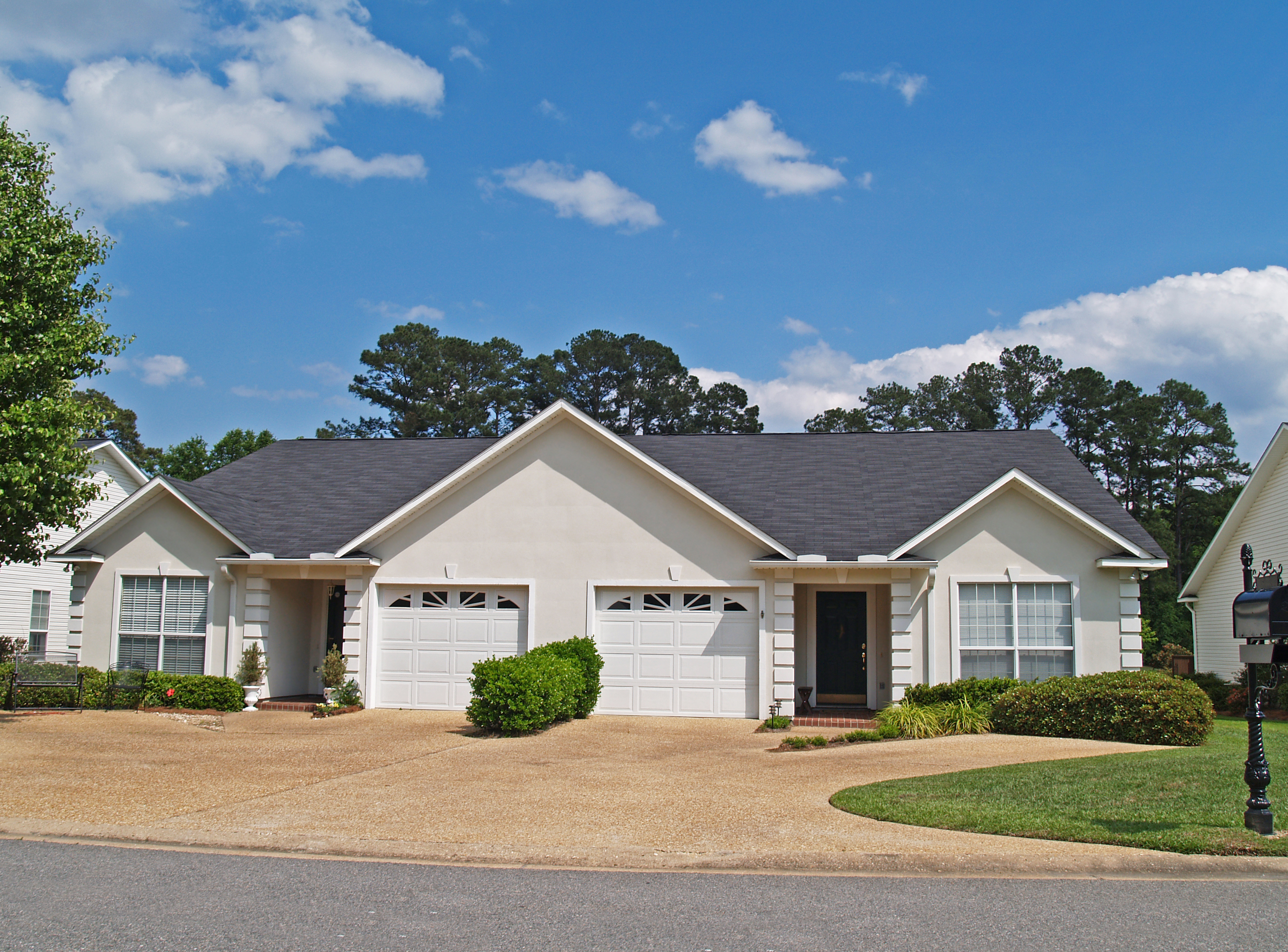
A second mortgage is another loan that uses your home as collateral while you still have an outstanding primary mortgage.
Home equity loans and HELOCs (home equity lines of credit) are two of the most common forms of second mortgages. Both of those loans are ways to convert your equity into cash without changing your original mortgage.
How Does a Second Mortgage Work?
A second mortgage runs alongside your first mortgage, with its own balance, interest rate, and monthly payment. Your original loan remains unchanged.
A second mortgage does not replace your existing loan. That means refinances, including cash-out refinances, aren’t second mortgages. A second mortgage is a strong option if your first mortgage has a low interest rate you don’t want to give up.
Let’s break down how the two most common second mortgages work:
Home equity loan
A home equity loan is a lump-sum second mortgage, usually with a fixed interest rate and predictable monthly payments. It’s usually best for one-time, large expenses and borrowers who want payment certainty.
HELOC (home equity line of credit)
A HELOC is a revolving line-of-credit second mortgage. You borrow only what you need and pay interest only on the amount drawn. HELOCs usually have draw periods of between three to 10 years where you can borrow money, and repayment periods of between 10 to 20 years where you pay back what you borrowed. During the draw period you might only pay interest on what you owe.
HELOCs are best for phased expenses and borrowers who want flexibility.
Home equity loan vs. HELOC
|
Feature
|
Home equity loan
|
HELOC
|
|
Payout
|
Lump sum
|
Revolving credit
|
|
Interest rate
|
Fixed
|
Usually variable
|
|
Payments
|
Predictable
|
Varies by usage
|
|
Ideal use
|
Single major purchase
|
Flexible, ongoing costs
|
Common Uses and Benefits of Second Mortgages
Homeowners use second mortgages for practical, often strategic reasons.
Common uses
-
Home improvements that may increase property value
-
Debt consolidation, such as paying off high-interest credit cards
-
Education, medical expenses, or business startup costs
Benefits
-
Lower rates than unsecured loans, since your home secures the debt
-
Access to equity without refinancing, preserving your original mortgage terms
-
Flexible structures, from fixed-rate loans to revolving credit
Risks and Costs to Consider
Second mortgages can be powerful tools, but they aren’t risk free.
Key risks
-
Foreclosure risk: Missing payments can put your home at risk, since it secures both loans.
-
Higher interest rates: Second mortgages generally have higher rates than primary mortgages.
-
Reduced future equity: Borrowing now can limit options to sell, downsize, or relocate later.
Typical costs
-
Closing costs: Typical closing costs can run 2% to 5% of the loan amount, according to Freddie Mac, although that varies by lender.
-
Upfront fees: Appraisal, legal, and lender fees may total around $3,000.
Tax note: Interest may be deductible if funds are used for qualified home improvements, but tax rules vary—consult a tax professional.
Who Qualifies for a Second Mortgage?
In general, you’ll need built-up equity in your home, good credit, and an acceptable debt-to-income (DTI) ratio to qualify for a second mortgage.
Lenders typically used a combined loan-to-value (CLTV) ratio to determine eligibility for a second mortgage. That means that the second mortgage is combined with your first mortgage and weighed against your total home values. Many lenders have caps at 80% loan to value, although that requirement varies.
You’ll likely need several documents to apply, including:
-
Proof of income (pay stubs, W-2s, tax returns)
-
List of current debts and assets
Recent mortgage statements
-
Home appraisal (in many cases)
The Bottom Line
A second mortgage is an additional loan that uses your home as collateral in addition to your primary mortgage. Home equity loans and HELOCs both count as second mortgages.
A second mortgage is a powerful financial tool because it lets you tap into your home equity, but you’ll need to meet lender requirements and have sufficient equity to qualify.
Frequently Asked Questions
What is a second mortgage?
A second mortgage is a loan taken out against your home’s equity while you still have a primary mortgage, typically as a home equity loan or a HELOC.
How does a second mortgage differ from a cash-out refinance?
A second mortgage is an additional loan that leaves your original mortgage intact. A cash-out refinance replaces your existing mortgage with a new, larger one.
How much can I borrow with a second mortgage?
Many lenders allow borrowing up to about 80% of your home’s value, including your first mortgage, though limits vary.
What are the risks of a second mortgage?
The biggest risk is foreclosure. Because your home secures both loans, missed payments can put the property at risk.
What’s the difference between a fixed-rate second mortgage and a HELOC?
A fixed-rate second mortgage provides a lump sum with predictable payments. A HELOC offers flexible, revolving credit with rates that usually adjust over time.




%20(1).jpg?quality=80&width=150)

















.jpg?quality=80&width=800)

















































































.jpg?quality=80&width=800)

.jpg?quality=80&width=800)









.jpg?quality=80&width=800)













.jpg?quality=80&width=800)