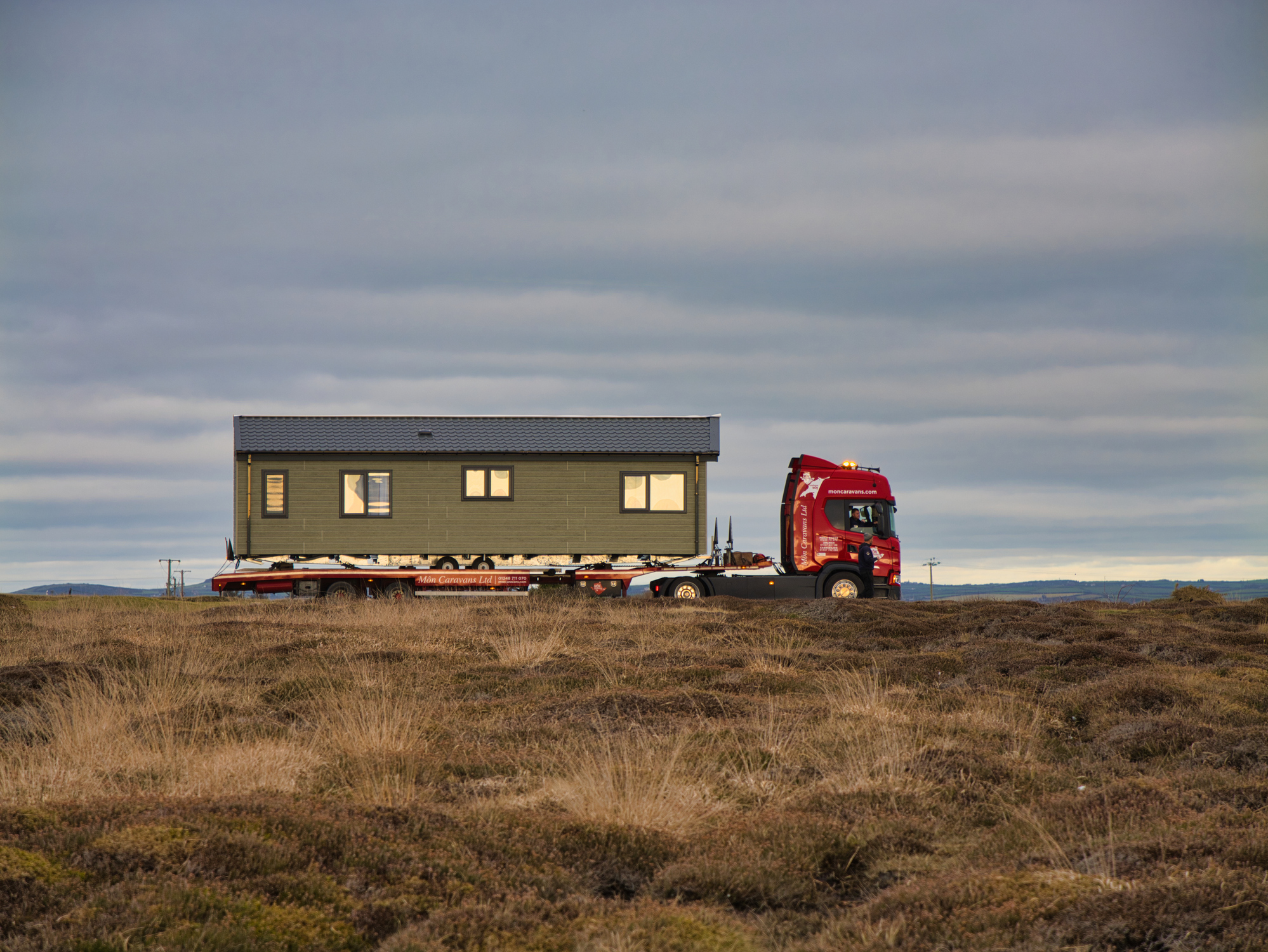
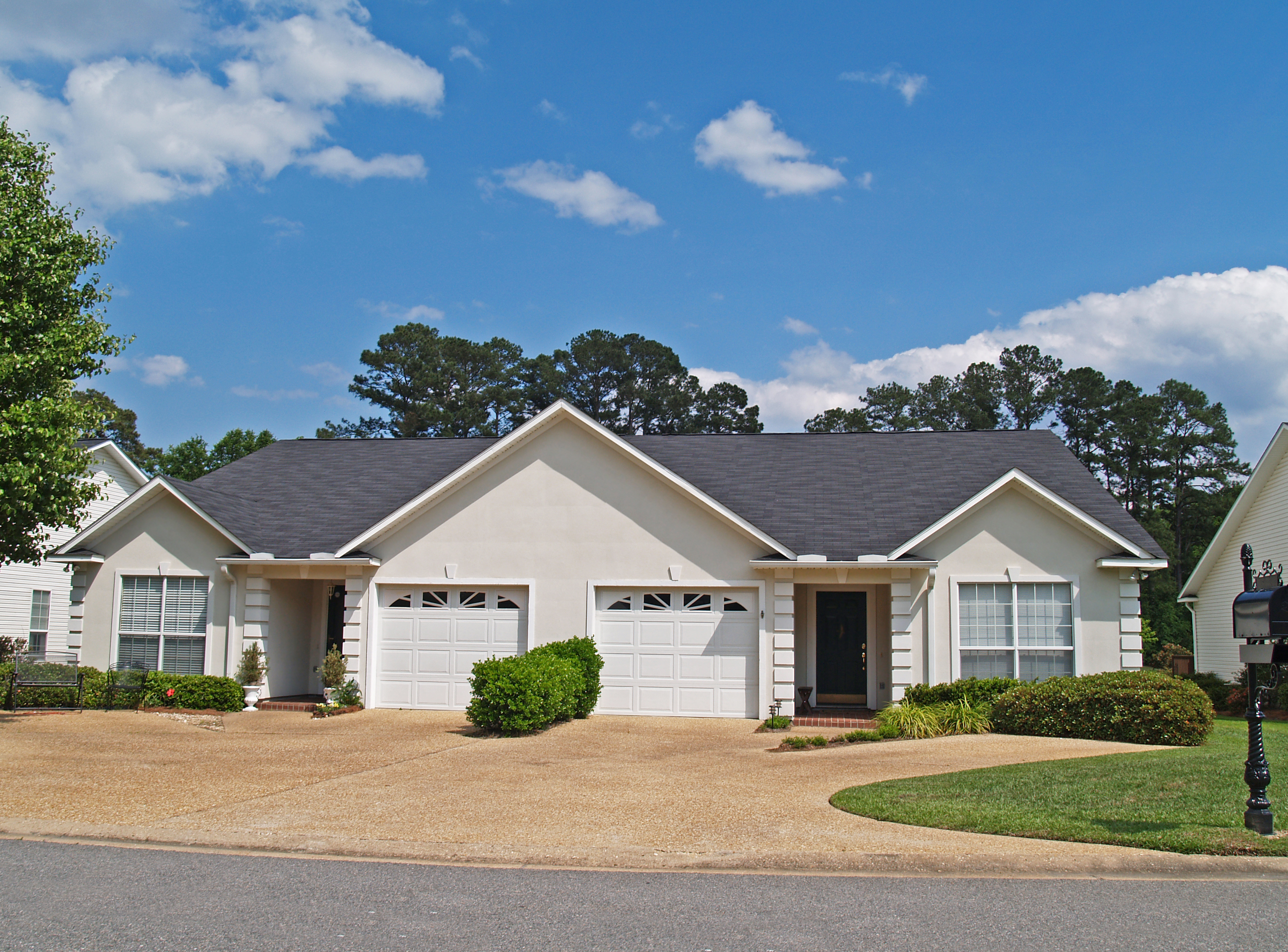
An ADU can create extra living space, room for family or potential rental income.
But financing one is more complicated than paying for a kitchen remodel because the project can involve zoning, permits, utility connections, appraisal questions and rental-income rules.
An ADU is usually a smaller, independent living space on the same parcel as a primary home. It may be detached, attached to the home or built inside existing space such as a basement or garage. Fannie Mae describes an ADU as an additional living area independent of the primary dwelling that provides living, sleeping, cooking and bathroom facilities and is on the same parcel as the primary one-unit dwelling.
The right financing depends on what you are trying to do. Buying a home with an existing ADU is different from building one in your backyard. Adding an ADU to a property you already own is different from refinancing after the ADU is complete.
Before applying, confirm that the ADU is legal, permitted and allowed under local zoning rules. A lender can finance only what the loan program, property rules and local government allow.
ADU Financing Options Basics
| Financing Option |
Best Fit |
Main Tradeoff |
| Renovation Loan |
Buying or refinancing while building or improving an ADU. |
Requires contractor documents, appraisal support and renovation oversight. |
| Construction-To-Permanent Loan |
Building a new home with an ADU from the start. |
More complex than financing an existing home. |
| Cash-Out Refinance |
Homeowners with enough equity who want one new mortgage. |
Replaces the current mortgage and can change the interest rate. |
| Home Equity Loan |
Homeowners who want a fixed lump sum for a defined ADU budget. |
Adds a second monthly payment secured by the home. |
| HELOC |
Projects with phased costs, draws and changing contractor invoices. |
Variable rates can make the payment rise. |
| Personal Loan |
Smaller ADU-related costs or early-stage expenses. |
Usually has higher rates and shorter terms than secured home financing. |
| Local ADU Grant Or Assistance Program |
Borrowers in cities or states with ADU funding programs. |
Funding, rules and availability vary by location. |
What Is An ADU?
An ADU is a secondary housing unit on the same property as a main home. Common examples include backyard cottages, garage apartments, basement units, in-law suites and attached additions with their own living space.
The independent-living feature matters. A finished bedroom over a garage is not automatically an ADU. The space usually needs its own sleeping area, bathroom and kitchen facilities. Local rules decide the final legal definition.
Mortgage programs also care about whether the ADU is legal. A permitted ADU that complies with zoning is easier to finance than an unpermitted unit. An illegal ADU can create appraisal, insurance and resale problems.
Why ADU Financing Is Different
ADU financing is not only about construction cost. The lender has to understand what the property will be worth and how the project affects the home’s legal use.
That creates three approval questions. Is the ADU allowed by local rules? Does the property meet the mortgage program’s standards? Does the borrower qualify for the loan payment?
The project budget also needs more detail than a typical home improvement. A lender may ask for contractor bids, permits, plans, draw schedules and proof that the ADU will be permanently part of the property.
Conventional ADU Financing
Conventional financing is often the broadest ADU path when the borrower and property meet Fannie Mae or Freddie Mac rules. Fannie Mae and Freddie Mac are government-sponsored enterprises that buy mortgages from lenders and set many conventional loan guidelines.
Fannie Mae ADU Options
Fannie Mae offers several ADU-related paths. Borrowers buying or refinancing a home with an existing ADU may be able to use ADU rental income to qualify under specific rules. Borrowers adding an ADU to an existing property can use HomeStyle Renovation. Borrowers building a new one-unit property with an ADU can use construction-to-permanent financing.
For a buyer, the most important detail is whether the ADU already exists. Under Fannie Mae rental-income rules, subject-property rental income can come from a one-unit principal residence with an existing ADU, with rental income from the ADU only.
That does not mean every projected ADU rent helps you qualify. The lender has to document and calculate eligible rental income under the program’s rules.
Freddie Mac ADU Options
Freddie Mac allows financing for properties with ADUs across its mortgage offerings. Freddie Mac says borrowers can finance, refinance, build or renovate an ADU, and ADU rental income can be used as qualifying income when requirements are met.
Freddie Mac also connects ADU construction and renovation to CHOICERenovation. Its ADU fact sheet says borrowers purchasing or refinancing can use CHOICERenovation to construct a new ADU or renovate an existing one.
Freddie Mac’s ADU property rules allow one ADU on one-, two- and three-unit properties, and the ADU must comply with local zoning and land-use requirements.
Renovation Loans For ADUs
A renovation loan can finance the home and the ADU work in one mortgage. This can help when you are buying a property that needs an ADU built, converted or repaired.
HomeStyle Renovation
Fannie Mae’s HomeStyle Renovation can be used by borrowers purchasing or refinancing a one-unit property to construct or install a new ADU.
This option fits borrowers who qualify for conventional financing and have a clear ADU plan. The lender will review the renovation budget, contractor documents and “as completed” value. The ADU also has to fit local zoning and property requirements.
Freddie Mac CHOICERenovation
Freddie Mac’s CHOICERenovation allows eligible borrowers to use loan proceeds for renovations. Freddie Mac’s ADU materials specifically identify CHOICERenovation as a path for constructing a new ADU or renovating an existing one.
The main advantage is structure. Renovation funds are built into the mortgage instead of being handled through a separate personal loan or credit line. The main challenge is documentation. The lender has to approve the scope, value and completion plan.
FHA 203(k)
FHA 203(k) can be relevant for ADU work when the borrower wants FHA financing and the project fits FHA’s renovation rules. FHA updated its ADU policies in Mortgagee Letter 2023-17, including property eligibility and Standard 203(k) guidance related to ADUs.
HUD later summarized that the 2023 ADU policy expanded options for borrowers seeking to purchase properties with an existing ADU, rehabilitate existing structures to add ADUs or construct new homes with ADUs.
Use care with the project type. Adding a new ADU is not the same as making small repairs. A borrower should confirm whether the project belongs in Standard 203(k), Limited 203(k) or another FHA structure before relying on the loan.
Construction-To-Permanent Loans For ADUs
A construction-to-permanent loan can finance a new home and ADU from the start. Instead of buying an existing home and adding the ADU later, the borrower builds the full property in one construction plan.
Fannie Mae identifies construction-to-permanent financing as an ADU option for borrowers building a new one-unit property with an ADU.
This path requires more front-end planning than financing an existing home. The lender will need construction documents, builder approval, budget details, appraisal support and proof that the completed property will meet program rules.
Cash-Out Refinance For An ADU
A cash-out refinance replaces your current mortgage with a new, larger mortgage. You receive part of the difference in cash and use the funds for the ADU project.
This can work when you have enough equity and your new loan terms make sense. It is less attractive when your current mortgage has a low rate and the new refinance rate is much higher.
The biggest advantage is simplicity after closing. You have one mortgage, not a separate second loan. The biggest risk is giving up your existing loan terms. A cash-out refinance is a new mortgage, so compare the new rate, closing costs, monthly payment and long-term interest cost before choosing it.
Home Equity Loan For An ADU
A home equity loan gives you a fixed lump sum secured by your home. The fixed payment can make sense for an ADU project with a defined budget and contractor agreement.
This option leaves your first mortgage in place. That matters if your current rate is worth keeping.
The tradeoff is the second payment. You will have your existing mortgage payment plus the home equity loan payment. If the project runs over budget, the fixed loan may not provide enough flexibility.
HELOC For An ADU
A HELOC can fit ADU construction because project costs often arrive in phases. You can draw from the line as contractor invoices, permits and materials come due.
The risk is the rate. Many HELOCs have variable rates, so the payment can rise after the project starts. A HELOC that looks affordable during the draw period can become tighter when the repayment period begins.
Before using a HELOC for an ADU, ask about the draw period, repayment period, rate cap, minimum payment, early closure fee and whether the lender allows draws for construction expenses.
Personal Loan For An ADU
A personal loan is usually better for smaller ADU-related expenses than full construction. It can help with design fees, permits, appliances, early contractor deposits or a small interior conversion.
The benefit is speed. Personal loans usually do not require a home appraisal or lien against the property.
The cost is the constraint. Personal loans often have higher rates, shorter terms and lower loan amounts than secured home financing. For a detached ADU that costs six figures, a personal loan is usually not enough by itself.
Local ADU Grants And Assistance Programs
Some cities, counties and states offer ADU grants, forgivable loans, low-interest loans or technical assistance. These programs are local, and funding can open and close quickly.
Do not assume an ADU grant is available just because another homeowner in another state used one. Check your city housing department, county housing agency, state housing finance agency and local planning department.
The most important detail is the strings attached. Assistance programs can include income limits, rent restrictions, owner-occupancy rules, affordability periods or repayment requirements if you sell the property.
USDA ADU Financing
USDA is a moving area for ADU financing. USDA Rural Development’s Single Family Housing Guaranteed Loan Program helps eligible low- and moderate-income households buy adequate, modest, decent, safe and sanitary homes in eligible rural areas.
On March 31, 2026, USDA published a proposed rule that would amend the Single Family Housing Guaranteed Loan Program to allow financing of a single-family home with one or more income-producing ADUs. The proposal also would clarify that borrowers can finance properties with features designed for home-based operations when the property remains residential. Comments were due June 1, 2026.
Because that ADU rule was proposed, borrowers should not treat it as final program guidance. Ask a USDA-approved lender how current USDA rules apply to the specific property before relying on ADU rental income or ADU construction as part of the loan plan.
VA ADU Financing
VA loans financing can be relevant when the borrower is an eligible service member, veteran or surviving spouse and the home will be used for personal occupancy. The VA says its home loan benefit can help eligible borrowers buy, build, repair, retain or adapt a home for personal occupancy.
VA also allows alteration and repair loans under specific guidance. VA Circular 26-18-6 says VA may guarantee a loan for alteration or repair that allows improvements to be included in the value and completed after closing.
ADU financing with VA depends heavily on lender participation, property eligibility and local legality. A borrower should not assume every VA lender offers an ADU-related construction or renovation option.
Using ADU Rental Income To Qualify
Rental income can change the loan file, but only when the loan program allows it and the lender can document it.
Fannie Mae allows rental income from an existing ADU on a one-unit principal residence under specific rental-income rules. Freddie Mac says ADU rental income can be used as qualifying income when certain requirements are met.
FHA also changed its ADU income and property policies in 2023. Mortgagee Letter 2023-17 says FHA recognizes that ADU rental income can contribute to mortgage payments and help borrowers sustain homeownership.
The lender will not simply take your rent estimate at face value. Expect documentation such as an appraisal rent schedule, lease, market-rent support or program-specific income calculation.
How To Choose The Right ADU Financing Option
Start With The Project Type
If you are buying a home with an existing legal ADU, a purchase mortgage that recognizes the ADU may be enough. If you are building a new ADU, look harder at renovation financing, construction-to-permanent financing or home equity options.
Check Local Legality Before Applying
Local rules control whether the ADU can exist. Confirm zoning, permits, owner-occupancy rules, parking requirements, utility rules and short-term rental restrictions before you build the financing plan.
Compare Secured And Unsecured Debt
Home-secured financing usually offers larger loan amounts and longer repayment terms. It also puts the home at risk if you cannot make the payments.
Unsecured financing can move faster, but it is usually a poor fit for a full detached ADU because costs can exceed the loan amount.
Run The Payment Without Rental Income First
Rental income helps only if the ADU rents as planned. Test the payment without that income before committing to the loan.
This is especially important if the ADU is for a family member, if local rules restrict rentals or if the project will take months before it can legally be occupied.
Build A Contingency Into The Budget
ADU projects can uncover utility upgrades, foundation work, drainage issues or permit delays. A financing plan with no contingency can run short before the unit is finished.
Ask the contractor which costs are fixed, which are allowances and which could change after permits or inspections.
ADU Financing Example
Assume you own a home worth $500,000 and owe $300,000 on your mortgage. You want to build a detached ADU with a $120,000 budget.
A cash-out refinance could replace the existing mortgage with a larger loan and provide cash for construction. That may work if the new rate and payment are acceptable.
A home equity loan could give you a fixed $120,000 second mortgage while leaving the current first mortgage alone. That may work better if your current first-mortgage rate is low.
A HELOC could provide flexible draws as the project progresses. That may fit a phased project, but the variable payment adds risk.
A renovation loan could be a better fit if you are buying the home and building the ADU at the same time. In that case, the lender evaluates the home and ADU project together.
Common ADU Financing Problems
The ADU Is Not Legal Or Permitted
An unpermitted ADU can stop the loan before the borrower’s finances matter. Lenders need the property to comply with loan-program and local rules.
The Appraisal Does Not Support The Cost
A lender will look at the completed value, not just the contractor’s invoice. If a $150,000 ADU adds less supported value than expected, the borrower may need more cash.
The Budget Leaves Out Site Work
Detached ADUs can require utility hookups, trenching, grading, drainage work, sewer connections or electrical upgrades. Those costs can change the financing need.
The Rental Plan Conflicts With Local Rules
Some local governments limit short-term rentals, require owner occupancy or restrict separate utility meters. A rental-income plan that violates local rules will not support the loan.
The Loan Does Not Match The Timeline
A personal loan may fund quickly but fall short on amount. A renovation loan may fund the whole project but take longer to close. Match the financing to the construction schedule.
The Bottom Line
ADU financing depends on the project. Buying a home with an existing ADU, building a new ADU and renovating unused space all point to different loan options.
Conventional renovation loans, FHA 203(k), construction-to-permanent loans, cash-out refinancing, home equity loans and HELOCs can all be part of the comparison. Local grants or assistance programs may also help, but they are not available everywhere.
Before choosing a loan, confirm that the ADU is legal, permitted, financeable and realistic for your budget. A strong ADU financing plan starts with local approval and a complete project cost, not just the monthly payment.
Frequently Asked Questions
What Is An ADU?
An ADU is a secondary living unit on the same property as a primary home. It usually has its own living, sleeping, cooking and bathroom space.
Can You Finance An ADU?
Yes. ADU financing options include renovation loans, construction-to-permanent loans, cash-out refinancing, home equity loans, HELOCs, personal loans and some local assistance programs.
Can You Use A Mortgage To Build An ADU?
Yes, if the loan program allows the project and the property qualifies. Conventional renovation loans, FHA 203(k) and some construction-to-permanent loans can finance ADU construction under specific rules.
Can You Use A HELOC For An ADU?
Yes. A HELOC can work for ADU construction because it lets you draw funds as costs come due. The main risk is that many HELOCs have variable rates, so the payment can rise.
Can You Use A Cash-Out Refinance For An ADU?
Yes. A cash-out refinance can provide funds for an ADU if you have enough equity and qualify for the new loan. It replaces your existing mortgage, so compare the new rate and costs carefully.
Can ADU Rental Income Help You Qualify For A Mortgage?
It can under some loan programs. Fannie Mae, Freddie Mac and FHA all have ADU-related rental-income rules, but the lender must document the income and calculate it under program requirements.
Can You Use FHA 203(k) To Build An ADU?
FHA 203(k) can be relevant for ADU work when the project fits FHA renovation rules. FHA updated its ADU policies in 2023, including guidance related to rehabilitating existing structures to add ADUs and constructing new homes with ADUs.
Does USDA Allow ADU Financing?
USDA published a proposed rule on March 31, 2026, that would allow financing of single-family homes with one or more income-producing ADUs under the Single Family Housing Guaranteed Loan Program. Because that rule was proposed, borrowers should verify current USDA guidance with a USDA-approved lender before relying on it.
Are ADU Grants Available?
Some local and state programs offer ADU grants, forgivable loans or low-interest financing. Availability depends on location, funding and program rules.
What Is The Best Way To Finance An ADU?
The best option depends on your equity, current mortgage rate, project size, local permitting rules and whether you are buying, refinancing or building. A HELOC may fit phased costs, a home equity loan may fit a fixed budget and a renovation loan may fit a purchase that includes ADU work.




.jpg?quality=80&width=150)
















.jpg?quality=80&width=800)


















































































.jpg?quality=80&width=800)

.jpg?quality=80&width=800)









.jpg?quality=80&width=800)













.jpg?quality=80&width=800)