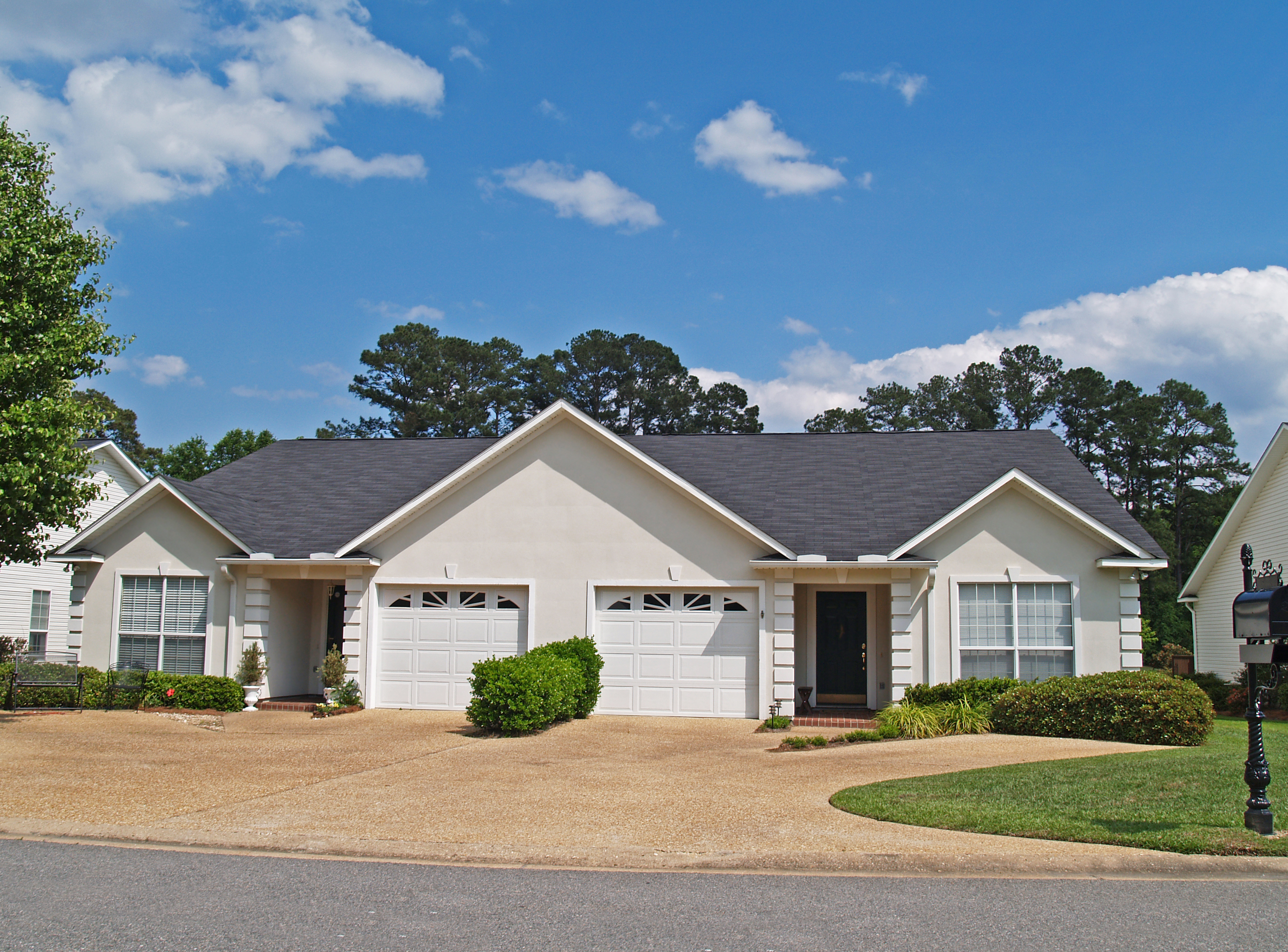
A temporary mortgage buydown uses money deposited at closing to subsidize part of your principal-and-interest payment during the first years of the loan.
With a 2-1 buydown, the payment is calculated as though the rate were 2 percentage points below the note rate in year one and 1 percentage point below it in year two. A 3-2-1 buydown provides reductions of 3, 2 and 1 percentage points over the first three years.
The mortgage’s actual note rate does not change. When the subsidy period ends, you make the full payment required by the loan documents for the remainder of the term.
Temporary Buydown Basics
| Topic |
What to Know |
| Purpose |
Temporarily reduces the portion of the monthly payment paid by the borrower |
| Common Structures |
1-0, 2-1 and 3-2-1, depending on the lender and loan program |
| Note Rate |
Does not change during the buydown period |
| Qualification |
Generally based on the full note-rate payment |
| Funding |
May come from an eligible seller, builder, lender or borrower contribution, subject to program rules |
| Cost |
The total payment subsidy required during the temporary period |
| Primary Risk |
The borrower’s out-of-pocket payment rises as the subsidy declines |
2-1 vs. 3-2-1 Buydown: Year by Year
| Year |
2-1 Buydown |
3-2-1 Buydown |
| Year 1 |
Payment calculated 2 percentage points below the note rate |
Payment calculated 3 percentage points below the note rate |
| Year 2 |
Payment calculated 1 percentage point below the note rate |
Payment calculated 2 percentage points below the note rate |
| Year 3 |
Full note-rate payment |
Payment calculated 1 percentage point below the note rate |
| Year 4 and Later |
Full note-rate payment |
Full note-rate payment |
A 1-0 buydown is a shorter version. It provides a payment calculated 1 percentage point below the note rate during the first year, followed by the full payment beginning in year two.
How a Temporary Buydown Works
The party funding the buydown deposits enough money at closing to cover the scheduled payment difference during the subsidy period.
The funds are generally held in a separate custodial or escrow account. Each month, part of the account is applied along with the borrower’s payment so the servicer receives the full principal-and-interest amount required by the mortgage.
For example, assume the full note-rate principal-and-interest payment is $2,500 and the first-year bought-down payment is $2,000.
| Payment Source |
Monthly Amount |
| Borrower Payment |
$2,000 |
| Buydown Subsidy |
$500 |
| Full Principal-and-Interest Payment |
$2,500 |
The borrower remains obligated under the note for the full payment. If the subsidy funds are unavailable, the borrower is still responsible for making the payment required by the mortgage documents.
Do You Qualify at the Lower Buydown Payment?
Temporary buydowns generally do not allow you to qualify based on the reduced first-year payment.
For a Fannie Mae conventional loan, the lender must qualify the borrower using the note rate without considering the bought-down rate.
FHA and VA temporary buydown transactions also generally require underwriting based on the full scheduled mortgage obligation rather than the temporary amount paid by the borrower.
The qualification rule is intended to establish that you can afford the payment after the subsidy ends.
What Does a 2-1 Buydown Cost?
The cost equals the total difference between the bought-down payments and the full note-rate payments during the first two years.
Consider a $400,000, 30-year fixed-rate mortgage with a 6.5% note rate. The monthly principal-and-interest payment is approximately $2,528.
| Period |
Payment Rate Used |
Approximate Borrower Payment |
Approximate Monthly Subsidy |
| Year 1 |
4.5% |
$2,027 |
$501 |
| Year 2 |
5.5% |
$2,271 |
$257 |
| Year 3 and Later |
6.5% |
$2,528 |
$0 |
The approximate 2-1 buydown cost is:
- $501 × 12 months = $6,012
- $257 × 12 months = $3,084
- Total estimated subsidy = $9,096
The example covers principal and interest only. Property taxes, homeowners insurance, mortgage insurance and homeowners association dues are not reduced by the temporary buydown.
What Does a 3-2-1 Buydown Cost?
Using the same $400,000 mortgage with a 6.5% note rate, a 3-2-1 buydown would produce the following approximate payments:
| Period |
Payment Rate Used |
Approximate Borrower Payment |
Approximate Monthly Subsidy |
| Year 1 |
3.5% |
$1,796 |
$732 |
| Year 2 |
4.5% |
$2,027 |
$501 |
| Year 3 |
5.5% |
$2,271 |
$257 |
| Year 4 and Later |
6.5% |
$2,528 |
$0 |
The approximate total subsidy is:
- $732 × 12 months = $8,784
- $501 × 12 months = $6,012
- $257 × 12 months = $3,084
- Total estimated subsidy = $17,880
The exact cost depends on the loan amount, note rate, loan term and permitted buydown structure.
Use the temporary buydown calculator to estimate the payment schedule and subsidy using your own loan details.
Who Can Pay for a Temporary Buydown?
Permitted funding sources depend on the mortgage program and lender.
A temporary buydown may be funded by:
- The property seller
- A home builder
- The lender
- The borrower
- Another permitted interested party or contribution source
Seller- and builder-funded buydowns must fit within the applicable interested-party contribution or seller-concession limits.
For example, VA currently treats a temporary buydown paid by the seller or builder as a seller concession subject to VA’s applicable 4% concession limit.
FHA and conventional contribution limits depend on their own program rules, occupancy, loan-to-value ratio and transaction terms.
Temporary Buydown vs. Discount Points
A temporary buydown and mortgage discount points reduce payments in different ways.
| Feature |
Temporary Buydown |
Discount Points |
| Rate Effect |
Does not change the note rate |
Reduces the note rate |
| Benefit Period |
One to three years in common structures |
For the time you keep the mortgage |
| Main Calculation |
Total early-payment subsidy |
Break-even period for the upfront point cost |
| Potential Use |
Short-term payment relief |
Longer-term rate and interest reduction |
A temporary buydown may provide more immediate payment relief. Points may provide more value when you keep the mortgage long enough for the monthly savings to recover the upfront cost.
Temporary Buydown vs. Seller Credit or Price Reduction
A seller may have several ways to contribute value to the transaction.
Temporary Buydown
The contribution lowers the amount you pay toward principal and interest during the first years of the mortgage.
General Seller Credit
The contribution may pay eligible closing costs, prepaid expenses or discount points, subject to program limits.
Price Reduction
A lower purchase price reduces the loan amount when the down-payment percentage and other terms remain unchanged.
The effect on your payment may be smaller than the early payment reduction from a temporary buydown, but the price reduction does not expire after a few years.
Compare the options using the total cash required at closing, the full monthly payment and how long each benefit lasts.
What Happens if You Sell or Refinance Early?
The treatment of unused temporary-buydown funds depends on the written buydown agreement, mortgage program and servicing requirements.
When the mortgage is paid off before the subsidy period ends, the remaining funds may be applied to the mortgage payoff or principal balance. The agreement may require different handling based on the transaction and funding source.
Do not assume the unused amount will be paid directly to you as cash.
Review the agreement before closing for provisions covering:
- A sale of the property
- A refinance
- An early mortgage payoff
- A loan assumption
- Unused funds after the scheduled buydown period
Temporary Buydown vs. an Adjustable-Rate Mortgage
A temporary buydown and an adjustable-rate mortgage can both begin with a payment below that of some fixed-rate alternatives, but they create different risks.
With a temporary buydown, the note rate is established at closing. The borrower’s out-of-pocket payment rises according to a known subsidy schedule until it reaches the full note-rate amount.
With an adjustable-rate mortgage, the mortgage rate itself can change after the initial fixed period. Future payments depend on the index, margin and adjustment caps.
| Feature |
Temporary Buydown |
Adjustable-Rate Mortgage |
| Note Rate |
Does not change because of the buydown |
Can adjust after the initial fixed period |
| Early Payment Reduction |
Created by deposited subsidy funds |
Created by the initial mortgage rate |
| Future Payment |
Known based on the note rate and loan terms |
Can rise or fall within the loan’s adjustment rules |
When a Temporary Buydown May Make Sense
A temporary buydown may fit when:
- You can afford the full note-rate payment
- A seller or builder is funding the subsidy
- You expect temporary expenses during the first years of ownership
- You want predictable payment increases
- You prefer to preserve your own cash for reserves, repairs or moving expenses
- The buydown provides more useful value than another seller concession
Examples of temporary expenses may include moving costs, furnishing the home or overlapping housing expenses.
When a Temporary Buydown May Not Fit
A temporary buydown may provide limited value when:
- You cannot comfortably afford the full payment
- You are using your own cash and another use would provide more value
- You expect to sell or refinance very soon
- The transaction’s contribution limit would be better used for closing costs or permanent points
- You are relying on future income growth that is uncertain
- You assume refinancing will be available before the subsidy ends
Future rates, property values, credit and income cannot be guaranteed. Evaluate the loan based on the full payment rather than an expected refinance.
Risks of a Temporary Buydown
Payment Increases
Your out-of-pocket payment rises as the subsidy declines. Review the amount due during every stage rather than focusing only on year one.
Refinancing May Not Be Available
Rates may not fall enough to make refinancing worthwhile, and you must qualify for any future loan.
The Subsidy Does Not Reduce the Loan Balance
The buydown funds supplement scheduled payments. They do not function like a separate principal reduction unless the agreement requires remaining funds to be applied that way after an early payoff.
Contribution Limits Apply
A seller- or builder-funded buydown can use part of the contribution amount otherwise available for eligible closing costs, points or other permitted expenses.
Terms Vary
Temporary buydowns are not available for every mortgage, lender, property or transaction. The written agreement controls the subsidy schedule and handling of the funds.
How to Compare Temporary Buydown Offers
Review the temporary buydown alongside a no-buydown option using the same mortgage terms.
Compare:
- The mortgage note rate
- The full principal-and-interest payment
- The borrower payment during each buydown year
- The total subsidy cost
- Who is funding the buydown
- The effect on seller-contribution limits
- Total cash needed at closing
- Discount-point alternatives
- The treatment of unused funds
- The payment after the subsidy ends
Also compare a temporary buydown with buying down the mortgage rate or waiting for rates to change.
The Bottom Line
A temporary buydown lowers the amount you pay toward principal and interest during the first one to three years without changing the mortgage’s note rate.
A 2-1 buydown provides two years of assistance, while a 3-2-1 buydown provides three. You generally qualify using the full note-rate payment and remain responsible for that full obligation.
Compare the temporary subsidy with permanent points, a seller credit and a price reduction. Confirm who funds the buydown, how it affects contribution limits and what happens to unused funds if the mortgage is paid off early.
Frequently Asked Questions
What Is a Temporary Mortgage Buydown?
A temporary mortgage buydown uses funds deposited at closing to subsidize part of the borrower’s principal-and-interest payment for a limited period. The mortgage’s note rate does not change.
What Is a 2-1 Buydown?
A 2-1 buydown calculates the borrower’s payment as though the rate were 2 percentage points below the note rate in year one and 1 percentage point below it in year two. The borrower pays the full note-rate amount beginning in year three.
What Is a 3-2-1 Buydown?
A 3-2-1 buydown calculates payments 3 percentage points below the note rate in year one, 2 points below in year two and 1 point below in year three. The full payment begins in year four.
Does a Temporary Buydown Change Your Interest Rate?
No. The note rate remains the same. Deposited subsidy funds cover part of the scheduled principal-and-interest payment during the temporary period.
Do You Qualify Using the Lower Buydown Payment?
Generally no. Lenders commonly qualify borrowers using the full note-rate payment rather than the temporarily reduced amount paid during the subsidy period.
Can a Seller Pay for a Temporary Buydown?
Often yes. Seller-funded buydowns must comply with the loan program’s interested-party contribution or seller-concession limits.
Can a Builder Pay for a Temporary Buydown?
Often yes, subject to the mortgage program, lender requirements and applicable contribution limits.
What Happens to Unused Buydown Funds if You Sell or Refinance?
The written buydown agreement determines how remaining funds are handled. They may be applied to the mortgage payoff or principal balance rather than paid directly to the borrower.
Is a Temporary Buydown Better Than Paying Points?
A temporary buydown may provide more short-term payment relief. Points permanently reduce the note rate and may provide more value when you keep the mortgage beyond the break-even period.
Can You Refinance Before the Temporary Buydown Ends?
Yes, if you qualify for the new mortgage. Review the buydown agreement to determine how the remaining subsidy funds will be handled when the existing mortgage is paid off.




.jpg?quality=80&width=150)

















.jpg?quality=80&width=800)




















































































.jpg?quality=80&width=800)

.jpg?quality=80&width=800)









.jpg?quality=80&width=800)













.jpg?quality=80&width=800)