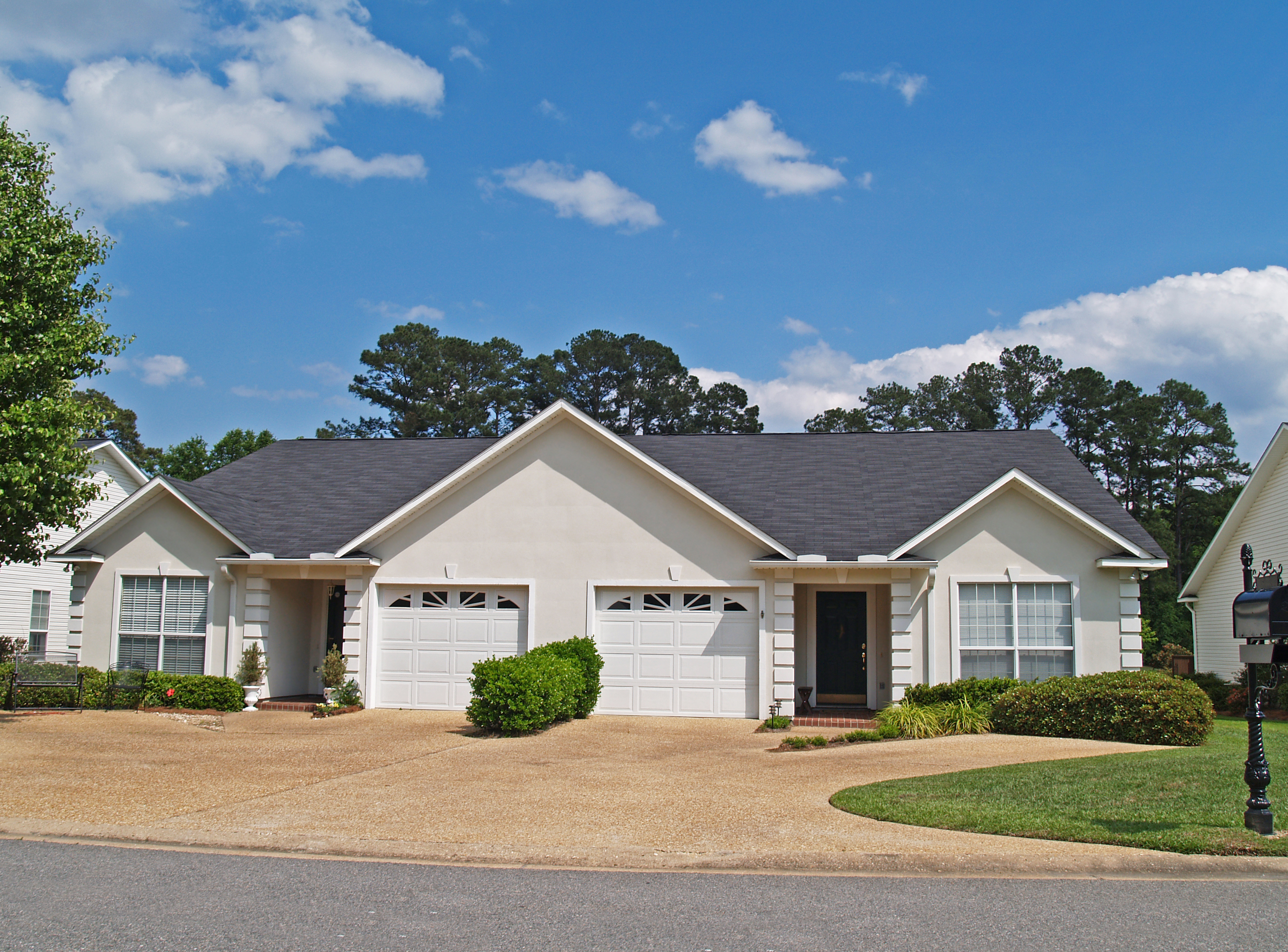
A new federal law could expand access to starter homes, but it'll take time for borrowers to see its impact.
The 21st Century ROAD to Housing Act, which became law on July 11, 2026, includes several provisions intended to expand housing supply. The law works mainly through local governments, federal grants, planning support and development incentives. It does not directly build or reserve a home for an individual buyer.
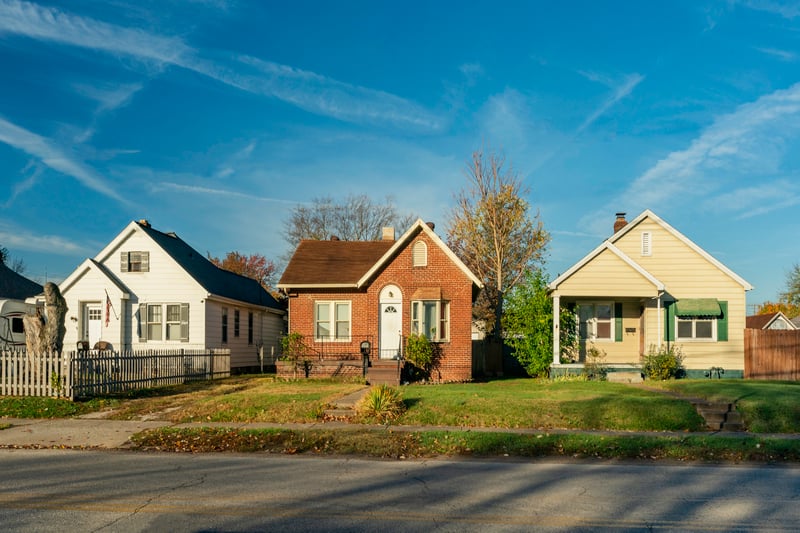
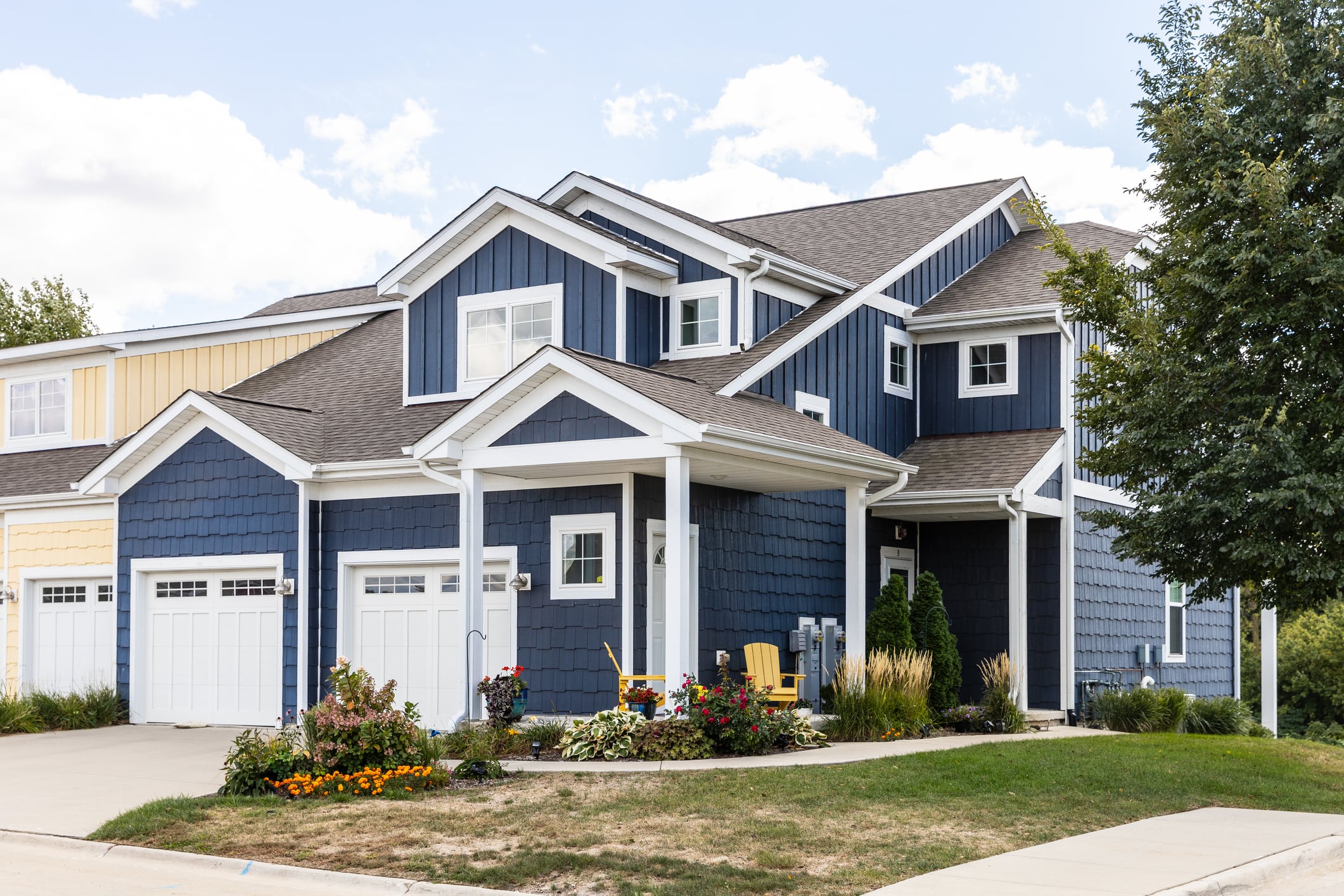
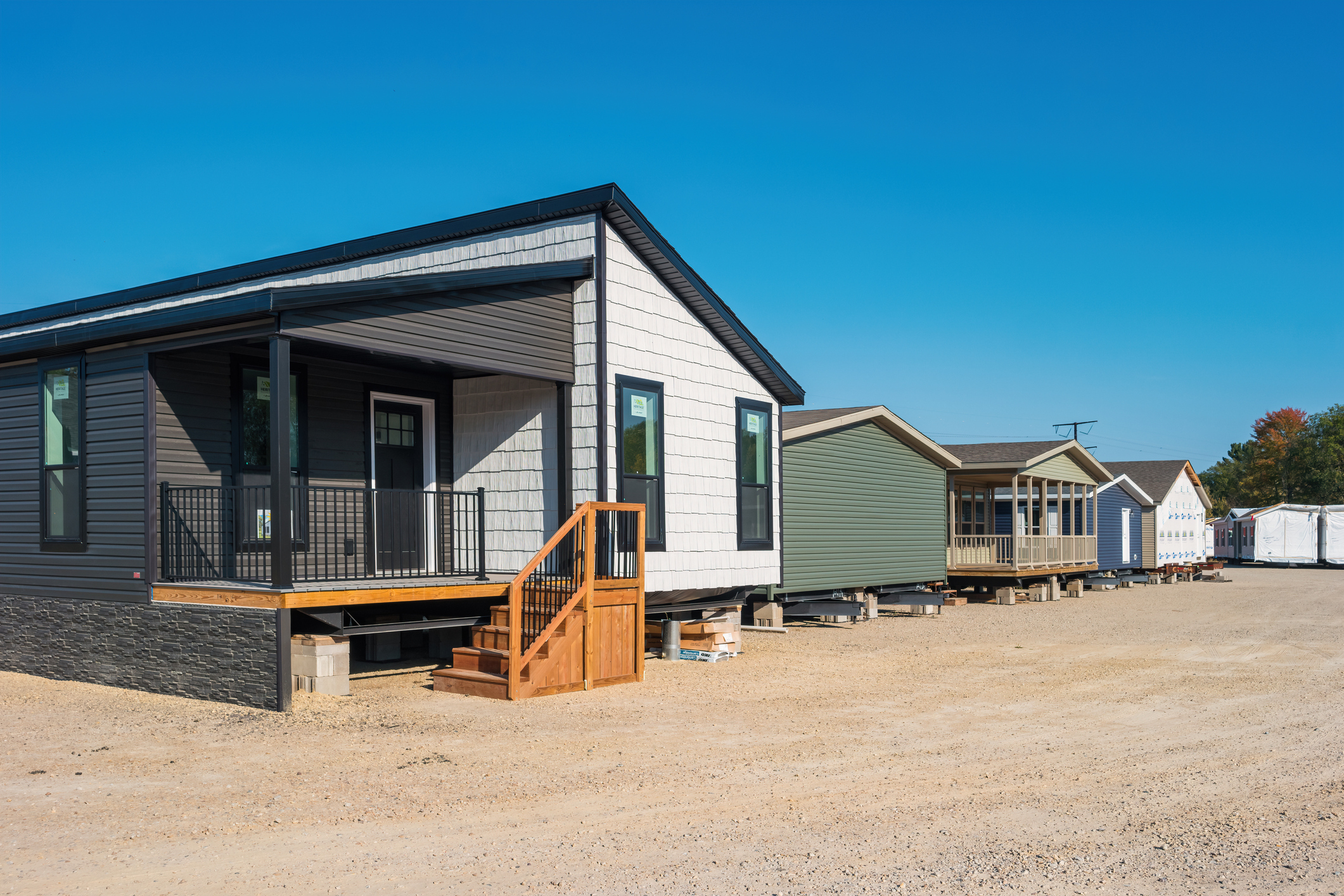
The act also does not define “starter home” as a separate housing category. Its programs could support housing types commonly associated with lower purchase prices, including small homes, accessory dwelling units, duplexes, townhouses and infill projects. Some provisions also support rental and mixed-income housing rather than homes offered for individual purchase.
ROAD Act Starter Home Supply Basics
| Provision |
What It Does |
What It Could Mean for Buyers |
| CDBG new-construction eligibility |
Allows communities to use up to 20% of certain Community Development Block Grant allocations for new construction of affordable housing. |
Participating communities could direct more federal community-development funding toward new homes. |
| Planning and implementation grants |
Funds housing plans, zoning updates, inspections, regulatory processes and other work that can reduce development barriers. |
Communities may be able to approve and support housing projects more efficiently. |
| Housing Supply Innovation Fund |
Creates competitive grants for eligible communities and Tribes that have demonstrated improvement in housing-supply growth. |
Communities that are already adding homes could receive funding for additional housing and infrastructure initiatives. |
| Build Now Act |
Adjusts future CDBG allocations for certain cities and urban counties based on changes in their housing-growth rates. |
Some communities will have a financial incentive to permit and complete more housing. |
| Environmental-review streamlining |
Directs HUD to simplify federal environmental review categories for specified housing and infill projects. |
Qualifying federally assisted projects could move through federal review with less delay. |
| Preapproved designs |
Authorizes grants for communities to adopt pattern books containing plans reviewed for local building and permitting standards. |
Builders could use approved designs for smaller housing types without repeating every part of the design review. |
| RESIDE pilot |
Authorizes grants to convert qualifying vacant commercial and industrial buildings into attainable housing. |
Some communities could add housing without relying only on undeveloped land. |
How Housing Supply Affects Buyers
Housing inventory affects how much choice buyers have and how strongly they must compete for available homes. When listings are limited relative to demand, buyers may face multiple offers, shorter decision windows and less negotiating leverage.
Adding homes can give buyers more choices across neighborhoods, price points and property types. A larger supply can also reduce pressure on individual listings, which may make seller concessions or inspection negotiations more common.
Additional supply does not automatically cause home prices to fall. New construction can help demand and inventory move closer to balance while prices continue rising at a slower rate. Prices still depend on mortgage rates, household income, construction costs, local job growth, available land and the number of buyers in the market.
The ROAD Act’s supply provisions are therefore more likely to affect buyer choice and competition over time than to produce an immediate nationwide decline in home prices.
The Law Gives Communities More Ways to Support Housing Construction
CDBG Funds Can Be Used for More New Construction
The Community Development Block Grant program provides federal funding to states, cities and counties for housing, community development and economic opportunities that principally benefit low- and moderate-income residents.
The ROAD Act makes the new construction of affordable housing an eligible CDBG activity. A recipient can use no more than 20% of its allocation for this purpose, and the change applies only to amounts appropriated after enactment.
This does not direct every CDBG recipient to build homes. Each community will decide how to divide its funding among eligible local needs. Projects must also satisfy the program’s affordability and low- and moderate-income requirements.
For buyers, the provision could matter where a community chooses to use CDBG funding for owner-occupied affordable homes. It can also support rental housing, so the entire funding increase should not be interpreted as a starter-home construction program.
Planning Grants Can Address Local Development Barriers
HUD must establish a competitive planning and implementation grant program within one year of enactment. States, metropolitan cities, urban counties and regional planning organizations can use grants for work such as:
- Developing housing plans.
- Updating zoning codes and regulatory processes.
- Increasing the capacity to conduct housing inspections.
- Implementing local housing and community-development plans.
- Coordinating housing with transportation and infrastructure planning.
The grants cannot be used for construction, alteration or repair work. Their purpose is to help communities complete the planning and administrative work that can determine whether future housing projects are allowed and processed.
A zoning update does not produce a new home by itself. It can create a legal path for smaller lots, accessory dwelling units, duplexes or other housing types that were previously difficult to build.
Innovation Funding Rewards Communities That Add Housing
The Housing Supply Innovation Fund creates competitive grants for local governments and Tribes that demonstrate an objective improvement in housing-supply growth. HUD must establish the program within one year and publish the methodology used to identify eligible applicants.
Recipients can use the money for eligible CDBG activities, certain transportation-related projects and local initiatives that expand attainable housing supply. The law defines attainable housing as serving households earning no more than 120% of area median income, with most units affordable to households earning no more than 60% of area median income.
The law authorizes $200 million annually for fiscal years 2027 through 2031, adjusted for inflation. An authorization permits Congress to fund the program, but the money still depends on future appropriations.
The program could reward communities that have already made progress on housing growth. It does not allow HUD to override local zoning or land-use rules.
Build Now Changes Future CDBG Allocations
The final ROAD Act does not establish a Build Now pilot. Instead, it changes how HUD will allocate some future CDBG funds to eligible metropolitan cities and urban counties.
Communities with housing-growth improvement rates at or above the median can receive a bonus. Extremely high-growth communities can also qualify. Eligible communities below the median face a 10% reduction in the amount they otherwise would receive.
The law includes exceptions for certain lower-cost communities, places with above-average rental vacancy, recent disaster areas and jurisdictions that lack the legal authority to change zoning or permitting rules.
HUD must notify eligible recipients of their initial growth rates within 60 days of enactment. The allocation adjustments begin with the third full federal fiscal year after enactment, which is fiscal year 2029, and remain in effect through fiscal year 2043.
This provision creates a financial incentive for some communities to improve housing growth. It does not require a city to approve a particular development or replace its zoning code with a federal standard.
Faster Federal Reviews Could Help Smaller and Infill Projects
What Is Infill Housing?
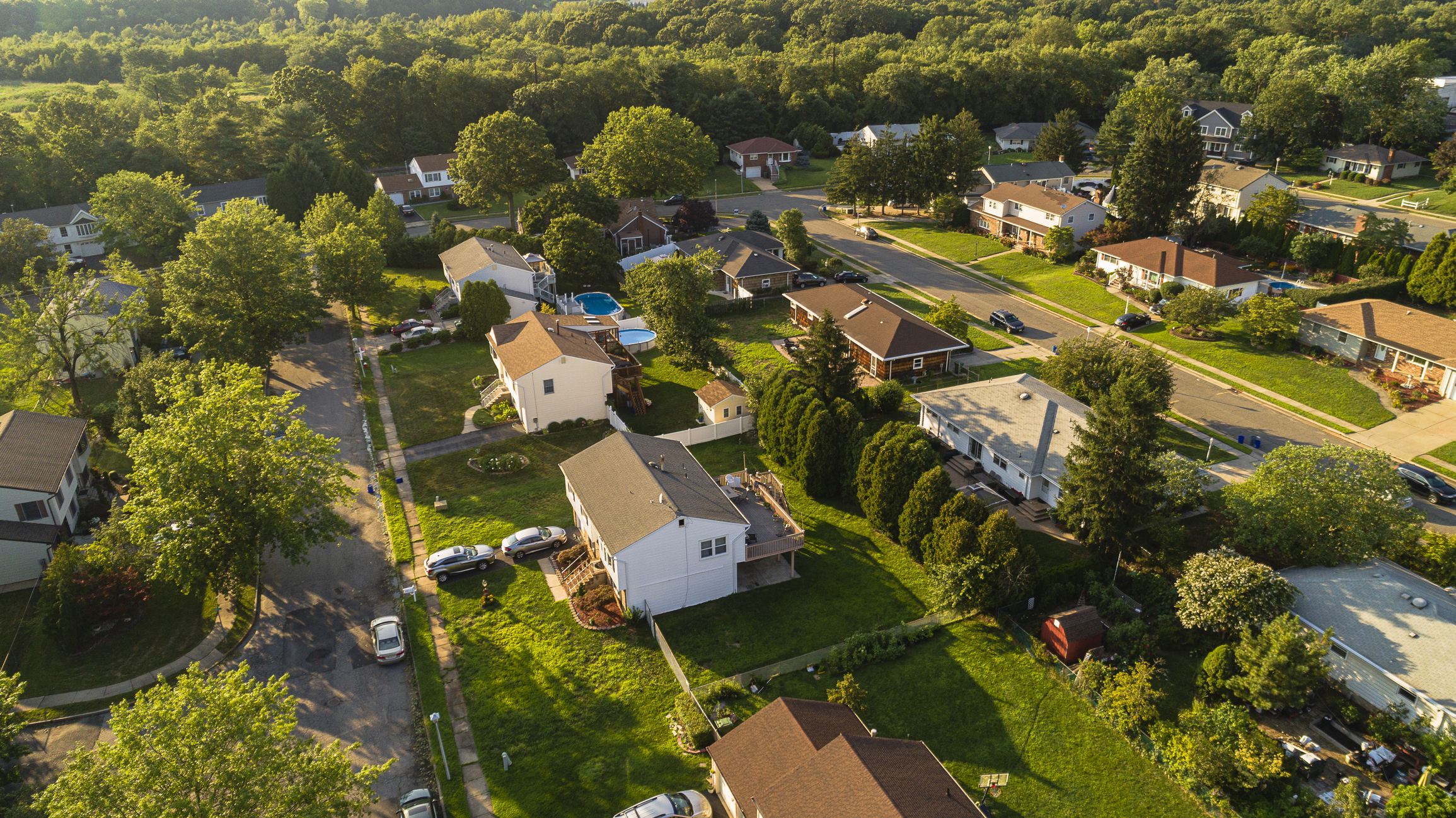
Infill housing is built on vacant, underused or previously developed land within an established community. Examples can include a new home on an empty city lot, townhouses replacing an abandoned structure or a small residential project near existing streets and utilities.
For the ROAD Act’s environmental-review provision, an infill project must be within a municipality, located on no more than 5 acres of previously disturbed land, substantially surrounded by existing development and adequately served by utilities and public services. It must reuse a vacant or underused parcel or a dilapidated or abandoned structure.
How Federal Environmental Reviews Affect Timelines
Projects receiving HUD assistance may need a federal environmental review before funds can be committed or construction can begin. The required level of review depends on the activity and its potential effect on the surrounding environment.
The ROAD Act directs HUD to place several housing activities into streamlined review categories. The covered activities include rehabilitation of one- to four-unit homes, small scattered-site projects, projects containing five to 15 units, qualifying office-to-residential conversions and infill housing.
A streamlined category can reduce the time and administrative work needed for qualifying projects. It does not remove all environmental obligations. Some categorical exclusions still require review under other federal environmental laws and authorities.
Local Rules Still Apply
Federal review streamlining does not eliminate local zoning, building codes, safety standards, inspections or permits. A project must still be legal under local land-use rules and meet applicable construction requirements.
The benefit will be greatest where federal review is one of the remaining barriers after a community has already allowed the project under local law.
Preapproved Designs Could Reduce Development Friction
The Accelerating Home Building Act authorizes HUD grants for communities to create or adopt prereviewed housing designs, commonly called pattern books. These are sets of construction plans that a locality has already reviewed for compliance with its building and permitting standards.
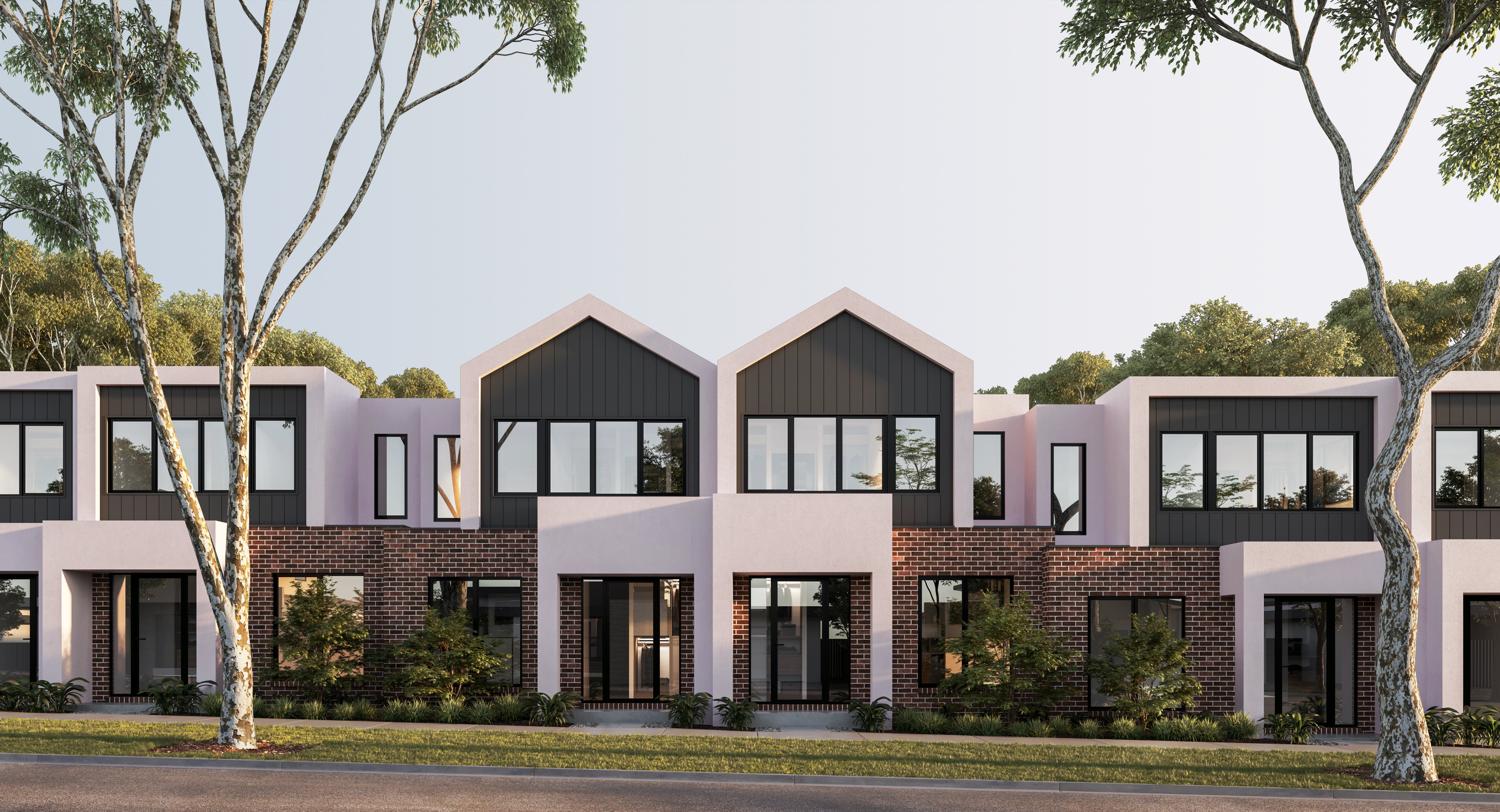
The law allows designs for structures with up to 25 units, including accessory dwelling units, duplexes, triplexes, fourplexes, cottage courts, townhouses and infill developments. At least 10% of annual grant funding must go to eligible entities in rural areas.
Pattern books can reduce repeated design work and make the approval path more predictable. They do not guarantee that a project will receive a permit. The parcel, site plan, utilities and proposed use must still meet local requirements.
The grant money supports selecting and adopting designs rather than construction. Communities that do not adopt their selected plans within five years may be required to return the grant funds.
Vacant Buildings Could Be Converted Into Housing
The RESIDE pilot authorizes HUD to award competitive grants through the HOME Investment Partnerships Program for converting qualifying vacant and abandoned buildings into attainable housing.
Eligible properties can include former warehouses, factories, malls, strip malls, hotels and other commercial or industrial buildings that meet the law’s abandonment or code-enforcement standards. Grant funds can support acquisition, demolition, hazard remediation, site preparation, construction, renovation and rehabilitation.
The pilot is authorized for fiscal years 2027 through 2031 and depends on congressional appropriations. HUD must give priority to certain projects in economically distressed communities, opportunity zones and places that have reduced regulatory barriers to conversions without weakening safety and habitability rules.
Conversions could add homes in communities with vacant buildings and limited undeveloped land. Some projects will work better as rental housing than individually owned starter homes. Building layout, financing, environmental conditions and rehabilitation costs will determine whether a conversion is practical.
Why Buyers May Not See Changes Immediately
The ROAD Act creates new authority and incentives, but housing development still moves through several stages.
Communities Must Choose to Participate
Most of the law’s grant programs require a state, local government, Tribe or regional organization to apply. Participation and local priorities will vary.
Congress Must Fund Authorized Programs
Several provisions authorize grants but remain subject to future appropriations. An authorized program may receive less than the amount listed in the law or no funding for a particular year.
Planning Comes Before Construction
Updating a housing plan, zoning code or permitting process can take months or years. Developers must then acquire land, arrange financing, prepare plans and secure approvals.
Construction Takes Time
Even a small housing project can require site preparation, utility work, inspections and multiple construction phases. Larger conversions and infrastructure projects can take several years.
Infrastructure Can Limit Growth
Roads, water, sewer, schools, transit and utility capacity can affect how much housing a community can support. A zoning change may have limited effect when essential infrastructure is unavailable or costly to expand.
Local Zoning and Permitting Still Matter
The law offers funding and incentives rather than federal control over local land use. Communities generally retain authority over where homes can be built, how many units are allowed and which development standards apply.
Which Markets May See the Greatest Effect?
The provisions could have a larger effect in communities that combine strong housing demand with local capacity to use the new programs. These may include:
- Supply-constrained metropolitan areas where buyer demand exceeds available listings.
- Established communities with vacant or underused lots served by existing infrastructure.
- Markets with vacant commercial or industrial buildings that can be converted into housing.
- Jurisdictions already updating zoning, permitting or housing plans.
- Rural communities that use the pattern-book set-aside to support smaller housing projects.
The effect will not be limited to large cities. Smaller communities may benefit from infill development, preapproved designs or regional planning assistance. Their ability to participate will depend on staffing, grant administration, available sites and local demand.
It is too early to identify specific cities where the law will produce the most starter homes. HUD must still establish programs, publish rules or funding notices and evaluate applications.
The Bottom Line
The ROAD to Housing Act could support more starter-home supply by helping communities fund affordable construction, update local housing rules, streamline federal reviews and reuse vacant land and buildings.
The law does not create a national starter-home construction program. Many provisions also support rental, mixed-income and multifamily housing. Local governments will decide whether to participate and how to use available funds.
Buyers are likely to see any effects gradually. In communities that combine strong demand, available sites, local reform and federal funding, the law could expand the range of homes on the market and reduce competition for some properties. It does not guarantee lower prices or a larger supply in every location.
Frequently Asked Questions
Does the ROAD Act Build Starter Homes Directly?
No. The federal government does not build a home for a specific buyer under these provisions. The law provides grants, funding authority, planning support and incentives that state and local governments can use to expand housing supply.
Will the ROAD Act Lower Home Prices?
The law does not set home prices. Additional supply could reduce competition or slow price growth in some markets, but prices will continue to depend on mortgage rates, income, local inventory, construction costs and buyer demand.
What Is Infill Development?
Infill development adds housing to vacant, underused or previously developed land within an established community. It generally uses existing streets, utilities and public services rather than extending development into a new area.
Can Local Governments Choose Whether to Participate?
Yes. Most grant programs require eligible governments or regional organizations to apply. The Build Now allocation adjustment applies to eligible CDBG recipients under the statutory formula, but the act does not require local governments to approve a specific project or change a particular zoning rule.
How Long Does New Housing Construction Take?
There is no single timeline. Planning, land acquisition, financing, permitting, infrastructure and construction can take months or several years. The ROAD Act may shorten certain stages, but it does not remove every step required to complete a housing project.
When Will the New Housing Programs Begin?
Timelines differ by provision. HUD must establish the planning-grant and Innovation Fund programs within one year of the July 11, 2026, enactment date. The RESIDE pilot is authorized for fiscal years 2027 through 2031, subject to funding. Build Now allocation adjustments begin in fiscal year 2029.




%20(1).jpg?quality=80&width=150)




























.jpg?quality=80&width=800)








































































































































































































.jpg?quality=80&width=800)

.jpg?quality=80&width=800)














.jpg?quality=80&width=800)













.jpg?quality=80&width=800)






























.jpg?quality=80&width=800)




















.jpg?quality=80&width=800)