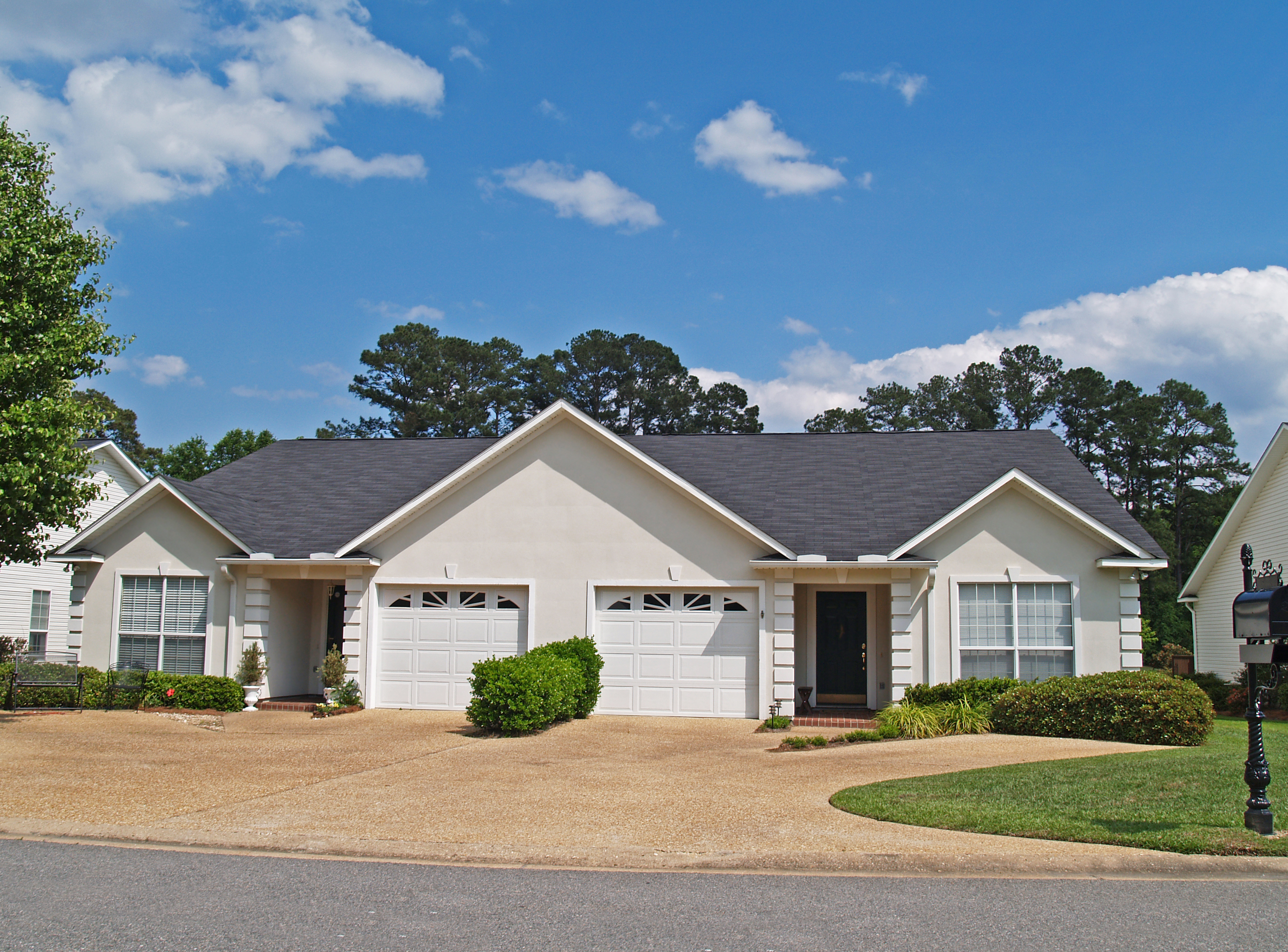
FHA and conventional mortgages are two of the most common options for buying a home, but they serve different types of borrowers and financial situations.
Choosing between an FHA loan and a conventional mortgage ultimately comes down to which works best for your financial situation and long term goals.
FHA vs. Conventional Loan Basics
|
Feature
|
FHA Loan
|
Conventional Loan
|
|
Government backing
|
Insured by the Federal Housing Administration
|
Not government insured
|
|
Minimum credit score
|
580 with 3.5% down, (500 with 10% down possible)
|
Often starts around 620
|
|
Minimum down payment
|
3.5%
|
As low as 3% for some programs
|
|
Mortgage insurance
|
Required on most loans
|
Required when down payment is under 20%
|
|
How long mortgage insurance lasts
|
Often life of loan if your down payment under 10%
|
Usually removable after you build up enough equity
|
|
Property eligibility
|
Primary residence only
|
Primary homes, second homes, investment properties
|
|
Loan types
|
Government insured
|
Conforming and non conforming loans
|
FHA vs. Conventional Loans: Which Is Better For You?
Both FHA and conventional loans can help you buy a home, but the right choice depends on your credit profile, down payment, and long term financial plans.
An FHA loan may be the better option if you:
- have a credit score below about 620
- need a lower minimum down payment
- have limited credit history
- want more flexible qualification standards
A conventional loan may be the better option if you:
- have a credit score above about 680
- want to avoid mortgage insurance with a 20% down payment
- want the option to remove private mortgage insurance later
- plan to buy a second home or investment property
Both loan types can be competitive depending on your financial profile. The best approach is often to compare both options with a lender and evaluate the total cost of borrowing.
FHA vs. Conventional Loan Cost Example
Mortgage costs can vary depending on credit score, interest rates, and mortgage insurance requirements. The simplified example below shows how FHA and conventional loans may compare for the same home purchase.
|
Scenario
|
FHA Loan
|
Conventional Loan
|
|
Home price
|
$350,000
|
$350,000
|
|
Down payment
|
3.5% ($12,250)
|
3% ($10,500)
|
|
Loan amount
|
$337,750
|
$339,500
|
|
Mortgage insurance
|
FHA MIP required
|
PMI required
|
|
Insurance duration
|
Often life of loan if down payment is under 10%
|
Typically removable after reaching about 20% equity
|
In many cases, FHA loans make it easier to qualify with lower credit scores or smaller down payments. Conventional loans may become less expensive over time if the borrower qualifies for lower mortgage insurance costs and removes PMI after building enough equity.
Comparing loan estimates side by side is the best way to determine which option is more affordable for your situation.
FHA Loans Overview
An FHA loan is a mortgage insured by the Federal Housing Administration. Government insurance reduces lender risk, which allows lenders to offer more flexible qualification standards than many conventional loans.
In practice, this means borrowers may qualify with lower credit scores or smaller down payments compared with many conventional loan programs.
FHA down payment rules are tied to credit score. FHA policy allows:
- 3.5% down with a credit score of 580 or higher
- 10% down with a credit score between 500 and 579
Some lenders add overlays to these minimum requirements, meaning borrowers may need a higher credit score depending on the lender.
Another core feature of FHA loans is their mortgage insurance structure called mortgage insurance premiums, or MIP.
This includes:
- an upfront mortgage insurance premium, typically 1.75% of the base loan amount
- an annual mortgage insurance premium paid monthly
For most FHA loans originated after June 3, 2013, mortgage insurance lasts for the life of the loan when the down payment is less than 10%. When the down payment is 10% or more, MIP is generally required for 11 years.
What Is A Conventional Loan?
A conventional loan is a mortgage that is not insured or guaranteed by the federal government.
Many conventional loans are conforming loans, meaning they follow standards set by Fannie Mae and Freddie Mac so they can be sold on the secondary mortgage market.
Conventional loans can also include non conforming loans such as jumbo loans that exceed conforming loan limits.
Because conventional loans are not government insured, lenders rely more heavily on borrower credit strength, income stability, and overall financial profile.
Credit Score Requirements
Minimum credit standards vary by lender and program.
|
Feature
|
FHA
|
Conventional
|
|
Typical minimum credit score
|
FHA policy allows lower scores with higher down payments
|
Many programs begin around 620
|
|
Credit flexibility
|
More flexible for borrowers rebuilding credit
|
Strong credit often receives better pricing
|
Higher credit scores typically improve mortgage pricing and loan options, while lower scores may increase costs or limit program eligibility. FHA loans may be more accessible for borrowers with limited or rebuilding credit, while conventional loans often reward strong credit with better pricing.
Down Payment Options And Requirements
|
Feature
|
FHA Down Payment
|
Conventional Down Payment
|
|
Minimum required
|
3.5% with 580+ credit score, 10% with 500 to 579
|
As low as 3% for some programs
|
|
Mortgage insurance impact
|
Mortgage insurance required
|
PMI required when down payment is under 20%
|
FHA down payment thresholds are based on HUD FHA policy.
Debt To Income Ratio Guidelines
Your debt to income ratio, or DTI, is the percentage of your monthly gross income that goes toward debt payments. Lenders use it to evaluate repayment capacity.
FHA underwriting can allow higher DTIs in some cases depending on credit profile and compensating factors. Conventional underwriting may have lower DTI limits depending on automated underwriting results and loan program.
Reducing revolving credit balances can improve both DTI and credit score factors that influence mortgage pricing.
Mortgage Insurance Costs And Differences
Mortgage insurance protects the lender if a borrower defaults. FHA and conventional mortgage insurance work differently.
|
Feature
|
FHA Mortgage Insurance (MIP)
|
Conventional Mortgage Insurance (PMI)
|
|
Upfront cost
|
Upfront premium typically 1.75% of loan amount. This can generally be financed into the loan.
|
No upfront premium
|
|
Ongoing cost
|
Annual MIP paid monthly
|
Monthly PMI when down payment is below 20%
|
|
Duration
|
Often life of loan if down payment under 10%
|
You can request removal when your loan reaches 80% loan-to-value (LTV), and PMI falls off automatically at 78% LTV
|
Property Standards And Appraisal Requirements
Both FHA and conventional loans require an appraisal to confirm the home's value.
However, FHA appraisals also enforce minimum property standards related to safety and habitability. If the property does not meet those standards, repairs may be required before closing.
Property Eligibility
|
Property Type
|
FHA
|
Conventional
|
|
Owner occupied homes (1 to 4 units)
|
Yes, primary residence only
|
Yes
|
|
Condominiums
|
Yes, subject to FHA approval
|
Yes
|
|
Second homes
|
No
|
Yes
|
|
Investment properties
|
No
|
Yes
|
|
Jumbo loan amounts
|
No
|
Yes
|
Interest Rates And Total Loan Costs
Mortgage rates change daily and vary based on credit score, loan structure, and discount points.
A lower interest rate does not always mean the cheapest loan overall. Mortgage insurance costs and lender fees can significantly affect the total cost of borrowing.
When comparing loan options, focus the your annual percentage rate (APR) rather than the interest rate. That includes additional costs for a more accurate summary of what you’ll be paying. Also weigh mortgage insurance costs, discount points and lender fees, and how long you expect to keep the loan.
Loan Limits And Property Use Flexibility
Conforming loan limits determine the maximum loan size for most conventional mortgages.
The Federal Housing Finance Agency set the 2026 baseline conforming loan limit at $832,750 for one unit properties in most counties. Some counties have higher conforming limits.
FHA loan limits also vary by county and are published annually by the Department of Housing and Urban Development.
The Bottom Line
FHA loans may be a strong option for buyers who have lower credit scores, need a lower minimum down payment, or want standardized federal loan guidelines. That flexibility comes with a trade off, however: FHA mortgage insurance may last longer than conventional PMI depending on the down payment and loan origination date.
FHA also allows seller concessions up to 6% of the purchase price for allowable closing costs.
Conventional loans may be a better fit if you have strong credit that qualifies for better pricing, can make a 20% down payment to avoid PMI, want the option to remove mortgage insurance later, or need financing for second homes or investment properties
Seller contribution limits vary depending on the loan to value ratio and occupancy.
Frequently Asked Questions
What Credit Score Do I Need For FHA vs. Conventional Loans?
FHA policy allows 3.5% down with credit scores of 580 or higher and requires 10% down for scores between 500 and 579. Conventional loans typically start around a 620 credit score, although stronger credit often results in better pricing.
How Long Do I Pay Mortgage Insurance On An FHA Loan?
For most FHA loans with less than 10% down, annual mortgage insurance remains for the life of the loan. If the down payment is 10% or more, mortgage insurance generally lasts 11 years.
Can I Refinance An FHA Loan Into A Conventional Loan?
Yes. If you qualify for a conventional refinance and have built enough equity, refinancing from FHA to conventional can eliminate FHA mortgage insurance and move you into a conventional loan structure.
What Property Types Can I Buy With Each Loan Type?
FHA loans are designed for primary residences and can include certain owner occupied 1 to 4 unit properties and eligible condominiums. Conventional loans can finance primary homes, second homes, and investment properties depending on the program.




.jpg?quality=80&width=150)





















.jpg?quality=80&width=800)












































































































.jpg?quality=80&width=800)

.jpg?quality=80&width=800)
















.jpg?quality=80&width=800)













.jpg?quality=80&width=800)

































.jpg?quality=80&width=800)