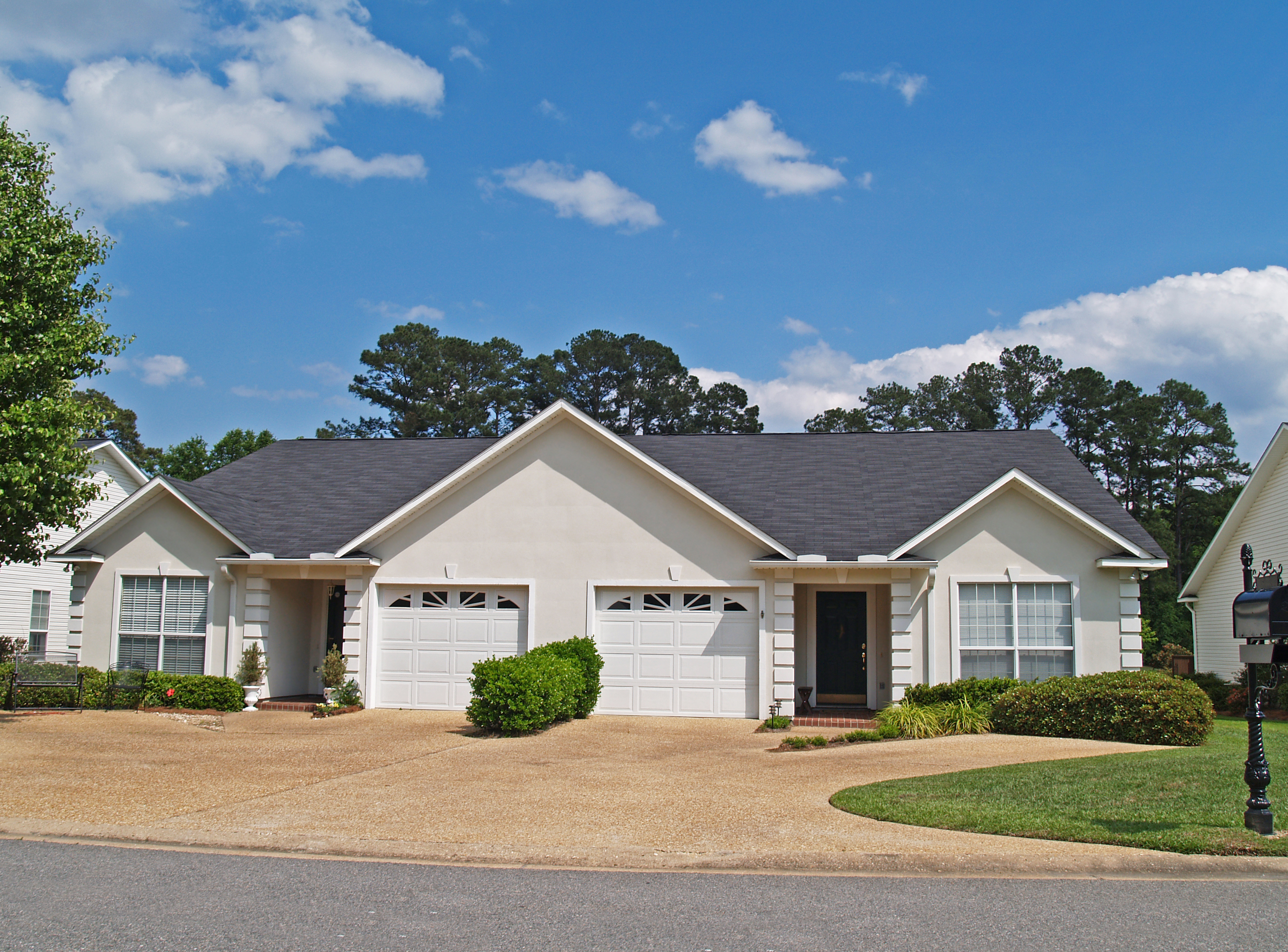
Homestead exemptions can make homeownership more affordable by reducing the portion of your home’s value that is taxed.
If you own and live in a home as your primary residence, you may qualify for a homestead exemption through your state or local taxing authority.
For many homeowners, that means lower annual property taxes.
In some states, homestead laws can also provide separate legal protections related to creditors or bankruptcy. Those protections are not the same as the property tax exemption, so it is important to understand which benefit your state offers.
| Topic |
What To Know |
| What it is |
A property tax benefit that reduces the taxable value of a primary residence |
| Who usually qualifies |
Homeowners who own and occupy the property as their primary residence |
| Main benefit |
Lower property taxes |
| Other possible benefit |
In some states, separate homestead laws may offer limited creditor protection |
| Where to apply |
Usually through your county tax assessor, tax commissioner, or property appraiser |
| Deadline |
Varies by state and county |
What Is A Homestead Exemption?
A homestead exemption is a legal tax benefit that reduces the taxable value of your primary home. Instead of paying property taxes on the full assessed value, you pay taxes on a lower amount.
Here is the basic idea. If your home is assessed at $300,000 and your jurisdiction offers a $50,000 homestead exemption, your taxes may be calculated on $250,000 instead of the full value. The exact savings depend on your local tax rate and the exemption rules where you live.
Homestead exemption rules vary widely. Some states offer a flat-dollar exemption. Others offer a percentage-based benefit or additional exemptions for seniors, veterans, or homeowners with disabilities.
How Homestead Exemptions Work
In most places, you must both own the home and use it as your primary residence. Vacation homes, rental properties, and second homes usually do not qualify.
The exemption reduces the taxable value used for property tax calculations. It does not usually reduce your home’s market value or appraised value for every purpose. It simply changes how much value is taxed under the applicable rules.
Many jurisdictions require an application. Others may continue the exemption automatically after approval unless your ownership or residency changes.
Who Qualifies For A Homestead Exemption?
Eligibility depends on local law, but the standard requirements usually include:
- You own the property
- You occupy it as your primary residence
- You meet any filing deadline that applies in your area
- You provide required identification or residency documents
Some states and counties also offer enhanced exemptions for specific groups, such as seniors, disabled homeowners, veterans, or surviving spouses. Those programs are often separate from the baseline exemption and may require additional documentation.
Homestead Exemption Examples By State
Texas
Texas provides a general residence homestead exemption that reduces the taxable value of a qualifying primary residence. For school districts, state law now requires a $140,000 residence homestead exemption. Additional local-option exemptions may also be available depending on the taxing unit.
Florida
Florida’s homestead exemption generally allows qualifying homeowners to receive up to a $50,000 exemption on a permanent residence. The first $25,000 applies to all property taxes, including school district taxes. The additional exemption applies to certain assessed value above that level and does not apply to school taxes in the same way. Applications are typically filed with the county property appraiser.
Georgia
Georgia offers a standard state homestead exemption of $2,000 for a qualifying primary residence, and many counties offer more generous local homestead exemptions. Homeowners usually file through the county tax commissioner or county tax assessor’s office.
How To Apply For A Homestead Exemption
The process varies, but it usually looks like this:
1. Confirm That The Home Is Your Primary Residence
Most jurisdictions require the property to be your principal place of residence, not an investment property or vacation home.
2. Gather Your Documents
You may need a deed, driver’s license, voter registration, utility bill, or other proof that the home is your permanent residence.
3. File With The Correct Local Office
Depending on where you live, that may be the county tax assessor, tax commissioner, or property appraiser.
4. Submit Before The Deadline
Filing windows vary. Missing the deadline can delay the benefit until the following tax year.
5. Check Whether Renewal Is Required
Some exemptions renew automatically. Others require updates if you move, retitle the property, or no longer qualify.
Can You Have More Than One Homestead Exemption?
Usually, no. A homestead exemption is generally limited to your primary residence, which means you normally cannot claim it on more than one property at the same time.
If you own multiple homes, the exemption usually applies only to the one you live in as your principal residence. State and local agencies may cross-check records to prevent duplicate claims.
Do Homestead Exemptions Protect You From Creditors?
Sometimes, but this is a separate legal issue from property tax relief. In some states, homestead laws may protect part of a home’s value from certain creditors or in bankruptcy. The scope of that protection depends on state law and the type of debt involved.
Because these rules can be highly state-specific, homeowners should not assume that a property tax homestead exemption automatically gives them broad asset protection.
The Bottom Line
A homestead exemption can reduce your property tax bill if you own and live in the home as your primary residence. The amount you can save, how you apply, and whether you must renew all depend on where you live.
The best next step is to check your county or state property tax office, confirm the deadline, and make sure you are receiving every exemption you qualify for.
Frequently Asked Questions About Homestead Exemptions
What Is The Main Benefit Of A Homestead Exemption?
The main benefit is lower property taxes because the exemption reduces the taxable value of your primary residence.
Can I Claim A Homestead Exemption On A Rental Property?
In most cases, no. Homestead exemptions are generally reserved for owner-occupied primary residences.
Do I Need To Reapply Every Year?
Sometimes. Some jurisdictions renew the exemption automatically, while others require updates or a new application under certain circumstances.
Where Do I File For A Homestead Exemption?
That depends on where you live, but it is often your county tax assessor, tax commissioner, or property appraiser.




.jpg?quality=80&width=150)




















.jpg?quality=80&width=800)







































































































.jpg?quality=80&width=800)

.jpg?quality=80&width=800)
















.jpg?quality=80&width=800)













.jpg?quality=80&width=800)
































.jpg?quality=80&width=800)