You can usually lock a mortgage rate for 30, 45 or 60 days. Some lenders offer longer rate locks, especially for new construction or loans with unusual timelines.
The right rate lock period depends on how long your loan is expected to take. A short lock may work for a clean file and fast closing. A longer lock may make sense if the timeline is less certain, the property is new construction or you want more protection against rising rates before closing.
A rate lock can protect you from rate increases while your loan is being processed, but it usually comes with conditions. If your application changes, your lock expires or your closing is delayed, the original rate may no longer apply.
| Mortgage Rate Lock Basics |
What To Know |
| Common lock periods |
30, 45 or 60 days, with longer options available from some lenders. |
| Main purpose |
Protects your interest rate from rising before closing, if you meet the lock conditions. |
| What can affect the lock |
Application changes, missed deadlines, closing delays or an expired lock period. |
| Shorter lock |
May cost less, but gives you less time to close. |
| Longer lock |
May give more timing protection, but can cost more. |
What Is A Mortgage Rate Lock?
A mortgage rate lock is a lender’s agreement that your interest rate will not change before closing as long as you close within the lock period and there are no changes to your application.
The CFPB says a rate lock means your interest rate will not change between the offer and closing, as long as you close within the specified time frame and there are no changes to your application.
That protection matters because mortgage rates can change daily and sometimes more than once in a day. If your rate is locked, you have more certainty about the interest rate used to calculate your mortgage payment.
A rate lock does not freeze every part of the loan forever. If your loan amount, credit profile, property details, occupancy, loan program or closing timeline changes, the lender may need to revise the lock or reprice the loan.
How Long Do Mortgage Rate Locks Usually Last?
The CFPB says rate locks are typically available for 30, 45 or 60 days, and sometimes longer.
The most common lock periods are tied to expected closing timelines. A refinance or simple purchase may fit within a 30-day lock. A standard purchase may need 45 days. A more complicated file or slower closing process may need 60 days or more.
| Lock Period |
Typical Use |
General Cost Pattern |
| 30 days |
Faster purchase or refinance. |
Often the lowest-cost standard option. |
| 45 days |
Standard purchase timeline. |
Common middle-ground option. |
| 60 days |
Added buffer for underwriting, appraisal, title or closing delays. |
May cost more than shorter locks. |
| 90 days or longer |
New construction or unusual timelines. |
Often more expensive and lender-specific. |
How To Choose The Right Rate Lock Period
The best rate lock period is usually the shortest one that still gives you a realistic buffer to close on time.
A lock that is too short may expire before closing. A lock that is much longer than you need may cost more than necessary. Before choosing, ask your lender how long the current underwriting, appraisal, title and closing process is expected to take.
You should also consider the purchase contract deadline, appraisal timing, title work, document readiness and whether the loan has any unusual conditions.
When A Shorter Rate Lock May Make Sense
A shorter lock may make sense when:
- Your file is straightforward.
- The closing date is close.
- Your documents are already complete.
- The appraisal and title work are already moving quickly.
- You want to avoid paying more for extra time you may not need.
A shorter lock can work well when the loan is already far enough along that the closing timeline is reliable. It can be riskier if key items, such as the appraisal or title review, have not started.
When A Longer Rate Lock May Make Sense
A longer lock may make sense when:
- The transaction is more complex.
- The closing date could slip.
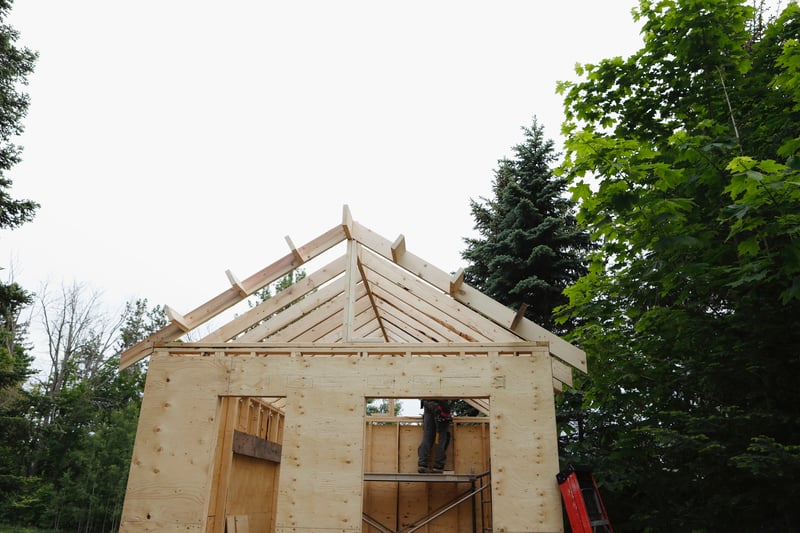
- You are buying new construction.
- The appraisal, title work or underwriting review may take longer.
- You want extra protection against rising rates.
- The lender’s timeline may be longer than average.
Longer locks are mainly about timeline protection. They can reduce the risk of needing an extension, but they may come with higher cost or less favorable pricing.
Do Longer Rate Locks Cost More?
Longer rate locks often cost more than shorter locks, but the pricing depends on the lender and the loan. Some lenders build the cost into the rate or points. Others charge an explicit fee for longer locks or lock extensions.
Many lenders offer a standard lock period without a separate upfront fee, but that does not mean every lock period has the same pricing. A 60-day lock may have different pricing than a 30-day lock, even if the difference is not shown as a separate line-item fee.
Ask your lender to explain the cost of each lock option in writing before you choose. Compare the rate, points, fees and expiration date, not just the lock length.
What Happens If Your Rate Lock Expires?
If your mortgage rate lock expires before the loan closes, you may need to pay for an extension, accept current market pricing or re-lock under new terms.
The CFPB warns that extending a rate lock may be expensive if the transaction needs more time.
Whether an extension is available, how much it costs and who pays for it depend on lender policy and the reason for the delay. If the delay is caused by missing documents or borrower-side issues, you may be more likely to pay. If the delay is caused by lender processing, the lender may handle it differently.
What Can Change A Mortgage Rate Lock?
A rate lock usually depends on the details of the application that were used to price the loan. If those details change, the lender may reprice the loan even if the lock period has not expired.
Common changes that can affect a rate lock include:
- A different loan amount.
- A lower appraised value.
- A change in credit score.
- A change in loan program.
- A change in property type.
- A change in occupancy.
- A change in debt-to-income ratio.
- Missing documents that delay closing past the lock expiration date.
Before locking, ask what changes could affect your rate, points or fees. Get the lock terms in writing and keep track of the expiration date.
What Is A Float-Down Option?
A float-down option is a lender feature that may let you lower your locked rate if market rates fall before closing. It is designed to give you some protection from rising rates while still allowing a potential benefit if rates drop.
Not all lenders offer float-down options. When they do, the feature may come with fees, limits, timing rules or a minimum required rate drop. Some float-downs can be used only once, and some must be requested before a specific deadline.
Ask about float-down options before you lock. If you wait until rates fall, you may find that the feature is not available or that you do not meet the lender’s conditions.
Should You Lock Or Float Your Mortgage Rate?
Locking means you accept the current rate and protect it through the lock period. Floating means you do not lock yet, so your rate can move up or down with the market.
Floating may help if rates fall, but it also exposes you to higher rates before closing. Locking may limit the benefit of a rate drop, but it gives you more certainty about the payment.
The decision usually depends on your closing timeline, budget, risk tolerance and how much a higher rate would affect affordability. If a higher rate would make the payment uncomfortable, locking may be the safer choice.
The Bottom Line
You can usually lock a mortgage rate for 30, 45 or 60 days, and some lenders offer longer lock periods. The right mortgage rate lock period is the one that matches your realistic closing timeline.
A shorter lock can cost less, but it creates more expiration risk. A longer lock can reduce that risk, but it may cost more. In most cases, the best answer is the shortest lock that still gives you enough time to close comfortably.
Frequently Asked Questions
How Long Can You Lock A Mortgage Rate?
Mortgage rate locks are typically available for 30, 45 or 60 days, and some lenders offer longer periods. The right length depends on your expected closing timeline.
Can You Lock A Mortgage Rate For 90 Days Or Longer?
Yes. Some lenders offer 90-day or longer rate locks, especially for new construction or more complex transactions. Longer locks are lender-specific and may cost more.
Do Longer Rate Locks Cost More?
Often, yes. Longer locks may come with a higher cost, different pricing or an extension fee if the loan does not close on time. Ask your lender to explain the pricing in writing.
What Happens If My Rate Lock Expires?
You may need to pay for an extension, accept current market pricing or re-lock under new terms. The options depend on lender policy and the reason the loan did not close before the lock expired.
Can I Get A Lower Rate If Rates Fall After I Lock?
Possibly, but usually only if your lender offers a float-down option or another repricing feature. These options are lender-specific and may come with fees or conditions.
When Should I Lock My Mortgage Rate?
Many borrowers lock after they have a purchase contract and a realistic closing date. You may also lock during a refinance once the lender can estimate the timeline. The key is choosing a lock period that matches the expected closing schedule.
Can My Locked Rate Change Before Closing?
Yes, in some cases. If your application changes, the appraisal comes in lower than expected, your credit profile changes or the lock expires, the lender may need to revise the pricing.




.jpg?quality=80&width=150)




















.jpg?quality=80&width=800)














































































































.jpg?quality=80&width=800)