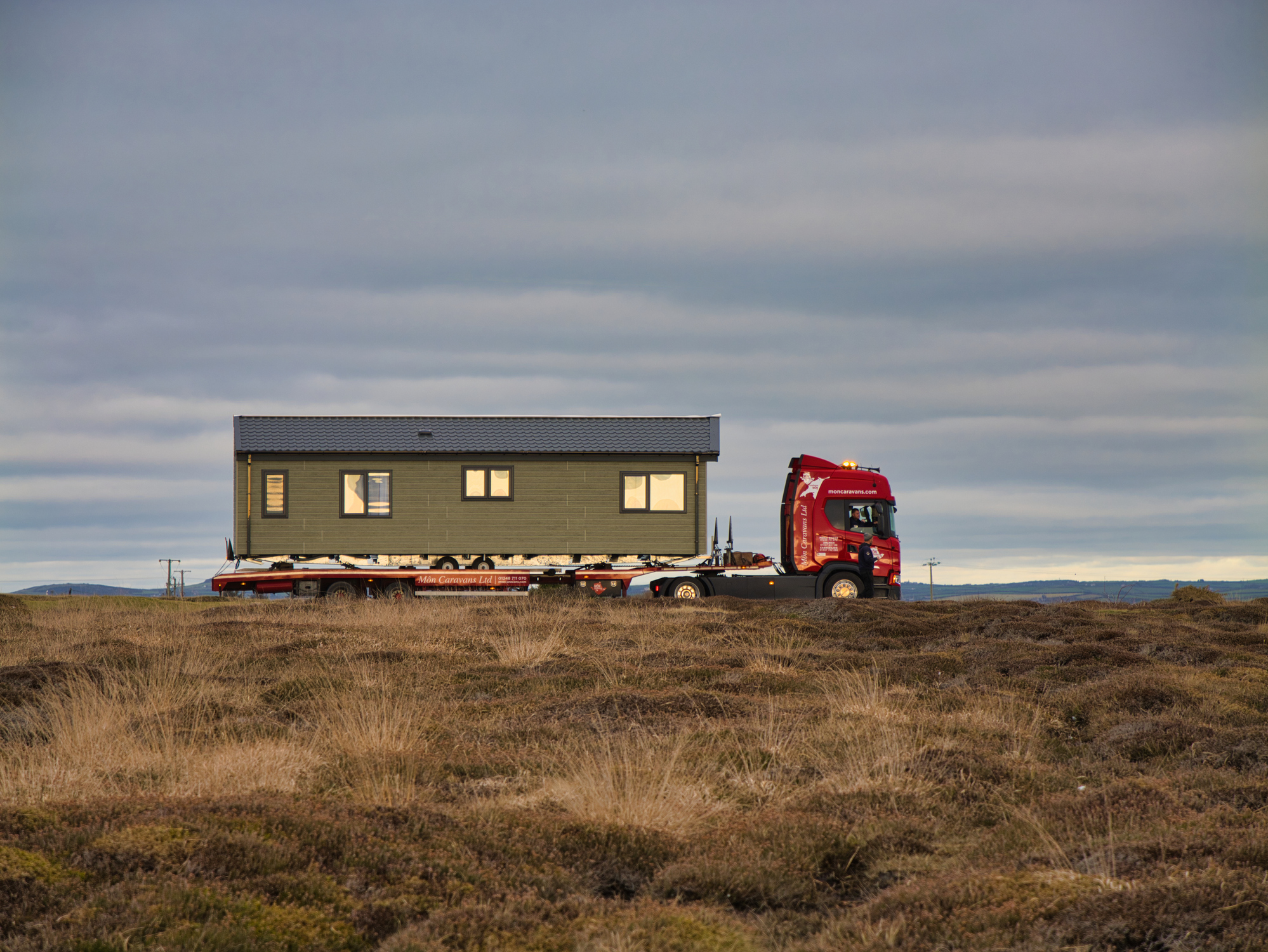
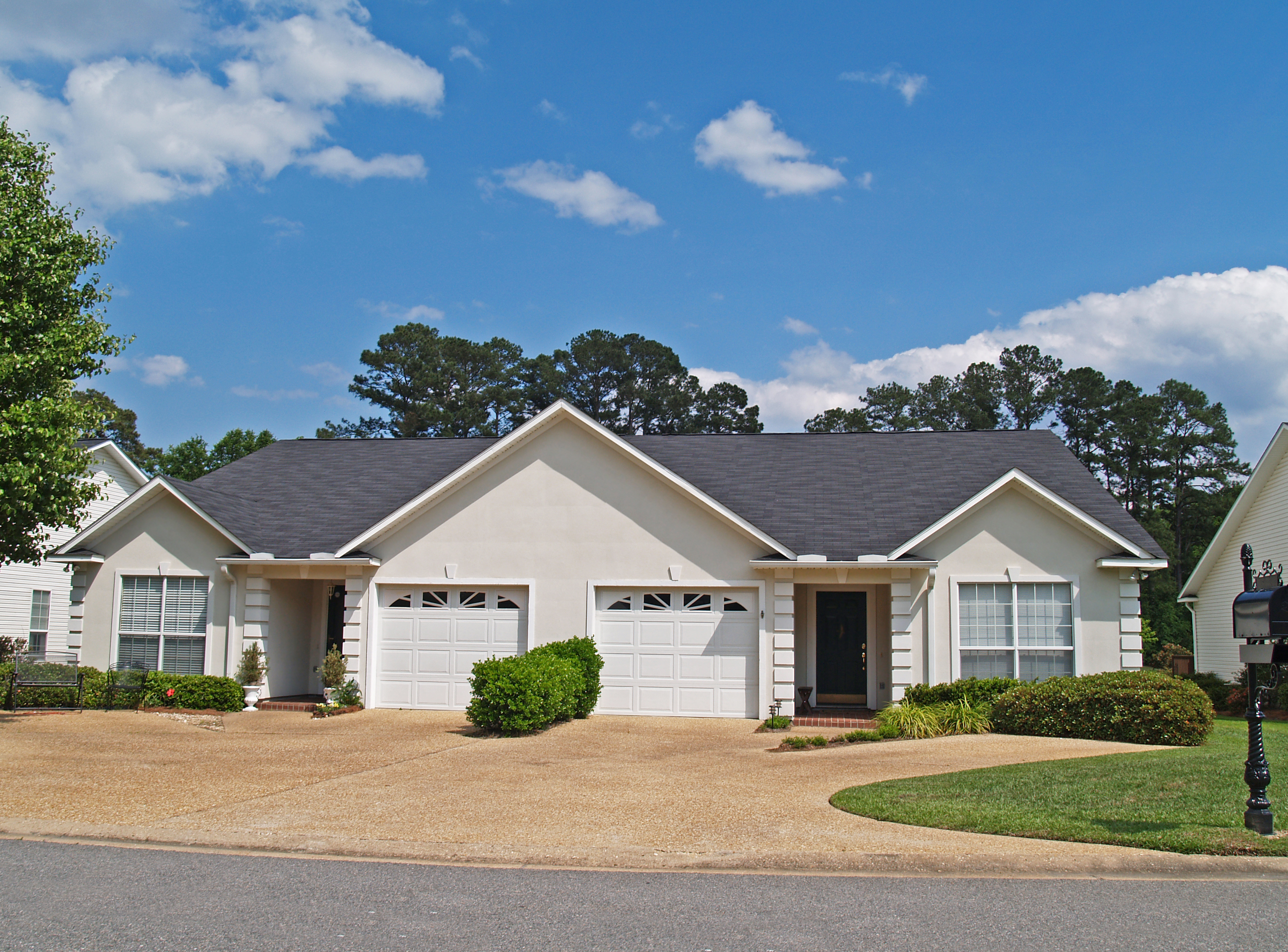
Manufactured homes give buyers a lower-cost path to homeownership, but the loan file is more complicated than a standard site-built purchase. The lender has to approve you as a borrower and confirm that the home itself is eligible collateral.
That second part is where manufactured-home loans get more technical. A lender will look for proof that the home was built to HUD standards, permanently installed, properly titled and legally usable as a residence. If one of those pieces is missing, the loan type can change quickly.
A manufactured home is not the same as a modular home. Manufactured homes are built to federal HUD construction and safety standards, built on a permanent chassis and regulated through HUD’s manufactured housing program. HUD says manufactured homes are dwelling units of at least 320 square feet, and all transportable sections built after June 15, 1976, must include a certification label.
Conventional, FHA, VA and USDA loans all have manufactured-home financing paths. The common blocker is not the word “manufactured.” It is whether the home, land, title, foundation and documents fit the loan program.
Manufactured Home Loan Requirements Basics
| Requirement |
What It Means |
Why It Matters |
| HUD Code Construction |
The home must be built to federal manufactured-home construction and safety standards. |
Homes built before the HUD Code took effect on June 15, 1976, are treated differently by many mortgage programs. |
| HUD Labels And Data Plate |
Each transportable section should have a HUD certification label, and the home should have a HUD data plate. |
Missing proof of HUD compliance can delay approval or require replacement documentation. |
| Permanent Foundation |
The home must be attached to an acceptable foundation for most mortgage programs. |
A weak or undocumented foundation can block conventional, FHA, VA or USDA mortgage financing. |
| Real Property Status |
The home and land are treated as real estate under state law. |
Real-property status is a core requirement for many manufactured-home mortgages. |
| Land Ownership Or Eligible Site Rights |
You either own the land or have a leasehold arrangement the loan program accepts. |
Leased land usually narrows your options and can push the loan toward chattel financing. |
| Borrower Qualification |
The lender reviews your finances and ability to repay the loan. |
The property can be eligible and still fail if your income, credit or debt profile does not meet program rules. |
What Is A Manufactured Home?
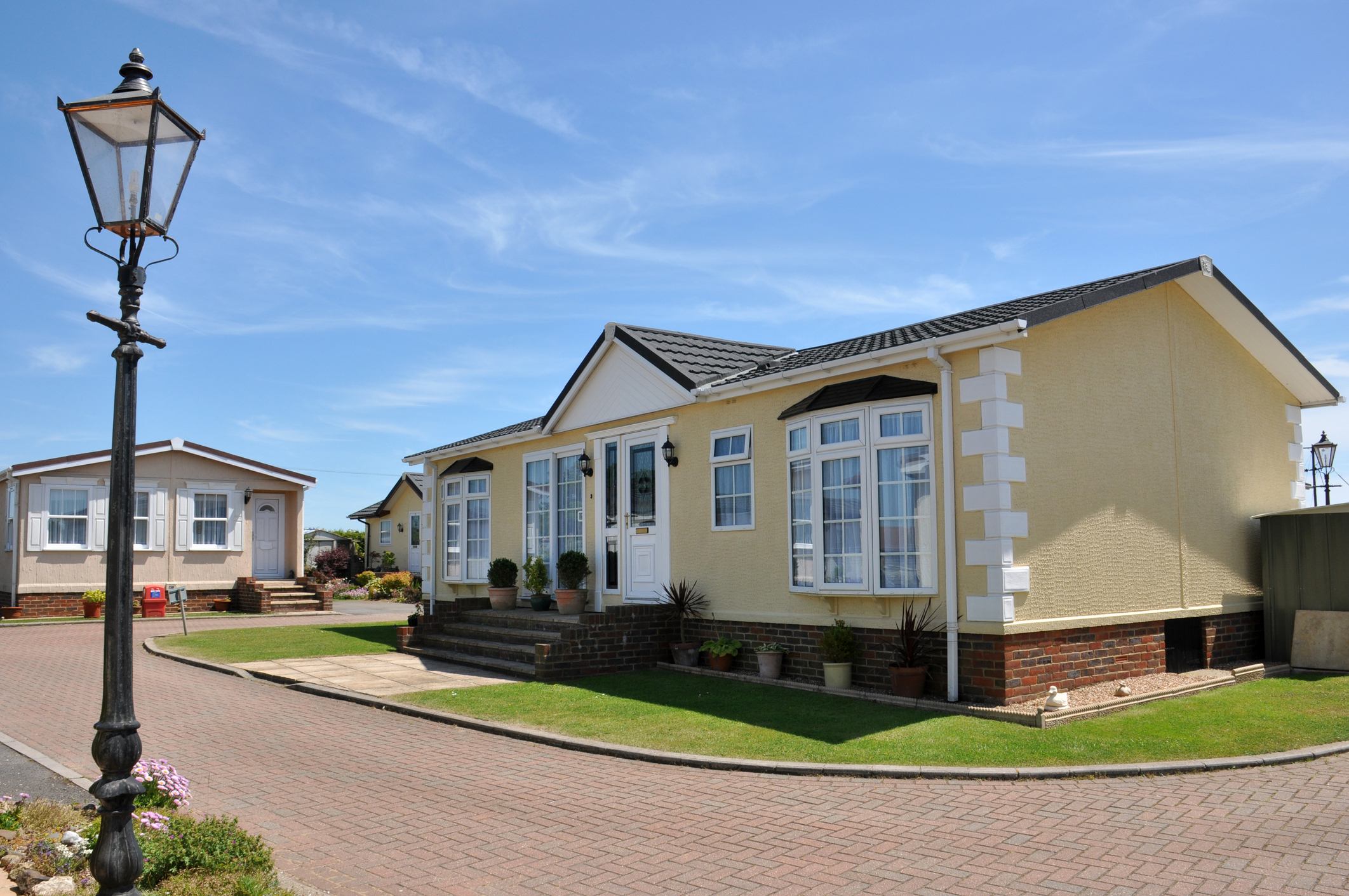
A manufactured home is a factory-built home constructed to federal manufactured-home construction and safety standards. HUD describes manufactured homes as dwelling units of at least 320 square feet that are built on a permanent chassis so the home can be transported before installation.
Fannie Mae, one of the government-sponsored enterprises that buys mortgages from lenders and sets many conventional loan guidelines, defines a manufactured home as a dwelling built on a permanent chassis, attached to a permanent foundation system and evidenced by a HUD data plate or HUD certification labels for each section of the home.
The HUD label is not a cosmetic detail. It is the lender’s proof that the home was built under the federal manufactured-housing code. HUD says it does not reissue missing labels, but it can issue a Letter of Label Verification when it can locate the historical information for the home.
Manufactured Home vs. Modular Home vs. Mobile Home
The name a seller uses is not enough. Financing turns on how the home was built, which code applies and whether the home is eligible collateral for the loan program.
| Home Type |
How It Is Defined |
Financing Impact |
| Manufactured Home |
Built in a factory to the federal HUD Code and placed on a permanent chassis. |
Reviewed under manufactured-housing rules for HUD labels, title, foundation and property eligibility. |
| Modular Home |
Built in factory sections and assembled on-site under state or local building codes. |
Generally financed more like a site-built home once it is permanently installed. |
| Mobile Home |
An informal term often used for older factory-built homes, especially homes built before the HUD Code took effect. |
Older mobile homes are harder to finance with a standard mortgage if they lack HUD Code documentation. |
A modular home can look almost identical to a manufactured home after installation. The difference is the building code. Manufactured homes are built to the HUD Code. Modular homes are built to state or local code.
How Manufactured Home Financing Works
The first financing question is whether the home is real property or personal property.
A manufactured home titled as real property is legally tied to land, similar to a site-built house. The lender records a mortgage or deed of trust against the real estate. This structure is the cleaner path for conventional, FHA, VA and USDA manufactured-home mortgages.
A home titled as personal property is financed more like a movable asset. This is where chattel loans come in. A chattel loan can finance the home itself, but it does not finance the land beneath it.
The difference is not just paperwork. The CFPB says whether the homeowner owns the land plays a key role in whether a manufactured home is titled as personal property or real property, and that distinction has major implications for cost and security of tenure.
Common Manufactured Home Loan Requirements
HUD Certification Labels And Data Plate
Start with the labels. A HUD certification label is the metal plate attached to each transportable section of the home. The data plate is usually inside the home and lists identifying details such as the manufacturer, serial number, date of manufacture and design information.
A missing label does not automatically kill the loan, but it creates a documentation problem. HUD does not reissue certification labels. When HUD can locate the home’s records, it can issue a Letter of Label Verification instead.
Permanent Foundation
For many mortgage programs, the home has to be permanently attached to a foundation that meets program standards. The lender may ask for a foundation inspection or certification from a licensed engineer or registered architect.
This is one of the fastest ways a manufactured-home loan gets stuck. A home that sits on blocks, has undocumented additions or lacks foundation certification can fail the property review even when the borrower qualifies financially.
HUD’s Permanent Foundations Guide for Manufactured Housing is the foundation reference used in many manufactured-home financing reviews. The guide addresses support and anchorage requirements for permanent foundations.
Real Property Classification
Traditional mortgage financing usually requires the manufactured home and land to be classified as real property. That means the home is permanently attached to the land and titled in a way that treats it as real estate under state law.
Freddie Mac, another government-sponsored enterprise that buys mortgages from lenders and sets many conventional loan guidelines, requires manufactured homes to be titled as real property and permanently affixed to a foundation for its standard manufactured-home mortgage eligibility.
If the title stays personal property, the borrower loses the cleaner conventional mortgage route. The file usually shifts to chattel financing, a lender-specific program or another structure built for home-only loans.
Land Ownership Or Site Rights
Owning the land gives the lender a simpler collateral package: the home and land together. That structure lines up better with a traditional mortgage.
Leased land is more restrictive. Some programs allow specific leasehold arrangements, but the lease has to be long enough and strong enough to satisfy the lender. The lender will review whether you have the legal right to keep the home on the site and what happens if the lease ends.
Age And Condition Of The Home
The June 15, 1976, HUD Code date matters. Homes built before that date are older mobile homes, not HUD-code manufactured homes under many mortgage definitions.
USDA has a specific age test for manufactured homes in its Single Family Housing Guaranteed Loan Program. USDA guidance says eligible manufactured homes include new units manufactured within 12 months of loan closing or existing units manufactured within 20 years of loan closing, subject to the rest of the program rules.
Condition still matters even when the home passes the age test. Major repairs, unsafe additions, missing permits or title defects can stop the loan until the issue is fixed.
Appraisal And Property Review
The appraiser estimates value and checks whether the property meets the loan program’s standards. For a manufactured home, the appraisal review is more specific than a standard site-built appraisal.
Comparable sales can be a problem. If there are few similar manufactured-home sales nearby, the appraiser has less market data to support the value. That can affect the appraised value, the loan amount and the borrower’s cash needed to close.
The lender also reviews whether the site is legally usable as a residence. That includes access, utilities, title, zoning and any health or safety issues tied to the property.
Borrower Credit, Income And Assets
You still have to qualify as a borrower. The lender reviews whether your income, debts and available funds support the loan payment.
For covered consumer mortgages, the CFPB’s ability-to-repay rule requires lenders to make a reasonable, good-faith determination that a borrower can repay the loan before the loan is made.
Manufactured-home eligibility does not replace borrower qualification. A well-documented home still needs a borrower who meets the program’s credit, income and debt requirements.
Types Of Manufactured Home Loans
The table gives the quick comparison. The sections below focus on the tradeoffs that matter when you choose a loan type.
| Loan Type |
Best Fit |
Main Constraint |
| Conventional Manufactured Home Loan |
Borrowers buying an eligible HUD-code home titled as real estate. |
The home must meet Fannie Mae or Freddie Mac manufactured-housing rules. |
| FHA Manufactured Home Loan |
Borrowers using FHA financing for an eligible manufactured home. |
FHA rules differ depending on whether the loan is Title I or Title II. |
| VA Manufactured Home Loan |
Eligible service members, veterans and surviving spouses. |
Not every VA lender offers manufactured-home financing. |
| USDA Manufactured Home Loan |
Eligible rural borrowers buying an eligible manufactured home. |
The borrower, home and location must all meet USDA rules. |
| Chattel Loan |
Borrowers financing the home only, especially on leased land. |
It is personal-property financing, not a traditional real estate mortgage. |
| Lender-Specific Or Portfolio Loan |
Borrowers whose file does not fit standard agency or government-backed rules. |
Pricing, documentation and property standards are set by the lender. |
Conventional Manufactured Home Loans
Conventional manufactured-home loans follow Fannie Mae or Freddie Mac rules when the lender plans to sell the loan to one of those government-sponsored enterprises.
Fannie Mae says it purchases eligible mortgage loans secured by manufactured housing titled as real estate through approved lender partners. Freddie Mac says a manufactured home must be titled as real property and permanently affixed to a foundation to be eligible for sale to Freddie Mac. That makes conventional financing a strong fit when the home is HUD-code, permanently installed and titled with the land as real estate. It is a poor fit when the home sits on leased land and remains personal property.
Some homes qualify for specialized conventional options. Fannie Mae offers MH Advantage for manufactured homes that meet added design standards, and Freddie Mac offers CHOICEHome for qualifying factory-built homes with features comparable to site-built homes.
FHA Manufactured Home Loans
FHA manufactured-home financing is not one single product. FHA has Title I manufactured-home financing and Title II mortgage financing for eligible manufactured homes treated as real estate.
Title I can finance a manufactured home, a lot or both under FHA’s manufactured-home loan program. HUD’s Title I manufactured-home loan parameters list nationwide loan limits of $105,532 for a single-section manufactured home loan, $193,719 for a multi-section manufactured home loan, $148,909 for a single-section manufactured home and lot combination loan, $237,096 for a multi-section manufactured home and lot combination loan, and $43,377 for a manufactured home lot loan. These limits apply to FHA case numbers assigned on or after March 29, 2024.
Title II is closer to a traditional FHA mortgage. The home generally needs to be permanently installed, treated as real property and eligible under FHA property standards. Title II loans are also subject to FHA’s forward mortgage limits, which update annually and vary by county. For 2026, HUD lists the national one-unit FHA forward mortgage floor at $541,287 and the high-cost-area ceiling at $1,249,125.
Do not treat those two FHA limits as interchangeable. Title I manufactured-home limits apply to FHA’s manufactured-home loan program. Title II forward mortgage limits apply to FHA mortgage loans secured by real estate.
VA Manufactured Home Loans
VA manufactured-home financing is available only through lenders that offer it. The VA guarantees a portion of eligible home loans made by private lenders, and the VA states that its home loan benefit helps eligible borrowers buy, build, repair, retain or adapt a home for personal occupancy.
The title review matters. VA guidance on manufactured or mobile home conveyance addresses the documents needed to provide clear and marketable title.
The borrower’s VA eligibility does not solve a property problem. A manufactured home still has to meet the lender’s VA manufactured-home requirements, and some VA lenders do not originate these loans.
USDA Manufactured Home Loans
USDA manufactured-home loans fit a narrower use case: eligible borrowers buying eligible homes in eligible rural areas. USDA’s Single Family Housing Guaranteed Loan Program supports low- and moderate-income households through approved lenders.
USDA’s current manufactured-home guidance is more specific than a general rural-housing explanation. It says eligible purchases can include the manufactured unit, transportation and set-up costs, subject to program standards. It also sets the 12-month standard for new units and the 20-year standard for existing units.
USDA can work well when the property is rural, the borrower meets income limits and the manufactured home fits the age and site rules. If the home is outside an eligible area or fails the manufactured-home property requirements, the USDA path closes.
Chattel Loans
A chattel loan finances the manufactured home as personal property rather than real estate. It is common when the buyer owns the home but leases the lot, such as in a manufactured-home community.
The benefit is access. A chattel loan can finance a home that does not fit a traditional mortgage because the land is not part of the collateral.
The tradeoff is structure. You are not getting a mortgage secured by real estate. Before signing, compare the interest rate, term length, fees, prepayment rules and what happens if you sell the home or move it to another site.
Lender-Specific Or Portfolio Loans
Some files do not fit conventional, FHA, VA or USDA rules. A lender-specific or portfolio loan is one possible path when the lender keeps the loan or applies its own manufactured-home guidelines.
This route can help with unusual homes, title issues, leased-land arrangements or borrower profiles outside standard agency rules. It also requires a closer read of the loan terms. Ask whether the home is financed as real property or personal property, how the lender secures the loan and which documents are required before closing.
Real Property vs. Personal Property Financing
A manufactured home titled as real property gives you access to more traditional mortgage options. The lender records its lien against real estate, and the home is treated more like a site-built house for financing.
A manufactured home titled as personal property points toward a chattel loan or another home-only product. That structure is common in manufactured-home communities where the buyer owns the home and leases the lot.
The distinction affects more than the loan name. It can change the available lenders, the loan term, the appraisal process, the consumer disclosures and the borrower’s security if the land arrangement changes.
Can You Buy A Manufactured Home Without Owning Land?
Yes. Buying a manufactured home without owning land is common in manufactured-home communities, but the financing path is different.
If you lease the lot, a chattel loan is usually the more direct option because the loan is secured by the home rather than the land. A traditional mortgage is harder to use because the lender cannot take a standard real estate lien against land you do not own.
Some mortgage programs allow leasehold structures, but the lease has to meet program and lender requirements. A short lease, unclear renewal rights or weak site protections can make the file ineligible.
How To Qualify For A Manufactured Home Loan
1. Confirm The Home Type
Ask whether the home is manufactured, modular or another type of factory-built housing. Then verify the answer with documents, not a listing description.
For a manufactured home, ask for the HUD certification labels, data plate, serial number and manufacturer information. For a modular home, ask for documentation showing the home was built to the applicable state or local building code.
2. Check How The Home Will Be Titled
Find out whether the home will be titled as real property or personal property after closing. This answer can determine whether you are shopping for a mortgage or a chattel loan.
If the home needs to be converted to real property, ask who handles the title surrender or conversion process, which local office is involved and whether the conversion must be complete before closing.
3. Review The Foundation And Installation
Ask for the installation documents and any foundation certification already completed. If there are additions, decks, enclosed rooms or other modifications, tell the lender early.
A moved home deserves extra attention. Some loan programs and lenders are restrictive when a manufactured home has been relocated after its original installation.
4. Compare Loan Programs
Compare the loan programs after you know the title status, land arrangement and home type. Starting with the loan program before confirming the property details can waste time.
For example, a buyer leasing a lot in a manufactured-home community should not assume a standard conventional mortgage is available. A buyer purchasing a permanently installed manufactured home with the land has a stronger path to mortgage financing.
5. Prepare Your Borrower Documents
Gather your income and asset documents before applying. Pay stubs, W-2s, tax returns, bank statements and proof of funds for closing are common starting points.
Self-employed borrowers should expect a closer review of business income and tax returns. Retirees or benefit-income borrowers should prepare award letters, account statements or other records showing the income is eligible and likely to continue.
6. Review The Site And Property Details
The site can stop the loan even when the home looks fine. The lender needs the property to be legal, accessible and usable as a residence.
For a home in a community, ask for the lot lease before you apply. For a home on private land, gather any available information about utilities, permits, access and property taxes.
What Makes Manufactured Home Approval Harder?
The most common blockers are missing HUD labels, personal-property title status, leased land, an unacceptable foundation and a lender that does not offer the manufactured-home loan type you need.
Older homes bring added friction. A home built before June 15, 1976, will not have been built under the HUD Code. A home that has been moved, modified or poorly documented can also create a harder appraisal and property review.
Approval also gets harder when the appraiser cannot find comparable manufactured-home sales. Weak comparable sales can lower the supported value or force a second review before closing.
The Bottom Line
Manufactured homes are financeable, but the details control the loan options. The strongest mortgage path usually starts with a HUD-code home that is permanently installed, properly documented and titled as real property with the land.
Conventional, FHA, VA and USDA programs all include manufactured-home financing paths. Each one has property rules that go beyond ordinary borrower qualification.
If the home is personal property, sits on leased land or lacks key documents, the loan path changes. A chattel loan or lender-specific program may still work, but it is a different form of financing than a mortgage secured by real estate.
Frequently Asked Questions
What Is A Manufactured Home Loan?
A manufactured home loan finances a factory-built home constructed to federal HUD manufactured-home standards. Depending on title and land ownership, it can be a mortgage secured by real estate or a personal-property loan secured by the home itself.
Can You Get A Mortgage On A Manufactured Home?
Yes. A manufactured home can qualify for a mortgage when the home, land, title, foundation and borrower meet the loan program’s requirements. Conventional, FHA, VA and USDA options all have manufactured-home financing paths through participating lenders.
What Is The Difference Between A Manufactured Home And A Modular Home?
A manufactured home is built to federal HUD manufactured-home standards and placed on a permanent chassis. A modular home is built in sections under state or local building codes and assembled on-site. Modular homes are generally financed more like site-built homes.
Can You Finance A Manufactured Home Without Land?
Yes. A chattel loan is the more common path when you buy the home but lease the land. Traditional mortgage options are more available when the home and land are treated together as real property.
Do Manufactured Homes Need A Permanent Foundation?
Many mortgage programs require a manufactured home to be permanently installed on an acceptable foundation. The lender may require a foundation inspection or engineer’s certification before approving the loan.
Can You Get A Conventional Loan For A Manufactured Home?
Yes, if the home and borrower meet conventional manufactured-housing requirements. Fannie Mae and Freddie Mac both allow certain manufactured-home loans when the home is eligible, permanently installed and titled as real property.
Can You Get An FHA Loan For A Manufactured Home?
FHA has manufactured-home financing options, including Title I financing and Title II mortgage financing for eligible homes. Title I has specific manufactured-home loan limits. Title II works more like a traditional FHA mortgage and follows FHA’s county-based forward mortgage limits.
Can You Get A VA Loan For A Manufactured Home?
Eligible service members, veterans and surviving spouses can use VA financing for manufactured homes through lenders that offer it. The home still has to meet VA, title, property and lender requirements.
Can You Get A USDA Loan For A Manufactured Home?
USDA manufactured-home loans are available for eligible borrowers and properties in qualifying rural areas. USDA guidance allows new manufactured units built within 12 months of loan closing and existing units built within 20 years of loan closing, subject to program rules.
What Is A Chattel Loan?
A chattel loan finances a manufactured home as personal property instead of real estate. It is commonly used when the borrower owns the home but leases the land beneath it.




.jpg?quality=80&width=150)
















.jpg?quality=80&width=800)



















































































.jpg?quality=80&width=800)

.jpg?quality=80&width=800)








.jpg?quality=80&width=800)













.jpg?quality=80&width=800)