A manufactured home loan helps you buy or refinance a manufactured home, sometimes along with the land it sits on.
Your approval path depends on more than income and credit. It also depends on the home’s setup, including how it was built, titled, installed and legally classified.
A home that qualifies for a conventional loan or government-backed mortgage usually needs different property characteristics than a home financed as personal property on leased land.
Manufactured Home Loan Basics
| Category |
What It Means |
| What Counts As Manufactured |
A factory-built home built to the HUD Code, generally after June 15, 1976 |
| Main Financing Split |
Real-property mortgage vs. personal-property or chattel financing |
| Key Property Issues |
HUD labels, data plate, permanent foundation, title status and land ownership |
| Common Mortgage Options |
Conventional, FHA, VA and USDA loans when borrower and property rules are met |
| Common Alternative |
Chattel financing when the home is not titled as real estate |
Manufactured, Mobile And Modular Homes Are Not The Same
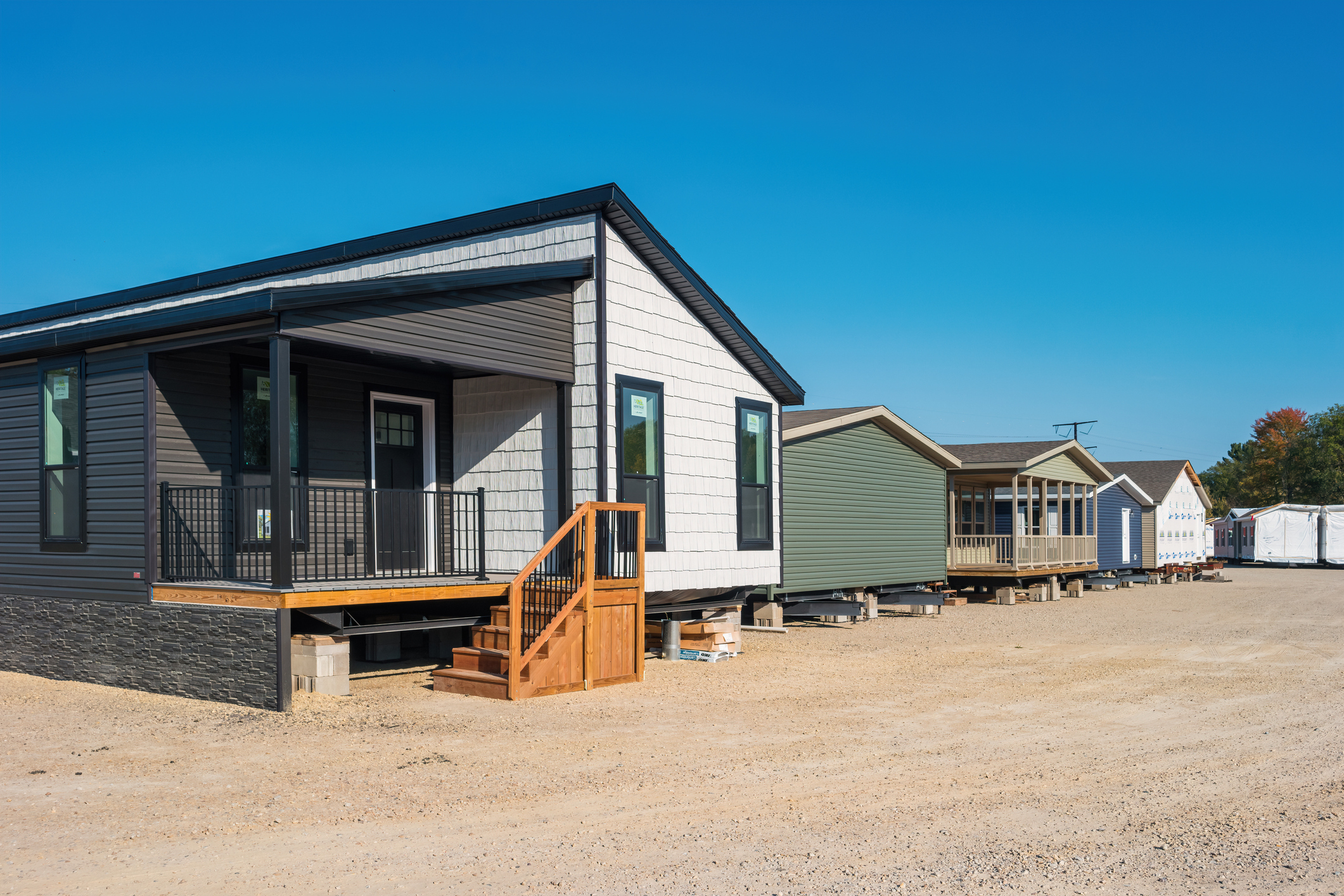
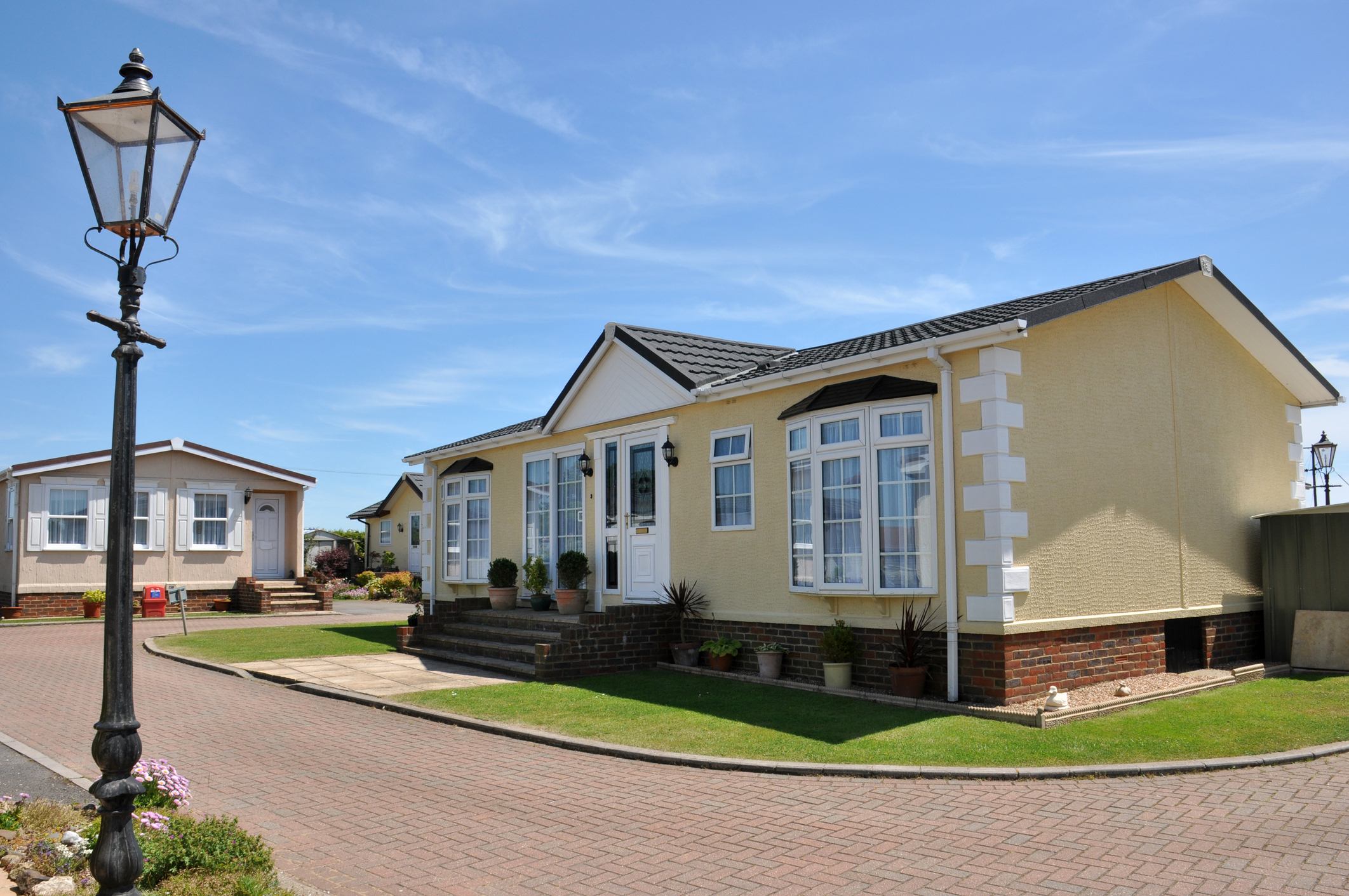
Manufactured homes are factory-built homes constructed to the federal HUD Code. HUD says all transportable sections of manufactured homes built in the U.S. after June 15, 1976, must have a certification label, often called a HUD tag. That label shows the home section was built in accordance with federal Manufactured Home Construction and Safety Standards.
Mobile homes generally refer to factory-built homes produced before the modern HUD manufactured housing standards took effect on June 15, 1976. These older homes can be harder to finance through mainstream mortgage channels because they may not meet current manufactured housing standards or investor rules.
Modular homes are different. They are also factory-built, but they are constructed to state and local building codes rather than the federal manufactured housing code. For mortgage purposes, modular homes are usually reviewed differently from manufactured homes.
Main Types Of Manufactured Home Financing
The biggest financing question is whether the home is treated as real property or personal property. If the home is permanently affixed to land and legally classified as real property, it may be eligible for a standard-style mortgage.
If the home sits on leased land or remains titled as personal property, you may need home-only or chattel financing. That path can still work, but it is different from a standard mortgage and may come with different terms, pricing and consumer protections.
| Loan Type |
Typical Best Fit |
Main Requirement |
| Real-Property Mortgage |
Home and land financed together |
Permanent affixation and real-estate classification |
| Home-Only Or Chattel Financing |
Home on leased land or not converted to real property |
Personal-property financing instead of a standard mortgage |
| Construction Or Land-Home Package |
New installation or combined home-and-land purchase |
Program-specific property, builder, installation and land requirements |
Common Manufactured Home Loan Options
Conventional Manufactured Home Loans
A conventional manufactured home loan may be an option when the home meets agency property rules. Fannie Mae and Freddie Mac are government-sponsored enterprises that buy mortgages from lenders and set many conventional loan guidelines.
For Fannie Mae financing, the manufactured home and the land on which it sits must be legally classified as real property. Fannie Mae also treats modular, prefabricated, panelized and sectional housing separately from manufactured housing.
Freddie Mac requires an eligible manufactured home to be built on or after June 15, 1976, built on a permanent chassis in compliance with HUD Code, permanently affixed to a permanent foundation and classified as real property under state law.
FHA Manufactured Home Loans
An FHA loan may be available for certain manufactured homes when FHA property, borrower and installation requirements are met. FHA financing typically requires the manufactured home to meet HUD manufactured housing standards and be properly installed on an acceptable foundation.
VA Manufactured Home Loans
A VA loan may be available to eligible veterans, service members and qualifying surviving spouses buying or refinancing a manufactured home that meets VA and lender requirements. VA manufactured home financing can involve additional property, foundation, title and lender-overlay requirements.
USDA Manufactured Home Loans
A USDA loan may be available for eligible manufactured homes in eligible rural or suburban areas. USDA financing also has income, property-location and manufactured-home eligibility rules, so the property and borrower both have to fit the program.
Chattel Loans
A chattel loan finances the manufactured home as personal property rather than real estate. This may be the financing route when the home is on leased land, in a manufactured home community or not legally converted to real property.
Property Eligibility Matters As Much As Borrower Eligibility
Many borrowers focus first on credit score or down payment. Those matter, but manufactured home lending often turns on the property first.
Lenders commonly review HUD certification, the data plate, permanent foundation, real-property classification, title treatment, appraisal support and whether the land is owned, being purchased or leased.
If the home and land do not meet the required property standards, a borrower who otherwise looks strong may still need a different financing route.
Land, Title And Foundation Requirements
For many mainstream mortgage options, the home must be attached to a permanent foundation and legally treated as part of the real estate. In some states, that may mean surrendering the vehicle-style title and recording the home with the land in local real estate records.
For Fannie Mae loans, closing instructions must tell the closing agent to obtain the documentation needed to show the manufactured home is attached to a permanent foundation system on the land and becomes part of the real property.
Buyers should verify title, land and foundation status early because those details affect the loan type, appraisal, title work, insurance and closing timeline. Leased-land situations often point borrowers toward personal-property financing instead.
- Confirm the home has HUD labels or a reliable verification path
- Verify the build date and permanent installation status
- Check whether the home is titled as real property or personal property
- Confirm whether the land is owned, being purchased or leased
- Ask whether the lender requires an engineer’s foundation certification
- Confirm whether additions, porches or other improvements affect eligibility
Manufactured Home Loan vs. Chattel Loan
A manufactured home loan in the mortgage sense usually treats the home and land as real property. The mortgage is secured by the real estate, and the home is generally considered part of the land.
A chattel loan treats the home as personal property. The land may be leased, owned separately or not included in the loan at all. Chattel loans can be useful in some situations, but they are different from standard mortgages.
| Feature |
Real-Property Mortgage |
Chattel Loan |
| Collateral |
Home and land as real property |
Home as personal property |
| Land |
Usually owned or being purchased with the home |
May be leased or separate from the loan |
| Common Use |
Home and land meet mortgage property rules |
Home is not classified as real estate or sits on leased land |
How To Prepare Before Applying
Before applying for manufactured home financing, gather the information that shows what the home is, where it sits and how it is legally classified.
Useful documents may include:
- Sales contract or purchase agreement
- HUD certification label information
- Data plate or manufacturer information
- Title or ownership documents
- Land deed, lease or purchase contract
- Foundation or installation documentation
- Property tax and insurance information
- Appraisal or community information, if available
The Bottom Line
A manufactured home loan is a property-structure question as much as a borrower question. Once you know whether the home is real property or personal property, the financing path usually becomes much clearer.
If the home is built to HUD Code, properly identified, permanently installed and legally treated as real estate, conventional or government-backed mortgage options may be available. If the home is on leased land or remains personal property, chattel financing may be the more realistic route.
Frequently Asked Questions
What Is The Difference Between A Manufactured Home Loan And A Chattel Loan?
A manufactured home loan in the mortgage sense usually treats the home as real property with the land. A chattel loan treats the manufactured home as personal property and may not include the land.
Can You Finance A Manufactured Home On Leased Land?
Yes, but leased-land situations often point to home-only or chattel financing rather than a standard mortgage. Some programs may allow certain leasehold structures, but eligibility depends on the lender and loan program.
Why Do HUD Labels Matter?
HUD labels help confirm that a manufactured home was built to federal manufactured housing standards. Many lenders use HUD labels, the data plate or other verification methods to confirm the home’s eligibility.
Can Older Mobile Homes Qualify For Mainstream Financing?
It can be difficult. Homes built before June 15, 1976, generally predate the modern HUD manufactured housing standards and may not meet mainstream mortgage eligibility rules.
Can You Get A Conventional Loan For A Manufactured Home?
Yes, if the borrower and property meet conventional loan requirements. For manufactured homes, that usually means the home must meet agency property standards, be classified as real property and be properly installed.
Do Manufactured Homes Need A Permanent Foundation?
For many mainstream mortgage options, yes. Conventional and government-backed programs often require the home to be permanently affixed to an acceptable foundation and treated as part of the real estate.




.jpg?quality=80&width=150)
















.jpg?quality=80&width=800)


















































































.jpg?quality=80&width=800)

.jpg?quality=80&width=800)








.jpg?quality=80&width=800)













.jpg?quality=80&width=800)