Buying a home rarely requires a 20% down payment. While putting 20% down can help you avoid mortgage insurance and reduce your monthly payment, many buyers qualify with far less.
Depending on the loan program, minimum down payments can be 3% for some conventional loans, 3.5% for FHA loans and 0% for eligible VA and USDA loans.
The right down payment depends on your loan type, credit profile, available savings, monthly payment target and long-term financial goals.
Down Payment Basics
| Loan Type |
Minimum Down Payment |
What To Know |
| Conventional |
As low as 3% for some eligible borrowers. |
PMI is commonly required when the down payment is below 20%. |
| FHA |
3.5% with a credit score of 580 or higher. |
A 10% down payment applies for scores from 500 to 579, subject to lender requirements. |
| VA |
0% may be available for eligible borrowers. |
Available to eligible service members, veterans and certain surviving spouses. |
| USDA |
0% may be available for eligible borrowers. |
Income and property-location rules apply. |
Conventional 97% loan-to-value options can help eligible borrowers buy with 3% down through Fannie Mae programs, and Freddie Mac Home Possible also allows down payments as low as 3% for eligible borrowers. FHA allows 3.5% down for borrowers with credit scores of 580 or higher, subject to lender requirements. VA.gov notes that nearly 90% of VA-backed loans are made with no down payment, and USDA Rural Development’s guaranteed loan program supports eligible primary-residence purchases in eligible rural areas.
Understanding Down Payments
A down payment is the portion of a home’s purchase price you pay upfront at closing. For example, a 5% down payment on a $400,000 home would be $20,000.
Your down payment affects three major parts of your mortgage:
- Qualification: A larger down payment lowers the loan-to-value ratio, which may improve approval chances or pricing.
- Monthly payment: Borrowing less usually lowers your monthly principal and interest payment.
- Equity cushion: More upfront equity can provide a larger buffer if home values decline.
Mortgage lenders balance borrower risk, mortgage insurance rules and loan-program requirements when setting minimum down payment requirements.
Benefits Of a Larger Down Payment
A larger down payment may not be required, but it can offer several financial advantages.
- Avoiding PMI: Putting 20% down on a conventional loan usually avoids private mortgage insurance.
- Lower monthly payments: Borrowing less reduces your monthly mortgage payment.
- Lower total interest: A smaller loan balance can reduce the total interest you pay over time.
- More immediate equity: Higher initial equity can provide a financial cushion if property values decline.
Trade-Offs Of Smaller Down Payments
Lower down payments can make buying sooner possible, but they come with trade-offs.
| Potential Benefit |
Potential Trade-Off |
| You may be able to buy sooner instead of waiting longer to save 20%. |
A larger loan balance increases the monthly payment. |
| You can keep more savings available for emergencies, repairs and moving costs. |
Mortgage insurance or program fees may increase monthly costs. |
| You may avoid delaying your purchase while home prices or rents change. |
Equity grows more slowly early in the loan. |
For many buyers, paying mortgage insurance temporarily may be worth entering the housing market sooner. The right answer depends on your budget, savings, local housing market and timeline.
How To Bridge the Down Payment Gap
Buyers often combine several sources to reach their down payment goal.
Common sources include:
- Personal savings
- Family gift funds
- Employer housing benefits
- Down payment assistance grants
- State and local housing programs
- Proceeds from investments
Down payment assistance programs can include grants, forgivable loans or deferred second mortgages. These programs are commonly offered by state housing agencies, municipalities and nonprofit housing organizations.
Remember To Budget For Closing Costs
Down payments are not the only upfront cost of buying a home.
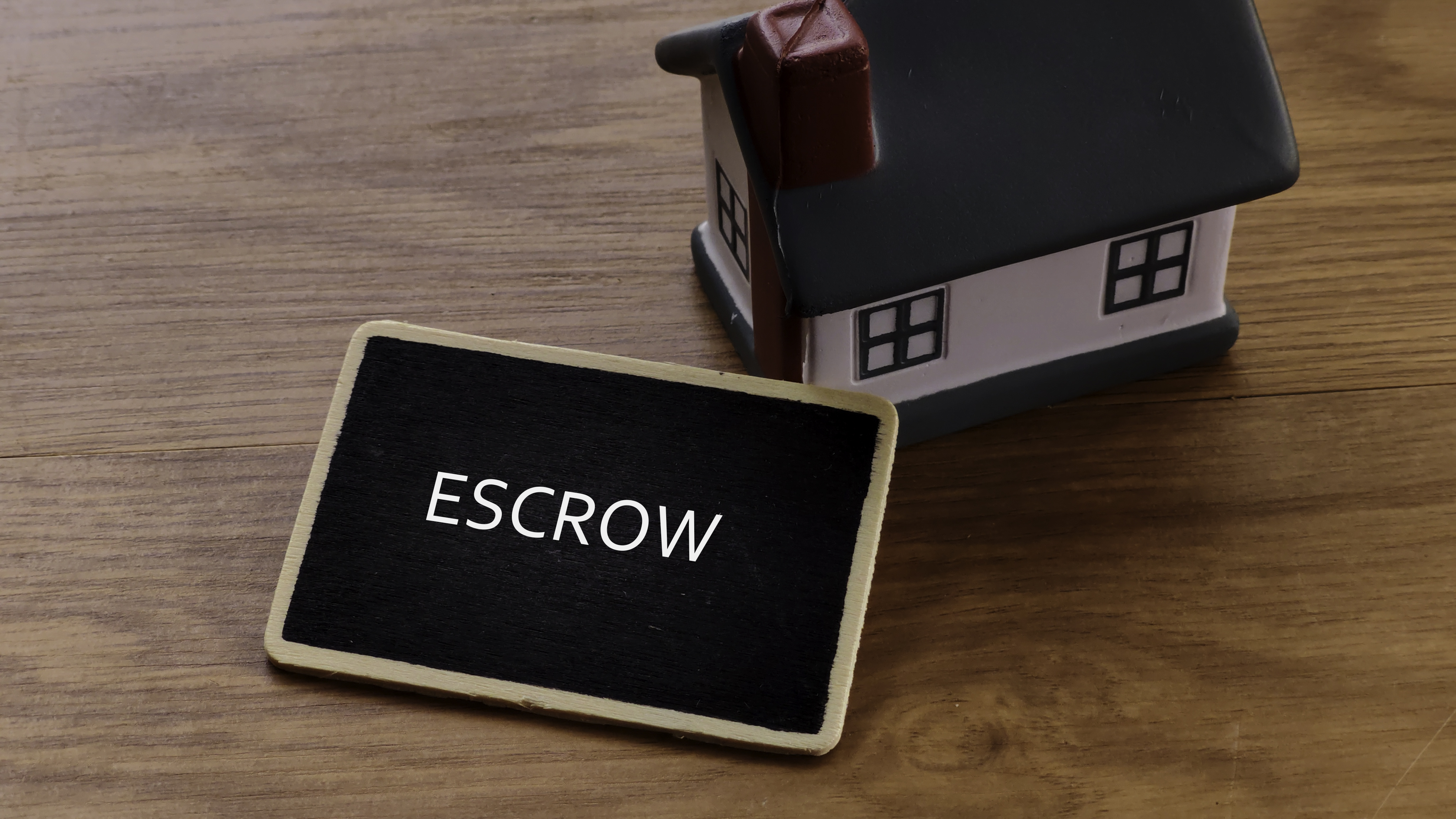
Closing costs are often a meaningful additional expense and can vary by location, loan type, lender fees, title charges, taxes, insurance and prepaid items. Common closing costs include appraisal fees, title and escrow services, loan origination fees, recording charges, prepaid taxes and homeowners insurance.
Planning for these costs helps avoid surprises during the final stages of the transaction. A smaller down payment may make sense if putting more down would leave you short on closing costs or emergency savings.
Planning Your Down Payment Strategy
Choosing the right down payment requires balancing affordability and financial safety.
Start by estimating your full monthly housing cost. That may include:
- Principal and interest
- Property taxes
- Homeowners insurance
- HOA dues, if applicable
- PMI, FHA mortgage insurance, USDA annual fees or other program costs
Next, protect your emergency fund. Maintaining several months of living expenses can be more important than maximizing your down payment.
Finally, think about your future options. For conventional loans covered by the Homeowners Protection Act, you may be able to request PMI cancellation when the mortgage balance reaches 80% of the home’s original value, if other requirements are met. Automatic termination may also apply later under the law.
Example: How Down Payment Size Changes the Loan Amount
The table below shows how different down payments affect the loan amount on a $400,000 home. This example is for educational purposes only and does not include interest rate, mortgage insurance, taxes, insurance, closing costs or other loan terms.
| Down Payment |
Cash Down |
Loan Amount |
| 3% |
$12,000 |
$388,000 |
| 3.5% |
$14,000 |
$386,000 |
| 5% |
$20,000 |
$380,000 |
| 10% |
$40,000 |
$360,000 |
| 20% |
$80,000 |
$320,000 |
The Bottom Line
You usually do not need a 20% down payment to buy a home. Many qualified buyers purchase homes with down payments between 3% and 10%, depending on their loan program and financial profile.
VA and USDA loans may allow eligible borrowers to buy with no down payment, while FHA and conventional loans offer low down payment options for many buyers. The best strategy balances your monthly payment, upfront cash, emergency savings and timeline for becoming a homeowner.
Frequently Asked Questions
What Is the Minimum Down Payment Required To Buy a Home?
Minimum down payments vary by loan program. Conventional loans can allow as little as 3% down for eligible borrowers, FHA loans may allow 3.5% down, and eligible VA and USDA loans may allow no down payment.
Do I Need 20% Down To Buy a House?
No. While 20% down can help you avoid private mortgage insurance on a conventional loan, many buyers qualify with smaller down payments.
Can I Buy a House With No Down Payment?
Yes, if you qualify for a no-down-payment loan program. VA and USDA loans may allow eligible borrowers to buy with no down payment, subject to program, lender and property requirements.
What Other Costs Should I Plan For Besides the Down Payment?
Buyers should also budget for closing costs, moving costs, initial repairs, furniture, utility setup and emergency savings. Closing costs vary by transaction and may include lender, title, escrow, appraisal, recording, tax and insurance costs.
Are There Assistance Programs For First-Time Buyers?
Yes. Many state and local housing agencies offer down payment assistance programs that may include grants, forgivable loans, deferred second mortgages or low-interest second mortgages.
Is It Better To Put 20% Down Or Buy With Less?
It depends on your savings, monthly payment target and financial goals. Putting 20% down can reduce monthly costs and avoid PMI on a conventional loan, but buying with less can help you keep cash available for closing costs, repairs and emergencies.



.jpg?quality=80&width=150)





















.jpg?quality=80&width=800)
































































































.jpg?quality=80&width=800)

.jpg?quality=80&width=800)













.jpg?quality=80&width=800)













.jpg?quality=80&width=800)






























.jpg?quality=80&width=800)