USDA loans can allow eligible buyers to purchase a primary residence with no down payment. The biggest restrictions are that the property must be in a USDA-eligible area and your household income must fall within the applicable program limit.
USDA Rural Development operates two main home-purchase programs. Section 502 Guaranteed loans are issued by approved private lenders and guaranteed by the USDA. Section 502 Direct loans are made directly by the USDA for qualifying low- and very-low-income households.
You can use the USDA loan calculator to estimate a payment using a loan amount, interest rate, taxes, homeowners insurance and USDA fees.
USDA Loan Basics
| Requirement |
USDA Guaranteed Loan Guideline |
| Down payment |
Generally 0% for an eligible purchase |
| Property location |
Must be in a USDA-eligible rural area |
| Income |
Adjusted household income cannot exceed the applicable moderate-income limit |
| Credit score |
No USDA-set minimum, though lenders or investors may establish one |
| Standard debt ratios |
29% housing expense and 41% total debt, with separate rules for qualifying exceptions |
| Loan term |
30-year fixed rate |
| Occupancy |
Must be a primary residence |
| Upfront guarantee fee |
1% of the loan amount |
| Annual fee |
0.35% of the average scheduled unpaid principal balance |
What Is a USDA Loan?
A USDA mortgage is a home loan offered through a USDA Rural Development housing program. The program most buyers encounter is the Section 502 Guaranteed Loan Program.
With a Guaranteed loan, an approved lender originates the mortgage and the USDA guarantees part of the loan against loss. Eligible buyers can finance up to 100% of the home's appraised value, subject to underwriting and program requirements.
USDA Guaranteed loans are not limited to first-time homebuyers. The home generally must be your primary residence and located within an eligible rural area.
Check If a Home Is USDA Eligible
Property location is one of the first requirements to check. USDA Guaranteed loans are available only in areas the agency classifies as eligible rural areas.
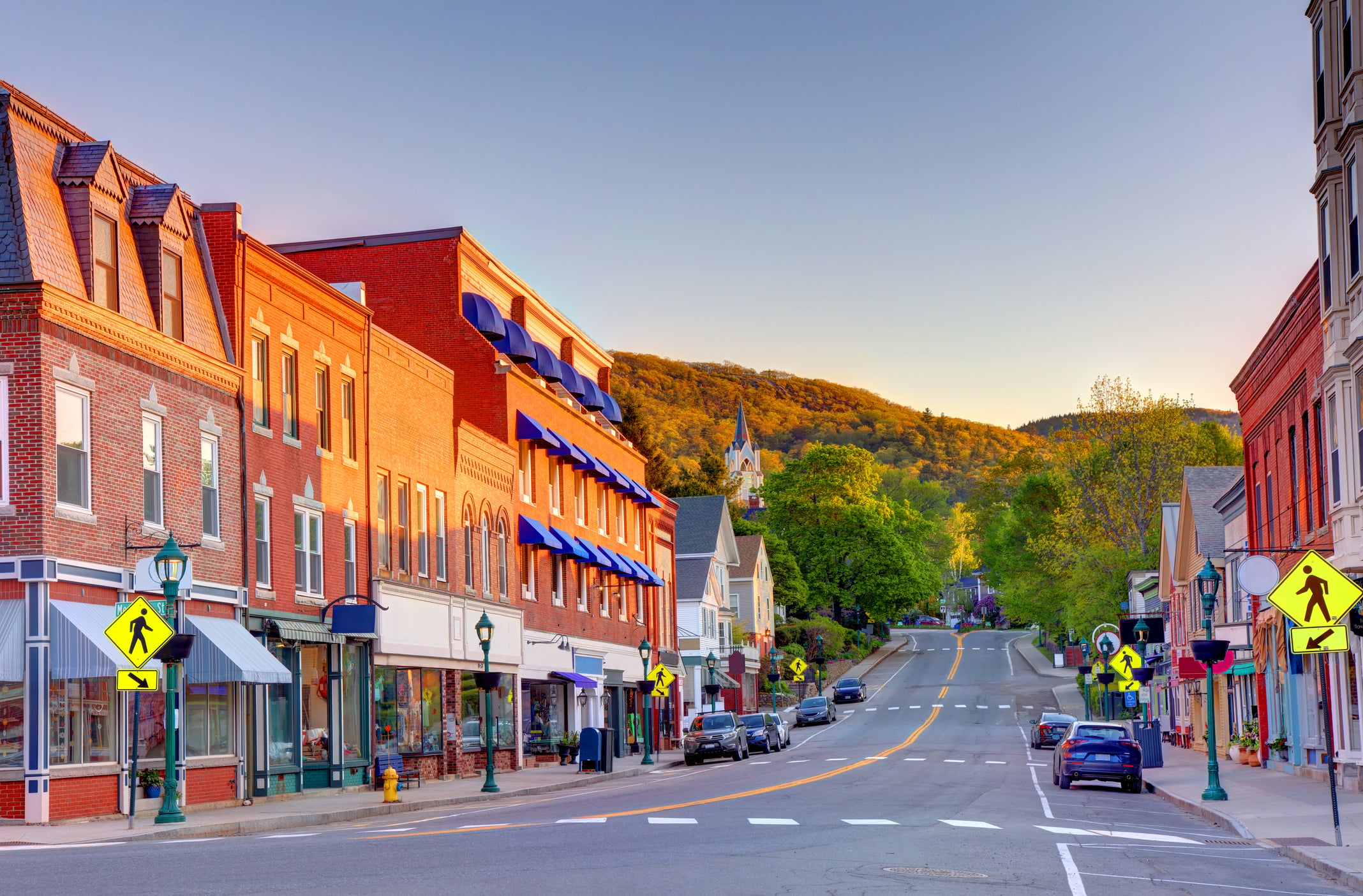
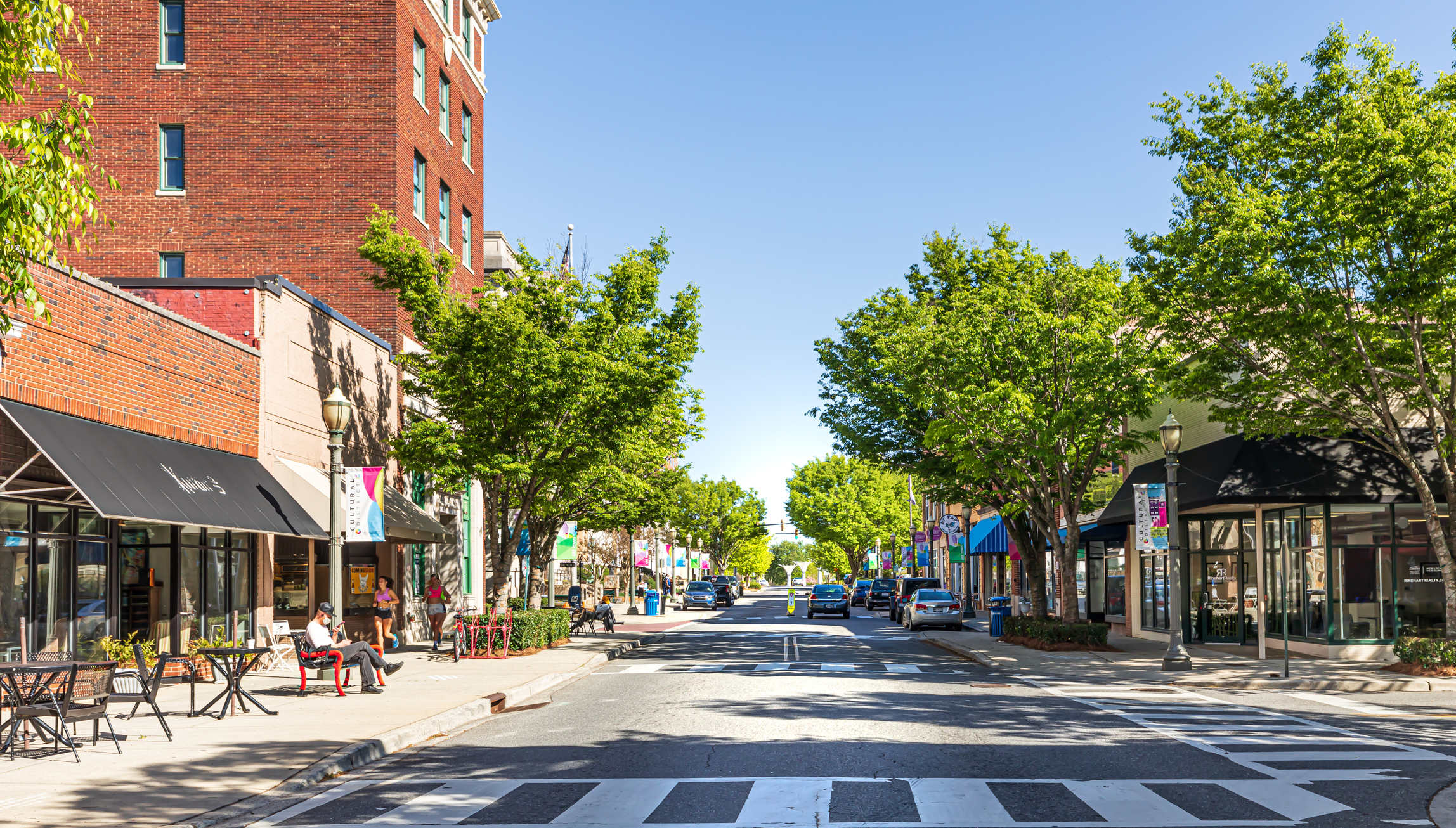
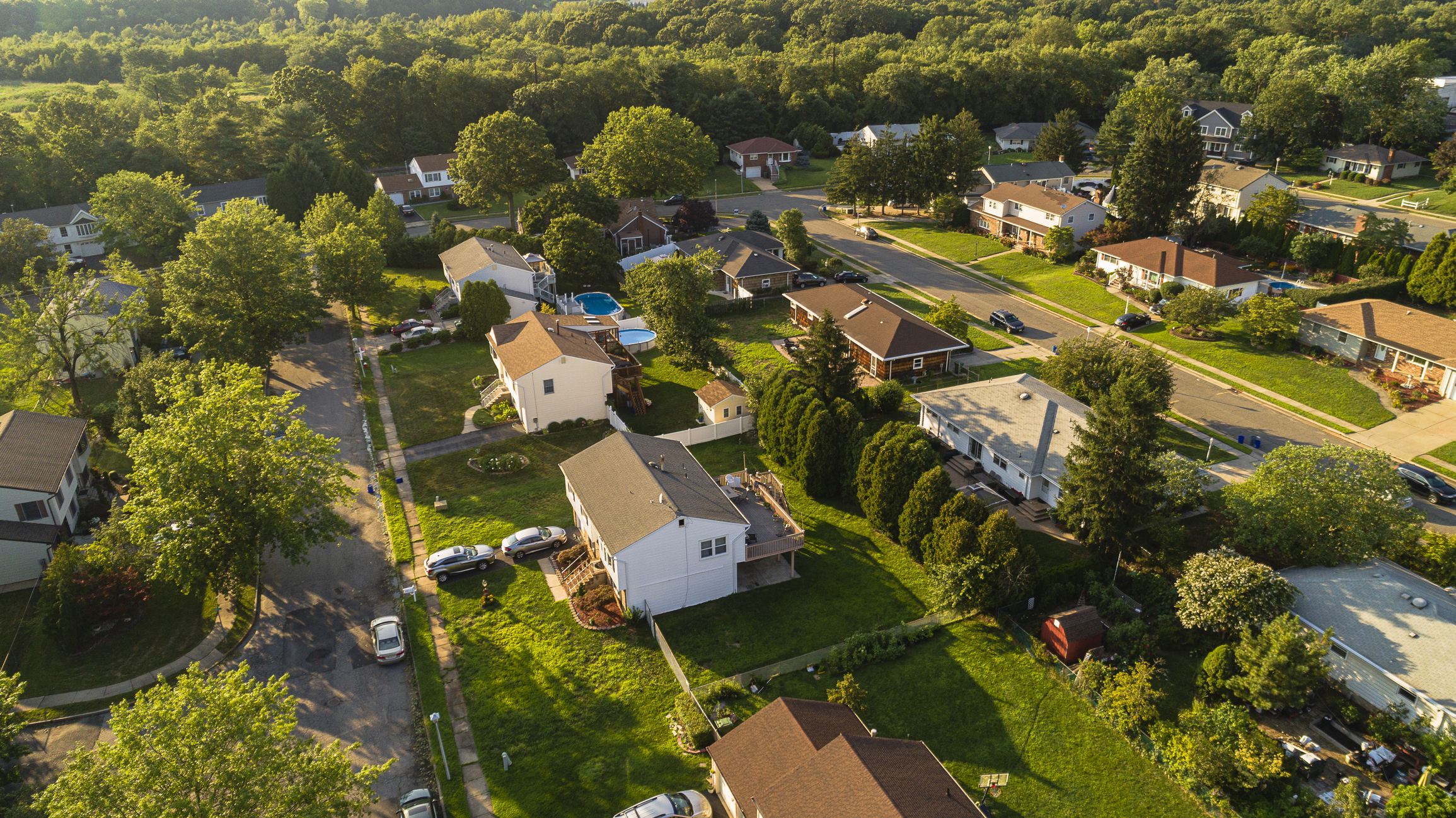
USDA's definition of an eligible area extends beyond remote farmland. Some small towns, communities outside larger cities and lower-density areas near metropolitan regions can qualify.
You can enter an address in the USDA Property Eligibility tool to check the agency's current map.
An address appearing eligible on the map does not by itself establish that the entire loan qualifies. Your household income, finances and the property must also satisfy the applicable USDA requirements.
USDA Loan Income Limits in 2026
USDA Guaranteed loans have household income limits. Your adjusted household income cannot exceed the applicable moderate-income limit for the area where you're buying.
The limit is tied to location and household size. USDA updated its Guaranteed Housing Program income limits for FY2026 effective July 13, 2026.
In many lower-cost areas, the 2026 moderate-income limit is $122,800 for households with one to four members and $162,100 for households with five to eight members. Limits can be higher in areas with higher local incomes, so the figure for the property location should be checked directly.
Household Income vs. Repayment Income
USDA uses income for more than one purpose. Household income is used to determine whether you fall within the program's income limit, while repayment income is the stable and dependable income used to determine whether you can afford the mortgage.
That distinction means income from an adult household member who will not be on the mortgage can still affect program eligibility even though that person's income may not be used to qualify for the monthly payment.
USDA Loan Credit Score Requirements
The USDA does not establish a minimum credit score for the Section 502 Guaranteed Loan Program. USDA requires applicants to demonstrate the willingness and ability to manage debt, while individual lenders or investors can establish their own minimum score requirements.
This distinction is useful when reviewing USDA credit score requirements. A lender's minimum score is an overlay rather than the USDA's national program minimum.
USDA can also accommodate qualifying applicants without a usable traditional credit score through alternative credit documentation. The exact documentation depends on how the loan is underwritten.
USDA Debt-to-Income Ratio Requirements
Your debt-to-income ratio, or DTI, compares qualifying monthly debts with the income used to repay the mortgage.
For USDA Guaranteed loans, the standard housing-expense ratio is 29% and the standard total-debt ratio is 41%. The housing calculation includes the mortgage principal and interest along with applicable taxes, insurance, USDA annual fee and certain other housing expenses.
The USDA DTI requirements also provide some flexibility. Loans receiving an Accept recommendation through the Guaranteed Underwriting System, or GUS, do not require a separate ratio waiver simply because the ratios exceed 29% and 41%.
Loans that receive a Refer or Refer with Caution recommendation, or that require certain manual underwriting, face more specific waiver requirements. USDA evaluates factors such as credit history, reserves and employment when an applicable waiver is requested.
USDA Property Requirements
The home must be in an eligible area, serve as your primary residence and meet USDA property requirements.
USDA describes eligible homes under the Guaranteed program as adequate, modest, decent, safe and sanitary. The property cannot be principally designed or used for income-producing purposes.
Eligible property types can include existing single-family homes, new construction, condominiums, planned unit developments, modular homes and some manufactured homes.
USDA Guaranteed financing can also include certain repairs and rehabilitation when they are part of an eligible home purchase.
USDA Loan Program Types
The two main USDA programs for buying a home are Section 502 Guaranteed and Section 502 Direct. They serve different income groups and use different application processes.
| Program |
Who Makes the Loan? |
General Income Focus |
Down Payment |
| Section 502 Guaranteed |
USDA-approved private lender |
Low- and moderate-income households within program limits |
Generally 0% |
| Section 502 Direct |
USDA Rural Development |
Low- and very-low-income households |
Typically 0%, although some applicants with assets may have to contribute funds |
USDA Guaranteed Loans
Section 502 Guaranteed loans are issued by approved lenders and backed in part by the USDA. The program permits 100% financing for qualifying borrowers buying eligible properties.
Guaranteed loans use a 30-year fixed interest rate. The interest rate is set by the lender rather than directly by the USDA.
USDA Direct Loans
Section 502 Direct loans are funded directly by USDA Rural Development and generally serve qualifying low- and very-low-income applicants who cannot obtain suitable financing from other sources.
Payment assistance can reduce the effective interest rate to as low as 1%. The standard repayment period can extend up to 33 years, while certain very-low-income applicants who cannot afford the payment on a 33-year loan may qualify for up to 38 years.
Direct loans use separate income limits, property limits and underwriting requirements from the Guaranteed program.
USDA Loan Fees
USDA Guaranteed loans do not use conventional private mortgage insurance. Instead, the program charges an upfront guarantee fee and an annual fee.
Upfront Guarantee Fee
The current upfront guarantee fee is 1% of the loan amount. The fee can be financed into the mortgage when the transaction meets USDA requirements.
Financing the fee can cause the final loan balance to exceed 100% of the home's appraised value.
Annual Fee
The current annual fee is 0.35% of the average scheduled unpaid principal balance. The annual charge is collected through monthly mortgage payments.
The amount generally declines over time as the scheduled loan balance falls.
Closing Costs and Seller Contributions
You can still have closing costs even when a USDA Guaranteed loan requires no down payment. Costs vary by transaction and can include lender charges, title services, appraisal costs, prepaid taxes, homeowners insurance and other eligible expenses.
For Guaranteed loans, interested parties such as the seller can contribute up to 6% of the sales price toward eligible costs under USDA rules.
Can You Use Gift Funds With a USDA Loan?
USDA Guaranteed loans permit eligible gift funds. The funds must be properly documented and must not create an undisclosed repayment obligation.
Gift funds can be useful for closing costs or other eligible expenses even when the mortgage itself does not require a down payment.
What Is the USDA Section 504 Home Repair Program?
The Section 504 Home Repair program is separate from USDA's home-purchase mortgage programs.
It provides loans to qualifying very-low-income rural homeowners to repair, improve or modernize an existing home or remove health and safety hazards. Grants are available to qualifying homeowners age 62 or older for health and safety hazards.
The standard maximum loan is $40,000 with a 20-year term and a fixed 1% interest rate. The standard grant limit is $10,000. Higher grant limits can apply to qualifying repairs in presidentially declared disaster areas.
How to Apply for a USDA Guaranteed Loan
Check the Property Location
Enter the property's address in the USDA eligibility map. A home outside an eligible area cannot qualify for the Section 502 Guaranteed program.
Check Household Income
Compare your household information with the USDA income limit for the property's location. Remember that USDA's household-income calculation can include income from adult household members who are not applying for the mortgage.
Document Income, Assets and Debts
The lender verifies the income being used to repay the loan along with your assets, debts and credit history. Documentation varies based on your employment, income sources and underwriting findings.
Complete Underwriting and the Property Review
Qualifying Guaranteed loans are evaluated through USDA's Guaranteed Underwriting System. The property must also meet appraisal and program requirements before the USDA can issue its loan guarantee.
The Bottom Line
USDA loans can eliminate the need for a down payment, but eligibility is narrower than with many other mortgage programs. For a USDA Guaranteed loan, the home must be in an eligible area, your household must meet the applicable income limit and the application must satisfy USDA and lender underwriting requirements.
USDA itself does not establish a minimum credit score for Guaranteed loans. The program instead evaluates your broader credit history and repayment ability, while lenders can establish stricter requirements of their own.
Frequently Asked Questions
What Areas Qualify for USDA Loans?
USDA Guaranteed loans are limited to properties within eligible rural areas established by the USDA. Eligibility can include some small towns and lower-density areas outside major cities. A specific address can be checked through the USDA Property Eligibility tool.
What Are the USDA Loan Income Limits for 2026?
Limits depend on household size and location. USDA's FY2026 tables use $122,800 for households of one to four and $162,100 for households of five to eight in many areas, while some areas have higher limits. USDA uses the applicable limit for the property's location to determine eligibility.
Is a Down Payment Required for a USDA Loan?
USDA Guaranteed loans generally allow eligible borrowers to finance 100% of the home's appraised value, so a down payment is not normally required. The financed upfront guarantee fee can increase the final loan balance beyond the appraised value.
What Credit Score Do You Need for a USDA Loan?
The USDA does not establish a minimum credit score for its Guaranteed Loan Program. An individual lender or investor can require a minimum score, so lender requirements can be stricter than the USDA program itself.
What Is the Maximum DTI for a USDA Loan?
The standard USDA Guaranteed-loan ratios are 29% for housing expenses and 41% for total debt. Those figures are not universal hard caps for every application. A GUS Accept recommendation can support higher ratios without a separate ratio waiver, while manually reviewed files and other GUS findings are subject to additional USDA requirements.
Do USDA Loans Have Mortgage Insurance?
USDA Guaranteed loans do not use conventional PMI or FHA MIP. They instead charge an upfront guarantee fee and an annual fee. The current upfront fee is 1%, and the annual fee is 0.35% of the average scheduled unpaid principal balance.
Can USDA Loans Be Refinanced?
Yes. USDA Guaranteed refinancing is generally limited to borrowers refinancing an existing USDA Direct or Guaranteed loan. USDA provides streamlined-assist, streamlined and non-streamlined refinance options with different underwriting and appraisal requirements.




.jpg?quality=80&width=150)