USDA loans can reduce one of the biggest barriers to buying a home: the down payment.
For eligible borrowers, the USDA Guaranteed Loan Program can allow 100% financing, which means the buyer may not need to make a down payment.
That does not mean every buyer or every home qualifies. The property must be in a USDA-eligible area, the home must be used as a primary residence and the borrower must meet income, credit and repayment requirements.
USDA Loan Down Payment Basics
| Question |
USDA Answer |
Important Detail |
| Is A Down Payment Required? |
No, not for eligible borrowers |
Closing costs and prepaid expenses may still be due |
| Can The Upfront Guarantee Fee Be Financed? |
Often, yes |
Financing the fee increases the loan balance |
| Does Location Matter? |
Yes |
The property must be in a USDA-eligible area |
| Do Income Limits Apply? |
Yes |
Household income limits vary by location and household size |
| Can It Be A Rental? |
No |
The home must be the borrower’s primary residence |
What is a USDA Loan?
A USDA loan is a mortgage connected to USDA rural housing programs. For many buyers, the most common option is the USDA Guaranteed Loan Program.
A USDA Guaranteed Loan is made by an approved lender and guaranteed by the USDA. A guarantee means the USDA agrees to cover part of the lender’s loss if an eligible loan defaults. In plain language, that backing helps approved lenders offer no-down-payment financing to eligible borrowers.
Do USDA Loans Require A Down Payment?
USDA loans don't require a down payment. The program can allow 100% financing, which means the mortgage can cover the full eligible purchase price.
A down payment is the portion of the purchase price you pay upfront instead of financing with the mortgage. With a USDA Guaranteed Loan, eligible borrowers may be able to finance the purchase without making that upfront down payment.
The catch is limited availability. USDA loans are subject to both geographic and income restrictions.
There are other low- and no-down payment loan options, however. A VA loan, for example, requires no down payment but also comes with narrow eligibility.
Can You Make A Down Payment On A USDA Loan?
Yes. A USDA loan doesn't require a down payment, but you can still choose to put money down.
A down payment can reduce the loan amount, lower the monthly payment and reduce total interest over time. It may also help if the borrower wants to keep the loan balance below a certain amount.
However, a down payment is not required for eligible USDA Guaranteed Loan borrowers. Some buyers may prefer to keep cash available for closing costs, moving expenses, repairs or emergency savings.
Why Zero Down Is Possible
Zero-down USDA financing is possible because the USDA guarantee reduces lender risk. When a loan has no down payment, the borrower starts with less equity in the home. Equity is the difference between the home’s value and the loan balance.
The guarantee helps approved lenders offer financing to eligible borrowers who may not have a large down payment saved but can afford the monthly payment and meet program requirements.
Costs Beyond The Down Payment
No down payment does not mean no money is needed at closing. Buyers may still need funds for closing costs, prepaid expenses, inspections and other transaction costs.
Closing costs are fees and charges paid to complete the mortgage and home purchase. Prepaid expenses are costs paid upfront for items that come due after closing, such as homeowners insurance, property taxes and prepaid interest.
Common costs beyond the down payment can include:
- Loan fees
- Title fees
- Recording fees
- Appraisal fee
- Home inspection fee
- Prepaid homeowners insurance
- Property tax escrows
- Prepaid interest
- USDA upfront guarantee fee
USDA Guarantee Fees
USDA Guaranteed Loans do not use private mortgage insurance, or PMI. PMI is insurance that protects a conventional mortgage lender if a borrower defaults. Instead, USDA Guaranteed Loans use guarantee fees.
The USDA Guaranteed Loan Program flyer lists an upfront guarantee fee of 1% and an annual fee of 0.35% of the unpaid principal balance. The unpaid principal balance is the loan amount that has not yet been repaid.
The upfront guarantee fee can often be financed into the loan. Financing the fee means adding it to the loan balance instead of paying it entirely out of pocket at closing. This can reduce cash needed upfront, but it increases the amount borrowed.
Example Of A USDA Loan With No Down Payment
Here is a simplified example of how a USDA loan can work with no down payment.
| Item |
Example Amount |
What It Means |
| Purchase Price |
$250,000 |
The agreed home price |
| Down Payment |
$0 |
Eligible USDA borrowers may not need one |
| Base Loan Amount |
$250,000 |
The loan amount before any financed guarantee fee |
| Upfront Guarantee Fee |
$2,500 |
1% of the loan amount |
| Loan Amount If Fee Is Financed |
$252,500 |
The fee is added to the mortgage balance |
This example does not include closing costs, prepaid expenses, interest rate, taxes, insurance or other required costs. Actual numbers depend on the property, lender, loan terms and transaction details.
Can Closing Costs Be Financed?
Some USDA closing costs may be financed when the appraised value is high enough to support the final loan amount and program rules are met. An appraised value is the value estimate provided by the appraiser.
Borrowers should not assume every closing cost can be rolled into the loan. The lender must confirm what is allowed, whether the property value supports it and whether the final loan meets USDA requirements.
Even with a no-down-payment loan, buyers should be prepared for some out-of-pocket costs unless the loan structure, seller credits or other eligible funds cover them.
Seller Credits And Gift Funds
Seller credits and gift funds may help cover closing costs and prepaid items. A seller credit is money the seller agrees to contribute toward eligible buyer costs. Gift funds are money from an eligible donor that does not have to be repaid.
The USDA Guaranteed Loan Program flyer says seller or interested-party contributions are allowable up to 6% of the sales price, and it lists no limit on gift funds, subject to program requirements.
Gift funds and seller credits must be documented and must follow USDA and lender rules. They generally cannot be used in a way that gives the borrower cash back beyond allowed limits.
Who Qualifies For A USDA Loan?
USDA eligibility starts with the borrower, household and property. The program is not available for every buyer or every home.
Borrowers generally must meet citizenship or eligible noncitizen requirements, use the home as a primary residence, show the ability to repay and meet lender credit standards.
The property must be in an eligible rural area. The USDA Guaranteed Loan Program page says applicants must agree to personally occupy the dwelling as their primary residence, be a U.S. citizen, U.S. non-citizen national or qualified alien, and demonstrate the willingness and ability to repay debt.
USDA Income Limits
USDA Guaranteed Loans have income limits. These limits vary by location and household size.
Household income is used to determine whether the household meets USDA income limits. Repayment income is the income used to qualify for the mortgage payment. In plain language, household income affects program eligibility, while repayment income affects whether the borrower can afford the loan.
USDA Property Eligibility
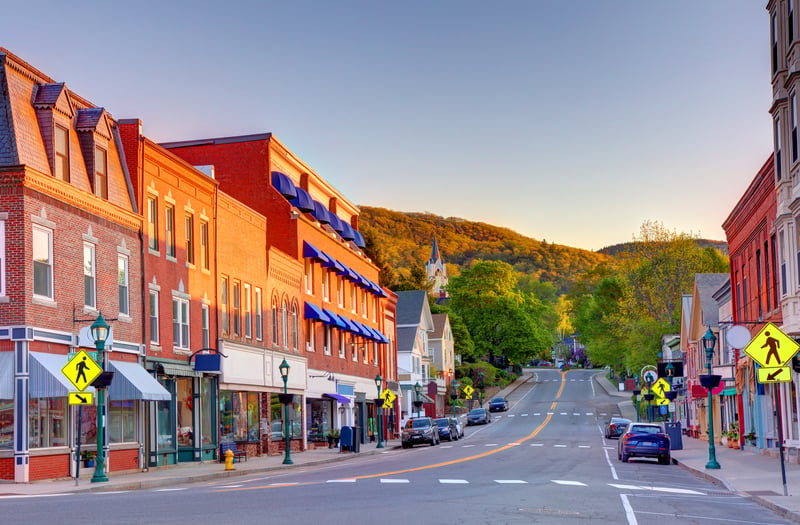
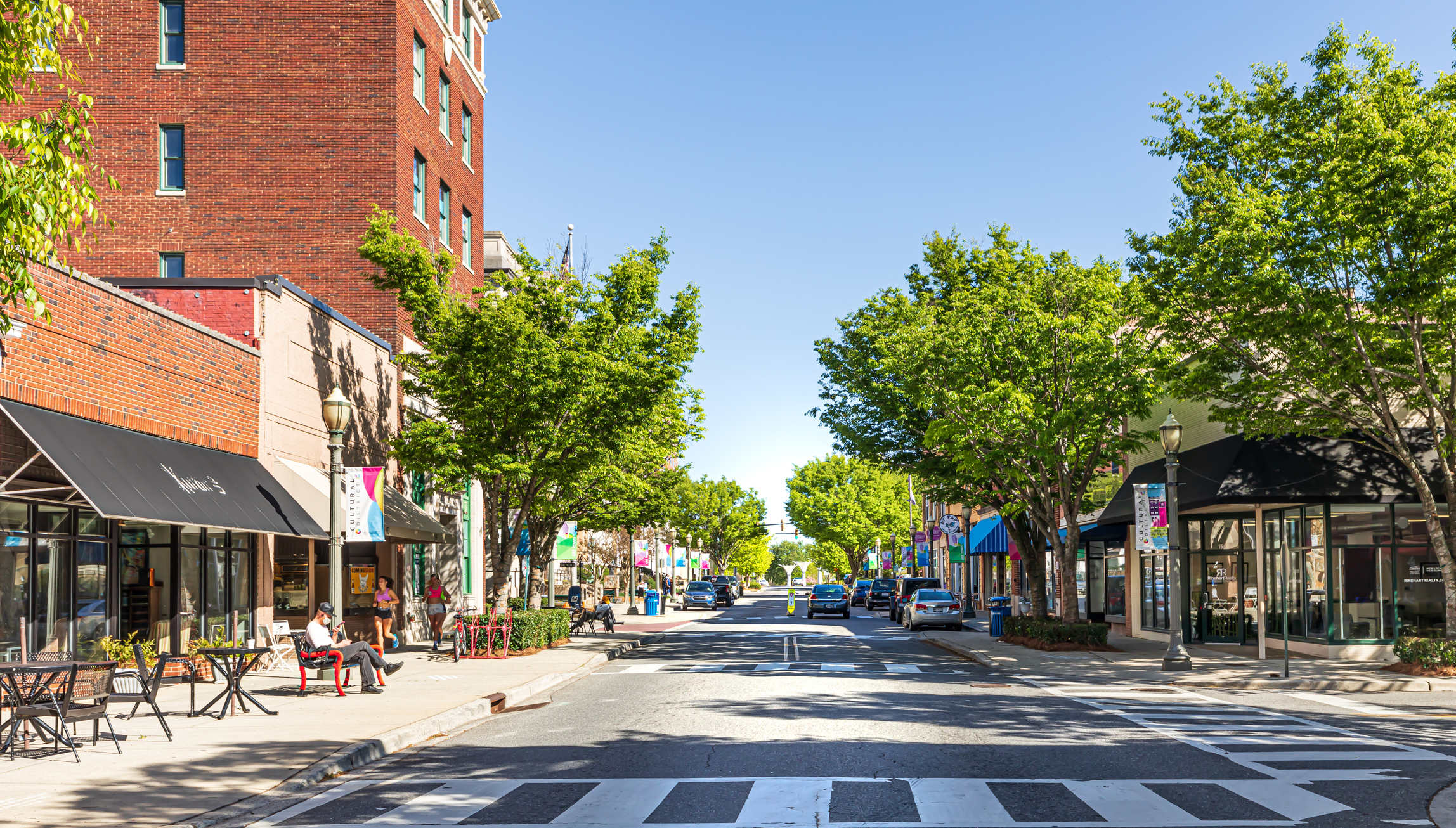
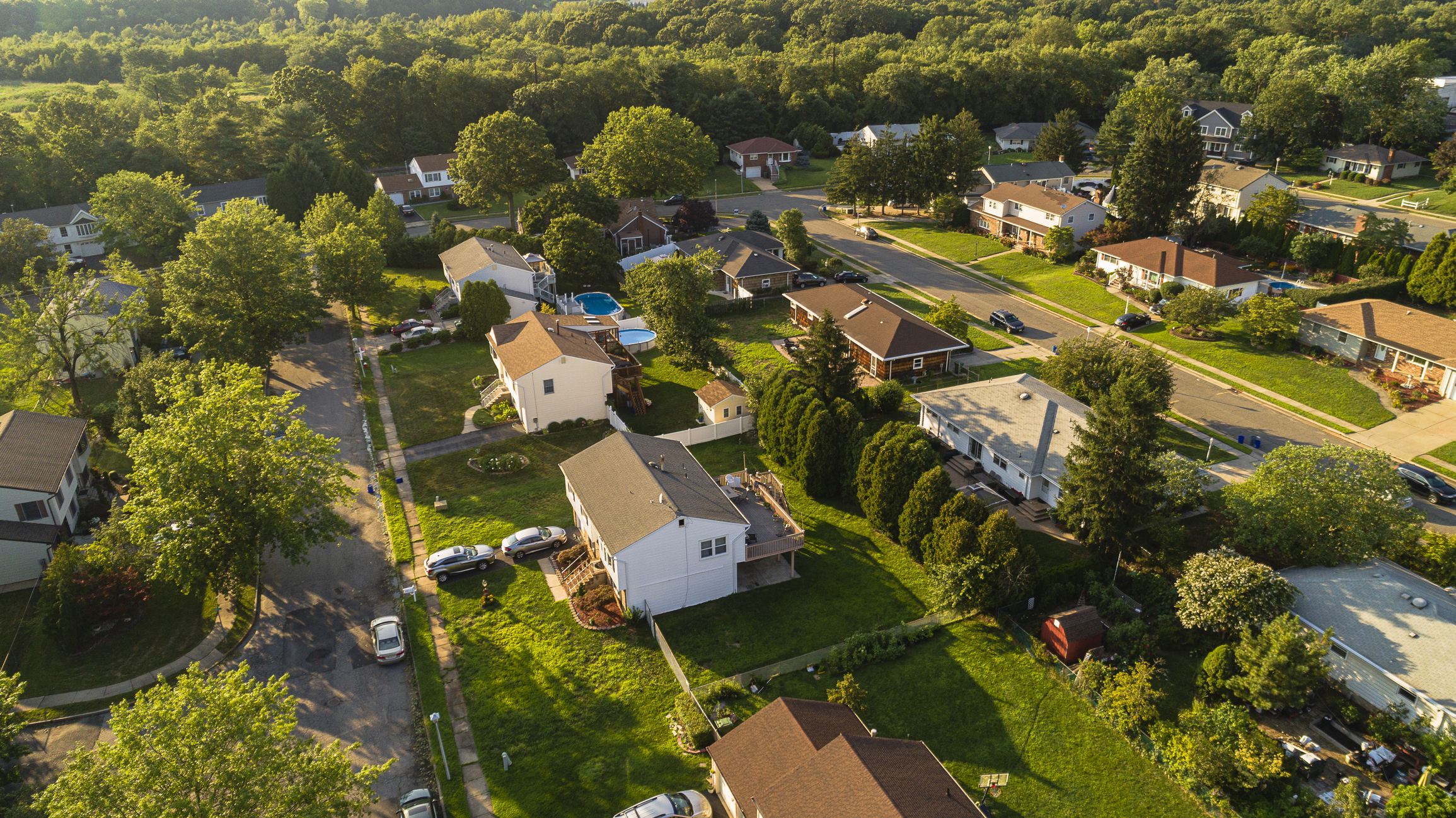
The property must be in a USDA-eligible area. USDA eligibility is not limited to farmland. Many small towns and some suburban areas may qualify, but the address must be checked.
The home must also meet USDA property requirements and be used as the borrower’s primary residence. A primary residence is the home the borrower lives in as their main home.
The USDA Guaranteed Loan Program is for eligible homes in eligible rural areas.
USDA Credit And Debt Requirements
A USDA loan may not require a down payment, but the borrower still has to qualify. Lenders review credit history, income, monthly debts and the borrower’s ability to repay the loan.
Debt-to-income ratio, or DTI, compares monthly debt payments with gross monthly income before taxes.
USDA does not publish one universal minimum credit score for the Guaranteed Loan Program, but lenders may set their own requirements. These lender-specific requirements are called overlays.
How To Check USDA Eligibility
Start with the property address and household income. If either one does not meet USDA rules, the loan may not be available for that purchase.
Steps to check USDA eligibility include:
- Confirm the property is in a USDA-eligible area
- Compare household income with the local USDA limit
- Review credit history and lender credit requirements
- Estimate debt-to-income ratio
- Estimate closing costs and prepaid expenses
- Confirm whether seller credits, gift funds or financed costs are allowed
USDA eligibility is address-specific and household-specific. A home that qualifies for one buyer may not work for another buyer if household income exceeds the applicable limit.
Alternatives If USDA Does Not Fit
If USDA does not work because of income, property location or loan requirements, other low down payment options may be available.
| Loan Type |
Potential Down Payment |
What To Know |
| FHA |
As low as 3.5% for many qualifying borrowers |
May allow more flexible credit standards, but mortgage insurance applies |
| VA |
No down payment may be required for eligible borrowers |
VA eligibility is required |
| Conventional 3% Down |
As low as 3% for eligible borrowers |
Private mortgage insurance may apply with less than 20% down |
FHA, VA and conventional loans have different eligibility rules, costs and property requirements. The right option depends on credit, income, location, military service eligibility, cash to close and the full monthly payment.
When A USDA Loan May Make Sense
A USDA loan may make sense when the buyer and property meet program rules and the borrower wants to reduce upfront cash needs.
USDA may be worth considering if:
- The home is in a USDA-eligible area
- Household income is within USDA limits
- The home will be used as a primary residence
- The buyer wants no-down-payment financing
- The full monthly payment fits the buyer’s budget
- The buyer can handle closing costs, prepaid expenses and fees
When USDA May Not Be The Best Fit
USDA may not be the best fit when the property or borrower does not meet program rules.
USDA may be less practical if:
- The property is not in an eligible area
- Household income exceeds USDA limits
- The buyer wants a second home or investment property
- The closing timeline cannot support the USDA process
- Another loan type offers a lower total cost
- The borrower prefers to avoid USDA guarantee fees
The Bottom Line
You may not need a down payment for a USDA loan if you qualify for the USDA Guaranteed Loan Program and the property is eligible. The program can allow 100% financing for eligible borrowers.
Still, zero down does not mean zero cost. Buyers should review closing costs, prepaid expenses, guarantee fees, income limits, property eligibility and monthly payment before relying on USDA financing.
Frequently Asked Questions
Can I Get A USDA Loan With No Down Payment?
Yes. Eligible USDA Guaranteed Loan borrowers may be able to finance 100% of the home purchase.
Does USDA Require Closing Costs?
Closing costs still apply. A USDA loan may allow no down payment, but buyers may still need funds for closing costs, prepaid expenses, inspections and other transaction costs.
Can USDA Closing Costs Be Rolled Into The Loan?
Some costs may be financed when program rules are met and the appraised value supports the final loan amount. The lender must confirm what can be included in the loan and what must be paid another way.
Does A USDA Loan Have PMI?
No. USDA Guaranteed Loans do not use private mortgage insurance. They use guarantee fees instead.
Is Every Rural Home USDA-Eligible?
No. The property must meet USDA location and property requirements. Some suburban areas qualify, and some rural properties may not. Buyers should check the exact property address before relying on USDA financing.
Can I Use A USDA Loan For An Investment Property?
No. USDA loans are for primary residences. A primary residence is the home the borrower lives in as their main home.
What Income Limit Applies To USDA Loans?
USDA income limits vary by location and household size. Household income is used to determine program eligibility, while repayment income is used to qualify for the mortgage payment. USDA publishes area-based guaranteed housing income limits.
Can I Make A Down Payment On A USDA Loan If I Want To?
Yes. A down payment is not required for eligible USDA Guaranteed Loan borrowers, but a borrower can choose to put money down. Doing so may reduce the loan amount, monthly payment and total interest.




.jpg?quality=80&width=150)