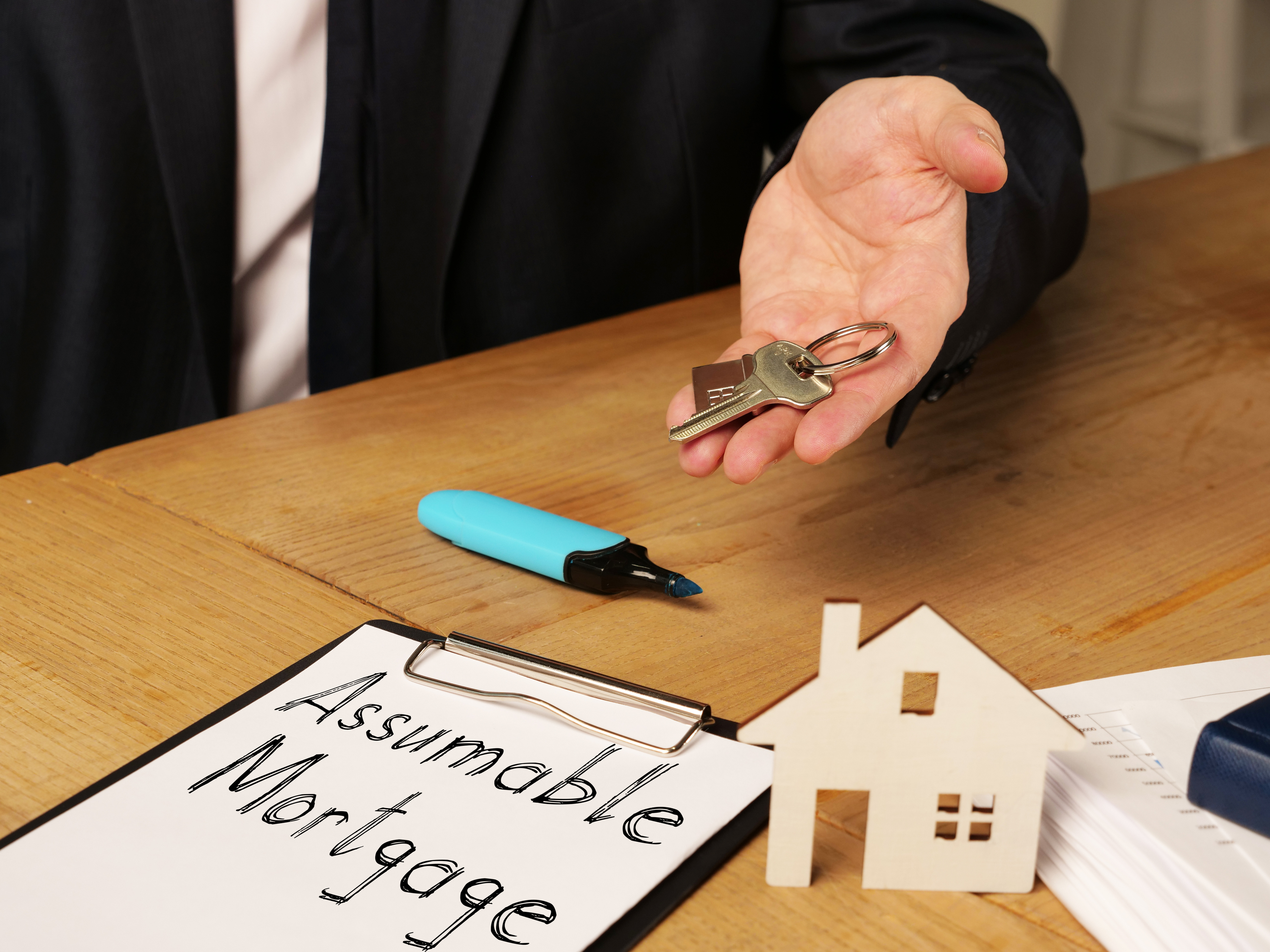
You’ll often hear it said that you need a 20% down payment to buy a home, but that isn’t actually required.
Low down payment mortgage programs can make homeownership possible without waiting years to save a full 20%.
Depending on eligibility, some programs allow down payments as low as 3%, and certain government-backed loans may allow 0% down.
But low down payments can come with tradeoffs: On a conventional loan, putting down less than 20% usually increases monthly costs through mortgage insurance or program fees.
Low Down Payment Mortgage Options
|
Loan Type
|
Minimum Down Payment
|
Mortgage Insurance
|
Key Eligibility Requirements
|
|
VA Loan
|
0% possible
|
No monthly PMI
|
Must be eligible veteran, service member, or surviving spouse
|
|
USDA Loan
|
0% possible
|
1% upfront fee and 0.35% annual fee
|
Must meet income limits and buy in eligible rural or suburban area
|
|
FHA Loan
|
3.5% with 580+ credit score
|
Upfront and annual mortgage insurance premium
|
Flexible credit guidelines
|
|
Conventional Loan
|
As low as 3% for some programs
|
PMI required under 20% down
|
Stronger credit generally improves pricing
|
Low Down Payment Mortgage Programs At A Glance
Some loan programs allow no down payment, but those programs also have stricter eligibility rules.
The most common options include:
- VA loans, available to eligible veterans, active-duty service members, and certain surviving spouses
- USDA loans, which have geographic and household income limits
If you do not qualify for those programs, FHA and conventional loans are the most common alternatives for low down payment home financing.
FHA loans may allow down payments as low as 3.5% depending on credit score and other underwriting factors. Conventional loans can allow down payments as low as 3% for certain eligible buyers, including many first-time homebuyers.
When borrowers make minimum down payments on FHA or conventional loans, mortgage insurance usually applies.
- FHA loans use mortgage insurance premiums (MIP), which often last for the life of the loan.
- Conventional loans use private mortgage insurance (PMI), which can typically be canceled once you build enough equity in the home.
Government-Backed Low Down Payment Loans
Government-backed mortgages include FHA, VA, and USDA loans. These programs involve government insurance or guarantees that reduce lender risk and allow lower down payments for eligible borrowers.
FHA Loans
An FHA loan is insured by the Federal Housing Administration.
FHA guidelines tie the minimum required investment to the borrower’s credit score. If you have a credit score of 580 or higher, you may qualify with a down payment as low as 3.5%. Lower credit scores generally require higher down payments.
Borrowers with credit scores between 500 and 579 typically need at least a 10% down payment.
FHA loans require mortgage insurance premiums. This includes:
- An upfront mortgage insurance premium, typically about 1.75% of the loan amount
- An annual mortgage insurance premium that is paid monthly
The upfront premium is often financed into the loan.
When the down payment is under 10%, FHA mortgage insurance generally remains for the life of the loan. If the down payment is 10% or more, mortgage insurance typically lasts 11 years.
Some homeowners eventually refinance into a conventional loan once they have enough equity to remove FHA mortgage insurance.
VA Loans
VA-backed home loans are a benefit available to eligible veterans, active-duty service members, and some surviving spouses.
VA loans are known for offering strong affordability. Many eligible borrowers can purchase a home with no down payment and without monthly mortgage insurance.
Instead of monthly mortgage insurance, many borrowers pay a one-time VA funding fee unless they qualify for an exemption.
In many cases the funding fee can be financed into the loan.
USDA Loans
USDA loans are offered through the USDA Section 502 Guaranteed Loan Program. The program helps approved lenders provide loans to eligible borrowers purchasing homes in rural and certain suburban areas.
USDA loans require:
- The property to be located in a USDA-eligible area
- Household income to fall within program limits
- The home to be used as a primary residence
USDA loans include two program fees:
- A 1% upfront guarantee fee
- A 0.35% annual fee paid monthly based on the remaining loan balance
These fees support the government guarantee that helps make low down payment lending possible.
Conventional Low Down Payment Mortgage Programs
Conventional loans are mortgages that are not insured by the federal government. Some conforming conventional programs support low down payments with private mortgage insurance when the down payment is under 20%, particularly for first-time homebuyers.
Common low down payment conventional options include:
- 97% loan-to-value financing options for eligible borrowers
- HomeReady programs for certain low-income borrowers
- Home Possible programs for low- to moderate-income borrowers
Fannie Mae HomeReady
HomeReady is a conventional mortgage designed to support low-income borrowers with flexible qualification features.
Eligible borrowers may qualify with down payments as low as 3%. Income limits apply in many areas, and homeownership education may be required.
Freddie Mac Home Possible
Home Possible is another conventional mortgage option designed to support low- and moderate-income borrowers.
Like HomeReady, it may allow down payments as low as 3% for eligible buyers. Income limits and homebuyer education requirements may apply.
Conventional 97 And Other 3% Down Options
Fannie Mae’s 97% LTV program supports certain first-time homebuyer transactions and allows eligible borrowers to purchase with just 3% down.
Private mortgage insurance is typically required when the down payment is under 20%.
PMI Requirements
Private mortgage insurance (PMI) protects the lender when borrowers make smaller down payments.
Borrowers generally have the right to request PMI cancellation when the loan balance reaches about 80% of the home’s original value, subject to requirements such as payment history.
PMI is typically removed automatically when the balance reaches about 78% of the original value.
Down Payment Assistance Programs
Even when a loan program requires a down payment, borrowers may qualify for additional assistance.
Down payment assistance programs can include:
- Grants that do not need to be repaid
- Second mortgages that may be deferred or forgivable
- Low-interest loans that help cover down payment or closing costs
These programs are commonly offered by state housing agencies, local governments, and nonprofit organizations.
Some programs also offer Mortgage Credit Certificates. When buyers receive a qualified MCC, IRS Form 8396 is used to calculate the mortgage interest tax credit.
Costs And Risks Of Low Down Payment Mortgages
Smaller down payments generally mean a larger loan balance and higher monthly payments.
Borrowers using FHA or conventional low down payment programs also pay mortgage insurance, which increases the monthly cost of the loan.
Because of the higher loan balance and insurance costs, low down payment mortgages can sometimes result in higher long-term borrowing costs.
However, they can also allow buyers to purchase sooner and begin building home equity earlier.
The Bottom Line
Low and no down payment mortgage programs can make homeownership possible without saving a full 20% down payment.
Programs like VA and USDA loans may allow eligible borrowers to buy with no down payment, while FHA and conventional loans often allow down payments as low as 3% to 3.5%.
Each option comes with tradeoffs related to eligibility, insurance costs, and long-term borrowing costs. Comparing programs carefully can help you determine which loan best fits your finances and homebuying timeline.
Frequently Asked Questions
Do I Need Mortgage Insurance With A Low Down Payment?
Often yes. Conventional loans typically require PMI when the down payment is under 20%. FHA loans require mortgage insurance premiums. VA loans do not require monthly mortgage insurance, while USDA loans use program guarantee fees instead.
How Can First-Time Homebuyers Access Low Down Payment Assistance?
Many buyers use state or local down payment assistance programs. These programs may offer grants, forgivable second mortgages, or low-interest loans to help cover down payments or closing costs.
What Are Typical Income And Credit Requirements For Low Down Payment Mortgages?
Requirements vary by program and lender. USDA and some affordable conventional programs include income limits, while most standard conventional loans do not.
How Can I Save Effectively For A Low Down Payment?
Common strategies include automating savings, reducing revolving debt where possible, and checking whether gifts or assistance programs are allowed under the loan program you choose.




.jpg?quality=80&width=150)





















.jpg?quality=80&width=800)




































































































.jpg?quality=80&width=800)

.jpg?quality=80&width=800)













.jpg?quality=80&width=800)












.jpg?quality=80&width=800)
































.jpg?quality=80&width=800)