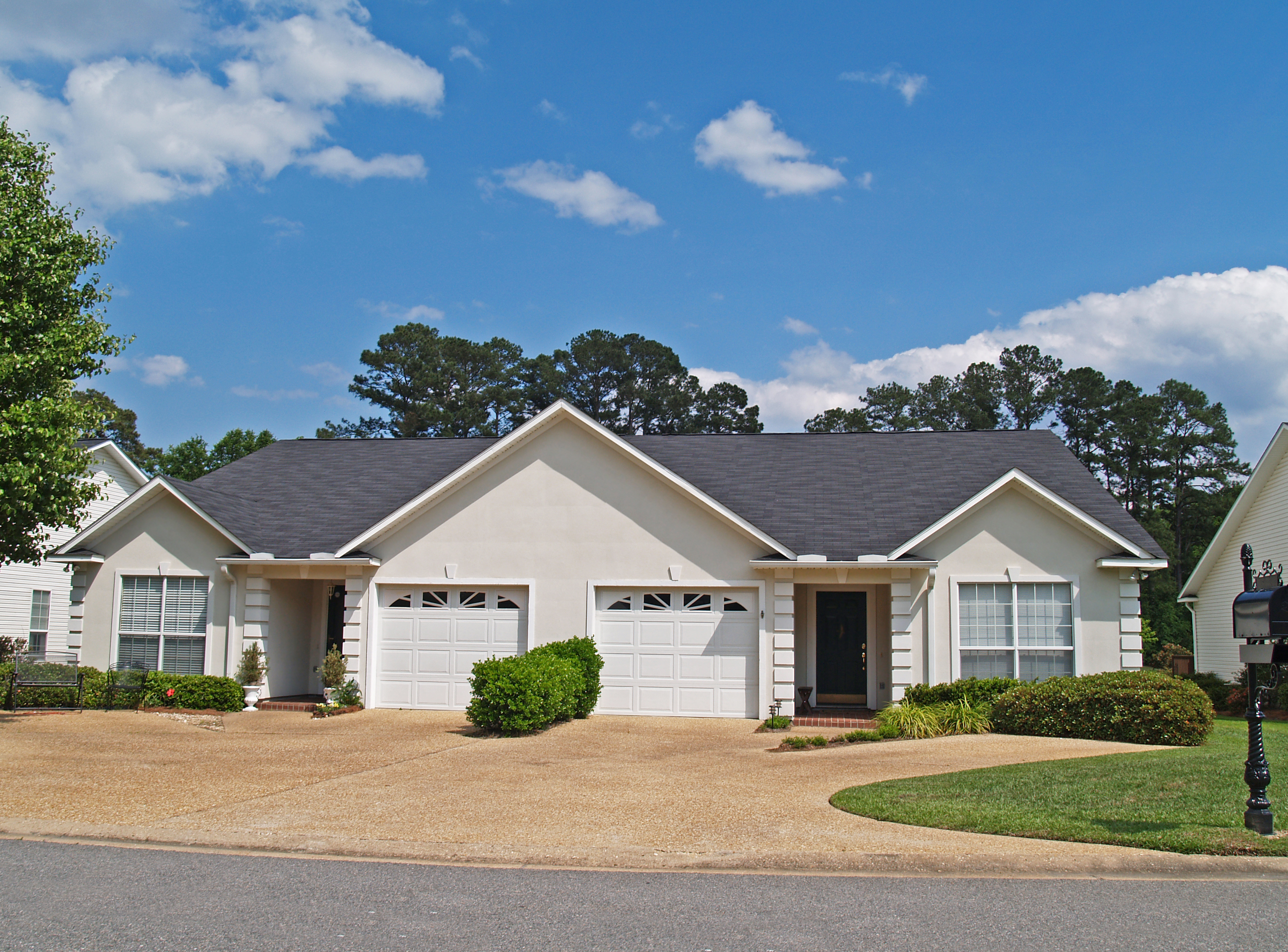
USDA and FHA loans are both government-backed mortgage options that can help buyers who may not fit a standard conventional loan. They work differently, especially when it comes to location, income, down payment and mortgage insurance.
USDA loans are designed for eligible low- and moderate-income buyers purchasing homes in eligible rural and certain suburban areas.
FHA loans are available nationwide and are often used by buyers who want a lower down payment or need more flexible credit standards than many conventional loans provide.
The best fit depends on where you are buying, your household income, your credit profile and how much cash you want to bring to closing.
USDA vs. FHA Loan Basics
| Feature |
USDA Loan |
FHA Loan |
| Loan Backing |
Guaranteed by USDA Rural Development. |
Insured by the FHA. |
| Minimum Down Payment |
0% for eligible buyers. |
3.5% with a credit score of 580 or higher, subject to lender requirements. |
| Location Rules |
Home must be in a USDA-eligible area. |
Available nationwide, subject to property and loan requirements. |
| Income Limits |
Household income limits apply. |
No FHA household income cap. |
| Credit Flexibility |
Lender underwriting standards apply, and many lenders prefer stronger credit. |
Can be more flexible for borrowers with lower credit scores. |
| Mortgage Insurance Or Fees |
Upfront guarantee fee plus annual fee. |
Upfront mortgage insurance premium plus annual mortgage insurance premium. |
| Property Use |
Primary residence only. |
Primary residence only, including some eligible multi-unit properties. |
Overview Of USDA And FHA Loans
A USDA loan is a government-backed mortgage program for eligible buyers purchasing homes in approved rural and certain suburban areas. USDA guaranteed loans can offer 100% financing, meaning no down payment for qualified borrowers.
An FHA loan is a government-insured mortgage available nationwide. FHA loans are often used by buyers who want a lower down payment or need more flexible credit standards.
The biggest difference is eligibility. USDA loans are more restrictive on location and income, but they can reduce upfront cash requirements. FHA loans are more flexible on location and credit, but they require a down payment and mortgage insurance premiums.
USDA vs. FHA Down Payment Requirements
One of the clearest differences between these programs is the down payment.
| Loan Type |
Typical Minimum Down Payment |
What To Know |
| USDA Loan |
0% for eligible borrowers. |
The home must be eligible and household income limits apply. |
| FHA Loan |
3.5% with a credit score of 580 or higher. |
A 10% down payment applies for scores from 500 to 579, subject to lender requirements. |
FHA also has a higher-down-payment path for lower-credit borrowers. According to FHA policy, borrowers with a minimum decision credit score of 580 or higher may be eligible for maximum financing. Borrowers with scores from 500 to 579 are limited to 90% loan-to-value, which generally means at least 10% down. Borrowers with scores below 500 are not eligible for FHA-insured financing.
For buyers with limited savings, USDA can be attractive because eligible borrowers may be able to finance the full purchase price of the home. USDA says its guaranteed program provides a 90% loan note guarantee to approved lenders to reduce the risk of extending 100% loans to eligible rural homebuyers.
USDA vs. FHA Credit And Eligibility
USDA and FHA evaluate eligibility differently.
USDA Eligibility
USDA loans usually require all of the following:
- The home must be located in a USDA-eligible area
- The borrower must use the home as a primary residence
- Household income must fall within program limits
- The borrower must meet lender underwriting standards
USDA income eligibility is based on household income, not only the income of the person listed on the loan. USDA says applicants must meet income eligibility and cannot exceed 115% of median household income.
USDA does not publish one universal hard minimum credit score for every borrower. Many lenders commonly look for stronger credit profiles for USDA guaranteed loans, but exact requirements depend on lender standards, underwriting and the rest of the file.
FHA Eligibility
FHA loans are available nationwide and do not have household income caps.
Common FHA advantages include:
FHA underwriting may be more flexible in some files, but lenders still review credit history, income, debts, assets, property eligibility and compensating factors.
USDA vs. FHA Mortgage Insurance And Fees
Both programs have ongoing borrower costs tied to program backing, but the cost structure differs.
| Cost Type |
USDA Loan |
FHA Loan |
| Upfront Charge |
1.00% upfront guarantee fee. |
1.75% upfront mortgage insurance premium. |
| Annual Charge |
0.35% annual fee, usually paid monthly. |
Annual mortgage insurance premium varies by loan amount, term and loan-to-value ratio. |
| Duration |
Generally remains while the USDA loan is active. |
Often life of loan with less than 10% down. Generally 11 years with 10% or more down. |
USDA materials list the upfront guarantee fee at 1.00% and the annual fee at 0.35% of unpaid principal balance. HUD states that FHA’s upfront mortgage insurance premium for most purchase and refinance forward mortgages is 1.75% of the base loan amount, with annual mortgage insurance collected in monthly installments.
For many borrowers, USDA monthly fees may be lower than FHA mortgage insurance, but the total cost depends on loan amount, rate, term, down payment, fees and how long you keep the loan.
USDA vs. FHA Loan Limits
These programs handle loan size differently.
USDA guaranteed loans do not use a fixed national loan cap in the same way FHA does. Instead, approval is based on repayment ability, underwriting, income eligibility, property eligibility and program requirements.
FHA uses county-based loan limits, with higher caps in more expensive housing markets.
That means USDA is limited more by income, location and repayment ability, while FHA is limited more by county loan caps and borrower qualifications.
Pros And Cons Of USDA Loans
| Potential Advantages |
Potential Drawbacks |
| No down payment for eligible buyers. |
Location restrictions apply. |
| Lower monthly fees than FHA in many cases. |
Household income limits apply. |
| Can be a strong option for budget-conscious buyers in eligible areas. |
Primary residence only. |
| May reduce upfront cash needs. |
USDA review or lender processing can affect timing. |
Pros And Cons Of FHA Loans
| Potential Advantages |
Potential Drawbacks |
| Available nationwide. |
Requires a down payment. |
| Can be more flexible for lower-credit borrowers. |
Mortgage insurance can be expensive over time. |
| Broader property options for owner-occupants. |
FHA loan limits apply by county. |
| May fit buyers who do not meet USDA location or income rules. |
Annual mortgage insurance may last for the life of the loan with less than 10% down. |
Which Loan Is Better For Your Situation?
A USDA loan may be the better fit if:
- The home is in an eligible USDA area
- Your household income falls within USDA limits
- You want to minimize upfront cash to close
- Your credit profile and overall file meet lender standards
An FHA loan may be the better fit if:
- You are buying in an area that is not USDA-eligible
- Your household income is above USDA limits
- You need more flexible credit standards
- You want broader property options
- You can manage the required down payment
If you qualify for USDA, the zero-down structure and lower annual fee can be difficult to beat. If you do not qualify for USDA, FHA may be a practical low-down-payment option, although conventional loans can also allow down payments as low as 3% for some eligible buyers.
The Bottom Line
USDA and FHA loans are both government-backed options that can provide paths to homeownership, but they solve different problems.
USDA loans may allow no down payment and lower annual fees for eligible buyers, but they are limited by income, location and primary-residence rules. FHA loans are more widely available and may be more flexible for lower-credit borrowers, but they require a down payment and include upfront and annual mortgage insurance premiums.
The better choice depends on your property location, household income, credit profile, savings and long-term cost comparison.
Frequently Asked Questions
What Is the Main Difference Between USDA And FHA Loans?
USDA loans are limited by location and income but can offer 0% down for eligible buyers. FHA loans are available nationwide and may allow more flexible credit standards, but they usually require at least 3.5% down.
Which Loan Has Lower Mortgage Insurance?
USDA loans often have lower annual fees than FHA loans, but the total cost depends on the loan amount, rate, term, down payment and how long you keep the loan.
Can I Get an FHA Loan With Lower Credit?
Yes, in some cases. FHA may allow borrowers with lower scores to qualify if they meet down payment, loan-to-value and lender requirements.
Are USDA Loans Only For Rural Areas?
USDA loans are designed for eligible rural and certain suburban areas. Some eligible locations are closer to metro areas than many buyers expect.
Which Loan Is Better For First-Time Buyers?
It depends on eligibility. USDA may be stronger for qualified buyers who want zero down and are buying in eligible areas. FHA may be better for buyers who need broader location options or more flexible credit standards.
Do USDA Loans Have Income Limits?
Yes. USDA loans have household income limits based on the eligible area and household size.




.jpg?quality=80&width=150)





















.jpg?quality=80&width=800)











































































































.jpg?quality=80&width=800)

.jpg?quality=80&width=800)















.jpg?quality=80&width=800)













.jpg?quality=80&width=800)
































.jpg?quality=80&width=800)