Conventional loans are the most common path to homeownership in the U.S., but a USDA loan can be a strong option if you meet the program’s income and property-location rules.
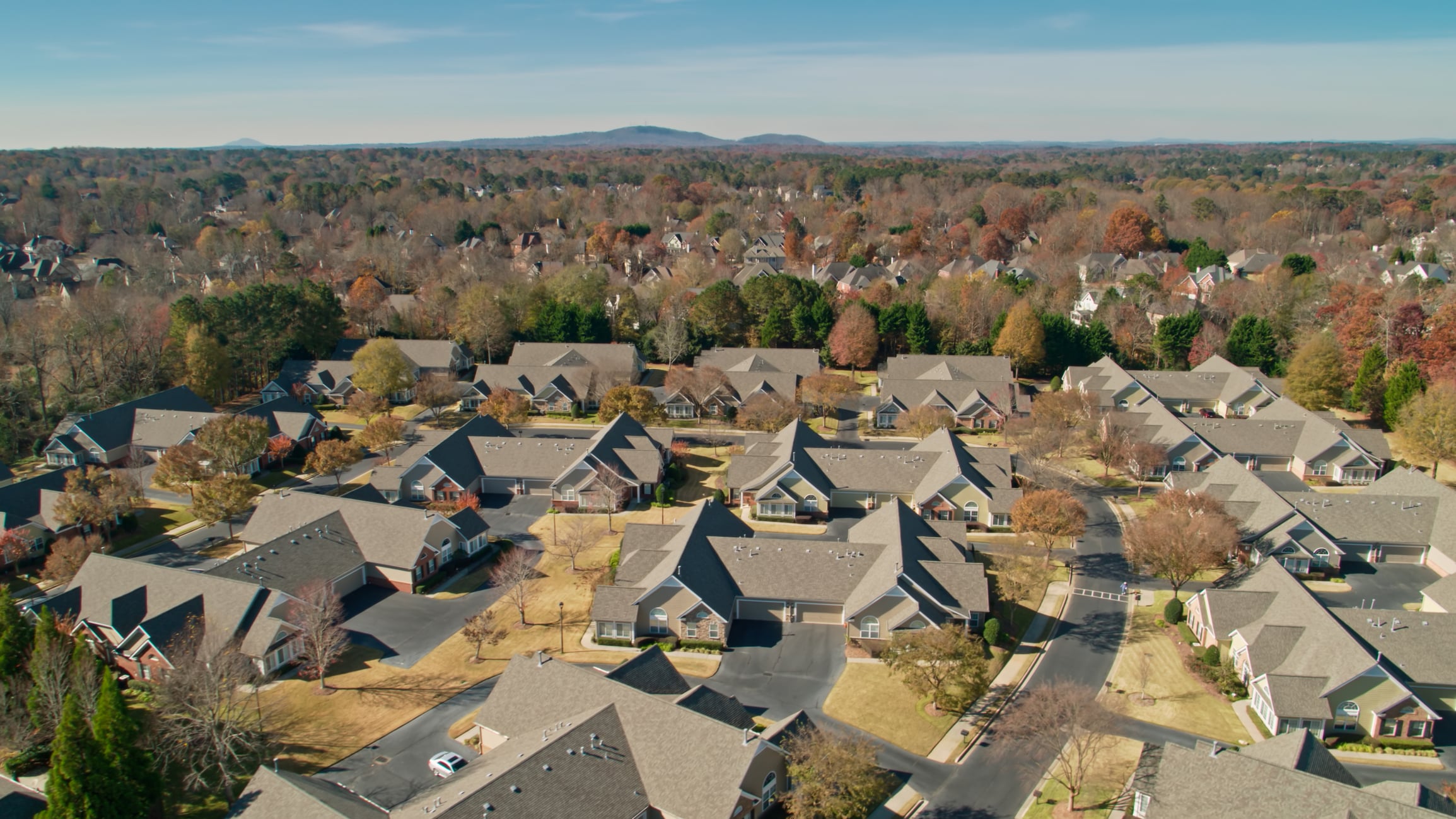
A USDA loan is a government-backed mortgage designed for eligible low- and moderate-income buyers purchasing homes in eligible rural and some suburban areas.
A conventional mortgage is not backed by a government agency such as FHA or VA. Conventional loans are available nationwide and may allow a 3% down payment for some eligible borrowers.
The biggest difference is eligibility. USDA loans can reduce upfront cash needs, but they are limited by household income, property location and primary-residence requirements. Conventional loans are broader and more flexible, but they usually require at least some down payment.
USDA vs. Conventional Loan Basics
| Feature |
USDA Loan |
Conventional Loan |
| Loan Backing |
Backed by USDA Rural Development. |
Not backed by a government agency. |
| Minimum Down Payment |
0% for eligible borrowers. |
As low as 3% for some eligible programs. |
| Location Rules |
The property must be in a USDA-eligible area. |
No USDA-style location restriction. |
| Income Limits |
Household income must be within USDA limits for the area and household size. |
No program-wide household income limit for standard conventional loans. |
| Property Use |
Primary residence only. |
Primary residences, second homes and investment properties may be eligible. |
| Mortgage Insurance Or Fees |
Upfront and annual guarantee fees. |
PMI is commonly required below 20% down. |
USDA vs. Conventional Loan Eligibility
USDA loans focus on income limits, eligible property location and owner occupancy. At loan approval, USDA rules require the household’s adjusted income to be at or below the applicable moderate-income limit.
Typical USDA requirements include:
- Household income within USDA limits for the area and household size
- Property located in a USDA-eligible rural or suburban area
- Home used as a primary residence
- Acceptable credit history and repayment ability
- Property that meets USDA and lender requirements
Conventional loans are more flexible when it comes to location and property type. They do not have USDA-style area restrictions and can be used for primary residences, second homes or investment properties if the borrower and property qualify.
Typical conventional requirements include:
- Qualifying income based on the borrower’s financial profile
- Acceptable credit history and credit score
- Property that meets lender and investor requirements
- Debt-to-income ratio within underwriting guidelines
- Down payment, closing costs and reserves when required
USDA vs. Conventional Down Payment Requirements
The down payment is the cash you contribute toward the purchase price. USDA loans can allow eligible borrowers to finance 100% of the home’s appraised value, plus the upfront guarantee fee if financed.
USDA materials list the maximum loan amount as 100% of appraised value plus the upfront guarantee fee.
| Loan Type |
Typical Down Payment |
What To Know |
| USDA loan |
0% for eligible borrowers. |
Closing costs and guarantee fees can still apply. |
| Conventional loan |
As low as 3% for some eligible programs. |
PMI is commonly required with less than 20% down. |
Some conventional programs allow 97% loan-to-value financing for eligible borrowers. Fannie Mae offers 97% LTV options for some first-time homebuyers, and Freddie Mac Home Possible allows down payments as low as 3% for eligible borrowers.
Credit Score And Pricing Differences
Credit scores influence mortgage approval and pricing. Minimum credit score expectations vary by lender, loan type, underwriting result and the rest of your financial profile.
USDA does not publish one universal hard minimum credit score for every borrower. In practice, files with lower scores may require more documentation, manual underwriting or stronger compensating factors. Conventional loans also depend on underwriting findings and lender requirements, but pricing usually improves as credit strengthens.
| Credit Profile |
USDA Loan |
Conventional Loan |
| Lower credit scores |
May require more documentation, manual underwriting or lender review. |
Approval may be possible, but pricing and PMI may be less favorable. |
| Midrange credit scores |
May be viable if income, debts and property eligibility fit USDA rules. |
May be viable, with pricing based on the full borrower profile. |
| Stronger credit scores |
Can support approval and lender pricing. |
Can improve rate and PMI pricing. |
The best comparison is not only whether you qualify. Compare the rate, monthly payment, upfront costs, guarantee fees, PMI and how long you expect to keep the loan.
Income, Location And Property Restrictions
USDA loans are designed for eligible buyers purchasing primary residences in eligible rural and some suburban areas. The property must be located in an eligible area, and household income must fit USDA limits.
Key USDA restrictions include:
- The property must be in a USDA-eligible area
- Your household income must be within program limits
- The home must be used as a primary residence
- The property must meet USDA and lender standards
Conventional mortgages do not have these USDA restrictions. They may be used in any eligible location and can finance primary homes, second homes and investment properties, subject to lender and investor requirements.
USDA vs. Conventional Mortgage Insurance And Fees
USDA loans do not use conventional private mortgage insurance. Instead, they use guarantee fees. USDA materials list an upfront guarantee fee of 1.00% and an annual fee of 0.35% of the unpaid principal balance. The annual fee is typically divided into monthly payments.
| Cost Type |
USDA Loan |
Conventional Loan |
| Upfront Cost |
1.00% upfront guarantee fee. |
No upfront PMI fee in many standard monthly PMI structures, though closing costs still apply. |
| Monthly Cost |
0.35% annual fee, usually paid monthly. |
PMI is commonly required if the down payment is below 20%. |
| Duration |
Generally remains while the USDA loan is active. |
PMI may be cancellable after enough equity is reached and requirements are met. |
For conventional loans covered by the Homeowners Protection Act, you may be able to request PMI cancellation when the mortgage balance reaches 80% of the home’s original value, if other requirements are met. Automatic termination may also apply later under the law.
Pros And Cons For Buyers
| Loan Type |
Advantages |
Potential Drawbacks |
| USDA Loan |
No down payment for eligible borrowers, access for eligible rural and suburban properties, and guarantee fees instead of conventional PMI. |
Income limits, property-location rules, primary-residence requirement and ongoing annual fee. |
| Conventional Loan |
Broader property eligibility, more location flexibility and potential PMI cancellation. |
Usually requires a down payment, and PMI commonly applies below 20% down. |
Which Loan Is Better For Your Situation?
A USDA loan may work well if:
- You qualify under USDA income limits
- The home is in an eligible area
- You want to buy with little or no down payment
- You plan to use the home as your primary residence
A conventional loan may be a better fit if:
- You want to buy outside a USDA-eligible area
- Your household income is above USDA limits
- You want to buy a second home or investment property
- You have enough savings for the down payment and closing costs
- You want the possibility of PMI cancellation over time
Compare both options using the same home price, down payment, rate, fees, property taxes, homeowners insurance and expected time in the home. The lower upfront-cost option is not always the lowest-cost option over the life of the loan.
The Bottom Line
USDA loans can offer a lower-upfront-cost path to homeownership for eligible buyers because they may require no down payment. The trade-off is that USDA loans have income limits, location rules, a primary-residence requirement and guarantee fees.
Conventional loans are more widely available and more flexible. They usually require a down payment, and PMI commonly applies below 20% down, but they do not have USDA income or location restrictions. The better choice depends on your eligibility, savings, credit profile, property location and long-term cost comparison.
Frequently Asked Questions
What Is the Difference Between USDA And Conventional Loans?
USDA loans are government-backed mortgages with income, location and primary-residence requirements. Conventional loans are not backed by a government agency and are available more broadly through private lenders.
What Are the Down Payment Requirements?
USDA loans may require no down payment for eligible buyers. Conventional loans may allow down payments as low as 3% for some eligible programs, though PMI is commonly required below 20% down.
Are USDA Loans Cheaper Than Conventional Loans?
They can be cheaper upfront for eligible buyers because they may require no down payment. Over time, the annual USDA fee may make a conventional loan cheaper for some borrowers, especially if PMI can be removed.
Can I Remove Mortgage Insurance With a USDA Loan?
USDA loans do not use conventional PMI. They use guarantee fees instead. The annual fee generally remains while the USDA loan is active unless the loan is paid off or refinanced.
Which Loan Is Better For First-Time Buyers?
It depends on eligibility. A USDA loan can be attractive for first-time buyers with limited savings who are buying in eligible areas and meet income limits. A conventional loan may be better for buyers who need more location flexibility, exceed USDA income limits or want a second home or investment property.
Do USDA Loans Have Income Limits?
Yes. USDA loans have household income limits based on location and household size. The lender must document that the household’s adjusted income is within the applicable USDA limit.
Can I Use a USDA Loan For an Investment Property?
No. USDA loans are for eligible primary residences. If you want to buy an investment property, a conventional loan may be a better fit if you qualify.




.jpg?quality=80&width=150)




















.jpg?quality=80&width=800)








































































































.jpg?quality=80&width=800)

.jpg?quality=80&width=800)













.jpg?quality=80&width=800)













.jpg?quality=80&width=800)































.jpg?quality=80&width=800)