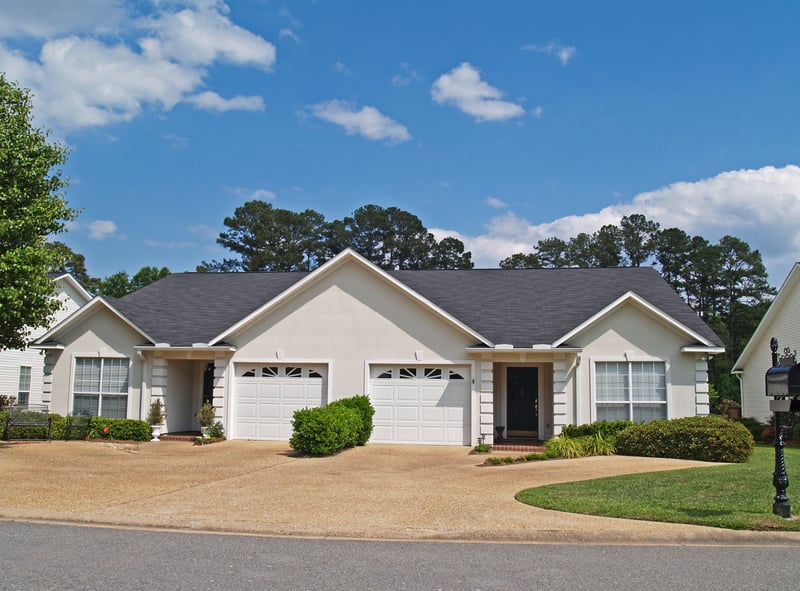
In many cases, you’ll need an appraisal to refinance your home. Many mortgage refinances require an appraisal to determine your home’s current market value and confirm how much equity you have.
Not every refinance requires one. Some refinance programs allow appraisal waivers or streamlined approvals that skip a traditional property valuation.
Whether you need an appraisal depends on the type of refinance, your loan program, the property, lender requirements and your overall borrower profile.
Refinance Appraisal Basics
| Question |
Short Answer |
What It Means For You |
| Do most refinances need an appraisal? |
Often, yes. |
The lender may need a current property value to calculate your loan-to-value ratio. |
| Can you refinance without an appraisal? |
Sometimes. |
Some streamlined refinances and conventional appraisal waivers may allow it. |
| Do cash-out refinances need an appraisal? |
Usually, yes. |
The lender needs to confirm available equity before approving cash back. |
| Who decides if an appraisal is required? |
The loan program, automated underwriting system and lender. |
Even if a program allows flexibility, your lender may still require a valuation. |
Why Lenders Require an Appraisal For Refinancing
Lenders use appraisals to estimate the current market value of your property and determine the risk of the new loan.
The appraised value helps lenders calculate your loan-to-value ratio, or LTV. LTV compares the loan amount to the home’s value.
LTV can affect refinance eligibility, interest rate pricing, mortgage insurance, cash-out limits and whether the loan meets program requirements. Because property values change over time, lenders often require a new appraisal before approving a refinance.
Refinance Appraisal Requirements By Loan Type
Appraisal rules vary by refinance program. The table below summarizes common patterns, but your lender can confirm what applies to your file.
| Refinance Type |
Appraisal Required? |
What To Know |
| Conventional rate-and-term refinance |
Usually yes, unless an appraisal waiver applies. |
A waiver may be possible through automated underwriting if the loan and property are eligible. |
| Cash-out refinance |
Usually yes. |
Equity is being converted to cash, so lenders generally need a current value. |
| FHA Streamline refinance |
Often no. |
FHA policy allows streamline refinances with or without an appraisal, depending on the transaction and lender requirements. |
| VA IRRRL refinance |
Often no. |
A VA IRRRL is a VA-to-VA refinance designed to reduce payments or make payments more stable. |
| USDA Streamline Assist |
Often no. |
Available for eligible USDA loans if program requirements are met. |
| Conventional loan with appraisal waiver |
No traditional appraisal if the waiver is accepted. |
Fannie Mae value acceptance and Freddie Mac ACE are automated options for eligible loans. |
| Non-QM refinance |
Usually yes. |
Requirements vary by lender and loan product. |
Because cash-out refinances increase the loan size and depend heavily on available equity, lenders generally require a current property valuation.
What Is an Appraisal Waiver?
An appraisal waiver allows certain borrowers to refinance without a traditional appraisal. For conventional loans, this may happen through automated underwriting when enough property data is available and the loan meets eligibility requirements.
Fannie Mae calls its appraisal waiver process “value acceptance.” According to Fannie Mae, value acceptance is considered through Desktop Underwriter and generally requires a prior appraisal for the subject property in Fannie Mae’s Collateral Underwriter data. If the loan is not eligible, Desktop Underwriter requires an appraisal.
Freddie Mac’s automated collateral evaluation, or ACE, may also allow some eligible loans to move forward without a traditional appraisal. Freddie Mac requires lenders to follow its rules and prohibits changing the estimated value in Loan Product Advisor to obtain ACE or more favorable mortgage terms.
Appraisal waivers are not guaranteed. They depend on the loan program, automated underwriting findings, property data, LTV, occupancy, loan purpose, lender requirements and other risk factors.
Alternative Property Valuation Methods
In some cases, lenders may accept alternatives to a full in-person appraisal. These options depend on loan program rules, investor guidelines and lender policies.
| Valuation Method |
Description |
Common Use |
| Full appraisal |
A licensed or certified appraiser reviews the property and market data. |
Common for standard refinances and many cash-out refinances. |
| Desktop appraisal |
An appraiser analyzes available data remotely without a full interior inspection. |
Some eligible lower-risk loans. |
| Exterior-only appraisal |
The appraiser reviews the exterior and available data without a full interior inspection. |
Select refinance scenarios when permitted. |
| Hybrid valuation |
A third party gathers property information, and an appraiser completes the analysis remotely. |
When investor and lender guidelines allow. |
Not all lenders or loan programs permit alternative valuations. Cash-out refinances and higher-risk loans are more likely to require a full appraisal.
How To Prepare For a Refinance Appraisal
Preparing your home can help the appraiser review accurate, complete information about the property.
- Provide a list of recent upgrades. Include permits, invoices and completion dates for renovations.
- Make minor repairs. Fix small maintenance issues before the appraisal visit when practical.
- Improve curb appeal. Simple steps such as mowing the lawn or trimming shrubs can improve the property’s presentation.
- Ensure full property access. The appraiser may need to view garages, basements, attics, mechanical systems and other areas.
- Share relevant property details. Point out additions, upgrades or features that may not be obvious during a short visit.
Market Conditions And Appraisal Values
Home appraisals are influenced by recent comparable sales and local housing market trends.
When markets are slowing or inventory increases, recent sales data may reflect lower pricing than homeowners expect. In rapidly rising markets, appraisals may lag behind current asking prices because they rely heavily on closed sales rather than active listings.
Understanding local market trends can help you set realistic expectations before refinancing.
What Happens If the Appraisal Comes In Low?
A low appraisal can affect your refinance because it changes the LTV calculation. If the value is lower than expected, you may have less equity than planned.
Depending on the loan and your goals, a low appraisal may mean you need to bring cash to closing, reduce the cash-out amount, accept different loan terms, pay or keep mortgage insurance, or pause the refinance.
If you believe the appraisal contains errors, ask the lender about its reconsideration-of-value process. You may need to provide specific comparable sales, correction requests or documentation of missed property features.
How To Confirm Appraisal Requirements Before Refinancing
Because requirements vary by lender and loan program, ask about appraisal expectations early in the process.
Questions to ask your lender include:
- Will my refinance require a full appraisal?
- Could my loan qualify for an appraisal waiver?
- When will the appraisal be ordered in the refinance process?
- How could the appraisal affect my loan terms or mortgage insurance?
- What happens if the value comes in lower than expected?
- Are there any alternative valuation options available for my loan type?
Clarifying these details upfront can help you avoid delays and unexpected costs.
The Bottom Line
Refinances often require an appraisal, but not always. Conventional refinances may need one unless an appraisal waiver or alternative valuation is available. Cash-out refinances usually require a current valuation because the lender needs to confirm available equity.
Streamlined options, such as an FHA Streamline refinance, VA IRRRL or USDA Streamline Assist, may not require a traditional appraisal if program and lender requirements are met. Ask your lender early so you understand the timeline, cost and effect on your refinance terms.
Frequently Asked Questions
Can You Refinance Without an Appraisal?
Yes, some refinance programs allow appraisal waivers or streamlined approvals that skip a traditional appraisal. Whether you qualify depends on the loan program, automated underwriting findings, lender requirements and property data.
How Much Does a Refinance Appraisal Cost?
A refinance appraisal often costs several hundred dollars, but the exact amount depends on location, property type, property size, appraisal complexity and local appraiser availability. Your Loan Estimate should show the appraisal fee if one is required.
Can a Low Appraisal Stop a Refinance?
Yes. If the appraised value is too low to meet LTV requirements, you may need to bring cash to closing, reduce your cash-out amount, change loan terms, keep mortgage insurance or stop the refinance.
What Is an Appraisal Waiver?
An appraisal waiver allows certain borrowers to refinance without a traditional appraisal when automated underwriting determines that sufficient property value data is available and the loan meets eligibility requirements.
How Long Does the Appraisal Process Take?
The appraisal process often takes about one to two weeks, but timing depends on appraiser availability, property complexity, access to the home and how quickly the report is completed and reviewed.
Do Cash-Out Refinances Require an Appraisal?
Cash-out refinances usually require a current property valuation because the lender must confirm how much equity is available before approving cash back.
Does a VA IRRRL Require an Appraisal?
A VA IRRRL often does not require a traditional appraisal, though lender requirements can vary.
Does an FHA Streamline Refinance Require an Appraisal?
FHA policy allows streamline refinances with or without an appraisal, depending on the transaction and lender requirements. Ask your lender which version applies to your refinance.




.jpg?quality=80&width=150)





















.jpg?quality=80&width=800)

















































































































.jpg?quality=80&width=800)