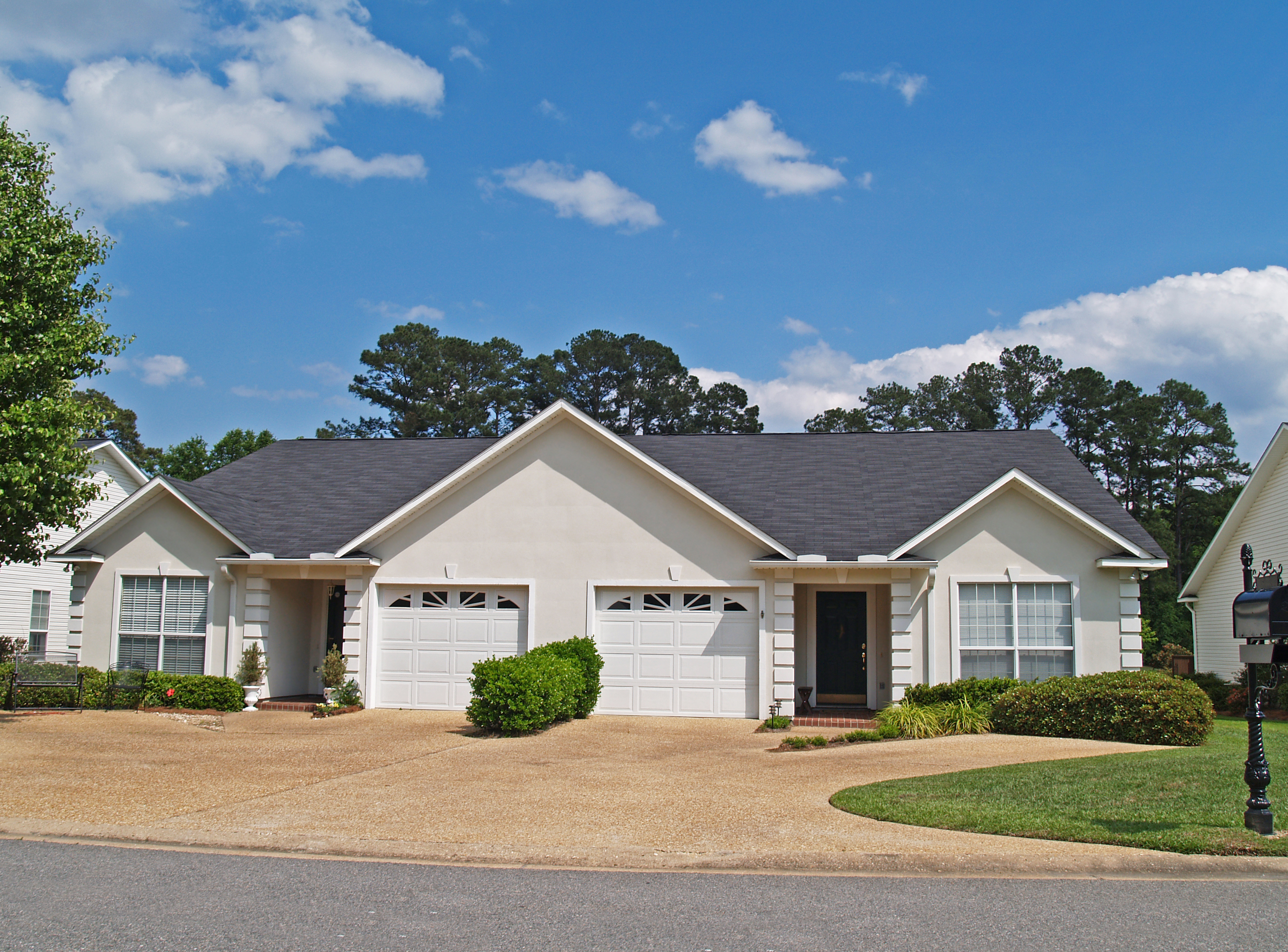
A utility easement is one of the most common property issues homeowners encounter, especially when buying a home in a subdivision or an established neighborhood. It can sound more alarming than it usually is.
In most cases, a utility easement simply means a utility company or municipality has the right to access a specific part of the property to install, inspect, repair, or maintain infrastructure such as power lines, sewer lines, water pipes, gas lines, or communication cables.
You still own the land, but that ownership is subject to the easement rights attached to it.
Utility Easement Basics
| Topic |
What To Know |
| What a utility easement is |
A legal right allowing access to part of private property for utility purposes |
| Who may use it |
Usually a utility company, municipality, or other authorized entity |
| What it affects |
Where you can build, plant, fence, or place structures |
| Who owns the land |
The property owner still owns the land |
| Why it matters |
Blocking access can lead to disputes, delays, or removal of improvements |
What Is A Utility Easement?
A utility easement is a type of easement that allows a utility provider or local government to use a defined portion of private property for a specific purpose. That purpose is usually related to public or private infrastructure, such as electric service, water service, sewer systems, gas lines, cable lines, or fiber optic lines.
Legally, an easement is a nonpossessory interest in land. That means the easement holder does not own the property, but does have a limited right to use it in the way described by the easement.
Why Utility Easements Exist
Utility easements help utility providers access and maintain infrastructure that serves homes, neighborhoods, and communities. Without them, it would be much harder to repair underground pipes, service electrical lines, or maintain communications networks.
That access can benefit homeowners, too. If a line fails or equipment needs repair, the easement gives the provider a legal path to reach the problem area.
Can A Utility Company Enter Your Property?
In many cases, yes, but only within the scope of the easement rights. A utility company or municipality may be allowed to enter the easement area to inspect, repair, replace, or maintain infrastructure.
That does not mean unlimited use of your property. The exact rights depend on the recorded easement, the property documents, and local law. If you want to know precisely what applies to a specific property, the safest places to check are the deed, title report, survey, plat map, or county land records.
How Utility Easements Can Affect What You Do With Your Yard
A utility easement can limit what you build or place in the affected area. For example, a shed, retaining wall, large tree, deck, or fence might interfere with access or infrastructure.
The exact restriction depends on the easement language. Some improvements may be allowed. Others may have to be removed if they block access or create a safety issue. That is why homeowners should check the easement before building anything permanent near utility lines or marked utility corridors.
Who Maintains A Utility Easement Area?
This is where the answer often becomes property-specific. In some situations, the homeowner is expected to maintain the surface area, such as keeping it reasonably accessible. In others, the utility company may maintain the infrastructure itself while the owner remains responsible for general upkeep of the land around it.
There is no single national rule that applies to every property. Maintenance obligations usually depend on the recorded easement terms, subdivision documents, HOA rules if applicable, and local practice. That is why broad statements about responsibility can be misleading unless they are tied to a specific jurisdiction or deed.
Where Utility Easements Are Usually Located
Utility easements are often found:
- Along property lines
- Near streets and sidewalks
- Around utility poles, cable boxes, and transformers
- Over underground water, sewer, gas, or communication lines
- In areas shown on a plat map or survey
Not every easement is visible on the ground. Some are recorded in property documents but not obvious unless you review your survey or title paperwork.
How To Find Out If A Property Has A Utility Easement
If you are buying a home or planning an improvement project, check the following documents:
1. The Property Survey
A survey often shows easement areas and setbacks.
2. The Title Report Or Commitment
This may list recorded easements that affect the property.
3. The Deed
Some easements are referenced directly in the deed language.
4. The Plat Map
Subdivision plats often show utility corridors and dedicated easement areas.
5. County Land Records
Local recording offices may have the official easement documents on file.
The Bottom Line
A utility easement does not usually prevent you from owning or enjoying your property, but it can affect what you build and how a utility company may access part of the land.
Before adding a fence, deck, shed, trees, or other improvements, check your survey, title documents, and recorded easement language. A quick review upfront can help you avoid expensive changes later.
Frequently Asked Questions About Utility Easements
Does A Utility Easement Mean I Do Not Own That Part Of My Yard?
No. You still own the property, but your ownership is subject to the easement rights granted to the utility or municipality.
Can I Build Over A Utility Easement?
Sometimes small improvements may be allowed, but building over an easement can create problems if it interferes with access or infrastructure. Always review the specific easement first.
Are Utility Easements Always Visible?
No. Some are obvious because of poles, boxes, or marked lines. Others appear only in surveys, deeds, plats, or title records.
Who Should I Contact If I Have Questions About An Easement?
Start with your survey, title documents, or county land records. For legal advice about a specific property, you may also need a real estate attorney or title professional.




.jpg?quality=80&width=150)





















.jpg?quality=80&width=800)












































































































.jpg?quality=80&width=800)

.jpg?quality=80&width=800)

















.jpg?quality=80&width=800)













.jpg?quality=80&width=800)

































.jpg?quality=80&width=800)