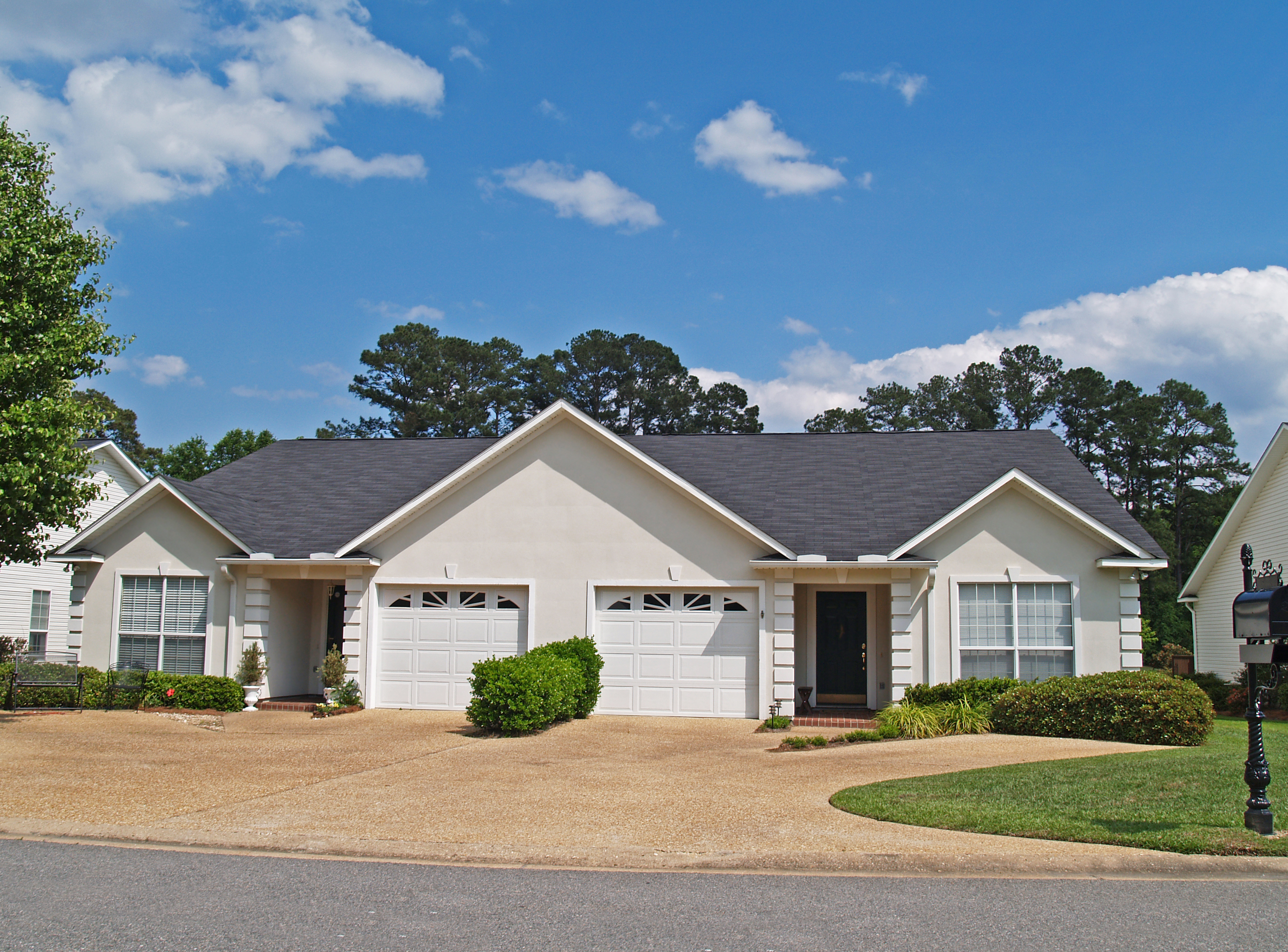
The choice between a VA and conventional loan often comes down to eligibility and your goals.
VA and conventional loans can both help you finance a home, but they are built for different borrowers and different purposes.
VA loans are competitive, with flexible terms built to unlock homeownership, but also have limited eligibility: They are designed for eligible service members, veterans, and certain surviving spouses, with benefits that can lower upfront and monthly costs.
Conventional loans are available more broadly and offer more flexibility, but they may require more cash upfront.
Overview Of VA And Conventional Loans
VA loans are designed for eligible military-affiliated borrowers and often emphasize affordability at the point of entry. Benefits can include low or no down payment, no monthly PMI, and a one-time funding fee for many borrowers.
Conventional loans, on the other hand, emphasize flexibility.
A conventional loan is any loan not backed by the government. Many conventional loans are conforming, meaning they meet Fannie Mae and Freddie Mac criteria. They are available to a broader group of borrowers and can work for more occupancy types, but borrowers putting less than 20% down often pay PMI until they meet cancellation requirements.
VA vs. Conventional Loans At A Glance
|
Requirement
|
VA Loan
|
Conventional Loan
|
|
Military affiliation
|
Required for eligibility
|
Not required
|
|
Certificate of Eligibility (COE) needed?
|
Yes
|
No
|
|
Typical credit score approach
|
No VA-set minimum, lender standards apply
|
Often around 620 or higher for many programs
|
|
Income and DTI review
|
Yes
|
Yes
|
|
Occupancy
|
Primary residence
|
Primary, second home, investment
|
Eligibility And Loan Requirements
VA loans add VA-specific eligibility on top of standard lender underwriting. You generally need a Certificate of Eligibility, or COE, which confirms for your lender that you qualify for the VA home loan benefit.
Conventional loans do not require military eligibility. Qualification is based on lender standards for income, credit, assets, and documentation.
Typical credit guidance: VA does not set a universal minimum credit score, but lenders may apply their own standards. Conventional programs often start around 620 for many products, with stronger pricing at higher scores.
Down Payment And Funding Costs
A major VA advantage is upfront affordability. VA loans may allow 0% down for qualified borrowers.
Conventional loans often require 3% to 20% down depending on the program, occupancy, and borrower profile.
VA loans may also include a one-time VA funding fee, although that the fee varies based on factors such as down payment and prior use, and some borrowers are exempt, including many with service-connected disabilities.
Mortgage Insurance Differences
Conventional mortgages generally require private mortgage insurance (PMI), depending on your down payment, while VA loans don’t usually have ongoing fees.
PMI is a monthly fee that often applies to conventional loans with less than 20% down. The CFPB notes that borrowers generally have the right to request PMI cancellation when the principal balance is scheduled to reach 80% of the home’s original value, subject to conditions, and it falls off automatically at 78%.
VA loans do not require monthly PMI. Instead, many borrowers pay the one-time VA funding fee unless exempt.
Interest Rates And Credit Score Considerations
VA loans often have competitive rates because the VA guarantee reduces lender risk, though actual pricing still depends on the lender, credit profile, and market conditions.
Both loan types also evaluate debt-to-income ratio, or DTI, which is monthly debt divided by gross monthly income.
VA underwriting guidance commonly references 41% as an important benchmark tied to residual income standards and exception handling rather than a universal hard cap.
Side-By-Side Snapshot
|
Factor
|
VA Loan
|
Conventional Loan
|
|
Typical rate level
|
Often competitive, varies by lender and borrower
|
Risk-based pricing, strong credit tends to get the best terms
|
|
Credit score
|
No VA-set minimum, lender standards apply
|
Often around 620 or higher for many programs
|
|
DTI approach
|
41% benchmark tied to residual income and exceptions
|
Product-specific limits and AUS findings
|
Property Types And Usage Flexibility
VA loans are for primary residences. Depending on the property and lender requirements, VA loans may be used for:
- single-family homes
- certain condos
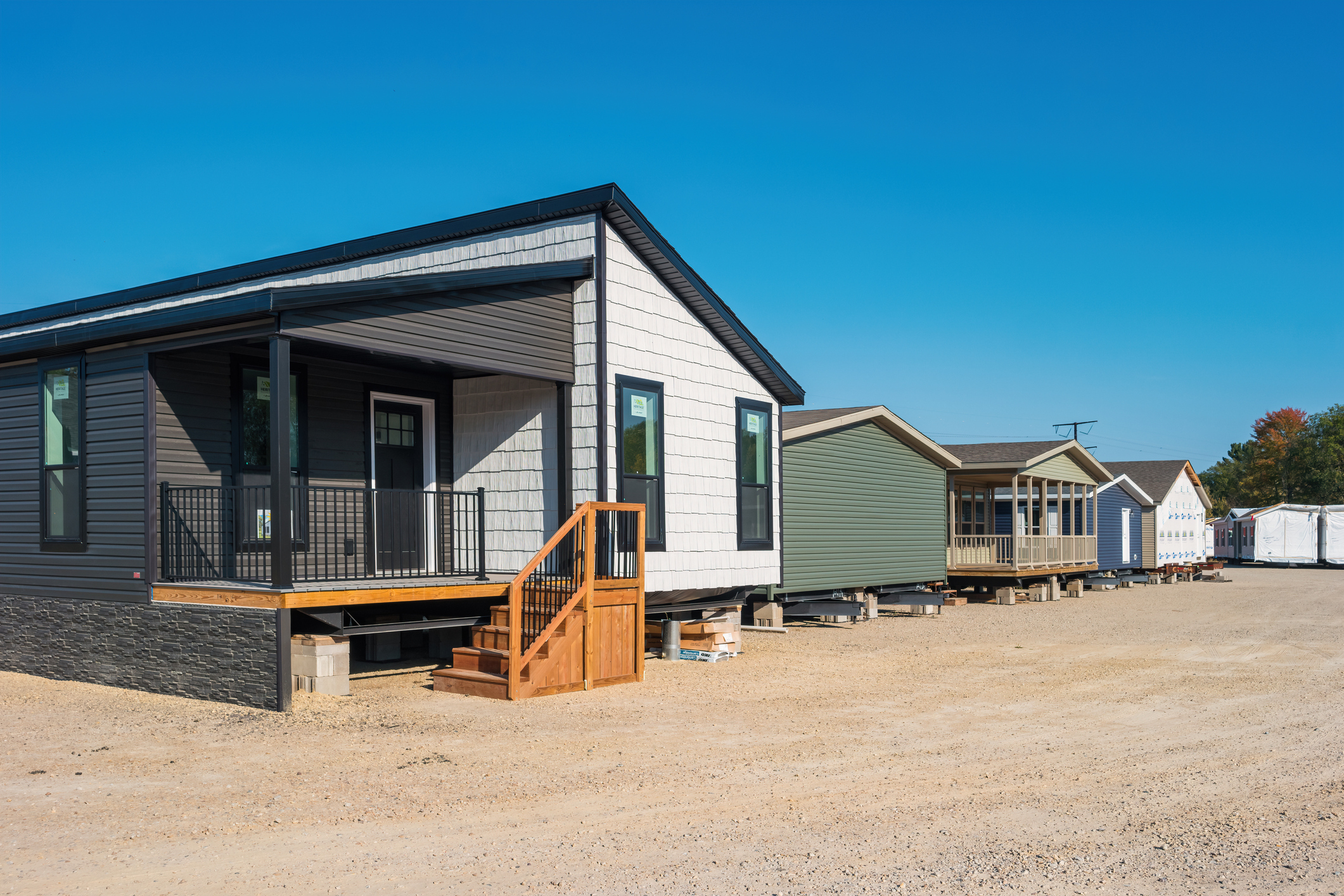
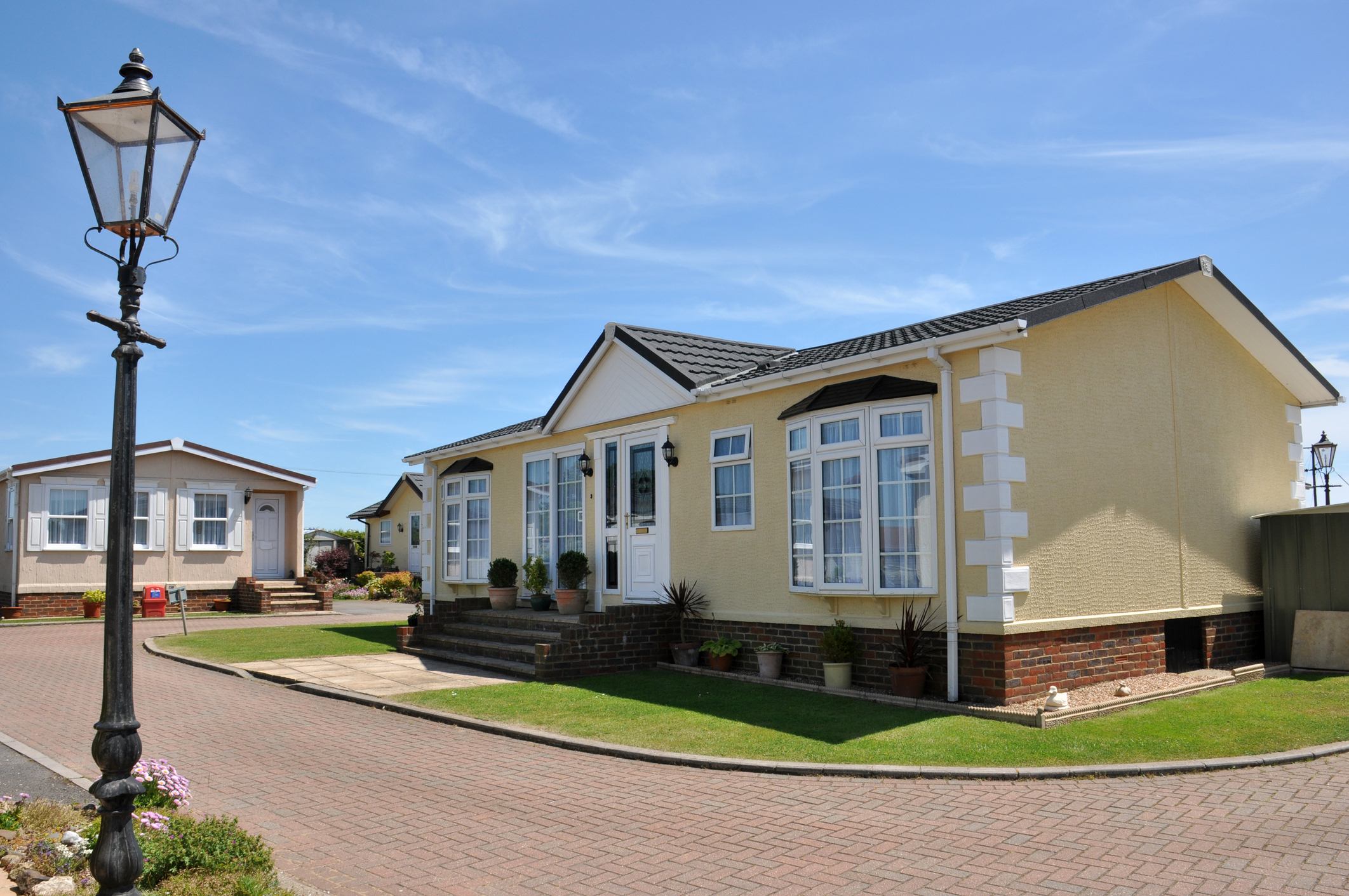
- some manufactured homes
- 2- to 4-unit properties if you occupy one unit
Conventional loans can be used for primary residences, second homes, and investment properties, which gives them broader occupancy flexibility.
If you’re getting a VA loan, your home will need to meet minimum property requirements set out by the VA.
Eligibility By Property Type
|
Property Type
|
VA Loan
|
Conventional Loan
|
|
Primary residence
|
Yes
|
Yes
|
|
Second home or vacation home
|
No
|
Yes
|
|
Investment or rental property
|
No
|
Yes
|
|
2- to 4-unit owner-occupied property
|
Yes, must occupy one unit
|
Yes, occupancy rules apply
|
Loan Process And Closing Timelines
Both loan types follow the same basic sequence:
- preapproval
- offer
- appraisal
- underwriting
- closing
VA loans add VA-specific steps, including obtaining a COE and completing a VA appraisal, which confirms value and VA property standards. Those standards can trigger repairs or conditions that affect timing.
Conventional loans typically rely on a standard appraisal. Some transactions may qualify for appraisal waivers depending on the lender, product, and available property data.
Pros And Cons Of VA Loans
Advantages
- No or low down payment for many eligible borrowers
- No monthly PMI
- Competitive pricing in many scenarios
- Flexible underwriting pathways tied to residual income and documented exceptions
Drawbacks
- Stricter eligibility standards
- Upfront funding fee may apply unless exempt
- Primary residence only
- VA appraisal and property standards can add conditions and affect timelines
Pros And Cons Of Conventional Loans
Advantages
- Broad borrower eligibility
- Works for primary residences, second homes, and investment properties
- No VA funding fee
Drawbacks
- PMI often applies under 20% down, increasing monthly cost until cancellation requirements are met
- Credit-based pricing can be less forgiving at lower scores
- Larger down payments often improve pricing and reduce PMI costs
The Bottom Line
If you’re eligible for the VA benefit and you’re buying a primary residence that meets the VA’s minimum standards, a VA loan is likely the right pick for you. They offer a very low-cost path to property ownership with no PMI requirements.
A conventional loan may be the better fit if you are not VA-eligible, or want to buy a second home or investment property. If you have strong credit and enough cash to reduce or avoid PMI, and want broader property and occupancy flexibility, a conventional is a strong choice.
Frequently Asked Questions
Can I Buy A Home With No Money Down?
Yes. VA loans may allow eligible borrowers to buy a primary residence with no down payment. Conventional loans typically require at least 3% down for many programs.
Will I Pay Mortgage Insurance With Either Loan?
VA loans do not require PMI. Conventional loans often require PMI under 20% down, and cancellation depends on rules and loan terms.
What Credit Score Do I Need To Qualify?
VA does not set a universal minimum credit score, but lenders set guidelines. Conventional programs often start around 620 for many products.
Who Is Eligible For A VA Loan?
Eligible service members, veterans, and certain surviving spouses may qualify, typically confirmed through a COE.
Which Type Of Loan Closes Faster?
Closing speed depends on the lender, appraisal, property, and underwriting conditions. Conventional loans may move faster in some cases because there are fewer VA-specific steps, but that is not universal.



%20(1).jpg?quality=80&width=150)





















.jpg?quality=80&width=800)











































































































.jpg?quality=80&width=800)

.jpg?quality=80&width=800)















.jpg?quality=80&width=800)













.jpg?quality=80&width=800)
































.jpg?quality=80&width=800)