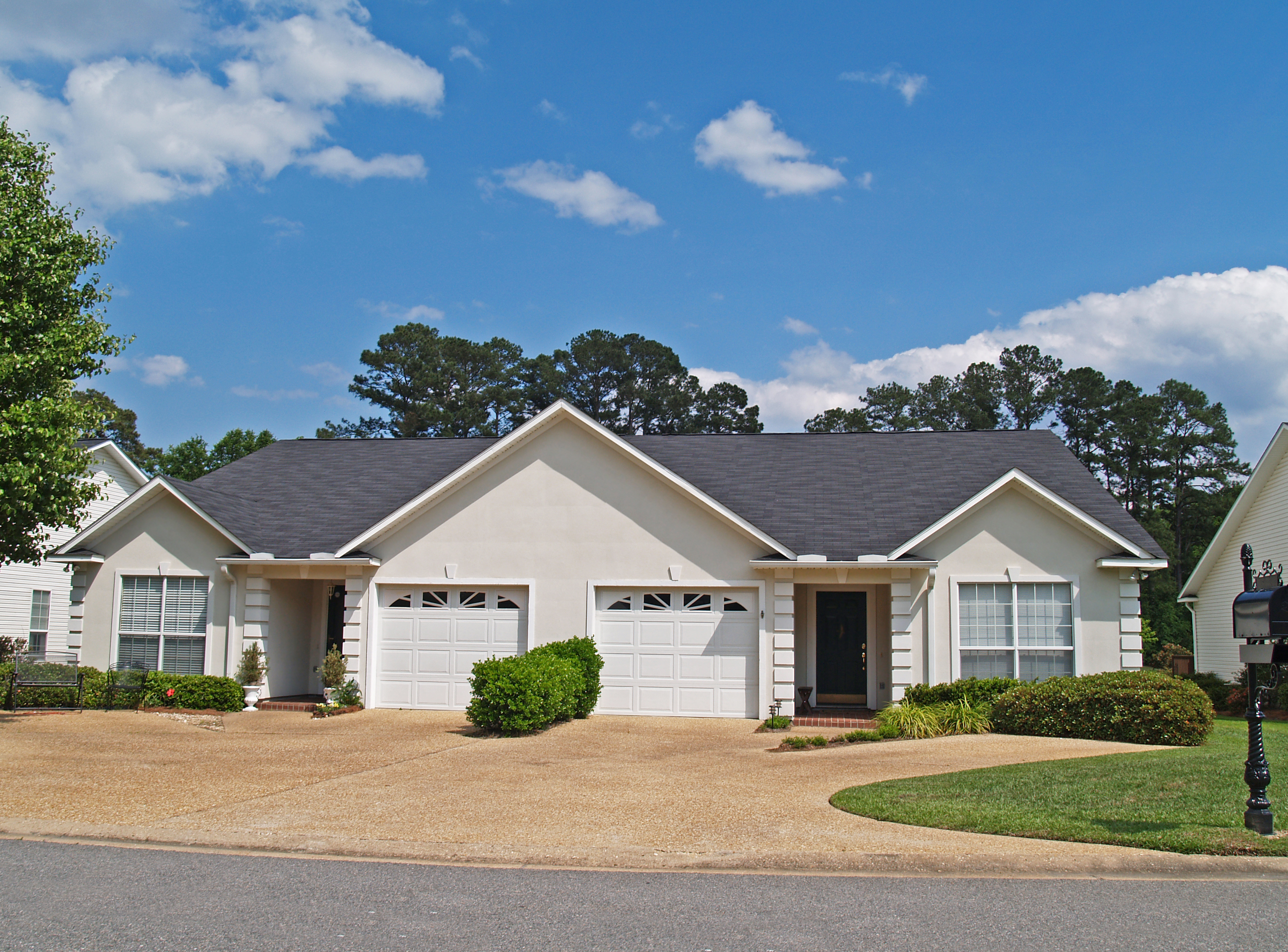
List prices aren't a good metric on their own to see what your home may be worth.
If you are trying to decide what a home is really worth, comparable sales can be a valuable tool to see what similar homes to your actually sold for.
A seller can underprice a home to attract traffic or overprice it to test the market. Comps give you a more grounded view of value by showing how similar properties performed nearby.
| Best comp type |
Recently sold homes, not just active listings |
| Most important match points |
Location, size, age, condition, lot, layout, and property type |
| Best use for buyers |
Pressure-testing your offer price before you bid |
| Biggest mistake |
Comparing unlike homes or relying too heavily on old sales |
What Are Real Estate Comps?
Real estate comps are similar homes that have recently sold and can help indicate a subject property’s market value.
In mortgage appraisal practice, comparable sales are a core part of the sales comparison approach. Fannie Mae says comparable sales that closed within the last 12 months should be used, though the most recent sale is not always the best one if an older sale is more comparable.
Comps help you see what the market has recently paid for homes like the one you want.
Why Comps Matter To Buyers
Comps can help you:
- Avoid overpaying
- Understand whether the list price is realistic
- Decide how aggressive your offer should be
- Spot when a home’s condition or features justify a premium
In a market where some homes still move quickly and others do not, comps can also tell you whether a property is likely to attract immediate competition or sit long enough for negotiation.
What Makes A Good Comp
The best comp is not just nearby. It is nearby and similar.
Look for homes that match the subject property as closely as possible on:
- Property type
- Square footage
- Bedroom and bathroom count
- Lot size
- Age and style
- Renovation level and condition
- Garage, basement, or accessory features
- School district and micro-location
An appraiser must analyze closed sales, contract sales, and listings that are most comparable to the subject property and explain meaningful differences that affect value.
Sold Homes Matter More Than Active Listings
Active listings can help you understand seller expectations, but closed sales carry more weight because they show what buyers actually agreed to pay.
Pending sales can also be useful directional evidence, especially in a changing market, though final closed prices are stronger data points.
How To Find Real Estate Comps
You can usually start with:
- Your real estate agent’s comparative market analysis
- MLS-based sold data through an agent
- Public records in some markets
- Real estate portals that show sold listings where available
Your agent is often the best source because they can narrow the search to truly comparable properties instead of just nearby homes.
How Buyers Should Use Comps
Use comps to build a price range, not to force a fake precision number. If similar homes have recently sold between $385,000 and $405,000, that may tell you more than one cherry-picked sale at $412,000.
Then combine that with property condition, current competition, and your financing plan.
The Bottom Line
Real estate comps are one of the clearest ways to understand whether a home is priced fairly. They help buyers make stronger offers, negotiate more confidently, and avoid relying too heavily on list price alone.
The goal is not to find a perfect twin. It is to find the best available evidence of what the market would likely pay for a home like the one you want.
Frequently Asked Questions
What Is A Real Estate Comp?
A real estate comp is a recently sold property that is similar enough to a subject home to help estimate market value.
Do Buyers Or Appraisers Use Comps?
Both do. Buyers use comps to shape offers, and appraisers use comparable sales to support formal value opinions.
How Recent Should Comps Be?
More recent is usually better, but the most comparable sale is not always the newest one. Fannie Mae allows older sales when they are more relevant and properly explained.
Are Active Listings Comps?
They can be part of the context, but sold homes are usually more useful because they reflect completed transactions.




.jpg?quality=80&width=150)
.jpg?quality=80&width=800)




















.jpg?quality=80&width=800)















































































































.jpg?quality=80&width=800)

.jpg?quality=80&width=800)

















.jpg?quality=80&width=800)













.jpg?quality=80&width=800)