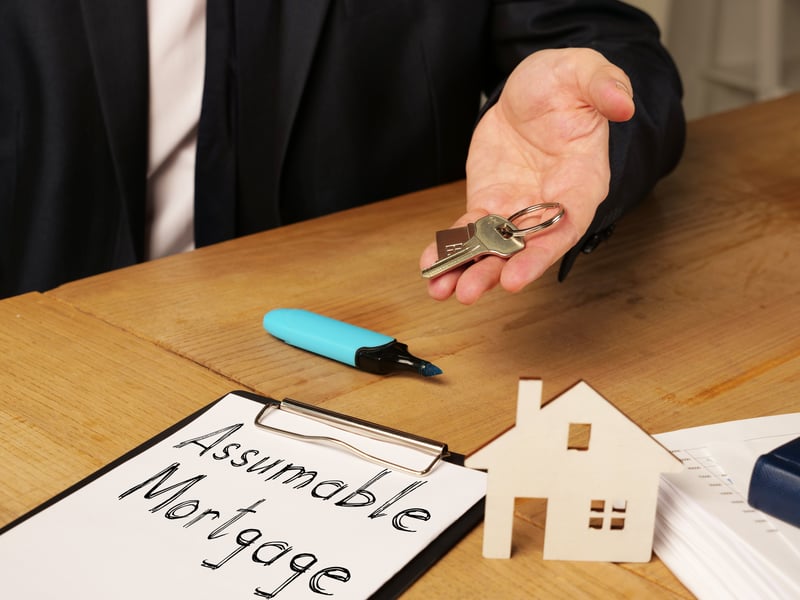
Choosing between a second mortgage and a refinance comes down to one core question: do you want to keep your current mortgage in place or replace it?
A second mortgage adds a new loan on top of your existing mortgage, while a refinance replaces your current mortgage with a new one. That means a second mortgage can help you tap equity while preserving your current first-mortgage rate. A refinance can help you change your rate, term, payment structure or cash position more completely.
If your current mortgage rate is meaningfully lower than today’s mortgage rates, a second mortgage may be worth comparing because it lets you borrow against equity without replacing the full first mortgage.
Refinancing is still worth considering in some cases. A refinance can make sense if you want to change your loan term, consolidate debt, remove private mortgage insurance or switch from an FHA loan to a conventional loan if you qualify.
Second Mortgage vs. Refinance Basics
| Feature |
Second Mortgage |
Refinance |
| Current First Mortgage |
Stays in place. |
Replaced with a new mortgage. |
| Common Loan Types |
Home equity loan or HELOC. |
Rate-and-term refinance or cash-out refinance. |
| How Funds Are Accessed |
Lump sum or revolving line, depending on the product. |
Through a new mortgage, with or without cash out. |
| Monthly Payments |
Adds a second payment. |
Usually creates one new mortgage payment. |
| Rate Relationship |
Often higher than first-lien mortgage rates. |
Based on current first-lien refinance pricing. |
| Best Fit |
Borrowing against equity while preserving your current mortgage. |
Changing the main mortgage structure or payment. |
What Is a Second Mortgage?
A second mortgage, also called a junior lien, is a loan you take out using your house as collateral while another mortgage is already secured by the same property.
Second mortgages usually come as a home equity loan or a HELOC.
A home equity loan is a lump-sum loan with a fixed rate and fixed monthly payments. A HELOC is a revolving line of credit secured by your home equity.
The CFPB explains that home equity loans and HELOCs use your home as collateral. If you cannot repay the loan, you could lose your home.
What Is Refinancing?
Refinancing means replacing your current mortgage with a new mortgage.
In practical terms, the new loan pays off the old one and becomes your new primary mortgage obligation. Depending on the structure, refinancing can help you lower your rate, change your term, switch loan types or take cash out.
The two main refinance categories are:
A rate-and-term refinance changes your rate, term or both without meaningfully pulling equity out.
A cash-out refinance replaces the existing mortgage with a larger one and gives you the difference in cash.
You can also compare related equity options in our guides on HELOCs vs. cash-out refinances and home equity loans vs. cash-out refinances.
There are also streamlined and specialized refinance options tied to government loan programs, including FHA and VA loans.
Second Mortgage Pros And Cons
| Potential Advantages |
Potential Drawbacks |
| Keeps your current first mortgage in place. |
Adds a second monthly payment. |
| Can be useful if your current mortgage rate is low. |
The loan is still secured by your home. |
| May have lower upfront transaction costs than a full refinance, depending on lender and product. |
HELOCs often have variable rates and payment uncertainty. |
| Can provide funds for renovations, debt consolidation or other major expenses. |
Junior-lien debt often costs more than first-lien mortgage debt because it is riskier for lenders. |
Refinance Pros And Cons
| Potential Advantages |
Potential Drawbacks |
| Creates one consolidated mortgage payment. |
Can cause you to lose a favorable existing first-mortgage rate. |
| Can lower your rate, shorten your term or change your loan type. |
Usually comes with closing costs. |
| Can provide larger lump-sum access to equity through a cash-out refinance. |
May reset amortization and increase lifetime interest if you restart into a longer term. |
| May help remove mortgage insurance in the right situation. |
A cash-out refinance increases the mortgage balance. |
Interest Rates And Payments Comparison
Second mortgages usually carry higher rates than first-lien mortgages because they are junior liens. That does not automatically make them the wrong choice.
In some cases, preserving a low existing first-mortgage rate makes a second mortgage cheaper overall than refinancing the entire balance into a new first mortgage at current rates.
Interest rates vary by lender, loan type, credit score, home equity, loan amount, property type and broader market conditions.
| Category |
Second Mortgage |
Refinance |
| Rate Relationship |
Usually higher than first-lien mortgages. |
Based on current first-lien refinance pricing. |
| Payment Structure |
Separate payment in addition to your existing mortgage. |
One consolidated mortgage payment. |
| Payment Volatility |
Fixed for many home equity loans, variable for many HELOCs. |
Often fixed for standard refinances, though adjustable-rate options exist. |
| Fees |
May be lower than a full refinance, but varies by lender and product. |
Can be higher because the full first mortgage is being replaced. |
When To Choose a Second Mortgage
A second mortgage may make more sense when:
- You already have a low first-mortgage rate you do not want to lose
- You need a smaller or more targeted amount of cash
- You want flexible access to funds through a HELOC
- You do not want to refinance the full mortgage balance
- You can comfortably manage two housing-related payments
When To Choose a Refinance
A refinance may make more sense when:
- You can improve your main mortgage terms enough to justify the closing costs
- You want one payment instead of two
- You want to shorten or extend your term
- You need a larger lump sum and want it built into one mortgage
- The new loan still makes sense after factoring in break-even timing
How Closing Costs Affect The Decision
A refinance often carries higher total closing costs because you are replacing the full first mortgage. A second mortgage can have lower upfront costs, but it is not cost-free.
To evaluate whether refinancing is worth it, calculate a break-even period:
Break-even months = total refinance costs ÷ monthly savings
If the break-even period is longer than your expected time in the home or on the loan, refinancing may not be worth it.
You can use our break-even calculator to get an idea of your own timing.
Tax Considerations
Interest on home equity borrowing is not broadly deductible. IRS guidance says home equity loan and HELOC interest is generally deductible only when the borrowed funds are used to buy, build or substantially improve the home securing the debt, subject to other limits and requirements.
That means interest is generally not deductible when the money is used for personal expenses such as debt consolidation, tuition or general spending.
The Bottom Line
The choice between a second mortgage and a refinance comes down to whether you want to keep your current mortgage in place or replace it.
A second mortgage lets you tap home equity without changing your existing first mortgage. A refinance replaces your existing mortgage with a new one, and a cash-out refinance can also let you access equity.
If you currently have a low mortgage rate and want to keep your mortgage intact while tapping equity, a second mortgage may be the stronger choice. If you want to modify your existing mortgage while also tapping equity, a cash-out refinance may be worth comparing.
Frequently Asked Questions
What Qualifies Me For a Second Mortgage Or Refinance?
Lenders usually review credit score, income, debt-to-income ratio, available equity and overall financial stability. Cash-out refinances and second mortgages both require enough equity to support the transaction.
How Do Second Mortgages And Refinancing Affect My Monthly Payments?
A second mortgage adds a separate payment on top of your current mortgage. A refinance replaces your existing mortgage with one new payment.
Can Refinancing Replace a Second Mortgage?
Yes. In many cases, a refinance can be used to pay off the first mortgage and the second mortgage, leaving one new loan in place.
When Is Refinancing Worth The Closing Costs?
Refinancing may be worth the cost when the new loan meaningfully improves your position and you expect to stay in the home long enough to recover the upfront costs through monthly savings or other benefits.
What Are The Risks Of Having a Second Mortgage?
Second mortgages create a junior lien on your home, which means the home remains collateral. HELOCs may also expose you to variable-rate payment changes.
Is a Second Mortgage Better Than a Cash-Out Refinance?
It depends on your current mortgage rate, equity, cash needs and repayment goals. A second mortgage may be better if you want to keep your current first mortgage. A cash-out refinance may be better if replacing the full mortgage improves your overall terms.




.jpg?quality=80&width=150)





















.jpg?quality=80&width=800)















































































































.jpg?quality=80&width=800)