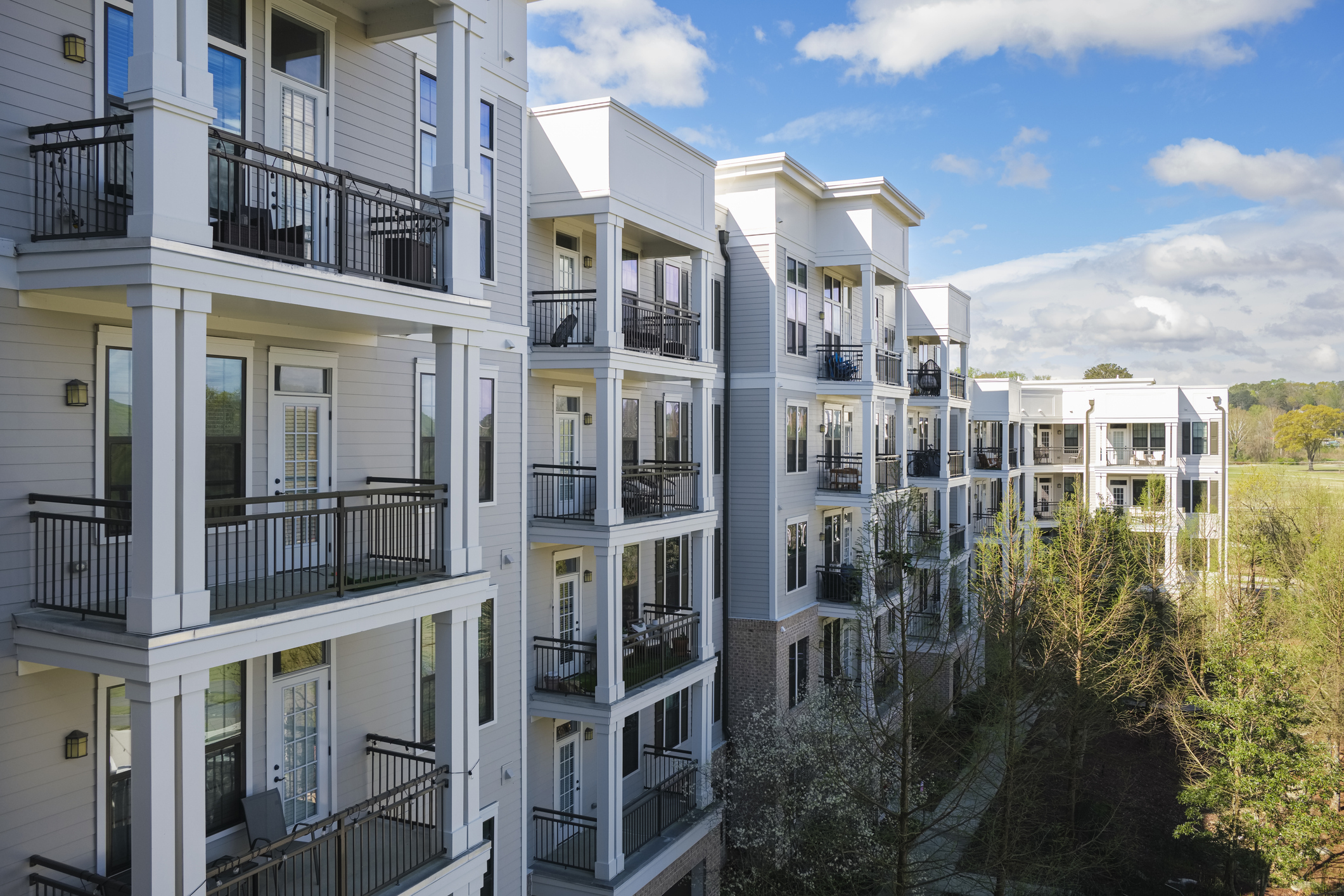
An assumable mortgage is a home loan that can be transferred from the current borrower to a new buyer.
Instead of applying for a completely new mortgage at current market rates, the buyer takes over the seller’s remaining loan balance, interest rate, repayment term and other existing loan terms.
Assumable mortgages can be useful when the seller’s mortgage rate is lower than current market rates. If the buyer qualifies and the lender approves the assumption, the buyer may be able to keep that lower rate.
The main challenge is equity. The buyer generally assumes only the remaining loan balance. If the home’s sale price is higher than the loan balance, the buyer needs to cover the difference with cash, a second loan or another approved financing structure.
| Assumable Mortgage Basics |
What To Know |
| What it means |
A qualified buyer takes over the seller’s existing mortgage. |
| Main benefit |
The buyer may be able to keep the seller’s existing interest rate and loan terms. |
| Common loan types |
FHA, VA and USDA loans are commonly assumable, subject to approval and program rules. |
| Common limitation |
Most conventional loans are not assumable in a standard home sale. |
| Main cost issue |
The buyer may need to cover the gap between the sale price and the remaining loan balance. |
How An Assumable Mortgage Works
With an assumable mortgage, the buyer applies to take over the seller’s existing loan. If approved, the buyer becomes responsible for the remaining payments under the existing mortgage terms.
For example, assume a seller has a $280,000 mortgage balance at a 3.5% interest rate, and the home is being sold for $400,000. If the loan is assumable and the buyer qualifies, the buyer may assume the $280,000 loan. The buyer still needs to cover the remaining $120,000 difference between the sale price and the loan balance, plus closing costs.
That difference is often called the equity gap. It can be the biggest practical hurdle in an assumption because the existing mortgage may cover only part of the purchase price.
Which Mortgages Are Assumable?
Assumability depends on the loan type and the loan documents. Government-backed loans are usually the most relevant place to start.
| Loan Type |
Usually Assumable? |
What To Know |
| FHA |
Often yes. |
The buyer generally must qualify with the lender, and the seller should confirm release of liability. |
| VA |
Often yes. |
A qualified buyer may assume a VA loan, but the seller’s VA entitlement and release of liability need careful review. |
| USDA |
Often possible. |
The buyer must meet USDA eligibility and assumption requirements. |
| Conventional |
Usually no in a standard sale. |
Many conventional loans include due-on-sale or due-on-transfer provisions. |
FHA Assumable Mortgages
FHA loans are commonly assumable, but the buyer usually needs to qualify. For many FHA assumptions, the buyer must be creditworthy and must agree to assume and pay the mortgage debt. When the applicable requirements are met, the seller may be released from liability after the assumption is completed
That release matters. Without a release of liability, the original borrower may remain connected to the debt if the new borrower later defaults.
VA Assumable Mortgages
VA loans can be assumed, but approval and seller protections matter. A VA assumption can involve a transfer of ownership and a release of liability. If the buyer is also an eligible veteran and substitutes their entitlement, the seller may be able to restore the entitlement tied to the loan. If entitlement is not substituted, the seller’s entitlement may remain tied to the assumed loan until it is paid off.
A non-veteran may be able to assume a VA loan if they qualify, but that can affect the seller’s VA entitlement. Sellers using VA loans should review release of liability and entitlement restoration before agreeing to an assumption.
USDA Assumable Mortgages
USDA guaranteed loans may be transferred and assumed under USDA rules. The transferee must assume the full debt, acquire title to the security property and meet the applicable eligibility requirements. USDA rules also require the lender to obtain approval when required before consenting to the transfer.
USDA assumptions can be useful, but the buyer still needs to meet USDA income, occupancy, property and credit requirements.
Conventional Assumable Mortgages
Most conventional mortgages are not assumable in a standard home sale because they commonly include due-on-sale or due-on-transfer provisions. Those provisions allow the lender to require repayment when the property changes ownership.
Fannie Mae’s servicing guidance addresses conventional mortgages with due-on-sale or due-on-transfer provisions, and Freddie Mac’s guide includes transfer and assumption rules that can limit when an assumption is allowed.
There can be exceptions, including certain transfers required by law or specific loan terms. The loan servicer can confirm whether a particular conventional loan is assumable.
Pros And Cons Of An Assumable Mortgage
| Potential Benefit |
Potential Trade-Off |
| The buyer may keep a lower existing interest rate. |
The buyer may need significant cash or secondary financing to cover the equity gap. |
| The seller may make the home more attractive to buyers. |
The seller needs release of liability to avoid future risk. |
| Some assumptions may have lower loan-related costs than a new mortgage. |
The process can take time and requires servicer approval. |
| The buyer may inherit a shorter remaining repayment timeline. |
The existing loan terms may not match the buyer’s needs. |
The Bottom Line
An assumable mortgage lets a qualified buyer take over a seller’s existing home loan. This can be valuable when the existing loan has a lower rate than current market loans.
The main issues are eligibility, lender approval, the equity gap and seller liability. FHA, VA and USDA loans are the most common assumable loan types, while most conventional loans are not assumable in a standard sale.
Before relying on an assumption, confirm the loan type, ask the servicer for the assumption requirements and calculate the full cost of covering the seller’s equity.
Frequently Asked Questions
What Is An Assumable Mortgage?
An assumable mortgage is a home loan that a qualified buyer can take over from the seller. The buyer assumes the remaining balance, interest rate, repayment term and loan conditions.
Are All Mortgages Assumable?
No. FHA, VA and USDA loans are commonly assumable with approval. Most conventional loans are not assumable in a standard home sale.
Why Would A Buyer Want An Assumable Mortgage?
A buyer may want an assumable mortgage if the existing loan has a lower interest rate than current market rates or lower costs than a new mortgage.
What Is The Equity Gap In An Assumable Mortgage?
The equity gap is the difference between the home’s sale price and the remaining balance on the assumed mortgage. The buyer usually needs to cover that gap with cash, secondary financing or another approved structure.
Does The Seller Stay Responsible After A Mortgage Assumption?
Not if the seller receives a proper release of liability. Without one, the seller may remain connected to the debt if the buyer later defaults.




.jpg?quality=80&width=150)



.jpg?quality=80&width=800)