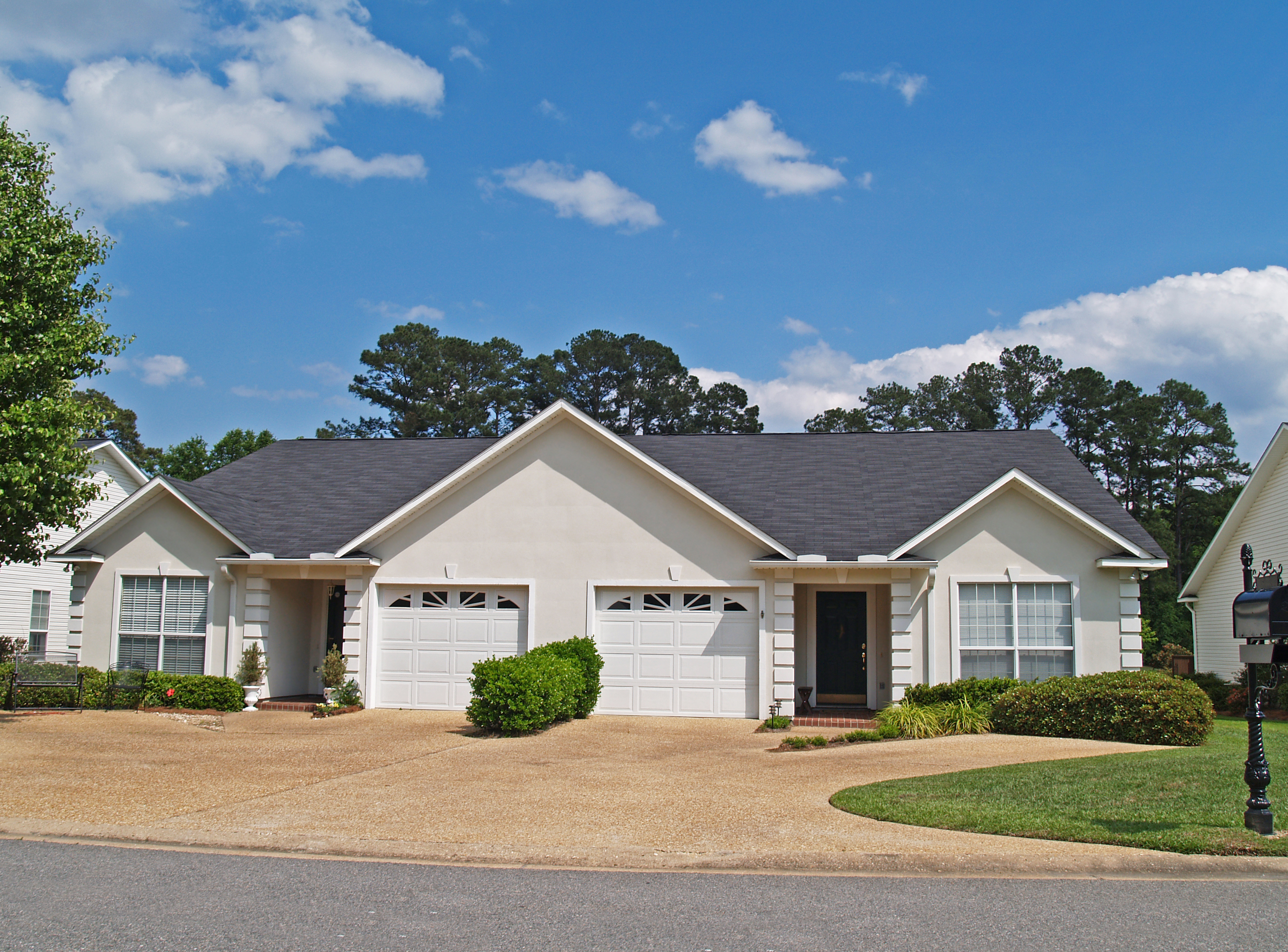
Whether you can assume a mortgage comes down to loan type and lender approvable.
A mortgage assumption lets you take over an existing loan rather than replace the entire balance with a new mortgage. You may be able to keep an existing interest rate that is lower than current mortgage rates, but qualification rules, the seller's equity and the loan program can determine whether the transaction works.
Mortgage Assumption Basics
| Mortgage Assumption Basics |
What To Know |
| Can you assume a mortgage? |
Yes, when the loan is assumable and the required approvals are obtained. |
| Common assumable loans |
FHA, VA and USDA loans can allow assumptions under their program rules. |
| Conventional loans |
Most are not assumable in an ordinary sale, although some loan types and protected transfers are exceptions. |
| Buyer qualification |
The buyer generally must complete the servicer's assumption process and meet applicable underwriting requirements. |
| Equity gap |
The buyer must cover the difference between the purchase price and the remaining mortgage balance. |
| Existing rate |
An assumption may preserve the existing rate and remaining loan term when the loan and program rules permit it. |
What Does It Mean To Assume a Mortgage?
To assume a mortgage means to become responsible for an existing home loan instead of taking out a new first mortgage for the full amount being financed.
The buyer takes over the remaining loan balance under the assumption agreement. Depending on the loan program and transaction, the existing interest rate, maturity date and payment structure may continue.
An assumption does not mean simply taking over the seller's monthly payments informally. The loan servicer must process the transfer when approval is required, and the parties must complete the documents needed to address ownership of the home and responsibility for the mortgage debt.
Which Loan Types Can Be Assumed?
FHA Loans
FHA loans can be assumed under HUD rules. HUD's FHA handbook generally requires an assuming borrower to be underwritten under FHA standards, with limited exceptions for certain transfers that receive special treatment under federal law.
For a standard purchase, the buyer should expect the servicer to review the financial information needed to determine whether the buyer meets FHA qualification requirements. The seller's release from liability should be documented as part of the approved assumption when applicable.
VA Loans
VA loans are assumable by qualified buyers. The buyer does not have to be a veteran. VA assumption guidance states that an assumption must be approved when the loan is current, the buyer is contractually obligated to purchase the property and assume full liability, and the buyer is creditworthy under VA standards.
VA seller liability and VA entitlement are separate issues. An assumption can be completed without a substitution of entitlement, but the seller's VA entitlement generally remains tied to the loan until it is paid in full. If the buyer is an eligible veteran with sufficient entitlement and meets VA requirements for substitution, the buyer may substitute entitlement so the seller's entitlement can be restored.
USDA Loans
USDA loans can also allow assumptions, but the rules depend on the USDA program. For a Single Family Housing Guaranteed Loan, the servicer must obtain USDA approval before completing a transfer with an assumption.
USDA servicing guidance requires the assuming borrower to take on the applicable debt and meet program requirements. USDA's guaranteed-loan regulation also states that the transferor remains personally liable for the debt in an approved transfer with assumption. USDA seller-liability treatment therefore differs from a standard VA release-of-liability analysis.
USDA direct Section 502 loans are governed by separate servicing rules, so buyers and sellers should identify whether the existing loan is direct or guaranteed before relying on a specific assumption rule.
Conventional Loans
Most conventional mortgages are not freely assumable in an ordinary home sale because their loan documents include due-on-sale or due-on-transfer provisions. Those provisions allow the debt to be accelerated when ownership changes unless an exception applies.
Fannie Mae's servicing guide allows assumptions or transfers for certain adjustable-rate and older portfolio loans when its requirements are met. Freddie Mac's guide also recognizes specific assumable loan structures and protected transfers.
For a conventional loan, the loan documents and investor rules control. A buyer considering this route can also review how conventional mortgage assumptions work in the limited situations where they are permitted.
How Does Assuming a Mortgage Work?
- Confirm the existing loan type and whether the note, security instrument and program rules allow an assumption.
- Contact the current mortgage servicer and request its assumption application and required documents.
- Submit the financial information needed for any required creditworthiness or underwriting review.
- Determine how the difference between the purchase price and remaining loan balance will be paid.
- Complete any lender, servicer, mortgage insurer or government-agency approval required for the loan.
- Complete the title transfer and assumption documents, including any applicable release-of-liability or VA entitlement documents.
The exact process depends on the loan type. A buyer should not rely on a listing description or the seller's understanding of the mortgage. The current servicer is the party that can confirm the assumption process for the existing loan.
How Much Cash Do You Need To Assume a Mortgage?
The biggest cash-to-close issue is often the equity gap, which is the difference between the home's purchase price and the balance of the mortgage being assumed.
For example, if a home sells for $400,000 and the assumable mortgage has a $260,000 remaining balance, the gap is $140,000. The buyer must cover that amount, plus applicable closing costs, with cash or financing that is permitted for the transaction.
The equity gap is not always the same thing as a program-defined down payment. A buyer may be assuming the full remaining first-mortgage balance while still needing substantial funds to pay the seller for the equity that is not financed by that loan.
What Costs Come With Assuming a Mortgage?
Mortgage-assumption costs depend on the loan program, servicer and transaction. They can include:
- Cash needed to cover the seller's equity.
- Assumption processing fees.
- Credit report fees.
- Title, settlement and recording charges.
- Taxes, insurance and escrow adjustments.
- Program-specific charges.
- Costs associated with permitted secondary financing.
VA assumptions have specific fee rules. The VA funding fee for a loan assumption is 0.5% unless an exemption applies. VA also permits certain assumption processing and locality-based fees under its current rules.
Can You Assume a Mortgage Without Qualifying?
For a standard home purchase, a buyer should generally expect to qualify through the servicer when the program requires a creditworthiness review. Simply making the existing borrower's payments does not by itself make the buyer a borrower on the mortgage.
Protected Transfers Are Different
Federal law gives special treatment to certain ownership transfers involving death, divorce, spouses, children and some trusts. In those situations, a due-on-sale clause may not be enforceable in the same way it would be in an ordinary sale.
The CFPB explains that a successor in interest can acquire ownership without automatically becoming personally liable for the mortgage debt. Assuming the debt is a separate step if the new owner wants to become an obligor and, when applicable, have the original borrower released from liability.
Pros and Cons of Assuming a Mortgage
| Potential Advantages |
Potential Drawbacks |
| May preserve an existing interest rate that is below rates available on a new loan. |
The buyer may need substantial cash or secondary financing to cover the equity gap. |
| May avoid replacing the entire existing balance with a new first mortgage. |
The buyer may still need full underwriting and servicer or agency approval. |
| Can preserve the remaining repayment schedule when the existing terms continue. |
Secondary financing can increase the buyer's total borrowing cost. |
| Can make a lower-rate existing loan part of the purchase structure. |
Seller liability and, for VA loans, entitlement can create additional issues that must be resolved. |
When Does Assuming a Mortgage Make Sense?
When an Assumption May Fit
An assumption may be worth considering when the existing loan permits it, the existing rate is meaningfully below available new-loan rates and the buyer can cover the equity gap without creating an unaffordable second debt.
It can also make sense when the buyer meets the program's qualification rules and the seller understands the liability consequences of the transaction.
When an Assumption May Not Fit
An assumption may not work if the loan is not assumable, the buyer cannot qualify, the equity gap is too large or secondary financing makes the overall borrowing cost less favorable.
It may also be a poor fit when the seller cannot obtain the required liability treatment or, for a VA loan, when the effect on entitlement does not fit the seller's future plans.
Bottom Line
You can assume a mortgage when the existing loan and applicable program rules permit the transfer and the required approvals are obtained. FHA, VA and USDA loans can allow assumptions, while most conventional mortgages are not assumable in a standard sale.
The buyer usually needs to qualify and must account for the equity gap between the purchase price and the remaining loan balance. Seller liability should be evaluated under the specific loan program. VA sellers should separately confirm release of liability and entitlement treatment, while USDA guaranteed-loan assumptions can leave the transferor personally liable.
Frequently Asked Questions
Can You Assume a Mortgage?
Yes. A mortgage can be assumed when the loan permits assumption and the buyer completes any required servicer, lender or agency approval process.
What Types of Mortgages Are Assumable?
FHA, VA and USDA loans can be assumable under their program rules. Most conventional mortgages are not assumable in an ordinary home sale, although some adjustable-rate, specially structured or protected-transfer situations can be exceptions.
Can You Assume a Conventional Mortgage?
Usually not in a standard sale. Most conventional loan documents include due-on-sale or due-on-transfer provisions, although some loans and legally protected transfers can be exceptions.
Can You Assume an FHA Loan?
Yes, FHA-insured mortgages can be assumed under HUD rules. For a standard purchase, the assuming borrower generally must complete the required underwriting review.
Can a Non-Veteran Assume a VA Loan?
Yes. A non-veteran can assume a VA loan if the buyer qualifies and the assumption is approved. However, the seller's VA entitlement generally remains tied to the loan unless an eligible veteran buyer substitutes entitlement.
Can You Assume a USDA Loan?
USDA loans can allow assumptions, but the rules depend on whether the loan is guaranteed or direct. USDA guaranteed-loan assumptions require agency approval and have specific eligibility, property and seller-liability rules.
Do You Need a Down Payment To Assume a Mortgage?
Not necessarily in the same way as a new purchase mortgage. However, if the home's purchase price is higher than the remaining mortgage balance, the buyer must cover that equity gap with cash or financing allowed by the loan program and servicer.
Does Assuming a Mortgage Release the Seller From Liability?
Not automatically, and the answer depends on the loan program. VA assumptions have a formal release-of-liability process. USDA guaranteed-loan rules can require the transferor to remain personally liable even after an approved assumption.
How Long Does a Mortgage Assumption Take?
There is no single timeline for every mortgage assumption. Timing depends on the servicer, loan program, completeness of the application and any required agency review. For VA loans, a holder or servicer with automatic authority generally must decide a complete assumption application within 45 calendar days.




.jpg?quality=80&width=150)





















.jpg?quality=80&width=800)















































































































.jpg?quality=80&width=800)

.jpg?quality=80&width=800)

















.jpg?quality=80&width=800)













.jpg?quality=80&width=800)

































.jpg?quality=80&width=800)