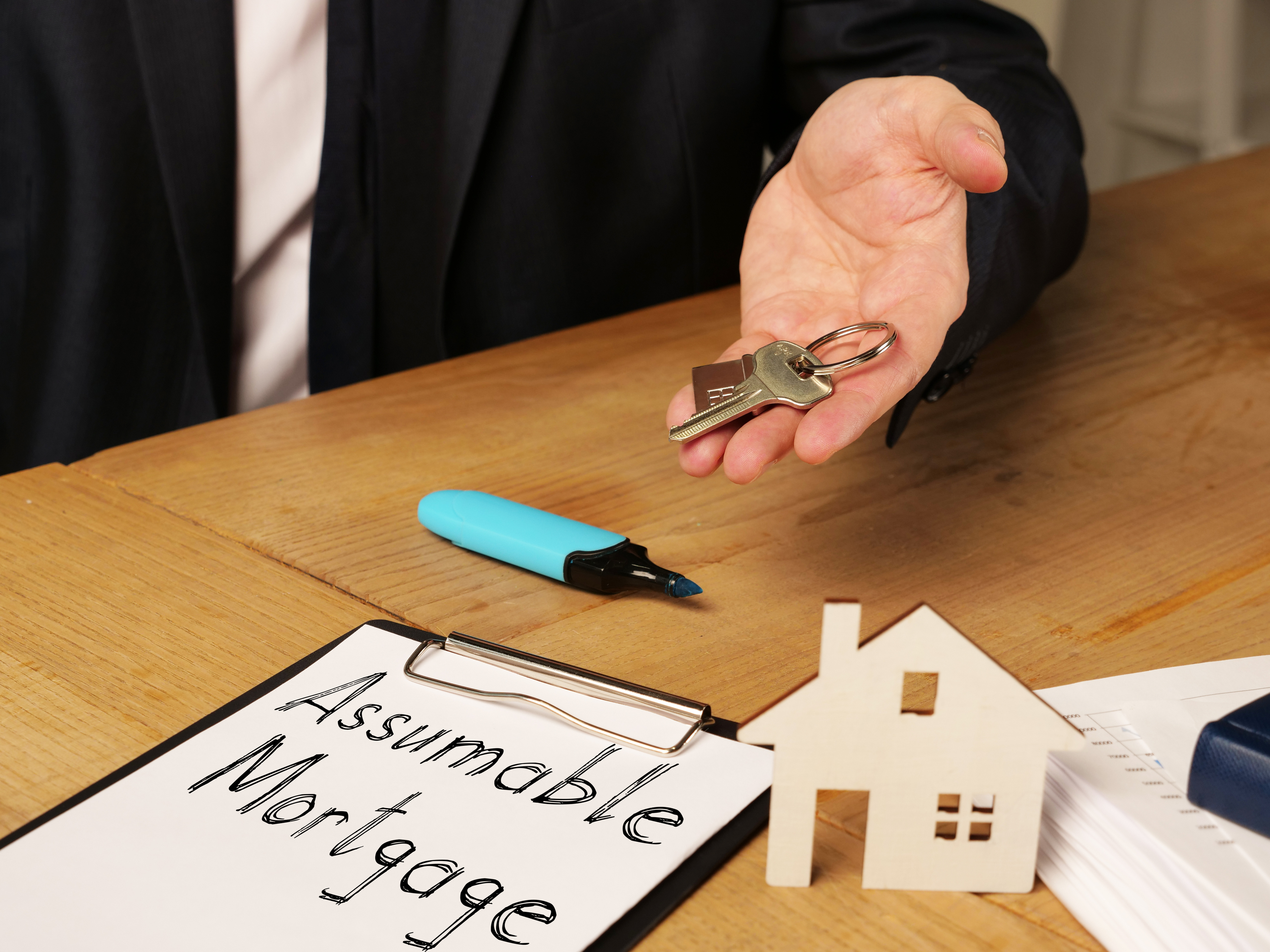
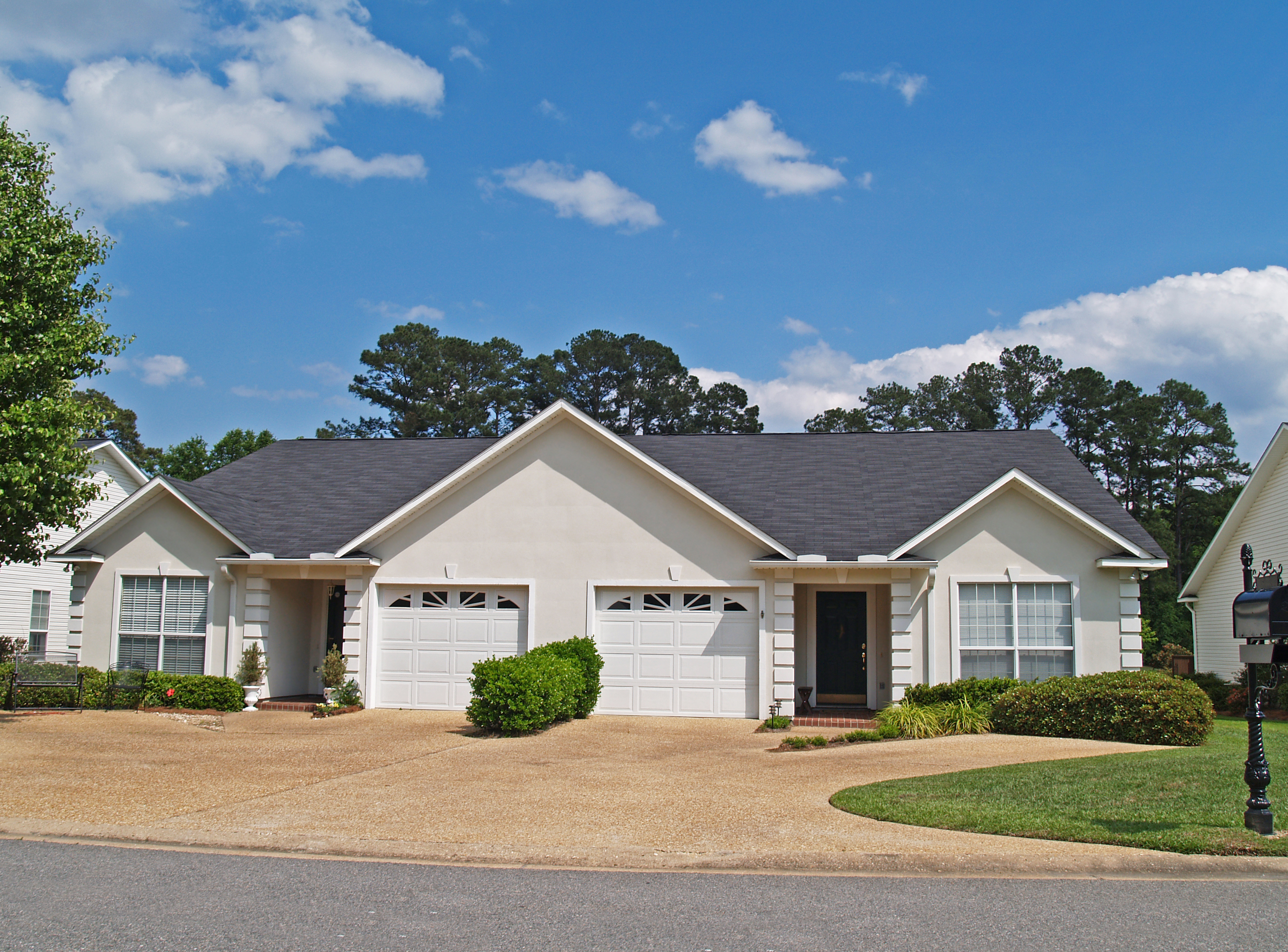
A $5,000 down payment can be enough to buy a house, but exactly much house you can afford depends on both the minimum down payment and the monthly payment your budget can support.
By itself, $5,000 equals a conventional 3% down payment on a home priced at approximately $166,60, or a 3.5% FHA down payment on a home priced at approximately $142,800.
But those figures do not include closing costs. You may need additional cash unless seller concessions, lender credits, gift funds or an eligible assistance program reduce the amount due at closing.
You can use our home affordability calculator to estimate a price range using your income, debts and local housing costs.
$5,000 Down Payment Basics
| Loan Option |
Minimum Down Payment Used |
Approximate Maximum Price With $5,000 Down |
| Conventional loan |
3% |
$166,600 |
| FHA loan |
3.5% |
$142,800 |
| VA or USDA loan |
Potentially 0% |
Determined by income, debts, program eligibility and property requirements |
Estimate Assumptions
The examples on this page assume: A 30-year fixed mortgage at 6.55%, $5,000 down, annual property taxes equal to 1.10% of the home price, annual homeowners insurance equal to 0.35%, no homeowners association dues and no other monthly debts. The conventional examples use estimated private mortgage insurance equal to 0.60% of the loan balance annually.
The illustrative rate is based on the national average reported by Freddie Mac on July 16, 2026. Actual rates, mortgage insurance premiums, taxes, insurance costs and approval amounts vary.
What Does $5,000 Cover?
Your down payment is the portion of the purchase price you pay upfront rather than finance through the mortgage. It is only one part of the amount you may need to complete a home purchase.
For example, buying a $150,000 home with $5,000 down would leave a base mortgage balance of $145,000 before any financed program fees. Your down payment would equal about 3.33% of the purchase price.
The $5,000 would not automatically cover:
- Loan origination and underwriting charges
- Appraisal and credit report fees
- Title and settlement services
- Government recording charges and transfer taxes
- Prepaid mortgage interest
- Initial property tax and insurance escrow deposits
- Home inspections
- Moving expenses or immediate repairs
The Consumer Financial Protection Bureau explains that mortgage closing costs may include appraisal charges, title insurance, government taxes and prepaid expenses. Your Loan Estimate should provide an early estimate of these charges.
Cash to close is the final amount you must provide at settlement after accounting for your down payment, closing costs, deposits, lender credits, seller credits and other permitted funds.
Best Loan Types for a Small Down Payment
FHA Loans With 3.5% Down
An FHA-insured loan generally allows a minimum required investment of 3.5% when the borrower meets the applicable credit and underwriting requirements. HUD also permits the required funds to come from acceptable sources that may include the borrower’s own money, gifts, grants and approved secondary financing.
HUD describes the 3.5% minimum investment and permitted funding sources as features of FHA-insured financing. More detailed requirements appear in the FHA Single Family Housing Policy Handbook 4000.1.
With exactly $5,000 available for the down payment, 3.5% down supports a purchase price of approximately $142,800:
$5,000 ÷ 0.035 = $142,857
FHA loans require an upfront mortgage insurance premium and an annual mortgage insurance premium. The upfront premium is commonly financed into the mortgage, while the annual premium is generally included in the monthly payment.
Review the FHA minimum down payment requirements for more information about credit, gift funds and mortgage insurance.
Conventional Loans With 3% Down
Certain conventional mortgages allow eligible borrowers to purchase a primary residence with 3% down. Availability depends on the loan product, occupancy, income, property and underwriting requirements.
Fannie Mae’s HomeReady mortgage, for example, allows down payments as low as 3% for eligible borrowers and permits certain gifts, grants and subordinate financing to fund down payment and closing costs.
With $5,000 available for a 3% down payment, the mathematical purchase-price ceiling is approximately $166,600:
$5,000 ÷ 0.03 = $166,667
A conventional mortgage with less than 20% down will generally require private mortgage insurance. The cost depends on factors such as your credit, loan-to-value ratio, loan term and mortgage insurer.
Unlike FHA mortgage insurance on many loans, conventional private mortgage insurance may be canceled after you meet applicable equity and payment-history requirements.
Down Payment Assistance
Down payment assistance can take the form of a grant, forgivable loan, deferred-payment loan or repayable second mortgage. Programs may be offered by state housing finance agencies, local governments, nonprofits or other approved organizations.
Eligibility may depend on:
- Household income
- Purchase price
- Property location
- First-time buyer status
- Homebuyer education
- The type of first mortgage
- How long you occupy the property
Assistance could supplement your $5,000 or preserve part of it for closing costs. It may also create a second lien or repayment obligation, so review the program terms rather than treating all assistance as free money.
VA and USDA Loans
Eligible VA and USDA borrowers may qualify for mortgages that require no down payment. In that situation, some or all of the $5,000 could potentially be used for closing costs, prepaid expenses or reserves.
VA eligibility generally depends on qualifying military service or another eligible status. USDA eligibility depends on household income, the property’s location, occupancy and other program requirements.
These programs should not be treated as general alternatives available to every buyer. Review the guide to low-down-payment mortgage options to compare loan types.
How Much House Can $5,000 Down Buy?
The down payment creates a maximum price based on the selected loan program, but your income may produce a lower limit.
The table below estimates the home price supported by a housing payment equal to 28% of gross monthly income. The figures are then capped at approximately $166,600 for a 3%-down conventional loan and $142,800 for an FHA loan requiring 3.5% down.
| Annual Income |
Monthly Housing Budget |
Estimated Conventional Price |
Estimated FHA Price |
| $40,000 |
$933 |
$120,000 |
$119,000 |
| $50,000 |
$1,167 |
$149,000 |
$142,800 |
| $60,000 |
$1,400 |
$166,600 |
$142,800 |
| $75,000 |
$1,750 |
$166,600 |
$142,800 |
| $90,000 |
$2,100 |
$166,600 |
$142,800 |
| $100,000 |
$2,333 |
$166,600 |
$142,800 |
Once income supports a higher price, the fixed $5,000 down payment becomes the limiting factor. Buying above these price points would require additional down payment funds, a lower minimum-down-payment requirement or eligible assistance.
Existing debts can reduce the estimates. A lender may consider auto loans, student loans, credit card minimums, personal loans, child support and other recurring obligations when calculating your debt-to-income ratio.
What Would the Monthly Payment Look Like?
Consider a $150,000 home purchased with a conventional 30-year fixed mortgage and $5,000 down.
| Payment Component |
Estimated Amount |
| Purchase price |
$150,000 |
| Down payment |
$5,000 |
| Loan amount |
$145,000 |
| Interest rate and term |
6.55% for 30 years |
| Principal and interest |
$921 per month |
| Property taxes |
$138 per month |
| Homeowners insurance |
$44 per month |
| Estimated private mortgage insurance |
$73 per month |
| HOA dues |
$0 |
| Estimated total monthly housing payment |
$1,176 |
A $1,176 housing payment equals approximately 28% of gross monthly income for someone earning about $50,400 per year. That does not mean every borrower earning that amount would qualify.
The estimate excludes maintenance, utilities and repairs. It also assumes no other monthly debts. Actual private mortgage insurance could be higher or lower than the example.
Closing Costs and Cash to Close
Having $5,000 for a down payment does not necessarily mean $5,000 is all you need.
The CFPB defines cash to close as the amount you must provide at closing after the transaction’s charges, credits and financing are combined.
For example, assume you buy a $150,000 home with:
- A $5,000 down payment
- $4,000 in loan and closing costs
- $2,000 in prepaid taxes, insurance and interest
- A $3,000 seller credit
- A $1,000 earnest-money deposit already paid
Your simplified cash-to-close calculation would be:
$5,000 down payment + $4,000 closing costs + $2,000 prepaid expenses − $3,000 seller credit − $1,000 deposit = $7,000 due at closing
The actual calculation may include additional adjustments. Review the Loan Estimate when you apply and the Closing Disclosure before settlement. The CFPB states that lenders generally must provide the Closing Disclosure at least three business days before closing.
How to Stretch a $5,000 Down Payment
Request Seller Concessions
A seller may agree to pay some permitted closing costs. The amount depends on the loan program, down payment, occupancy and transaction terms.
A seller concession can reduce the cash you bring to closing, but it does not increase the amount of your down payment. The CFPB notes that a seller may seek a higher purchase price in exchange for paying closing costs. The property must still support the agreed price.
Use Eligible Gift Funds
Many mortgage programs allow eligible relatives or other approved donors to provide gift funds. The lender will generally require documentation showing where the money came from and confirming that repayment is not expected.
Gift funds may cover some or all of the down payment or closing costs when the loan program permits it. Do not deposit a large undocumented transfer shortly before applying and assume it will be accepted.
Research Down Payment Assistance
State and local programs may provide funds for the down payment, closing costs or both. Apply early because the assistance program may require a separate application, homebuyer education and additional underwriting.
Consider Lender Credits
A lender credit can reduce upfront closing costs. It is commonly provided in exchange for a higher mortgage rate, which increases the monthly payment and may increase long-term interest costs.
Compare the credit with the higher payment over the period you expect to keep the mortgage.
Compare a Lower Price
A less expensive home reduces the minimum down payment, loan balance, principal-and-interest payment and some price-based costs. It can also leave more of your savings available for closing and post-purchase expenses.
Continue Saving
An additional $5,000 would bring the down payment to $10,000. That could support a higher purchase price, reduce the mortgage balance or provide more flexibility for closing costs.
Compare the difference in how much house you can afford with $10,000 down. You can also see what affordability looks like with now down payment in our $0 down guide.
Bottom Line
A $5,000 down payment may be enough to buy a home priced at approximately $166,600 with an eligible 3%-down conventional loan or about $142,800 with an FHA loan requiring 3.5% down.
Your income and monthly obligations may produce a lower affordable price. You may also need more than $5,000 in total because the down payment does not include closing costs, prepaid expenses, inspections, moving costs or emergency savings.
Compare FHA, conventional and assistance options based on the complete monthly payment and cash-to-close requirement. A lower minimum down payment does not necessarily produce the lowest monthly or long-term cost.
FAQ
Is $5,000 Enough to Buy a House?
It can be. A $5,000 down payment equals 3% of a home priced at approximately $166,600 or 3.5% of a home priced at approximately $142,800. You must still qualify for the mortgage and account for closing costs and other expenses.
Can $5,000 Cover Both the Down Payment and Closing Costs?
Possibly, but $5,000 may not cover both without assistance. Seller concessions, lender credits, gift funds and down payment assistance can reduce the amount you need, subject to program limits and transaction requirements.
How Much Income Do You Need to Buy a House With $5,000 Down?
The required income depends on the home price, interest rate, taxes, insurance, mortgage insurance, HOA dues and your other debts. Under the assumptions used here, a $150,000 conventional purchase produces an estimated monthly housing payment of about $1,176.
Can You Get a Conventional Loan With $5,000 Down?
Yes, when $5,000 meets the required down payment and you qualify for an eligible conventional program. At 3% down, $5,000 supports a purchase price of approximately $166,600.
Can You Get an FHA Loan With $5,000 Down?
Yes, if $5,000 covers the minimum required investment and you meet FHA and lender requirements. At 3.5% down, $5,000 supports a purchase price of approximately $142,800.
Can Gift Funds Be Used With a $5,000 Down Payment?
Many FHA and conventional loans permit eligible gift funds. The donor, permitted use and documentation requirements depend on the loan program.
Can Seller Concessions Pay the Down Payment?
Seller concessions generally pay permitted closing costs rather than the borrower’s minimum required down payment. Reducing closing costs can preserve more of your available money for the down payment.
Do You Need Mortgage Insurance With $5,000 Down?
An FHA loan requires mortgage insurance. A conventional loan with less than 20% down will generally require private mortgage insurance unless the transaction uses another permitted structure.




.jpg?quality=80&width=150)





















.jpg?quality=80&width=800)


































































































.jpg?quality=80&width=800)

.jpg?quality=80&width=800)













.jpg?quality=80&width=800)













.jpg?quality=80&width=800)
































.jpg?quality=80&width=800)