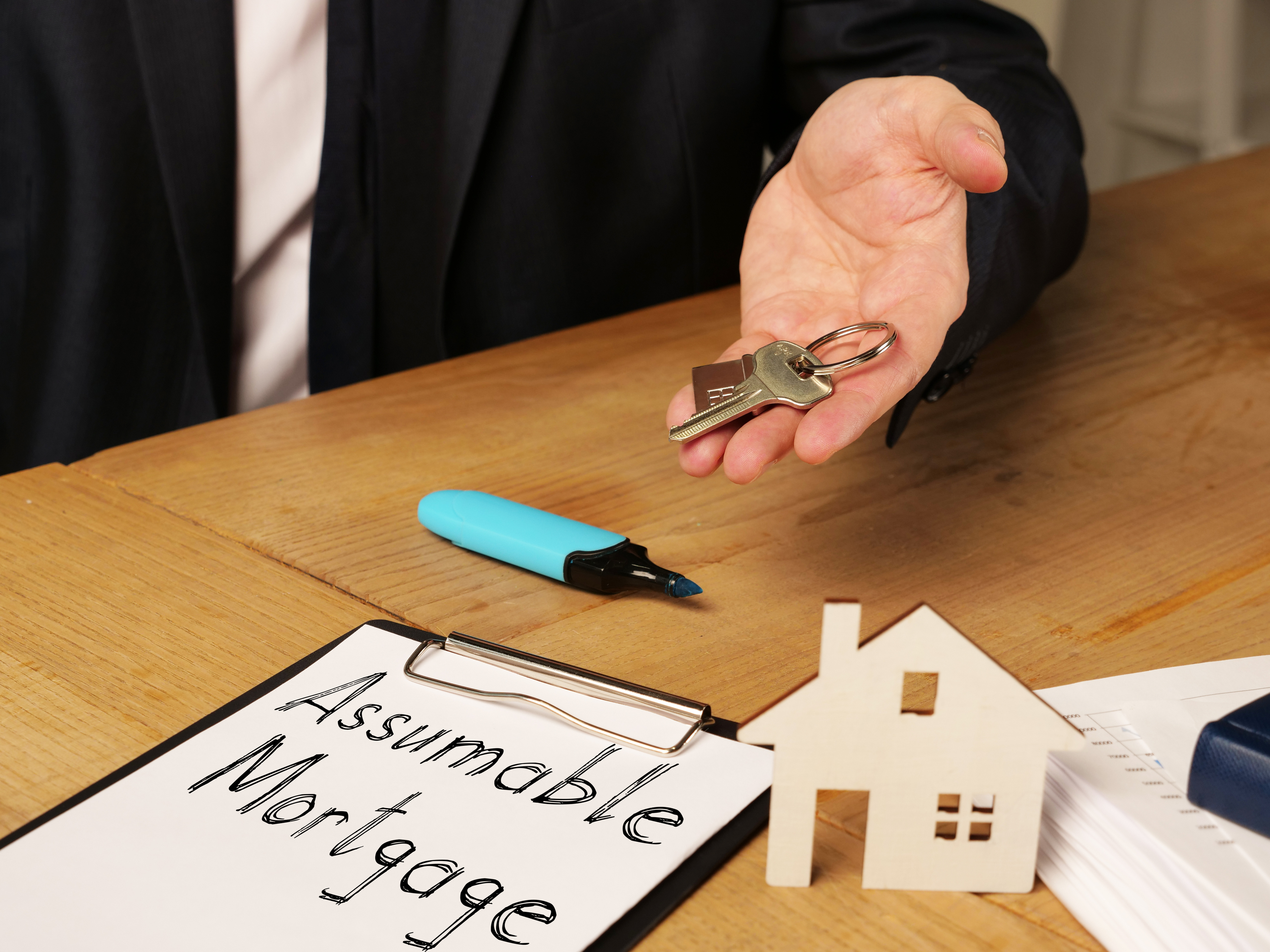
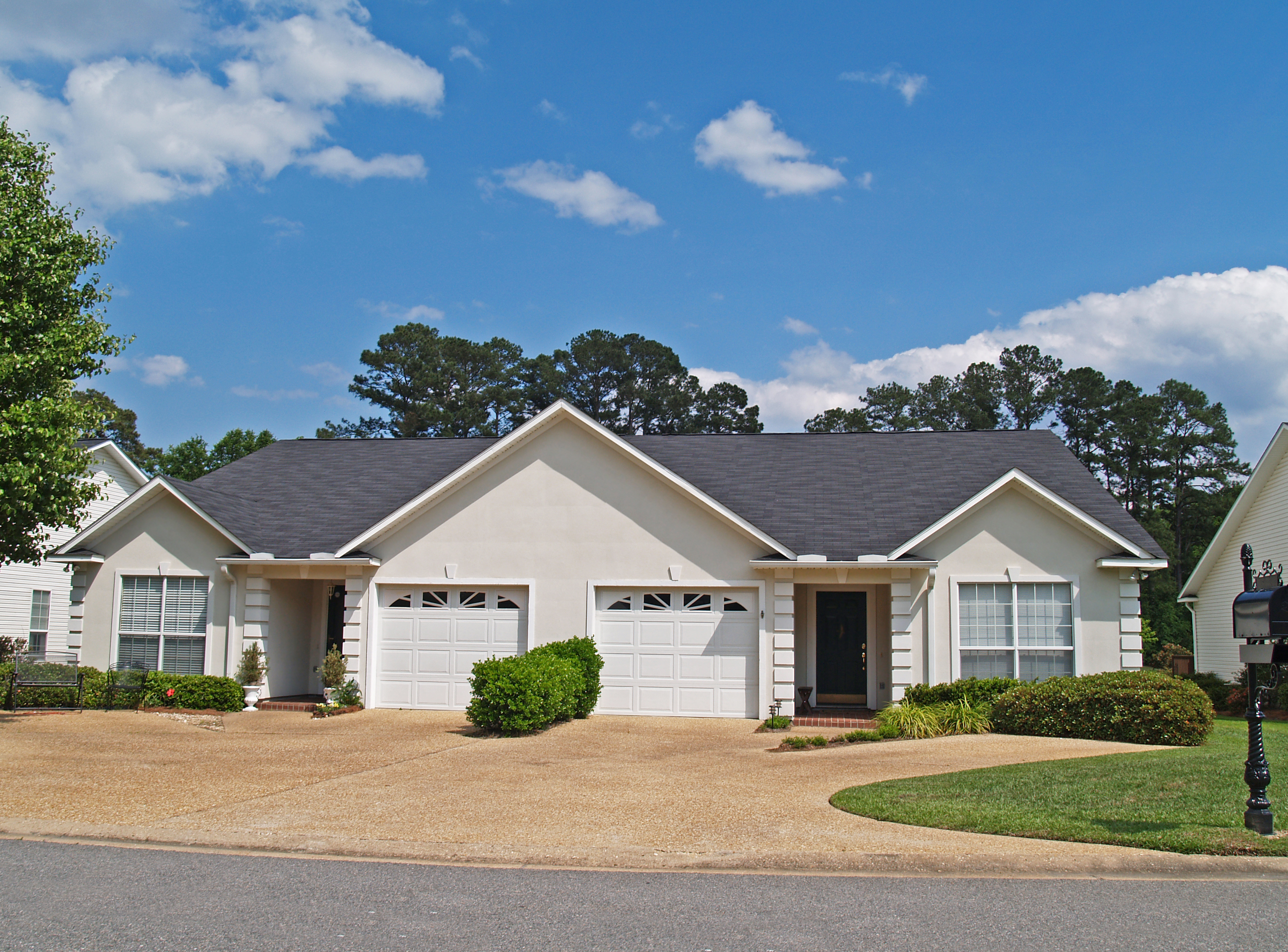
You may need an annual income of about $68,000 to $83,000 to afford a $250,000 house.
The lower end assumes 20% down. With 5% down, the income estimate is closer to $82,000. A smaller down payment means a larger mortgage and usually adds private mortgage insurance to the monthly payment.
Your debts and local housing costs can change the answer. Property taxes, homeowners insurance and HOA dues vary widely, even between homes with the same purchase price.
These numbers are a starting point, not a loan offer or approval. They assume a 30-year fixed mortgage, no HOA dues and no monthly debt unless a section says otherwise.
$250,000 House Income Basics
| Home price |
$250,000 |
| Income needed with 5% down |
About $82,000 |
| Income needed with 20% down |
About $67,500 |
| Rate and term |
6.55% fixed for 30 years |
| Property taxes |
1.10% of the home price per year |
| Homeowners insurance |
0.35% of the home price per year |
| Mortgage insurance |
0.50% of the loan amount per year below 20% down |
| HOA dues |
$0 included |
| Other monthly debt |
$0 included |
The 6.55% rate matches the average 30-year fixed mortgage rate published by Freddie Mac for July 16, 2026. Mortgage rates change frequently, and the rate offered to a borrower depends on factors including credit, loan type, down payment, points and the property.
The home affordability calculator lets you replace these assumptions with your own rate, debts, down payment, taxes, insurance and HOA dues.
How Much Income Do You Need for a $250,000 House?
With 5% down, a $250,000 house could require income of about $82,000 a year. That works out to about $6,833 in gross monthly income.
The monthly housing payment comes to about $1,910 under the assumptions above. That includes principal, interest, property taxes, homeowners insurance and private mortgage insurance.
A larger down payment can bring the income requirement down. At 20% down, the payment falls to about $1,573, which fits a gross income near $67,500 under the 28% guideline.
Closing costs and prepaid expenses are separate from the down payment. Title charges, lender fees, appraisal costs, prepaid interest and initial tax and insurance deposits can add to the amount needed at closing.
How the 28/36 Rule Applies to a $250,000 House
Debt-to-income ratio, or DTI, compares your required monthly debt payments with your gross monthly income. The Consumer Financial Protection Bureau notes that DTI limits vary by lender and loan type.
The 28/36 rule is a simple way to estimate how much income a home may require:
- Keep the full housing payment near 28% of gross monthly income.
- Keep housing plus other required monthly debts near 36% of gross monthly income.
The CFPB describes 28% as a mortgage rule of thumb and notes that a lender may approve more or less depending on the borrower’s full financial picture.
For a $250,000 house with 5% down:
- Monthly housing payment: about $1,910
- Gross monthly income at $82,000 a year: about $6,833
- 28% housing amount: about $1,913
- 36% total-debt amount: about $2,460
That leaves about $550 a month for car loans, student loans, credit card minimums and other required debt before the 36% figure becomes the tighter limit.
How Down Payment Changes the Income You Need
The down payment changes both the loan amount and the monthly payment. At 20% down, the PMI assumption disappears. The tradeoff is that 20% down on a $250,000 house requires $50,000 before closing costs.
| Down Payment |
Cash Down |
Loan Amount |
Monthly Housing Payment |
Income Needed |
| 3% |
$7,500 |
$242,500 |
$1,944 |
About $83,500 |
| 5% |
$12,500 |
$237,500 |
$1,910 |
About $82,000 |
| 10% |
$25,000 |
$225,000 |
$1,825 |
About $78,500 |
| 20% |
$50,000 |
$200,000 |
$1,573 |
About $67,500 |
The table assumes PMI equal to 0.50% of the loan amount per year below 20% down. Actual PMI pricing depends on credit, down payment, property type and other loan details.
A bigger down payment lowers the income needed, but it is generally a good idea to keep cash available for closing costs, moving, repairs and emergencies.
How Interest Rates Change the Income You Need
A higher rate raises the monthly payment even though the home price stays at $250,000. The table assumes 10% down and keeps taxes, insurance and PMI the same.
| Interest Rate |
Down Payment |
Loan Amount |
Monthly Housing Payment |
Income Needed |
| 5.5% |
10% |
$225,000 |
$1,673 |
About $72,000 |
| 6.5% |
10% |
$225,000 |
$1,818 |
About $78,000 |
| 7.5% |
10% |
$225,000 |
$1,969 |
About $84,500 |
| 8.5% |
10% |
$225,000 |
$2,126 |
About $91,000 |
At 10% down, moving from 6.5% to 7.5% raises the income estimate by about $6,500. The table is not a rate forecast. It shows how much the payment can change while the home price stays the same.
How Monthly Debts Raise the Income You Need
Lenders generally count required monthly payments rather than the original debt balance. A $20,000 auto loan with a $400 payment affects DTI differently from a $20,000 student loan with a $150 payment.
The table uses 5% down and a monthly housing payment of about $1,910. The income shown is the amount needed to stay near both the 28% housing guideline and the 36% total-debt guideline.
| Monthly Debt Scenario |
Non-Housing Debt |
Income Needed |
| No recurring monthly debt |
$0 |
About $82,000 |
| $400 auto payment |
$400 |
About $82,000 |
| $400 auto payment and $200 student loan payment |
$600 |
About $84,000 |
| Auto, student loan and $100 credit card minimum |
$700 |
About $87,000 |
| $1,000 in combined monthly debt payments |
$1,000 |
About $97,000 |
A $400 car payment still fits within the gap between the 28% and 36% guidelines at an $82,000 income. Once monthly debt reaches about $600, the total-debt side of the calculation begins to push the income estimate higher.
Student loan treatment can vary by loan program and payment status. The mortgage approval with student loan debt guide explains how the payment used for underwriting can affect qualification.
DTI normally does not include groceries, utilities, child care, fuel, health care or routine savings. Those expenses still affect how comfortable the payment feels each month.
What the Monthly Payment Could Look Like
This example uses a 5% down payment, an $82,000 annual income and a $400 car payment.
| Home price |
$250,000 |
| Down payment |
5% or $12,500 |
| Loan amount |
$237,500 |
| Principal and interest |
$1,509 |
| Property taxes |
$229 |
| Homeowners insurance |
$73 |
| Private mortgage insurance |
$99 |
| Total monthly housing payment |
$1,910 |
| Gross monthly income |
$6,833 |
| Car payment |
$400 |
| Housing DTI |
28.0% |
| Total DTI |
33.8% |
The payment fits near the 28% housing guideline, and the $400 car payment keeps total DTI below 36%. A higher tax bill, insurance premium or HOA fee would increase the payment and the income needed.
How Loan Type Can Change the Answer
The calculations above use a conventional mortgage structure. Other loan types can reduce the down payment, but they use different fees, mortgage insurance and eligibility rules.
Conventional Loans
Some conventional loans allow eligible buyers to put as little as 3% down. Fannie Mae HomeReady is one low-down-payment option with borrower and income requirements. PMI generally applies below 20% down.
FHA Loans
FHA loans allow a 3.5% minimum down payment for qualifying borrowers under the HUD Single Family Housing Policy Handbook. FHA loans also include upfront and annual mortgage insurance, so the monthly payment will not match the conventional figures in the tables.
VA Loans
Eligible veterans, service members and certain surviving spouses may be able to use a VA-backed loan without a down payment or monthly PMI. The VA notes that a funding fee can apply unless the borrower is exempt.
USDA Loans
A USDA guaranteed loan can offer 100% financing for an eligible primary home in an eligible rural area. USDA Rural Development applies household income and property-location requirements, and guarantee fees affect the payment.
The first-time homebuyer loan options guide compares low-down-payment programs and their main tradeoffs.
The Bottom Line
You may need about $82,000 a year to afford a $250,000 house with 5% down, a 6.55% rate and little or no monthly debt.
A 20% down payment lowers the estimate to about $67,500. A smaller down payment, higher interest rate, expensive property taxes or several monthly debt payments can push the income needed above $90,000.
The best number for your budget is the payment that leaves enough room for repairs, utilities, transportation, savings and other priorities after the mortgage is paid.
FAQ
How Much Income Do I Need for a $250,000 House?
About $82,000 a year with 5% down and no major monthly debts under the assumptions in this article. With 20% down, the estimate falls to about $67,500.
Can I Afford a $250,000 House on a $70,000 Salary?
A $70,000 salary may support a $250,000 house with 20% down, limited debt and housing costs close to the assumptions above. With a smaller down payment, the monthly payment would likely be high relative to the 28% guideline.
Can I Afford a $250,000 House on an $80,000 Salary?
An $80,000 salary is close to the income needed with 5% to 10% down. The answer depends on monthly debts, taxes, insurance, HOA dues, credit and the interest rate.
What Is the Monthly Payment on a $250,000 House?
The full monthly housing payment is about $1,910 with 5% down under the assumptions in this article. With 20% down, it is about $1,573. Those totals include principal, interest, property taxes, homeowners insurance and mortgage insurance when applicable.
How Much Is a Down Payment on a $250,000 House?
A 3% down payment is $7,500, 5% is $12,500, 10% is $25,000 and 20% is $50,000. Closing costs and prepaid expenses are separate.




.jpg?quality=80&width=150)





















.jpg?quality=80&width=800)



































































































.jpg?quality=80&width=800)

.jpg?quality=80&width=800)













.jpg?quality=80&width=800)













.jpg?quality=80&width=800)































.jpg?quality=80&width=800)