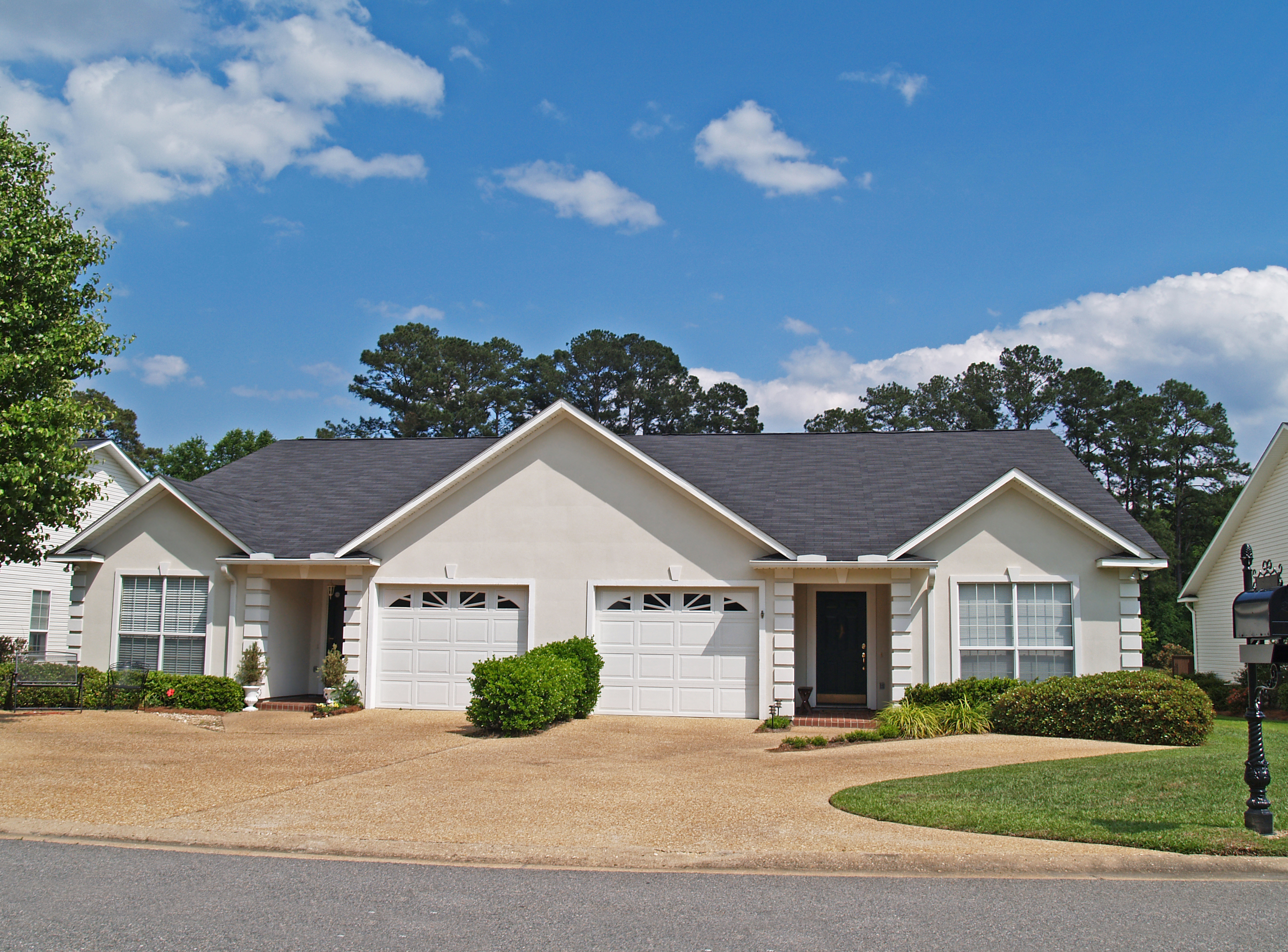
If you make $120K a year, you may be able to afford a home around $368,846 with 10% down at a 7.28% mortgage rate, before accounting for other monthly debts.
A larger down payment can raise the home price that fits the same monthly budget. Higher rates, property taxes, homeowners insurance, mortgage insurance, HOA dues or existing debts can reduce it.
Freddie Mac reported an average 30-year fixed mortgage rate of 7.28% on Oct. 1, 2026. That national average is used as the current-rate benchmark in this article and is not an individual mortgage quote.
Our home affordability calculator lets you replace these assumptions with your own income, debts, down payment, mortgage rate and location.
$120,000 Salary Home Affordability Basics
| Item |
Estimate |
| Annual Salary |
$120,000 |
| Gross Monthly Income |
$10,000 |
| 28% Housing-Cost Benchmark |
$2,800/mo |
| Current Rate Benchmark |
7.28% as of Oct. 1, 2026 |
| Estimated Home Price With 10% Down |
About $368,846 |
| Estimated Range at 7.28% |
About $339,420 to $419,034 with 3% to 20% down |
| Main Variables |
Rate, down payment, debts, taxes, insurance, HOA dues and loan program |
How We Calculated These Estimates
| Assumption |
Amount Used |
| Mortgage Term |
30-year fixed |
| Current Rate Benchmark |
7.28% |
| Housing Budget |
28% of $10,000 gross monthly income, or $2,800 |
| Property Taxes |
1.10% of home price annually |
| Homeowners Insurance |
0.35% of home price annually |
| Illustrative PMI Below 20% Down |
Varies by down payment in the examples |
| HOA Dues |
$0 |
| Other Monthly Debt |
$0 unless stated otherwise |
The 28% housing figure is a budgeting benchmark, not a universal mortgage approval limit. Actual underwriting evaluates your full debt-to-income ratio, credit, assets, loan program and other factors.
Private mortgage insurance estimates are illustrative. Your actual PMI cost depends on factors including your credit profile, loan-to-value ratio and mortgage insurer.
How Much House You Can Afford With a $120,000 Salary at Different Rates
The table below shows how rate and down payment change the estimated home price while keeping the full housing payment near $2,800 per month.
| Rate |
Down Payment |
Estimated Max Home Price |
Estimated Loan Amount |
Estimated Monthly Housing Payment |
| 6.5% |
3% |
$361,591 |
$350,743 |
$2,800/mo |
| 6.5% |
5% |
$369,919 |
$351,423 |
$2,800/mo |
| 6.5% |
10% |
$393,151 |
$353,836 |
$2,800/mo |
| 6.5% |
20% |
$446,936 |
$357,549 |
$2,800/mo |
| 7% |
3% |
$347,139 |
$336,725 |
$2,800/mo |
| 7% |
5% |
$355,107 |
$337,351 |
$2,800/mo |
| 7% |
10% |
$377,305 |
$339,574 |
$2,800/mo |
| 7% |
20% |
$428,741 |
$342,993 |
$2,800/mo |
| 7.28% |
3% |
$339,420 |
$329,238 |
$2,800/mo |
| 7.28% |
5% |
$347,196 |
$329,837 |
$2,800/mo |
| 7.28% |
10% |
$368,846 |
$331,961 |
$2,800/mo |
| 7.28% |
20% |
$419,034 |
$335,227 |
$2,800/mo |
| 7.5% |
3% |
$333,537 |
$323,531 |
$2,800/mo |
| 7.5% |
5% |
$341,167 |
$324,109 |
$2,800/mo |
| 7.5% |
10% |
$362,400 |
$326,160 |
$2,800/mo |
| 7.5% |
20% |
$411,641 |
$329,313 |
$2,800/mo |
The 6.5%, 7% and 7.5% rows are hypothetical comparison rates. The 7.28% rows use Freddie Mac's Oct. 1, 2026 national average for a 30-year fixed mortgage.
Can I Afford a $500K House on a $120K Salary?
A $500,000 home is above the 28% housing-cost benchmark used in this article at the current 7.28% rate.
| Scenario |
10% Down |
20% Down |
| Home Price |
$500,000 |
$500,000 |
| Down Payment |
$50,000 |
$100,000 |
| Mortgage Amount |
$450,000 |
$400,000 |
| Principal and Interest |
About $3,079 |
About $2,737 |
| Estimated Property Taxes |
About $458 |
About $458 |
| Estimated Homeowners Insurance |
About $146 |
About $146 |
| Illustrative PMI |
About $113 |
$0 |
| Estimated Housing Payment |
About $3,796/mo |
About $3,341/mo |
| Share of $10,000 Gross Monthly Income |
About 38% |
About 33% |
Under the 28% budgeting benchmark, the target housing payment would be $2,800, so neither example fits that conservative target.
That does not mean someone earning $120,000 could never qualify for a $500,000 home. Mortgage underwriting considers total DTI, credit, assets and the loan program. A borrower with little other debt and a larger down payment may have more flexibility than the 28% benchmark suggests.
The income needed to afford a $400K house provides a nearby price comparison.
How Much Mortgage Can I Afford With a $120K Salary?
Home price and mortgage amount are not the same.
At the current 7.28% benchmark and a $2,800 housing budget, these examples produce loan amounts of roughly $329,000 to $335,000 depending on the down payment.
With 10% down, the estimated $368,846 home price creates a mortgage of about $331,961. With 20% down, the home price rises to about $419,034 while the mortgage is about $335,227.
The larger down payment mainly increases the home price you can purchase while keeping the financed balance and monthly payment relatively similar.
FHA, VA and USDA Scenarios With a $120,000 Salary
Different mortgage programs change the upfront cash and monthly costs. These examples use the current 7.28% rate benchmark and the same $2,800 monthly housing target.
| Loan Scenario |
Estimated Max Home Price |
Estimated Down Payment |
Estimated Loan Amount Used for Payment |
Estimated Monthly Payment |
Important Caveat |
| Conventional, 10% Down |
$368,846 |
$36,885 |
$331,961 |
$2,800/mo |
PMI generally applies below 20% down. |
| FHA, 3.5% Down |
$334,575 |
$11,710 |
$328,515 |
$2,800/mo |
FHA mortgage insurance and county loan limits apply. |
| VA, 0% Down |
$341,565 |
$0 |
$348,909 |
$2,800/mo |
Requires VA eligibility. Funding fee may apply or be waived. |
| USDA, 0% Down |
$332,800 |
$0 |
$336,128 |
$2,800/mo |
Household income and property eligibility apply. |
The FHA loan example assumes 3.5% down, a financed 1.75% upfront mortgage insurance premium and 0.55% annual MIP. HUD's 2026 one-unit FHA loan limits range from a $541,287 national floor to a $1,249,125 regular high-cost ceiling, with the applicable limit determined by location.
The VA loan example assumes an eligible first-use purchase borrower with no down payment who is not exempt from the VA funding fee. The current funding fee in that scenario is 2.15% and is financed into the example loan.
The USDA loan example assumes 0% down, a 1% upfront guarantee fee and a 0.35% annual fee. USDA guaranteed loans also have household-income limits. USDA states that household income generally cannot exceed 115% of the applicable area median income, so a household earning $120,000 may qualify in some areas but exceed the limit in others.
Monthly Payment Examples With a $120,000 Salary
At the current 7.28% benchmark, the same $2,800 housing budget supports different prices depending on how much you put down.
| Down Payment |
Estimated Max Home Price |
Principal and Interest |
Estimated Taxes |
Estimated Insurance |
Illustrative PMI |
Estimated Total Payment |
| 5% |
$347,196 |
$2,257 |
$318 |
$101 |
$124 |
$2,800/mo |
| 10% |
$368,846 |
$2,271 |
$338 |
$108 |
$83 |
$2,800/mo |
| 20% |
$419,034 |
$2,294 |
$384 |
$122 |
$0 |
$2,800/mo |
These examples do not include HOA dues, flood insurance, utilities, maintenance or existing monthly debts.
Example Budget for a $120,000 Salary
A $120,000 salary equals $10,000 in gross monthly income.
| Budget Benchmark |
Monthly Amount |
| Gross Monthly Income |
$10,000 |
| 28% Housing Benchmark |
$2,800 |
| 36% Total-Debt Benchmark |
$3,600 |
| Difference Available for Other Debt Under 28/36 |
$800 |
The 28/36 approach is a budgeting framework, not a universal mortgage rule. Mortgage programs can permit different debt-to-income ratios depending on the underwriting method and borrower profile.
For example, if you had a $500 monthly car payment and used the $2,800 housing target, housing plus that car payment would total $3,300, or 33% of gross monthly income before any other qualifying debts.
Your personal budget should also consider expenses that may not appear in mortgage DTI, such as child care, groceries, utilities, retirement savings, maintenance and other financial goals.
How Much House Can You Afford on $120K With No Debt?
Having no other monthly debt can create more underwriting flexibility, but it does not change the $2,800 housing target under the conservative 28% benchmark used for the main tables.
If you instead used 36% of gross income as an illustrative total-debt ceiling and had no other qualifying debt, the housing budget would be $3,600 per month.
At 7.28%, that could support a home around $474,000 with 10% down or about $539,000 with 20% down under the same tax, insurance and mortgage insurance assumptions.
Those figures are not automatic qualification amounts. The 36% figure is a budgeting benchmark, and actual underwriting can produce a different maximum.
Compare Related Affordability Scenarios for a $120K Salary
If $120,000 is close to your income, compare home affordability on an $80,000 salary with how much house a $250,000 salary can afford to see how buying power changes as income moves.
If cash upfront is the bigger constraint, how much house you can afford with $10,000 down compares several low-down-payment scenarios.
What Affects How Much House You Can Afford?
Your Mortgage Rate
Higher mortgage rates increase the principal-and-interest payment on the same loan amount. That generally reduces the home price that fits a fixed monthly budget.
Your Down Payment
A larger down payment reduces the amount you need to borrow and may eliminate private mortgage insurance on a conventional loan. It also requires more cash upfront.
Your Monthly Debts
Your lender evaluates the proposed mortgage payment alongside qualifying debts such as auto loans, student loans and credit card payments. More monthly debt generally leaves less room for housing.
Property Taxes and Homeowners Insurance
Taxes and insurance vary substantially by location and property. Two homes with the same purchase price can have meaningfully different monthly housing payments.
Ways to Stretch a $120,000 Salary
- Reduce recurring debts before buying if doing so fits your broader finances.
- Compare mortgage programs for which you and the property are eligible.
- Keep property taxes and homeowners insurance in the comparison, not just principal and interest.
- Compare a larger down payment with the value of keeping adequate emergency reserves.
- Check whether you qualify for a down payment assistance program.
- Compare a seller concession used for eligible closing costs or a rate buydown with a price reduction.
Bottom Line
If you make $120K a year, a home around $369,000 is a reasonable starting estimate with 10% down at a 7.28% rate using the 28% housing benchmark in this article.
At the same rate, the examples range from about $339,000 with 3% down to $419,000 with 20% down. Existing debts, taxes, insurance, HOA dues and your actual mortgage rate can move the number substantially.
Frequently Asked Questions
How Much House Can I Afford With a $120,000 Salary?
At a 7.28% rate, these examples range from about $339,000 with 3% down to $419,000 with 20% down. With 10% down, the estimate is about $368,846 using a $2,800 monthly housing budget.
If I Make $120K a Year, How Much House Can I Afford?
A reasonable starting point under the assumptions in this article is about $369,000 with 10% down. Your actual amount can be higher or lower based on your debts, credit, mortgage rate, taxes, insurance and down payment.
How Much Monthly Payment Can I Afford on a $120,000 Salary?
A 28% housing-cost benchmark equals about $2,800 per month on $10,000 of gross monthly income. That is a budgeting guide rather than a universal lender maximum.
Can I Afford a $500K House on a $120K Salary?
A $500,000 home is above the 28% benchmark in the current examples. At 7.28%, the estimated housing payment is about $3,796 with 10% down and $3,341 with 20% down. Qualification may still be possible depending on your other debts and underwriting.
How Much House Can I Afford Making $120K a Year With No Debt?
Under the article's 28% housing benchmark, having no debt does not change the $2,800 target. If you instead tested a 36% total-debt budget with no other debt, these assumptions support about $474,000 with 10% down or about $539,000 with 20% down. Those are planning examples, not approval limits.
What Mortgage Can I Afford With a $120K Salary?
At 7.28% and a $2,800 housing target, the examples produce mortgage amounts of roughly $329,000 to $335,000 depending on the down payment. Home price is higher because your down payment covers part of the purchase.
What Is the Mortgage on a $120K House?
With 10% down, a $120,000 home would have a $108,000 mortgage before any financed fees. At 7.28%, the principal-and-interest payment is about $739 per month. Using the tax, insurance and illustrative PMI assumptions in this article, the full estimated housing payment is about $911 per month.
Can I Afford a House With a $120,000 Salary and a Low Down Payment?
Possibly. Conventional, FHA, VA and USDA loans can offer low- or no-down-payment options for eligible borrowers and properties. A smaller down payment generally means a larger loan and can add mortgage insurance or program fees.
Does This Estimate Include My Other Debts?
No. The main affordability tables use a housing-only benchmark. Car payments, student loans, credit card payments and other qualifying debts can reduce the amount of mortgage payment that fits your overall DTI.
How Much House Can I Actually Afford on a $120,000 Salary?
Your practical budget can be lower than the amount a lender is willing to approve. Consider your actual take-home pay, savings goals, emergency reserves, maintenance costs, utilities and other household spending when choosing a target payment.
Should I Use the Maximum Home Price I Qualify For?
Not necessarily. Qualifying for a mortgage establishes an underwriting limit. It does not account for every expense or financial goal in your household budget.