What is House Hacking?
Updated: May 5 2026 • 6 min read
Written by
Bennett Leckrone
Writer / Reviewer / Expert
Reviewed by
Jake Driscoll
Reviewer
Key Takeaways
- House hacking means buying a home, living in part of it and renting out another part to help offset your housing costs.
- FHA loans can be used for a one- to four-unit property if you meet FHA requirements and occupy the home as your primary residence.
- Rental income may help you qualify, but the lender must document and calculate it under FHA rules, and three- to four-unit properties can face extra requirements.
Explore multi-family FHA loans.
Owning a home can be expensive.
Principal, interest, taxes, and insurance alone can make for a hefty monthly payment. Add mortgage insurance, closing costs, and the price of maintenance, and homeownership can seem out of reach.
But there is a strategy to help offset the costs of homeownership by using your primary residence to generate rental income: house hacking.
Instead of buying a home only for your own use, you house hacking means you buy a property you live in and rent out another unit, room or space to help cover the mortgage payment.
An FHA loan can be useful for this strategy because FHA loans allow low down payments and can be used on certain multiunit properties. The key rule is occupancy: you generally need to live in the property as your primary residence, not buy it only as an investment.
House Hacking With An FHA Loan Basics
| Topic | FHA House Hacking Rule Or Concept | What It Means For You |
|---|---|---|
| Property Type | One- to four-unit properties may be eligible | A duplex, triplex or fourplex may work if the property meets FHA rules |
| Occupancy | Primary residence required | You generally need to live in one unit as your main home |
| Down Payment | As low as 3.5% | You may be able to buy a multiunit property with less cash upfront than many conventional investment-property loans require |
| Rental Income | May be considered when documented and allowed | Expected rent from other units may help, but the lender must calculate it under FHA rules |
| Three- To Four-Unit Properties | Additional rental-income test may apply | The property may need to show enough rental income to support the full housing payment |
What Is House Hacking In Real Estate?
House hacking is a real estate strategy where you live in part of a property and rent out another part. The rent can help offset your monthly housing costs.
Common examples include:
- Buying a duplex and living in one unit while renting the other
- Buying a triplex or fourplex and occupying one unit
- Renting out rooms in a single-family home
- Buying a property with an accessory dwelling unit and renting that space if local rules allow it
For FHA financing, the simples way to house hack is usually buying two- to four-unit property where you live in one unit and rent out the others.
Renting individual rooms may still create income, but it can be harder to use that income for FHA qualification unless the lender can document and count it under FHA rules.
For example, if your total monthly housing payment is $3,000 and the other unit in your duplex rents for $1,400, that rental income may help offset a large part of the payment.
You still need to qualify for the mortgage, maintain the property and manage tenant responsibilities.
And keep in mind that hacking does not guarantee profit. Rent may be lower than expected, tenants may move out, repairs may be expensive and local rules may limit how the property can be rented.
How FHA Loans Can Work For House Hacking
FHA loans can be used to buy certain one- to four-unit residential properties. That can make them useful for house hacking because you may be able to buy a duplex, triplex or fourplex with FHA financing while living in one unit.
The FHA 203(b) program applies to one- to four-unit residential properties, including certain condos and manufactured homes on real estate.
FHA loans come with flexible credit score and down payment requirements. The minimum down payment on an FHA loan is generally 3.5% if your credit score is 580 or higher, although lender's can apply overlays and require higher down payments depending on both their rules and your unique financial situation.
The key caveat is that FHA financing is only for owner-occupied homes. You'll need to live in the property as your primary residence. One of the units in the multifamily home you buy has to be your main residence.
How To Buy A Duplex To House Hack With FHA
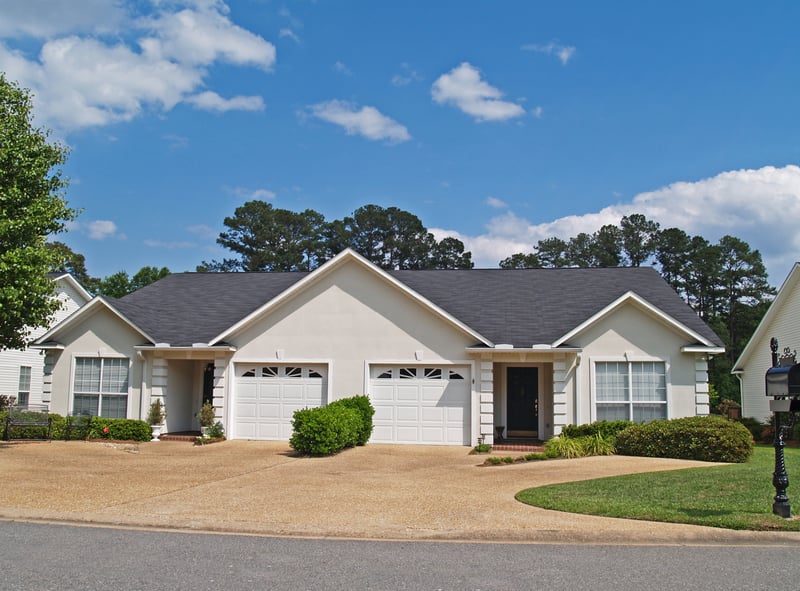
Buying a duplex to house hack with FHA usually means purchasing a two-unit property, living in one unit and renting out the other.
A duplex can be simpler than a three- or four-unit property because it may avoid some of the extra rental-income tests that apply to larger multiunit properties.
A basic FHA duplex house hacking process looks like this:
- Confirm that FHA financing fits your credit, income, down payment and property goals.
- Look for eligible two-unit properties in your price range.
- Estimate the full payment, including principal, interest, taxes, insurance, FHA mortgage insurance and any association dues.
- Estimate market rent for the other unit.
- Ask your lender how much rental income can be used to qualify.
- Complete the FHA appraisal and property review.
- Move into one unit and manage the rental unit after closing.
FHA Requirements For House Hacking
FHA house hacking has to meet both borrower and property requirements. You need to qualify for the loan, and the property has to meet FHA standards.
Primary Residence Occupancy
You generally need to occupy the property as your primary residence. That means you live in the home as your main home, not use it only as a rental property.
This is one of the most important rules for FHA house hacking.
Buying a duplex with FHA and living in one unit might fit the owner-occupancy requirement. Buying a duplex with FHA while living somewhere else generally does not.
If you want to buy a second home or investment property, a conventional loan is generally the best path to do so. DSCR loans can also be used in limited circumstances and use rental income to help you qualify.
Eligible Property Type
FHA house hacking usually works best with a one- to four-unit property.
A one-unit property may support room rentals, but a two- to four-unit property creates a clearer separation between your living space and the rental units.
Common property types include:
- Single-family home
- Duplex
- Triplex
- Fourplex
- Eligible condominium
- Eligible manufactured home on real estate
The property also has to meet FHA property standards and local rules. If the property has illegal units, zoning problems or major condition issues, the loan may not be approved.
Minimum Down Payment
FHA loans can allow a down payment as low as 3.5% when the loan meets FHA requirements.
HUD says the borrower’s minimum required investment is at least 3.5% of the adjusted value for FHA to insure the maximum mortgage amount.
That low down payment can make FHA attractive for house hacking because multiunit investment-property loans often require more cash upfront.
FHA house hacking still requires closing costs, prepaid expenses, reserves when applicable and enough income to qualify.
FHA Loan Limits
FHA loan limits vary by county and property size. A duplex, triplex or fourplex usually has a higher FHA loan limit than a one-unit home in the same county.
This matters because multiunit properties often cost more than single-family homes. Before making an offer, check the FHA loan limit for the county and number of units.
You can use our lookup tool to get an idea of what your county's local limit is.
2026 FHA loan limits by county
| County | 1-Unit Limit | 2-Unit | 3-Unit | 4-Unit |
|---|
FHA loan limits are set annually by the U.S. Department of Housing and Urban Development (HUD). Limits vary by county and property type, with higher ceilings in designated high-cost areas and statutory special areas (Alaska, Hawaii, Guam, and the U.S. Virgin Islands). This map is for informational purposes only and does not constitute a loan offer or commitment to lend. Actual loan eligibility depends on credit, income, property, and lender guidelines.
FHA Property Standards
The property must meet FHA standards for safety, soundness and security. In plain language, the home needs to be safe enough to live in, structurally sound and able to serve as collateral for the mortgage.
For house hacking, this matters because older duplexes, triplexes and fourplexes may have deferred maintenance. Common issues can include roof problems, electrical hazards, plumbing concerns, heating problems, peeling paint, water intrusion or unpermitted units.
An FHA appraisal is not the same as a full home inspection. The appraisal helps the lender evaluate value and FHA property standards, while a home inspection gives you more detail about the property’s condition.
How To Qualify With Rental Income
Rental income can be one of the biggest advantages of house hacking, but the lender does not simply count every dollar of expected rent. The income has to be documented and calculated under FHA rules.
Expected Rent From Other Units
If you buy a two- to four-unit property and live in one unit, the rent from the other units may help you qualify. The lender may use leases, rent history or an appraiser’s estimate of market rent, depending on the situation.
Market rent is the rent a similar unit would likely receive in the local market. For an FHA purchase, the appraiser may provide a rent schedule that helps the lender estimate the property’s rental income.
The lender usually reduces expected rent to account for vacancy or maintenance. This means you should not assume 100% of the listed rent will count toward qualifying income.
Boarder Or Room Rental Income
Boarder income means rent paid by someone who lives in the same dwelling unit with you, such as a roommate. This can be harder to use for qualification than rent from a separate unit.
If you plan to buy a single-family home and rent out rooms, ask the lender early whether any boarder income can be used. You may need a history of receiving that income and documentation showing it is stable.
Even when room rental income cannot be used to qualify, it may still help your real monthly budget after closing. The difference is that the lender may not count it when deciding whether you qualify for the mortgage.
Lease Agreements And Rent Schedules
A lease agreement is a written contract between a landlord and tenant. It can help document rent amount, lease term and who is responsible for paying rent.
A rent schedule is an appraisal-related form that estimates market rent for units in the property. For multiunit FHA house hacking, rent schedules can be important because they help the lender evaluate expected rental income.
The lender decides which documents are needed based on the property, occupancy, rental history and FHA requirements.
Vacancy And Maintenance Adjustments
Lenders usually do not count gross rent dollar for dollar. They may reduce the rent to account for vacancy, maintenance or other rental risk.
For example, if a unit is expected to rent for $1,500 and the lender counts 75% of that rent, the qualifying rental income would be $1,125.
This adjustment matters because your estimated rental income may be lower for qualification than the rent you expect to collect.
FHA Self-Sufficiency Test For Three- And Four-Unit Properties
Three- and four-unit FHA purchases can face an extra rental-income test. This is often called the FHA self-sufficiency test.
The basic idea is that the property’s rental income has to support the total housing payment. For a three- or four-unit property, the lender may need to confirm that the property can carry itself based on the appraiser’s rent estimates and FHA calculation rules.
This test can make FHA triplex and fourplex purchases harder to qualify for than duplex purchases. If the market rents are too low compared with the mortgage payment, the property may not pass even if you personally have enough income.
Example: House Hacking A Duplex With FHA
Here is a simplified example of how FHA house hacking can work with a duplex.
| Item | Example Amount | What It Means |
|---|---|---|
| Purchase Price | $400,000 | Two-unit property |
| Estimated Down Payment At 3.5% | $14,000 | Before closing costs and prepaid expenses |
| Total Monthly Housing Payment | $3,100 | Principal, interest, taxes, insurance and mortgage insurance |
| Expected Rent From Other Unit | $1,500 | Market rent estimate or lease amount |
| Possible Qualifying Rent At 75% | $1,125 | Simplified example after vacancy adjustment |
In this simplified example, the rent may help reduce the income needed to qualify. The lender still has to review your credit, income, debt-to-income ratio, assets, appraisal, rent documentation and property eligibility.
Other FHA House Hacking Requirements
FHA approval depends on the full file. Rental income can help, but it does not replace the need to meet standard underwriting requirements.
Credit Score And Payment History
Your credit score and payment history affect whether you qualify and what requirements apply. A credit score is a three-digit number that helps lenders estimate how likely you are to repay debt on time.
FHA can allow more credit flexibility than many conventional loans, but lenders may set their own stricter requirements. These stricter lender rules are called overlays.
Debt-To-Income Ratio
Debt-to-income ratio, or DTI, compares your monthly debt payments with your gross monthly income before taxes. In plain language, it helps the lender evaluate whether the mortgage payment is manageable.
For house hacking, DTI may include the new FHA mortgage payment, credit card minimum payments, auto loans, student loans, personal loans, child support, alimony and other required monthly debts. Eligible rental income may help offset part of the payment if the lender can count it.
Cash Reserves
Cash reserves are funds left after closing. They can help show that you have money available if a unit is vacant, a tenant pays late or the property needs repairs.
Reserves can be especially important for multiunit properties because you are not only a homeowner. You are also taking on landlord responsibilities.
Landlord Readiness
House hacking means you may become a landlord immediately after closing. That means you need to understand leases, tenant screening, repairs, local landlord-tenant rules, fair housing rules and emergency maintenance.
A mortgage approval does not mean the property will be easy to manage. Review the likely rent, vacancy risk, repair costs and local rules before relying on rental income.
How To House Hack With An FHA Loan
House hacking with an FHA loan works best when you plan the financing and rental strategy together.
- Decide whether you want a single-family home, duplex, triplex or fourplex.
- Confirm the FHA loan limit for the county and unit count.
- Estimate the full monthly housing payment.
- Research realistic market rent for the rentable units.
- Ask your lender how rental income can be used to qualify.
- Review the property’s condition, zoning and rental rules.
- Order a home inspection even if the FHA appraisal is required.
- Build reserves for vacancy, repairs and tenant turnover.
- Use written leases and keep clear records after closing.
Pros And Cons Of FHA House Hacking
FHA house hacking can reduce your housing costs, but it also adds responsibility and risk.
| Potential Benefit | Potential Tradeoff |
|---|---|
| Rental income may offset your housing payment | Vacancy or tenant issues can reduce expected income |
| FHA loans allow low down payments | FHA mortgage insurance adds cost |
| Two- to four-unit properties can create long-term rental income | Multiunit properties may cost more and need more repairs |
| You can start as an owner-occupant instead of a traditional investor | You must live in the property and follow FHA occupancy rules |
| Rent may help you qualify when documented | The lender may count less rent than you expect |
Common Mistakes To Avoid
House hacking can work well when the numbers are realistic. Problems usually start when buyers overestimate rent, underestimate repairs or ignore FHA rules.
Common mistakes include:
- Assuming all projected rent will count as qualifying income
- Skipping a home inspection because an FHA appraisal is required
- Buying a property with illegal or unpermitted units
- Ignoring local rental rules or occupancy limits
- Underestimating repairs, vacancy and tenant turnover
- Not saving reserves after closing
- Assuming a three- or four-unit property will pass FHA rental-income tests
When FHA House Hacking May Make Sense
FHA house hacking may make sense when you want to buy a primary residence and are comfortable taking on rental responsibilities.
It may be worth considering if:
- You plan to live in the property as your primary residence
- You want to buy a duplex, triplex or fourplex
- The rental income is realistic for the local market
- You have enough cash for down payment, closing costs and reserves
- The property meets FHA standards
- You are prepared to manage tenants and repairs
When FHA House Hacking May Not Be The Best Fit
FHA house hacking may not be the right fit if you want a pure investment property or do not want to live near tenants.
It may be less practical if:
- You do not plan to occupy the property
- The property has major repair or zoning issues
- Expected rent is too low to support the payment
- You do not have reserves for vacancy and repairs
- You are not comfortable being a landlord
- A conventional or other loan option offers a better fit
Bottom Line
House hacking with an FHA loan can help you buy a primary residence while using rental income to offset part of the mortgage payment. It can work especially well with a duplex, triplex or fourplex if you live in one unit and rent out the others.
The strategy still has strict rules. You need to meet FHA occupancy, borrower and property requirements. Rental income must be documented and calculated by the lender, and three- to four-unit properties can face extra rental-income tests. Before making an offer, run the payment, rent, repair and vacancy numbers conservatively.
Frequently Asked Questions
What Is House Hacking?
House hacking means buying a home, living in part of it and renting out another part to help offset your housing costs. Common examples include renting out one unit in a duplex or renting rooms in a single-family home.
Can You House Hack With An FHA Loan?
Yes. You may be able to house hack with an FHA loan if you buy an eligible property, live in it as your primary residence and meet FHA and lender requirements.
Can You Buy A Duplex To House Hack With FHA?
Yes. A duplex can work well for FHA house hacking because you can live in one unit and rent out the other, as long as the property and loan meet FHA requirements.
Can You Use Rental Income To Qualify For An FHA Loan?
Possibly. Rental income from other units may help you qualify when it is properly documented and calculated under FHA rules. The lender may reduce projected rent for vacancy or maintenance and may require leases, rent history or an appraiser’s rent schedule.
Can You Use FHA To Buy A Triplex Or Fourplex?
Yes, FHA loans can be used for certain three- and four-unit properties if you meet FHA requirements and occupy one unit as your primary residence. Three- and four-unit properties may need to pass an additional self-sufficiency test based on rental income.
Do You Have To Live In The Property When House Hacking With FHA?
Yes. FHA house hacking generally requires you to live in the property as your primary residence. FHA financing is not meant for buying a property only as a rental or vacation home.
Does FHA Allow Room Rentals?
You may be able to rent rooms after buying a home, but using room rental income to qualify can be more difficult than using rent from separate units in a multiunit property. Ask the lender whether boarder income can be counted and what documentation is required.
What Is The FHA Self-Sufficiency Test?
The FHA self-sufficiency test is an additional rental-income test that can apply to three- and four-unit properties. It checks whether the property’s rental income is enough to support the full monthly housing payment under FHA calculation rules.
Is FHA House Hacking Risky?
It can be. The main risks are vacancy, repairs, tenant issues, local rental restrictions and a payment that is too high without rental income. Build reserves and use conservative rent estimates before relying on house hacking to make the payment affordable.
Ready to get started?
Mortgage Resources
-
10‑Year vs 15‑Year Mortgage: Which is Right for You?
Compare 10-year and 15-year mortgages, see how the payment and total interest differ, and find out...
-
1099 Loan vs. Bank Statement Loan Compared
as no-documentation loans. For covered consumer mortgages, lenders must still make a reasonable,...
-
15‑Year vs 20‑Year Mortgage Calculator
Compare 15-year and 20-year mortgages to understand their benefits and costs. Discover how each...
-
30-Year vs. 20-Year Mortgages
Explore the key differences between 30-year and 20-year mortgages to find the best option for your...
-
80-10-10 Piggyback Loans Explained
-10-10 loan is a home purchase structure that uses two mortgages at the same time. The first...
-
ADU Financing Options Explained
that buy mortgages from lenders and set many conventional loan guidelines. Fannie Mae ADU Options...
-
Bank Statement vs. Conventional Loans Compared
mortgage or non-qualified mortgage financing. Non-qualified mortgage does not mean no underwriting....
-
Best Fixer-Upper Loans: How to Finance a Fixer-Upper
Learn how to finance a fixer-upper with FHA 203(k), HomeStyle, CHOICERenovation, VA and USDA loans,...
-
Best Home Loans for Self Employed Borrowers
stubs, assets and full income documentation. May help with guideline exceptions, but pricing can be...
-
Best Loan Options for Rural Homebuyers
the main rural mortgage option buyers compare first. The program helps approved lenders provide...
-
Best Loans for First-Time Homebuyers in 2026
And that amount may come from sources such as the borrower’s own funds, gifts, second mortgages or...
-
Best Loans for Investment Properties
Compare 10-year and 15-year mortgages, see how the payment and total interest differ, and find...
-
Best Low Down Payment Loan Options in 2026
with down payment or closing costs when paired with an eligible first mortgage. Conventional 3%...
-
Best Mortgage Options For Borrowers With a High Debt-to-Income Ratio
Mac guidelines. Fannie Mae and Freddie Mac are government-sponsored enterprises that buy mortgages...
-
Best Mortgage Options for Borrowers With Bad Credit
You can get a mortgage with bad or poor credit, but there is no single credit score that determines...
-
Best Mortgage Options for Borrowers With Student Loan Debt
Compare 10-year and 15-year mortgages, see how the payment and total interest differ, and find...
-
Best Mortgage Options for Retirees on a Fixed Income
Explore mortgage options for retirees with fixed income, including conventional, FHA, VA, USDA,...
-
Best Mortgage Options For Veterans Beyond The VA Loan
Compare 10-year and 15-year mortgages, see how the payment and total interest differ, and find...
-
Best Options To Consolidate Debt With Home Equity
Compare 10-year and 15-year mortgages, see how the payment and total interest differ, and find...
-
Best Ways to Lower Your Monthly Mortgage Payment
that buy mortgages from lenders and set many conventional loan guidelines. Fannie Mae describes a...
-
Best Ways To Use A Gift For A Down Payment
Compare 10-year and 15-year mortgages, see how the payment and total interest differ, and find...
-
Bridge Loan vs. HELOC: Comparison Of Costs And Flexibility
Compare 10-year and 15-year mortgages, see how the payment and total interest differ, and find...
-
Buying A Home With 3% Down And What Lenders Require
expense. Your cash to close can also include lender and third-party closing costs, prepaid...
-
Can a Mortgage Be Denied After Preapproval?
Compare 10-year and 15-year mortgages, see how the payment and total interest differ, and find...
-
How To Get A Mortgage When You’re Self-Employed
Self-employed individuals can secure mortgages with proper documentation. Learn about the...
-
Refinancing With Bad Credit: Can You Refinance With a Low Score?
a minimum credit score for loans approved through Desktop Underwriter. Manually underwritten Fannie...
-
Can You Assume a Mortgage?
before relying on a specific assumption rule. Conventional Loans Most conventional mortgages are...

-
Can You Get Mortgage Preapproval With Bad Credit?
in Desktop Underwriter can use asset verification reports and credit reports to identify recurring...
-
Can You Refinance a Second Mortgage?
Compare HELOCs and second mortgages, understanding their lien positions, structures, and...
-
Can You Refinance With a Different Lender?
Compare 10-year and 15-year mortgages, see how the payment and total interest differ, and find...
-
Cash-Out Refinance vs. HELOC on an Investment Property
Compare 10-year and 15-year mortgages, see how the payment and total interest differ, and find...
-
Cash-Out Refinance vs. Home Equity Loan: Key Differenes
risk. The CFPB notes that second mortgages often carry higher interest rates than first mortgages...
-
Cash-Out vs. No Cash-Out Refinance
Compare 10-year and 15-year mortgages, see how the payment and total interest differ, and find...
-
Closing Costs By Loan Type
Compare 10-year and 15-year mortgages, see how the payment and total interest differ, and find...
-
The Complete Guide To Nonwarrantable Condo Financing
Compare 10-year and 15-year mortgages, see how the payment and total interest differ, and find...
-
Construction to Permanent Loans Explained
mortgages, lenders must make a reasonable, good-faith determination that you can repay the loan...
-
Conventional 97 Loan: 3% Down Payment Requirements
Learn why most conventional mortgages are not assumable and explore alternatives like FHA, VA,...
-
Credit Score Requirements By Loan Type
a free credit report at AnnualCreditReport.com. It's the only site authorized by federal law to...
-
Do You Need 20% Down to Buy a House?
You don't 20% down for most mortgages. Eligible conventional loans can start at 3% down for...
-
Do You Need An Appraisal To Refinance A Government-Backed Loan?
Compare 10-year and 15-year mortgages, see how the payment and total interest differ, and find...
-
Documents Needed to Refinance Your Mortgage
Evidence of funds needed at closing Property Current mortgage statement Statements for second...
-
Does Refinancing Hurt Your Credit Score?
Compare 10-year and 15-year mortgages, see how the payment and total interest differ, and find...
-
Down Payment Requirements By Loan Type
Compare 10-year and 15-year mortgages, see how the payment and total interest differ, and find...
-
DSCR vs. Conventional Investment Loans
enterprises that buy mortgages from lenders and establish many conventional underwriting...
-
DSCR Vs. Conventional Loans: Key Differences
are different. Many conventional mortgages are backed by Fannie Mae and Freddie Mac, which are...
-
DTI Limits By Loan Type
standards in the eligibility matrix. Freddie Mac works similarly but has its own rules. Loan...
-
Is Escrow Required? Escrow Requirements by Mortgage Type
Escrow is not required on every mortgage. FHA loans generally require an escrow account. USDA...


-
Fannie Mae HomeStyle vs. FHA 203(k) Loans
that buys mortgages from lenders and sets many conventional loan guidelines, says HomeStyle...
-
203(k) vs. HomeStyle vs. Construction Loans
The Contractor or Budget Is Not Ready Renovation mortgages require more detailed project...
-
FHA vs. Conventional Mortgages
Compare FHA and conventional mortgages to find the right option for your financial situation,...
-
First-Time Home Buyer Credit Score Requirements
underwriting and lender overlays can affect eligibility. If you are comparing more than one loan...
-
First-Time Homebuyer Loan Options
and location limits apply, primary residence requirement. Renovation Loans Finance a home purchase...
-
First-time Homebuyer Checklist: What You Need to Know
Compare 10-year and 15-year mortgages, see how the payment and total interest differ, and find...
-
First-Time Homebuyer Guide: Loans, Programs and Steps
mortgages with as little as 3% down. Freddie Mac's HomeOne mortgage, for example, is available to...
-
Fixer Upper Loans: FHA 203(k) vs. Conventional
mortgage financing with eligible renovation costs. The program may be used with fixed-rate and...
-
Getting a Mortgage With a New Job: A 2026 Guide
Compare 10-year and 15-year mortgages, see how the payment and total interest differ, and find...
-
Getting a Mortgage After a Job Change
hear that you need two years at the same job before you can qualify for a mortgage, but current...
-
Getting a Mortgage With a New Business
previous career can have more conventional options, while a newer company or a move into an...
-
The Complete Guide to Low Down Payment Mortgage Options
enough equity in the home. Government-Backed Low Down Payment Loans Government-backed mortgages...


-
HELOC vs. Cash-Out Refinance: Which Is Right for You?
Compare 10-year and 15-year mortgages, see how the payment and total interest differ, and find...
-
HELOC vs. Home Equity Loan: Which Is Right for You?
Compare 10-year and 15-year mortgages, see how the payment and total interest differ, and find...
-
HELOC vs. Personal Loan
Compare 10-year and 15-year mortgages, see how the payment and total interest differ, and find...
-
Home Buying Process: Steps From Offer to Closing
Step 7: Review Your Closing Disclosure For most mortgages covered by federal disclosure rules, the...
-
Using Home Equity to Fund a Small Business: HELOC vs. Home Equity Loan
Compare 10-year and 15-year mortgages, see how the payment and total interest differ, and find...
-
Home Equity Loan vs. Personal Loan
Compare 10-year and 15-year mortgages, see how the payment and total interest differ, and find...
-
Home Inspection Requirements By Loan Type
threshold compared with the average prime offer rate. In plain language, it is a loan priced above...
-
Everything You Need To Know About Homestead Exemptions
Compare 10-year and 15-year mortgages, see how the payment and total interest differ, and find...
-
How Does Mortgage Refinancing Work?
mortgages also have streamline refinance programs with their own eligibility rules. Rate-and-Term...
-
How Long Does It Take to Refinance a Mortgage?
Information Upfront List all mortgages, home equity accounts, debts, income sources and properties...
-
How Long Does It Take to Get Pre-Approved for a Mortgage?
Compare 10-year and 15-year mortgages, see how the payment and total interest differ, and find...
-
How Long Does Mortgage Underwriting Take?
Compare 10-year and 15-year mortgages, see how the payment and total interest differ, and find...
-
How Long Does PMI Last?
2013 Older cancellation rules may apply, including a 78% balance threshold for eligible loans and,...
-
How Much Does a Refinance Cost?
Compare 10-year and 15-year mortgages, see how the payment and total interest differ, and find...
-
How Much Down Payment Do You Need To Buy a House?
housing benefits Down payment assistance grants State and local housing programs Proceeds from...
-
How Much Equity Do You Need to Refinance?
Compare 10-year and 15-year mortgages, see how the payment and total interest differ, and find...
-
How Much House Can a First-Time Homebuyer Afford?
they rent. Programs vary by state and locality, and they may come as grants, forgivable loans, or...
-
How Much House Can I Afford on an $80,000 Salary?
mortgage options if you do not want to put 20% down. Your Monthly Debts Debt-to-income ratio...
-
How Much House Can I Afford with $10,000 Down?
Compare 10-year and 15-year mortgages, see how the payment and total interest differ, and find...
-
How Much House Can I Afford With A $100,000 Salary?
housing payment is about $759 per month. Can I Afford a House With a $100,000 Salary and a Low Down...
-
How Much House Can I Afford With A $120,000 Salary?
Compare 10-year and 15-year mortgages, see how the payment and total interest differ, and find...
-
How Much House Can I Afford With 20% Down?
affect the seller’s decision. You May Receive Better Loan Pricing Loan-to-value ratio is one factor...
-
How Much House Can I Afford With $20,000 Down?
and estimated PMI rates. FHA Loans FHA-insured mortgages can allow a minimum down payment of 3.5%...
-
How Much House Can I Afford With A $200,000 Salary?
Compare 10-year and 15-year mortgages, see how the payment and total interest differ, and find...
-
How Much House Can I Afford With a $250,000 Salary?
loan can remain conforming when the loan amount is at or below the county limit. Fannie Mae and...
-
How Much House Can I Afford With 3% Down?
A 3% down payment can reduce the amount of time you need to save before buying a home. You would...
-
How Much House Can I Afford With a $300,000 Salary?
conforming when the loan amount is at or below the county limit. Fannie Mae and Freddie Mac are...
-
How Much House Can I Afford With $5,000 Down?
in the monthly payment. Review the FHA minimum down payment requirements for more information about...
-
How Much House Can I Afford With a $50,000 Salary?
Compare 10-year and 15-year mortgages, see how the payment and total interest differ, and find...
-
How Much House Can I Afford With a $60,000 Salary?
Compare 10-year and 15-year mortgages, see how the payment and total interest differ, and find...
-
How Much House Can I Afford With a $70,000 Salary?
Compare 10-year and 15-year mortgages, see how the payment and total interest differ, and find...
-
How Much House Can I Afford With a $90,000 Salary
Compare 10-year and 15-year mortgages, see how the payment and total interest differ, and find...
-
How Much House Can I Afford With a $110,000 Salary?
reduce the amount of cash required for the purchase while still requiring you to qualify for the...
-
How Much House Can I Afford With a $130,000 Salary?
Compare 10-year and 15-year mortgages, see how the payment and total interest differ, and find...
-
How Much House Can I Afford With A $150,000 Salary?
Compare 10-year and 15-year mortgages, see how the payment and total interest differ, and find...
-
How Much House Can I Afford With a $160,000 Salary?
Compare 10-year and 15-year mortgages, see how the payment and total interest differ, and find...
-
How Much House Can I Afford With a $175,000 Salary?
% down across the board. Fannie Mae and Freddie Mac are government-sponsored enterprises that buy...
-
How Much House Can I Afford With a $225,000 Salary?
Compare 10-year and 15-year mortgages, see how the payment and total interest differ, and find...
-
How Much House Can I Afford With a $275,000 Salary?
Compare 10-year and 15-year mortgages, see how the payment and total interest differ, and find...
-
How Much House Can I Afford With a $40,000 Salary?
to purchase a home, provided both the household and property meet program requirements....
-
How Much House Can I Afford With $0 Down?
Compare 10-year and 15-year mortgages, see how the payment and total interest differ, and find...
-
How Often Can You Refinance Your Mortgage?
There’s no legal limit on how often you can refinance, but in general lenders usually require a...
-
How Soon Can You Refinance After Buying a Home?
Compare 10-year and 15-year mortgages, see how the payment and total interest differ, and find...
-
How to Assume a Mortgage: Step-By-Step Guide
Request the servicer’s assumption package, qualify as the buyer, solve the equity gap and close the...
-
How to Buy a Duplex: Mortgage Requirements and Financing
Compare 10-year and 15-year mortgages, see how the payment and total interest differ, and find...
-
How to Buy a Fourplex: Mortgage Requirements and Financing
Compare 10-year and 15-year mortgages, see how the payment and total interest differ, and find...
-
How to Buy a Home After A Divorce in 2026
Compare 10-year and 15-year mortgages, see how the payment and total interest differ, and find...
-
How to Buy a House Before Selling Yours
-term financing designed to cover a temporary gap between transactions. It can give you access to...
-
How To Buy A House From A Family Member In A Non-Arm's Length Transaction
Compare 10-year and 15-year mortgages, see how the payment and total interest differ, and find...
-
How to Buy a Triplex: Mortgage Requirements and Financing
Compare 10-year and 15-year mortgages, see how the payment and total interest differ, and find...
-
How to Compare Loan Estimates
differ substantially. For example, the CFPB cautions against relying on APR alone when comparing...
-
How to Compare Mortgage Loan Offers
difference reflected the pricing structure, not a cheaper underlying loan. Compare the Loan...
-
How To Get A Mortgage Without A W-2
a conventional loan or an FHA loan even without a W-2. Fannie Mae and Freddie Mac, the...
-
How To Get Preapproved For A Mortgage
Compare 10-year and 15-year mortgages, see how the payment and total interest differ, and find...
-
How To Refinance Your Mortgage After A Divorce
Compare 10-year and 15-year mortgages, see how the payment and total interest differ, and find...
-
Interest-Only Mortgages: How They Work
Discover how interest-only mortgages work, their benefits, risks, and suitability for borrowers...
-
Is Earnest Money Refundable?
Compare 10-year and 15-year mortgages, see how the payment and total interest differ, and find...
-
Getting a Joint Mortgage With Only One Income: A 2026 Guide
to support the loan. Joint Mortgage But Only One Income: The Basics Is It Allowed? Yes. Joint...
-
Jumbo vs. Conventional Home Loans
Larger down payments and stronger reserves may qualify for better pricing in both loan categories....
-
Loan Modification vs. Refinance
Compare 10-year and 15-year mortgages, see how the payment and total interest differ, and find...
-
Making an Offer on a House Contingent on Selling Yours
while carrying both mortgages, using other savings for the down payment, obtaining bridge financing...
-
Manufactured Home Loan Requirements And Types
foundation can block conventional, FHA, VA or USDA mortgage financing. Real Property Status The...
-
Mortgage After Bankruptcy: Chapter 7 & 13 Wait Times
benchmark. Fannie Mae generally requires four years after discharge or dismissal, while Freddie Mac...
-
Buying a Home After Foreclosure: Waiting Periods by Loan Type
These are program guidelines rather than guaranteed approval timelines. Automated underwriting...
-
Do Student Loans Affect Mortgage Approval?
Compare 10-year and 15-year mortgages, see how the payment and total interest differ, and find...
-
Mortgage Points vs. Down Payment: Which Saves You More?
Compare 10-year and 15-year mortgages, see how the payment and total interest differ, and find...
-
Mortgage Preapproval Letter Requirements
Compare 10-year and 15-year mortgages, see how the payment and total interest differ, and find...
-
Mortgage Preapproval vs. Prequalification: Which Do You Need?
Compare 10-year and 15-year mortgages, see how the payment and total interest differ, and find...
-
Mortgage Recast vs. Refinance
Compare 10-year and 15-year mortgages, see how the payment and total interest differ, and find...
-
Mortgage Requirements: How to Qualify for a Home Loan
Support obligations and ownership interests when buying a home after divorce. Borrowers whose...
-
Mortgage Reserve Requirements by Loan Type
properties. Fannie Mae calculates these additional reserves as a percentage of the aggregate unpaid...
-
Mortgage Reserves Explained: What Lenders Want to See in the Bank
Compare 10-year and 15-year mortgages, see how the payment and total interest differ, and find...
-
How to Get a Mortgage With Bonus Income
Compare 10-year and 15-year mortgages, see how the payment and total interest differ, and find...
-
How to Get a Mortgage With Commission Income
current HUD guidance, commission income may be used when you have earned it for at least one year...
-
How to Get a Mortgage With Overtime Income
Compare 10-year and 15-year mortgages, see how the payment and total interest differ, and find...
-
How to Get a Mortgage With Part-Time Income
Compare 10-year and 15-year mortgages, see how the payment and total interest differ, and find...
-
How to Get a Mortgage With Income From a Second Job
Compare 10-year and 15-year mortgages, see how the payment and total interest differ, and find...
-
Non-QM Hub
Best Fixer-Upper Loans Renovation mortgages usually use an "as-completed" or "after-improved"...
-
Can You Use an Asset Qualifier Loan for an Investment Property?
Compare 10-year and 15-year mortgages, see how the payment and total interest differ, and find...
-
Can You Use a Bank Statement Loan for an Investment Property?
vary. Some programs may offer fixed-rate terms, adjustable-rate mortgages or both. Some...
-
Bank Statement vs. DSCR Loans
as requirements for that particular product rather than a rule for all non-QM mortgages. The same...
-
DSCR Loan Requirements: Credit And Down Payment
Discover how interest-only mortgages work, their benefits, risks, and suitability for borrowers...
-
Can You Use an Interest-Only Mortgage for an Investment Property?
Interest-only mortgages are available for some investment properties, particularly through non-QM...
-
ITIN Mortgage Requirements And How To Qualify
You may be able to get a mortgage with an Individual Taxpayer Identification Number, commonly...
-
Can You Use a DSCR Loan for a Short-Term Rental?
Compare 10-year and 15-year mortgages, see how the payment and total interest differ, and find...
-
What Is A 1099 Loan?
Discover how 1099 home loans enable independent workers to qualify for mortgages using their 1099...
-
What Is A Bank Statement Loan?
Explore how bank statement loans can help self-employed borrowers qualify for mortgages by focusing...
-
What is a DSCR Loan?
Appraisal support, down payment, loan-to-value ratio and whether the projected rent is supported by...
-
What is a Non-QM Loan?
Mortgages, which meet specific consumer-protection standards under the CFPB’s mortgage rules. A...
-
What is a P&L Loan?
Discover how P&L loans help self-employed borrowers qualify for mortgages by using profit and loss...
-
What Is A WVOE Mortgage?
or second mortgages to verify a borrower’s past and present employment status. A WVOE mortgage goes...
-
What Is An Asset Qualifier Loan?
Discover how asset qualifier loans allow borrowers with substantial assets but limited traditional...
-
Non-Warrantable Condo Loan Requirements
a similar project-review framework for condo unit mortgages. Freddie Mac requires the seller to...
-
Owner-Occupied Loan and Occupancy Requirements by Loan Type
are financing. An owner-occupied loan generally means you intend to use the home as your primary...
-
PMI vs. MIP: What's the Difference?
mortgages. A lender generally requires PMI when your down payment is less than 20%, although the...
-
Qualifying Income by Type: What Counts for a Mortgage?
Compare 10-year and 15-year mortgages, see how the payment and total interest differ, and find...
-
Refinance Closing Costs: Full Breakdown For 2026
Compare 10-year and 15-year mortgages, see how the payment and total interest differ, and find...
-
How to Refinance Your FHA Mortgage To A Conventional Loan
Compare 10-year and 15-year mortgages, see how the payment and total interest differ, and find...
-
Can You Refinance From a 30-Year to a 15-Year Mortgage?
New rate and whether costs are financed. It will usually be higher because the balance is repaid...
-
How To Refinance Your Mortgage To Eliminate PMI In 2026
Checking Your Mortgage Type and PMI Rules PMI rules differ depending on the mortgage type....
-
Mortgage Resources Hub for Homebuyers and Homeowners
Best Fixer-Upper Loans Renovation mortgages usually use an "as-completed" or "after-improved"...
-
Reverse Mortgage vs. HELOC
Discover the differences between reverse mortgages and HELOCs to make informed decisions about...
-
Mortgage Loans for Second Homes
Best Fixer-Upper Loans Renovation mortgages usually use an "as-completed" or "after-improved"...
-
Can You Buy a Second Home While You Have a Mortgage?
second-home borrower. The amount you can qualify for depends on how the loan is underwritten and...
-
Can You Rent Out a Second Home?
Compare 10-year and 15-year mortgages, see how the payment and total interest differ, and find...
-
Second Home Closing Costs: What Should You Expect?
mortgages, and that pricing can affect the rate, points or lender credits available with the loan....
-
Conventional Loans for Investment Properties: Requirements and Limits
requirements both permit up to 85% LTV on a 1-unit investment-property purchase and 75% on a 2- to...
-
Conventional vs. Bank Statement Loans for Investment Properties
of agency conventional mortgages Can apply to some business-purpose investment-property loans...
-
Conventional vs. DSCR Loans for Investment Properties
Program-specific LLC borrower Fannie Mae generally requires borrowers to be natural persons, with...
-
What Credit Score Do You Need for a Second Home?
and pricing available on a second home even though Fannie Mae no longer uses a single minimum DU...
-
What Down Payment Do You Need for a Second Home?
Compare 10-year and 15-year mortgages, see how the payment and total interest differ, and find...
-
How To Buy A Second Home Without Selling Your First
Compare 10-year and 15-year mortgages, see how the payment and total interest differ, and find...
-
What Credit Score Do You Need for an Investment Property?
Compare 10-year and 15-year mortgages, see how the payment and total interest differ, and find...
-
Investment Property Down Payment Requirements
profile and investment-property LTV therefore need to be considered together rather than as...
-
Investment Property Mortgage Requirements
property loans to be underwritten through Desktop Underwriter and receive an Approve/Eligible...
-
Investment Property Reserve Requirements
balance of mortgages and HELOCs on certain other financed properties. Number of Financed Properties...
-
How to Finance an Investment Property Without W-2 Income
mortgages on owner-occupied homes. If It Is a Second Home Instead A property you intend to occupy...
-
Non-QM Loans for Investment Properties: When Conventional Financing Doesn't Fit
Compare 10-year and 15-year mortgages, see how the payment and total interest differ, and find...
-
Can You Use Rental Income to Qualify for an Investment Property?
Compare 10-year and 15-year mortgages, see how the payment and total interest differ, and find...
-
How to Buy a Second Home: Mortgage Requirements
Compare 10-year and 15-year mortgages, see how the payment and total interest differ, and find...
-
Second Home Reserve Requirements: How Much Do You Need?
Compare 10-year and 15-year mortgages, see how the payment and total interest differ, and find...
-
Second Home Financing for Self-Employed Borrowers
Compare 10-year and 15-year mortgages, see how the payment and total interest differ, and find...
-
Can a Short-Term Rental Qualify as a Second Home?
available for second-home mortgages rather than assuming short-term rental use adds a fixed amount...
-
Second Mortgage vs. Refinance
Compare second mortgages and refinancing to determine the best option for accessing home equity...
-
Self-Employed Mortgage Document Checklist
mortgages from lenders and set many conventional loan guidelines, generally treat borrowers with...
-
Tapping Home Equity in Retirement: A Guide
Explore home equity options for retirees, including HELOCs, fixed-rate loans, reverse mortgages,...
-
Temporary Buydowns: 2-1 and 3-2-1 Buydowns Explained
Compare 10-year and 15-year mortgages, see how the payment and total interest differ, and find...
-
Types Of Homes You Can Buy By Loan Type
Compare 10-year and 15-year mortgages, see how the payment and total interest differ, and find...
-
Types of Mortgages: Compare Home Loan Options
Compare the main types of mortgages, including conventional, FHA, VA, USDA, jumbo, fixed-rate and...
-
USDA vs. Conventional Loans
mortgages do not have these USDA restrictions. They may be used in any eligible location and can...
-
USDA Vs. FHA Loans
with 10% or more down. USDA materials list the upfront guarantee fee at 1.00% and the annual fee at...
-
USDA vs. VA Loan: Key Differences
Compare 10-year and 15-year mortgages, see how the payment and total interest differ, and find...
-
VA Loan vs. FHA Loan: Key Differences
upfront mortgage insurance premium at 1.75% of the base loan amount for most FHA forward mortgages....
-
VA Loans vs. Conventional Loans: Key Differences Explained
with service-connected disabilities. Mortgage Insurance Differences Conventional mortgages...
-
What Are Mortgage Points?
Compare 10-year and 15-year mortgages, see how the payment and total interest differ, and find...
-
What Are Seller Concessions? Limits by Loan Type
be used to pay off buyer debt to qualify for the mortgage. USDA loans can provide 100% financing...
-
What Credit Score Do You Need to Refinance?
for a conventional loan can therefore vary based on the complete application. What Credit Score Do...
-
What Does Clear to Close Mean?
to consummation, not when the lender declares the file clear to close. Clear to Close and the...
-
What House Can I Afford On a $2500/Month Payment?
Compare 10-year and 15-year mortgages, see how the payment and total interest differ, and find...
-
What House Can I Afford On a $3000/Month Payment?
Compare 10-year and 15-year mortgages, see how the payment and total interest differ, and find...
-
What House Can I Afford On a $4000/Month Payment?
Compare 10-year and 15-year mortgages, see how the payment and total interest differ, and find...
-
What Income Do You Need For A $600,000 Mortgage?
mortgages from lenders and set many conventional loan guidelines. Their guides use debt-to-income...
-
What Income Do You Need For An $800,000 Mortgage?
insurance. A smaller down payment can preserve cash but usually raises the monthly payment....
-
What Income Do You Need to Afford a $1.5 Million House?
Compare 10-year and 15-year mortgages, see how the payment and total interest differ, and find...
-
What Income Do You Need To Afford A $1 Million House?
That can preserve more of the buyer's cash or reduce the mortgage payment. But seller concessions...
-
What Income Do You Need to Afford a $2 Million House?
above both the $832,750 baseline and $1,249,125 standard high-cost conforming loan limits for a...
-
What Income Do You Need to Afford a $250,000 House?
Compare 10-year and 15-year mortgages, see how the payment and total interest differ, and find...
-
What Income Do You Need to Afford a $350,000 House?
Compare 10-year and 15-year mortgages, see how the payment and total interest differ, and find...
-
What Income Do You Need To Afford A $400k House?
with your gross monthly income. Fannie Mae and Freddie Mac are government-sponsored enterprises...
-
What Income Do You Need to Afford a $450,000 House?
Compare 10-year and 15-year mortgages, see how the payment and total interest differ, and find...
-
What Income Do You Need To Afford A $500,000 House?
Compare 10-year and 15-year mortgages, see how the payment and total interest differ, and find...
-
What Income Do You Need to Afford a $750,000 House?
in 2026. The baseline conforming loan limit for a one-unit property is $832,750 in most of the...
-
What is a Bridge Loan?
to one year Requires a defined repayment timeline Payment Structure Often interest-only during the...
-
What is a Cash-In Refinance?
Would You Bring Cash to a Refinance? To Remove PMI Private mortgage insurance, or PMI, is commonly...
-
What Is a Closing Disclosure? Form, Example and Timeline Explained
to close, missing credits, incorrect loan terms, fee differences or confusion about prepaid and...
-
What Is A Full Doc Loan? Documents, Pros, and Alternatives
But when the income is documentable, the full doc lane can still be the strongest one. Full Doc Vs....
-
What Is A Loan Estimate?
Compare 10-year and 15-year mortgages, see how the payment and total interest differ, and find...
-
Manufactured Home Loans: What To Know Before You Apply
Conventional Manufactured Home Loans A conventional manufactured home loan may be an option when...
-
Real Estate Comps: What They Are And How To Use Them
Compare 10-year and 15-year mortgages, see how the payment and total interest differ, and find...
-
What Is a Second Mortgage and How Does It Work?
A second mortgage is another loan that uses your home as collateral while you still have an...
-
What is a Streamline Refinance?
Compare 10-year and 15-year mortgages, see how the payment and total interest differ, and find...
-
What is an Appraisal Gap?
Understand appraisal gaps, their impact on mortgages, and strategies for negotiation to ensure...
-
What is an Assumable Mortgage?
Discover how assumable mortgages allow buyers to take over existing loans, potentially securing...
-
What Is Conditional Approval for a Mortgage?
Compare 10-year and 15-year mortgages, see how the payment and total interest differ, and find...
-
What is Earnest Money?
Compare 10-year and 15-year mortgages, see how the payment and total interest differ, and find...
-
What Is Home Equity?
Compare 10-year and 15-year mortgages, see how the payment and total interest differ, and find...
-
What Is Mortgage Underwriting? The Full Process
An appraisal, title work, income verification and underwriting review can all be moving forward at...
-
When to Refinance Your Mortgage
qualify for better pricing than when you first took out the loan. You Have More Equity Higher...