Types Of Homes You Can Buy By Loan Type
Updated: July 16 2026 • 6 min read

Written by
Bennett Leckrone
Writer / Reviewer / Expert
.jpg?quality=80&width=150)
Reviewed by
Jake Driscoll
Reviewer
Key Takeaways
- Conventional, FHA, VA and USDA loans can finance several property types, but each program applies different unit-count, occupancy, project and construction requirements.
- FHA and VA loans can finance eligible properties with up to four units when the borrower occupies one unit as a primary residence. USDA generally finances a single dwelling rather than an entire multifamily property.
- Condos, manufactured homes, co-ops and mixed-use properties require additional review beyond the borrower’s financial qualification.

See what you qualify for.
The type of mortgage you use can affect whether you can finance a detached house, condo, townhouse, manufactured home or property with multiple units.
Conventional financing generally covers the broadest range of property and occupancy combinations. FHA and VA financing can cover one- to four-unit owner-occupied properties. USDA financing is limited to an eligible primary residence in a qualifying rural area.
Property Types by Loan Program
| Property Type | Conventional | FHA | VA | USDA Guaranteed |
|---|---|---|---|---|
| Detached single-family home | Eligible | Eligible | Eligible | Eligible in a qualifying rural area |
| Condominium | Eligible when the unit and project satisfy applicable conventional requirements | Eligible in an FHA-approved project or through qualifying Single-Unit Approval | Eligible in a VA-approved project | Eligible when USDA condominium requirements are satisfied |
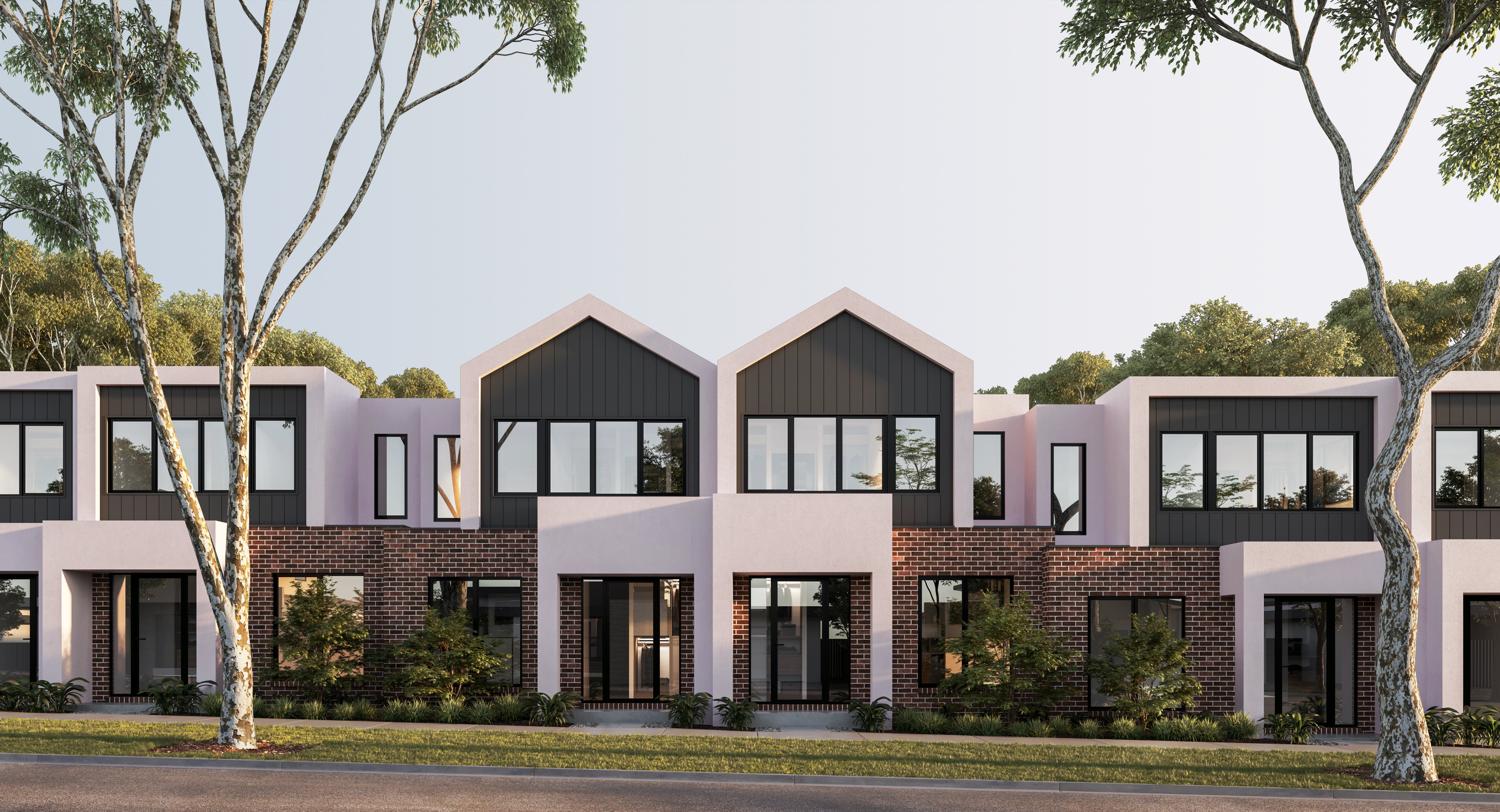
| Townhouse | Eligible, subject to its legal ownership and project structure | Eligible, subject to its legal ownership and project structure | Eligible, subject to its legal ownership and project structure | Eligible, subject to USDA property and location requirements |
| Planned unit development | Eligible when the property and project meet conventional requirements | Eligible when FHA requirements are met | Eligible when VA requirements are met | Eligible when USDA requirements are met |
| Two- to four-unit property | Eligible, with requirements based on occupancy and unit count | Eligible when the borrower occupies one unit | Eligible when the borrower occupies one unit | An entire multifamily property is not eligible. A single dwelling unit in a duplex can be eligible in certain structures. |
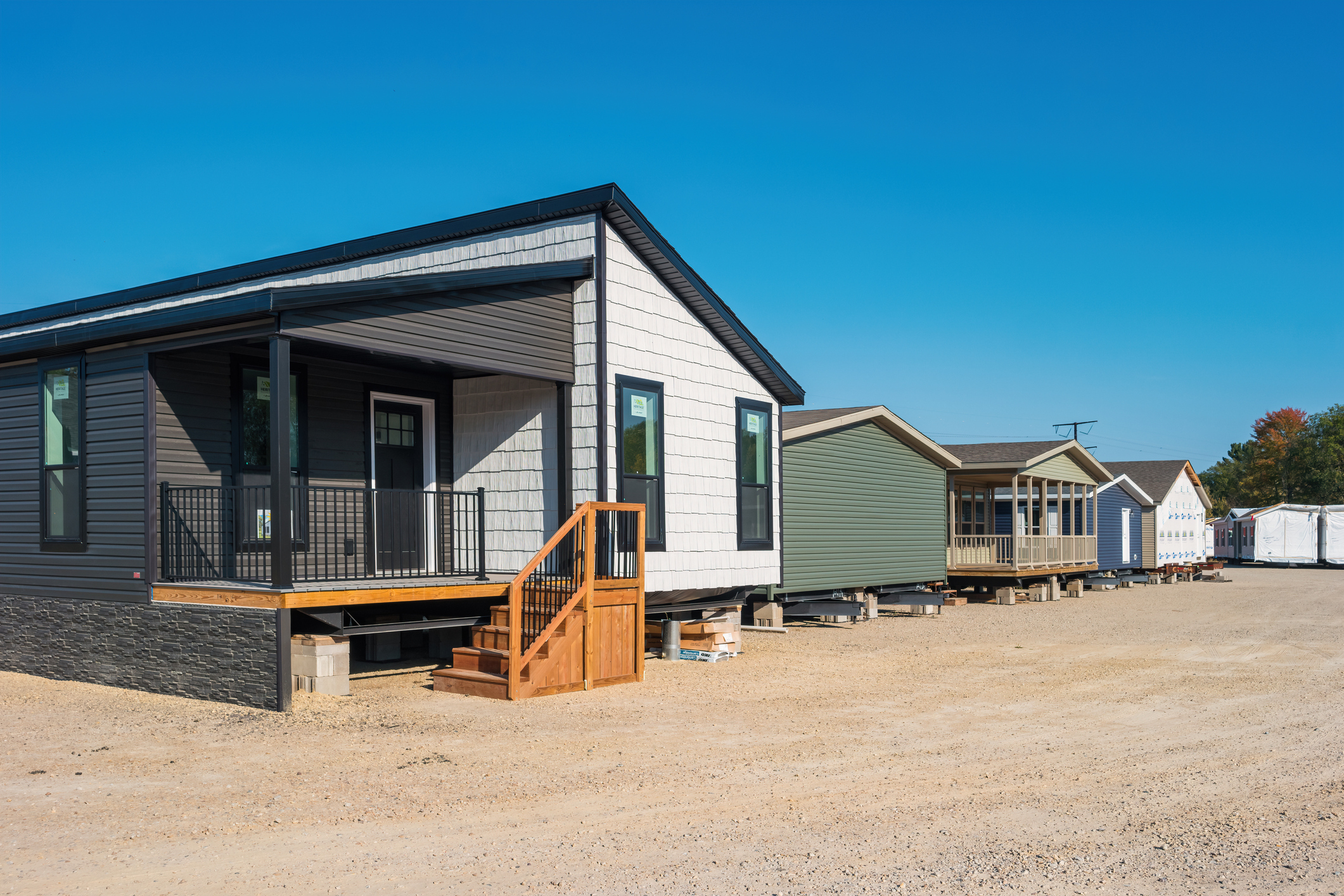
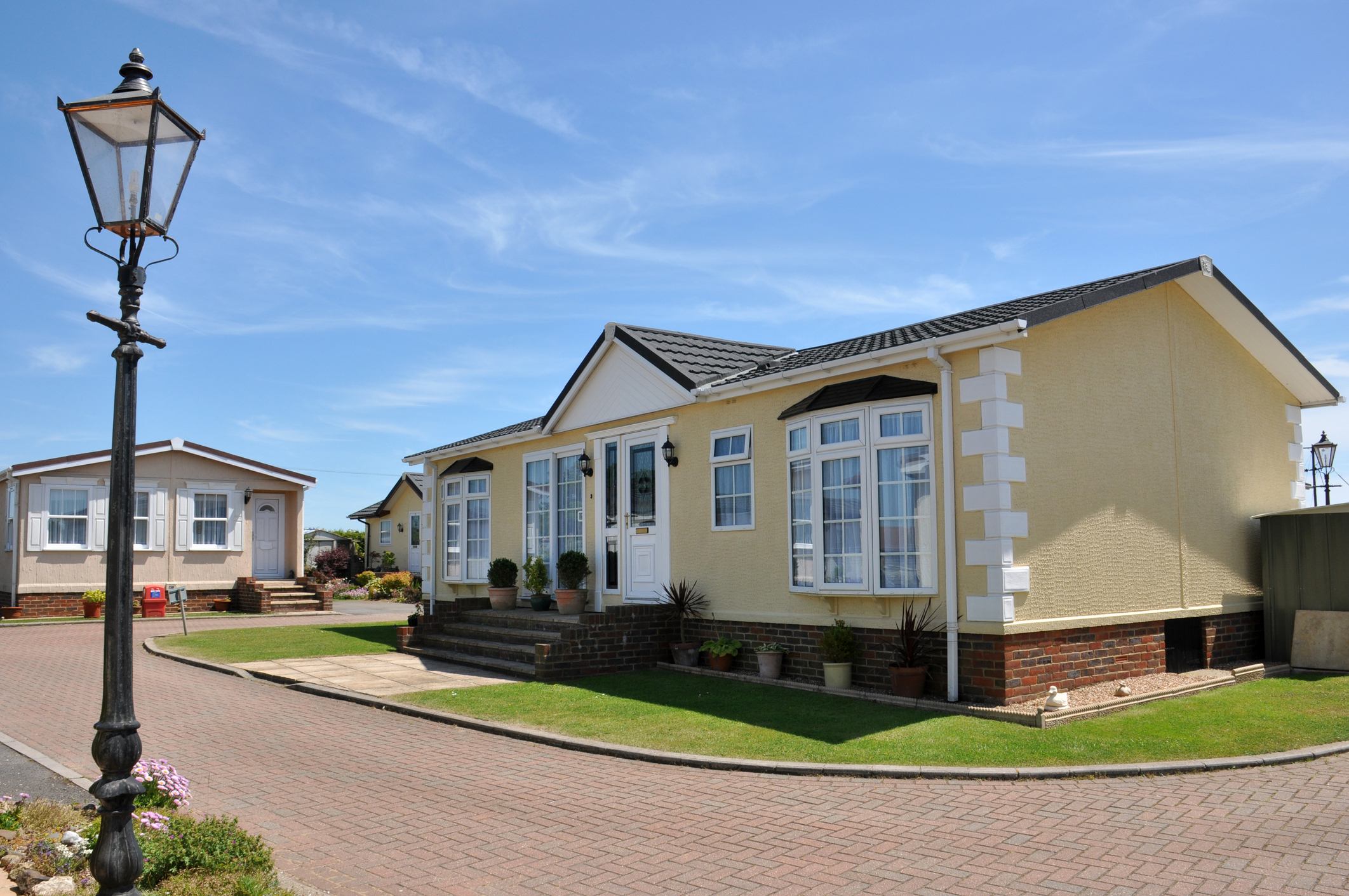
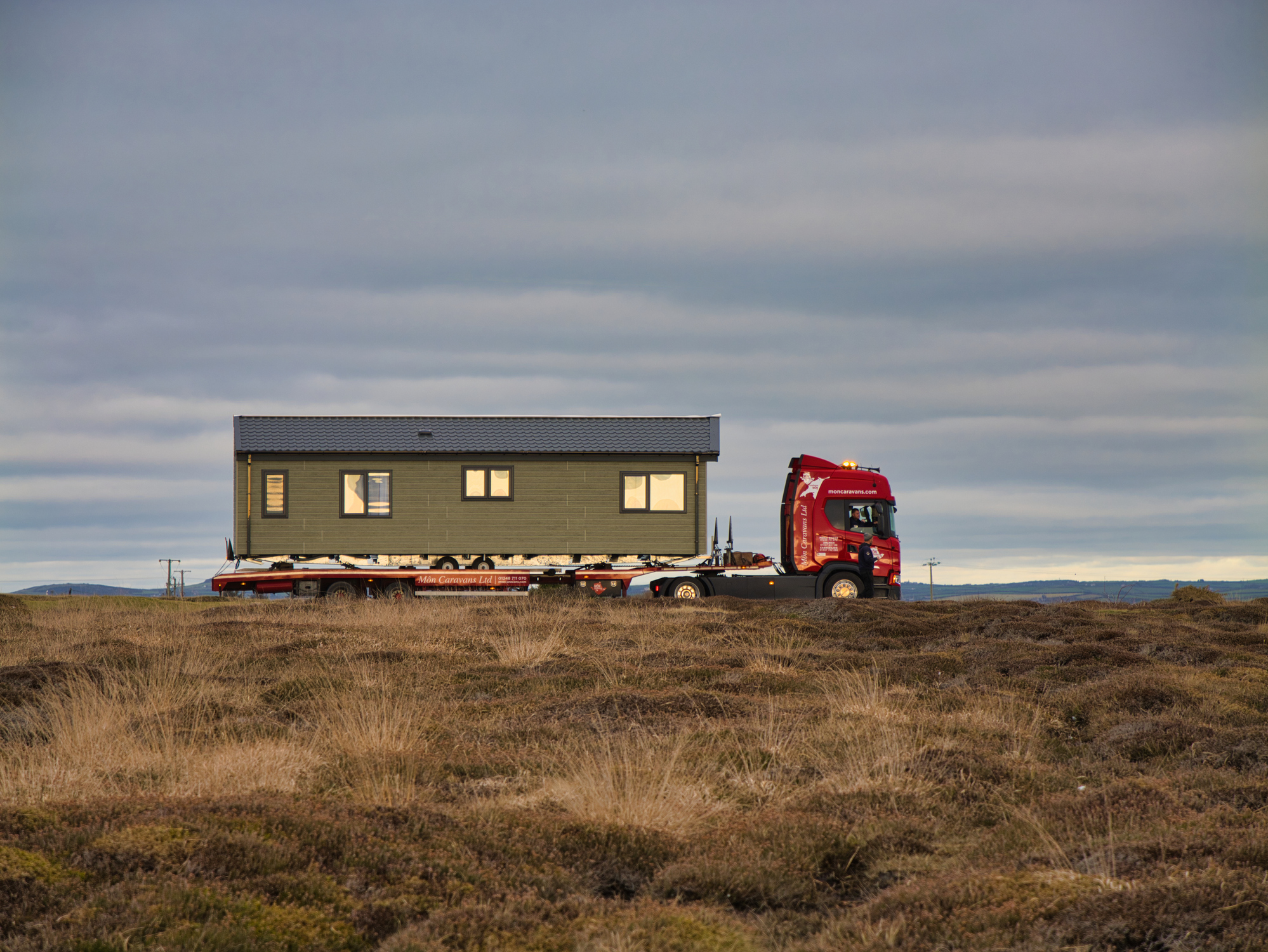
| Manufactured home | Eligible when Fannie Mae, Freddie Mac and lender requirements are met | Eligible when FHA manufactured-housing requirements are met | Eligible when VA manufactured-home requirements are met | Eligible new and existing units must meet USDA age, foundation, site and real-property requirements |
| Modular home | Generally treated as site-built housing | Eligible when the home meets applicable construction and property standards | Eligible when VA property requirements are met | Generally treated as site-built housing |
| Cooperative unit | Eligible under certain Fannie Mae or Freddie Mac co-op requirements | Not a standard FHA single-family purchase option | Not a standard VA purchase option | Not a standard USDA Guaranteed purchase option |
| Second home or investment property | Can be eligible, subject to occupancy and property requirements | Not eligible as a vacation home or pure investment purchase | The borrower must intend to occupy the home | The property must be the borrower’s primary residence |
Eligibility in the table refers to the general loan-program framework. The borrower, property, appraisal, project and lender must still satisfy all applicable requirements.
What Counts as a Property Type?
A property type describes the home’s physical construction, legal ownership or number of dwelling units.
Common examples include:
- Detached single-family home
- Condominium unit
- Townhouse
- Planned unit development
- Duplex, triplex or fourplex
- Manufactured home
- Modular home
- Cooperative unit
Some terms describe different characteristics of the same home. A townhouse, for example, can be legally organized as a fee-simple property, condominium or PUD. The legal structure determines which project-review requirements apply.
Properties You Can Buy With a Conventional Loan
Conventional loans can finance a wide range of properties, including detached houses, eligible condominium units, townhouses, PUDs, two- to four-unit buildings, manufactured homes, modular homes and some cooperative units.
Conventional financing can also be used for a primary residence, second home or investment property. The allowable loan-to-value ratio, down payment and reserve requirements can change based on occupancy and unit count.
Fannie Mae’s general property eligibility guidance recognizes fee-simple, leasehold and eligible cooperative forms of ownership.
Conventional Condo Requirements
A condominium unit and project must satisfy applicable Fannie Mae, Freddie Mac and lender requirements. The review can address the project’s insurance, financial condition, ownership concentration, commercial space, litigation and structural condition.
A condo that does not satisfy standard agency requirements is commonly described as non-warrantable. It may require non-warrantable condo financing rather than a standard conforming mortgage.
Conventional Manufactured Homes
Fannie Mae permits eligible manufactured homes when the home and land are legally classified as real property and the transaction satisfies manufactured-housing requirements.
Fannie Mae’s manufactured-housing guidance distinguishes manufactured homes from modular, prefabricated, panelized and sectional housing.
Modular homes are generally evaluated under the rules for site-built one-unit properties when they comply with applicable state and local building codes.
Conventional Co-Op Loans
Fannie Mae and Freddie Mac can purchase eligible cooperative share loans. Availability depends on the lender, market and project.
Fannie Mae requires an eligible co-op project to qualify as a cooperative housing corporation, be principally residential and be located in a market where cooperative ownership is accepted. Review Fannie Mae’s co-op project eligibility requirements.
Properties You Can Buy With an FHA Loan
FHA loans can finance eligible one- to four-unit properties that the borrower will occupy as a primary residence.
Eligible property types can include:
- Detached single-family homes
- Two- to four-unit properties
- Approved condominium units
- Qualifying units receiving Single-Unit Approval
- Townhouses and PUDs
- Manufactured homes
- Modular homes
- Eligible new construction
The FHA Single Family Housing Policy Handbook 4000.1 is HUD’s primary source for FHA property and underwriting requirements.
FHA Condos
An FHA-insured mortgage can finance a unit in an FHA-approved condominium project.
HUD also permits Single-Unit Approval for certain units in completed projects that are not FHA-approved. The project generally must contain at least five units, and the individual unit and project must satisfy HUD’s requirements.
Single-Unit Approval cannot be used for a manufactured-home unit in a condominium project.
Review FHA-approved condo requirements for more information.
FHA Two- to Four-Unit Properties
FHA can finance a duplex, triplex or fourplex when the borrower occupies one unit as a primary residence.
The entire building is treated as one residential property for the mortgage. The property must meet FHA appraisal, condition and self-sufficiency requirements when applicable.
Learn more about FHA financing for two- to four-unit properties.
FHA Manufactured Homes
FHA can insure an eligible manufactured home that complies with HUD construction, foundation, title and real-property requirements.
The home generally must:
- Have required HUD certification labels and identifying information
- Be attached to an acceptable permanent foundation
- Be classified and taxed as real property
- Meet applicable site and property requirements
- Serve as the borrower’s primary residence
Properties You Can Buy With a VA Loan
An eligible borrower can use a VA loan to buy a single-family home, townhouse, property with up to four units, unit in a VA-approved condominium project, manufactured home and lot, or eligible new construction.
The borrower must intend to occupy the home. VA’s Home Loan Guaranty Buyer’s Guide specifically identifies single-family homes, townhouses, properties with up to four units, approved condos and manufactured homes as eligible uses.
VA Multi-Unit Properties
A VA loan can finance a residential property with up to four units when the borrower occupies one unit.
Rental income from the other units may receive consideration under VA and lender underwriting requirements. The borrower must still have adequate income, credit and VA loan entitlement.
VA Condos
The condominium project generally must be approved by VA. A project that is not currently approved can be submitted for VA review.
Approval applies to the project rather than only the individual borrower’s unit.
VA Manufactured Homes
VA permits financing for an eligible manufactured home and lot. The home must satisfy VA property, foundation, title and appraisal requirements.
Individual lenders can establish additional manufactured-home requirements or choose not to offer the product.
Properties You Can Buy With a USDA Loan
The USDA Section 502 Guaranteed Loan Program finances an eligible primary residence in a qualifying rural area. The household must also satisfy USDA income requirements.
USDA Rural Development describes the program as financing adequate, modest, decent, safe and sanitary dwellings used as the borrower’s primary residence.
Potentially eligible properties include:
- Existing detached homes
- New construction
- Townhouses
- Eligible condominiums
- PUD properties
- New and existing modular homes
- Eligible new and existing manufactured homes
- A single residential unit in an eligible duplex structure
USDA Condos and PUDs
USDA can finance eligible condominium and PUD properties. The project must satisfy USDA requirements and cannot be an ineligible project type such as a condo hotel, timeshare or houseboat project.
USDA addresses these requirements in its special-property guidance for condos and PUDs.
USDA Manufactured Homes
USDA permits eligible new and existing manufactured homes under its current Single Family Housing Guaranteed Loan Program guidance.
USDA’s manufactured-home guidance states that:
- A new unit generally must have been manufactured within 12 months of closing.
- An existing unit generally must have been manufactured within 20 years of closing.
- The home generally cannot have been installed previously on another homesite.
- The unit must have at least 400 square feet of floor area.
- The home must be placed on an eligible permanent foundation.
- The home and site must be classified, zoned and taxed as real estate.
- The unit must satisfy federal manufactured-home construction and safety standards.
An existing unit older than 20 years can receive different treatment when it is already financed through an eligible USDA Section 502 loan.
Can USDA Finance a Duplex?
USDA does not generally finance the purchase of an entire two- to four-unit income-producing property through the Section 502 Guaranteed program.
A single residential unit in a duplex structure can be eligible when the borrower acquires only that dwelling unit and the property satisfies USDA requirements. This can occur when the unit has an eligible condominium, PUD or other acceptable legal structure.
Can You Finance a New-Construction Home?
Conventional, FHA, VA and USDA programs can finance eligible new construction.
The requirements can include:
- Approved construction documents
- Builder or contractor eligibility
- Plans and specifications
- Inspections
- Appraisal based on completed construction
- Certificate of occupancy
- Construction warranties
- Compliance with local building codes
The availability of construction-to-permanent or single-close financing varies by loan program and lender.
Can You Finance a Mixed-Use Property?
A mixed-use property combines residential space with commercial or business space.
Eligibility depends on whether the property remains primarily residential and whether the commercial use affects its safety, marketability or residential character.
Fannie Mae, Freddie Mac, FHA, VA and USDA apply different standards. A property with a small home office or storefront can receive different treatment from a building in which commercial use occupies most of the space.
Mixed-use properties require a property-specific review and should not be assumed eligible based only on unit count.
How Occupancy Changes Property Eligibility
Property type and occupancy are separate parts of mortgage eligibility.
Conventional financing can cover primary residences, qualifying second homes and investment properties. FHA, VA and USDA purchase loans generally require owner occupancy.
FHA and VA permit eligible two- to four-unit properties when the borrower occupies one unit. USDA requires the financed property to serve as the borrower’s primary residence and does not generally finance an entire multifamily rental property.
Review occupancy requirements by loan type for the complete primary-residence, second-home and investment-property comparison.
Bottom Line
Conventional, FHA, VA and USDA loans can finance more than detached single-family homes. Depending on the program, eligible properties can include condos, townhouses, PUDs, manufactured homes, modular homes and buildings with multiple units.
Conventional financing offers the broadest combination of property and occupancy options. FHA and VA allow eligible properties with up to four units when the borrower lives in one. USDA finances eligible single-family residences in qualifying rural areas, including certain condos, townhouses, modular homes and manufactured homes.
Confirm the home’s legal ownership, unit count, occupancy, construction type and project status before selecting a loan program.
FAQ
Can You Buy a Condo With a Conventional, FHA, VA or USDA Loan?
Yes, each program can finance eligible condominium units. Conventional loans apply Fannie Mae, Freddie Mac and lender project requirements. FHA generally requires project approval or qualifying Single-Unit Approval. VA generally requires a VA-approved project. USDA applies its own condominium eligibility requirements.
Can You Buy a Duplex With an FHA or VA Loan?
Yes. FHA and VA loans can finance an eligible duplex when the borrower occupies one unit as a primary residence.
Can You Buy a Triplex or Fourplex With an FHA or VA Loan?
Yes. FHA and VA financing can cover eligible properties with up to four units when the borrower occupies one unit. Additional appraisal and underwriting requirements can apply.
Can You Buy a Multifamily Property With a USDA Loan?
USDA does not generally finance the purchase of an entire two- to four-unit residential rental property through the Section 502 Guaranteed program. A single dwelling unit within a duplex structure can be eligible when the legal structure and property meet USDA requirements.
Can You Finance a Manufactured Home With a Conventional Loan?
Yes. Fannie Mae and Freddie Mac permit eligible manufactured-home financing. The home, land, title, foundation and transaction must satisfy applicable manufactured-housing requirements.
Can You Finance a Manufactured Home With an FHA Loan?
Yes. FHA can finance an eligible manufactured home that meets HUD-code, foundation, title, real-property and occupancy requirements.
Can You Finance a Manufactured Home With a VA Loan?
Yes. VA identifies the purchase of an eligible manufactured home and lot as an allowable use. Lender availability and additional requirements can vary.
Can You Finance a Manufactured Home With a USDA Loan?
Yes. USDA permits eligible new and existing manufactured homes. Current requirements address the home’s age, original installation site, floor area, permanent foundation, HUD certification and real-property status.
Is a Townhouse the Same as a Condo?
No. A townhouse describes the home’s physical form. It can be legally structured as a fee-simple property, condominium or PUD. The legal structure determines the project and ownership requirements.
Can You Buy a Second Home With an FHA, VA or USDA Loan?
These government-backed purchase programs generally require the financed home to be owner-occupied. Conventional financing is the standard option for qualifying second homes, although limited government-program exceptions can apply in specific circumstances.
Can You Buy an Investment Property With a Government-Backed Loan?
FHA, VA and USDA purchase loans are intended for owner-occupied homes. FHA and VA borrowers can buy eligible properties with multiple units and rent the units they do not occupy. Conventional financing is generally used for a property purchased solely as an investment.




















.jpg?quality=80&width=800)









































































































.jpg?quality=80&width=800)

.jpg?quality=80&width=800)














.jpg?quality=80&width=800)













.jpg?quality=80&width=800)































.jpg?quality=80&width=800)