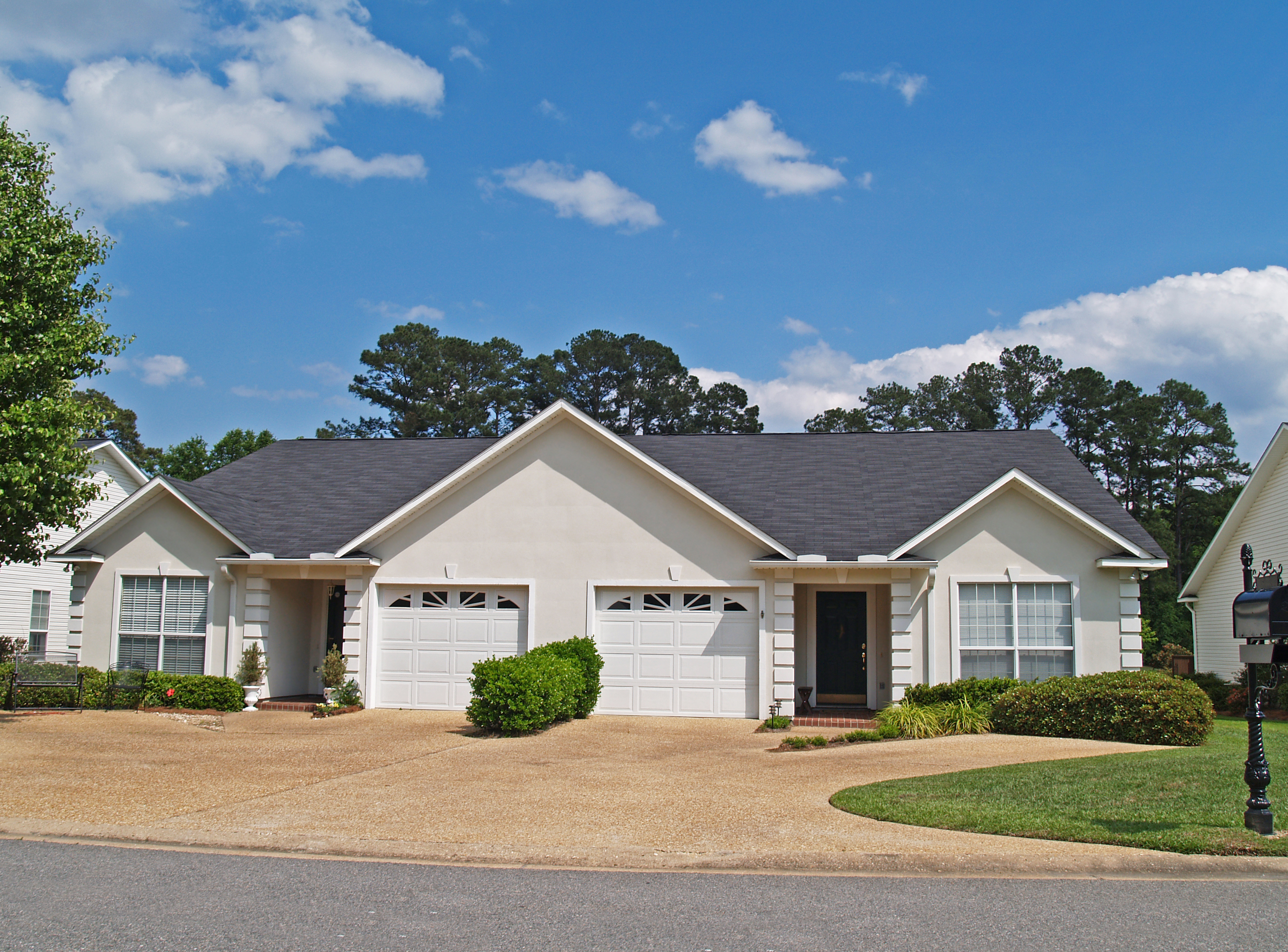
Investment property reserve requirements can add substantially to the cash you need for a mortgage.
For a Fannie Mae investment-property loan underwritten through Desktop Underwriter, the baseline is generally six months of the property's qualifying monthly payment.
You may need more if you already own other financed properties.
That makes reserves an important part of your overall investment property mortgage requirements, even though you do not actually pay that money at closing.
Investment Property Reserve Requirements Basics
| Requirement |
What It Means |
| Fannie Mae investment property |
Generally six months of the subject property's qualifying payment through Desktop Underwriter |
| Fannie Mae second home |
Generally two months of reserves through Desktop Underwriter |
| Other financed properties |
Additional reserves may be required based on the number of financed properties and their unpaid mortgage balances |
| Non-QM investment property loans |
Reserve requirements are set by the individual lender or program |
| When reserves are measured |
After subtracting the funds needed to close |
Fannie Mae defines reserves as liquid or near-liquid assets available after the mortgage closes.
The requirement is measured in months of the property's qualifying payment rather than as a flat dollar amount.
How Mortgage Reserves Are Calculated
Reserves are generally expressed as a number of months of PITIA.
PITIA includes principal, interest, property taxes, homeowners insurance and homeowners association dues when applicable.
Other housing costs included in the qualifying payment can also affect the reserve calculation.
Suppose an investment property's qualifying monthly payment is $2,400.
Six months of reserves would equal:
$2,400 × 6 = $14,400
That means you would need $14,400 in eligible assets remaining after accounting for the money needed to close.
The broader concept is the same as other mortgage reserve requirements, but investment properties are subject to additional Fannie Mae rules.
Reserve Requirements by Loan Type
| Loan Type |
Reserve Treatment |
| Fannie Mae conventional investment property |
DU generally requires six months for the subject property, plus additional reserves when applicable |
| Freddie Mac conventional investment property |
Reserve requirements are determined under Freddie Mac guidelines and Loan Product Advisor findings |
| DSCR |
Set by the individual lender or investor |
| Bank statement |
Set by the individual lender or investor |
| Asset qualifier |
Set by the individual lender or investor and can interact with the assets used to qualify |
Conventional rules can be verified against Fannie Mae or Freddie Mac guidance.
Non-QM loans work differently because there is no single agency standard covering every DSCR, bank statement or asset qualifier program.
Reserve requirements are one of several areas where non-QM investment property programs can differ substantially by lender.
Fannie Mae Reserve Requirements for Investment Properties
Fannie Mae's Desktop Underwriter generally requires six months of reserves for an investment-property transaction.
That requirement applies to the subject property.
If you own additional financed properties, another reserve calculation can be added on top of those six months.
This is one reason cash reserves become more significant as an investment portfolio grows, even when the next property otherwise fits conventional investment property guidelines.
Desktop Underwriter can also require additional reserves based on the overall risk assessment of the loan.
So six months should be viewed as the baseline under the rule, not a guarantee that every approved file will stop there.
How Other Financed Properties Increase Reserves
Fannie Mae requires additional reserves when the subject loan is for a second home or investment property and the borrower owns other financed properties.
The additional amount is based on the aggregate unpaid principal balance of mortgages and HELOCs on certain other financed properties.
| Number of Financed Properties |
Additional Reserve Calculation |
| 1 to 4 |
2% of the applicable aggregate unpaid mortgage balances |
| 5 to 6 |
4% of the applicable aggregate unpaid mortgage balances |
| 7 to 10 |
6% of the applicable aggregate unpaid mortgage balances |
The mortgages on the subject property and your principal residence are excluded from the balance used for this additional calculation.
Properties that are sold or pending sale and debts that will be paid by closing can also be excluded when they meet Fannie Mae's requirements.
Investment Property Reserve Example
Consider an investor buying a fourplex with a $4,000 monthly qualifying payment.
Six months of reserves for the new property would equal $24,000.
Now assume the borrower also owns a financed principal residence and three other financed rental properties.
Including the new property, that borrower has five financed properties.
If the three existing rental-property mortgages have an aggregate unpaid balance of $600,000, Fannie Mae's 4% additional-reserve calculation would equal $24,000.
| Reserve Component |
Amount |
| 6 months on new fourplex |
$24,000 |
| 4% of $600,000 on other applicable financed properties |
$24,000 |
| Total reserves in example |
$48,000 |
The borrower would therefore need $48,000 in eligible reserves after paying the down payment and other closing costs in this example.
Portfolio size is one of the reasons financing a fourplex can require substantially more liquidity than the down payment alone suggests.
Second Home vs. Investment Property Reserves
Fannie Mae treats second homes and investment properties differently.
Desktop Underwriter generally requires two months of reserves for a second-home transaction and six months for an investment-property transaction.
The difference reflects the different occupancy classifications.
The same distinction appears elsewhere in mortgage underwriting, including down payment and pricing.
If a property legitimately qualifies as a second home, its reserve requirement can differ from a property purchased primarily to generate rental income.
How you actually intend to use the home determines which occupancy classification applies.
Reserves Are Separate From Your Down Payment
Reserve funds have to remain available after closing.
That means you generally cannot count the same dollars as both your down payment and your post-closing reserves.
For example, suppose you have $100,000 in eligible assets and need $80,000 for the down payment and closing costs.
You would have $20,000 remaining for reserves.
If the mortgage requires $25,000 in reserves, the file would still be $5,000 short even though you had enough cash to complete the purchase itself.
This is why your investment property down payment should be considered alongside reserves rather than as the entire cash requirement.
What Counts Toward Mortgage Reserves?
Fannie Mae allows several types of liquid or near-liquid assets to count as reserves.
Checking and savings accounts are straightforward examples.
Stocks, bonds, mutual funds, certificates of deposit, money market funds and eligible trust accounts can also count.
Vested retirement funds can be eligible as well.
Fannie Mae also permits the cash value of a vested life insurance policy.
In each case, the asset must meet the applicable verification and accessibility requirements.
Do Retirement Accounts Count as Reserves?
Yes, vested funds in eligible retirement accounts can count.
Fannie Mae allows vested funds in accounts such as IRAs and 401(k)s to be used for reserves when the account permits withdrawals under its requirements.
The money does not have to be withdrawn simply because it is being counted as a reserve.
If the retirement account contains stocks, bonds or mutual funds, additional rules can apply to the value the lender uses.
What Does Not Count as Reserves?
Not every asset on a balance sheet is eligible.
Fannie Mae excludes nonvested funds and funds that cannot be withdrawn except upon retirement, termination or death.
Nonvested stock options and nonvested restricted stock also cannot be counted.
Personal unsecured loans do not qualify as reserves.
Neither do interested-party contributions or lender contributions.
Cash proceeds from a cash-out refinance on the subject property are also specifically excluded from reserves.
Understanding which assets lenders can actually count can prevent a situation where your total net worth looks adequate but your eligible reserves do not.
How Asset Qualifier Loans Treat Your Available Assets
Assets can play two different roles in an investment-property loan.
They can satisfy a reserve requirement, or they can be used as part of the qualification method itself.
That distinction matters with an asset qualifier loan.
If the program uses your assets to generate qualifying income, some of those same funds may also have to be set aside for the down payment, closing costs or reserves.
The exact treatment is lender-specific.
The important point is that the full account balance should not automatically be assumed to be available for every purpose at once.
Does Rental Income Reduce Your Reserve Requirement?
Positive rental income can help you qualify for a mortgage, but it does not automatically erase Fannie Mae's reserve requirement.
Rental income and reserves address different parts of the underwriting decision.
Eligible rental income can improve the income side of the file or offset a property's housing expense.
Reserves measure the assets available to continue making payments after closing.
So even a property with strong projected rent can still require six months of reserves.
How much rent actually counts toward qualification depends on the rules for using rental income on an investment property.
How to Document Investment Property Reserves
The lender has to verify that eligible reserve assets actually exist and belong to the borrower.
The exact documentation depends on the type of asset and the underwriting method.
Bank and investment account statements are common forms of documentation.
Retirement accounts require evidence of ownership, vesting and access under the applicable rules.
The lender also has to account for the funds being used to close before determining how much remains available as reserves.
Large or unusual deposits can require additional documentation when they are needed for the transaction.
How to Estimate Your Reserve Requirement
Start with the subject property's expected qualifying monthly payment.
Multiply that amount by six for a Fannie Mae investment-property transaction underwritten through Desktop Underwriter.
Then determine whether the additional financed-property calculation applies.
If you own multiple financed properties, the amount can increase quickly because the additional requirement is based on outstanding loan balances rather than simply another fixed number of monthly payments.
A mortgage reserves calculation can help translate the monthly payment into a dollar target before you apply.
Bottom Line
Investment property reserves are assets you keep available after closing, not money you pay to the lender.
For a Fannie Mae investment-property transaction through Desktop Underwriter, the baseline is generally six months of the subject property's qualifying payment.
Borrowers with other financed properties can face a second reserve calculation based on the unpaid balances of those properties.
That means an investor with several mortgages may need substantially more liquidity than a first-time investor buying the same property.
Non-QM reserve requirements vary by lender, so DSCR, bank statement and asset qualifier programs should be evaluated based on their actual program terms.
FAQ
How Many Months of Reserves Do You Need for an Investment Property?
Fannie Mae's Desktop Underwriter generally requires six months of reserves for an investment-property transaction.
Additional reserves can be required if you own other financed properties, and DU can require more based on the overall loan file.
Do Retirement Accounts Count Toward Mortgage Reserves?
Yes. Fannie Mae allows vested funds in eligible retirement accounts to count toward reserves when the account meets its accessibility requirements.
The funds do not have to be withdrawn simply because they are being used to document reserves.
Are Reserves the Same as a Down Payment?
No. Your down payment is used to purchase the property, while reserves must remain available after closing.
The lender subtracts the funds needed to close before determining whether enough eligible assets remain to satisfy the reserve requirement.
Do You Need Reserves for Every Rental Property You Own?
Owning other financed properties can increase your Fannie Mae reserve requirement.
For an investment-property transaction, Fannie Mae can require additional reserves equal to 2%, 4% or 6% of applicable unpaid mortgage balances, depending on how many financed properties you own.
Does Rental Income Reduce Your Reserve Requirement?
Not automatically. Eligible rental income can help with mortgage qualification, but reserves are a separate requirement designed to measure the assets available after closing.
A property that produces positive qualifying rental income can therefore still require six months of reserves.




.jpg?quality=80&width=150)

















.jpg?quality=80&width=800)






















































































.jpg?quality=80&width=800)

.jpg?quality=80&width=800)









.jpg?quality=80&width=800)













.jpg?quality=80&width=800)