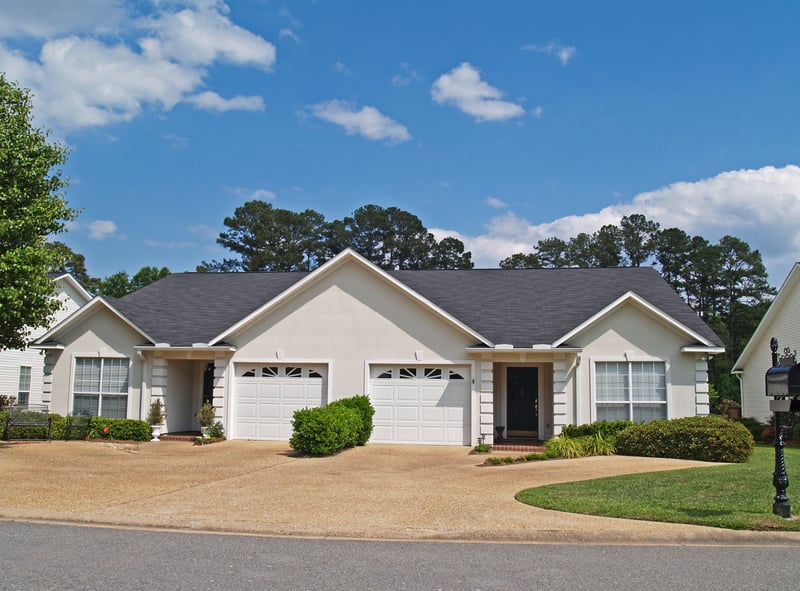
Having a mortgage on your primary residence does not prevent you from getting a second-home loan.
The bigger question is whether your income and assets are strong enough to support both properties. Your lender will generally consider your current housing payment, the proposed second-home payment, your other debts and the reserves you will have left after closing.
Buying a Second Home With an Existing Mortgage: The Basics
| Factor |
What It Means for You |
| Current mortgage |
Your existing housing payment generally still counts when the lender reviews your debts. |
| Second-home payment |
The proposed payment on the new home is added to your other monthly obligations. |
| Debt-to-income ratio |
Both housing payments can affect your DTI unless special treatment applies to another property. |
| Reserves |
Second-home transactions generally require at least two months of reserves, with more possible when you own other financed properties. |
| Home equity |
Equity can potentially help fund the purchase, but borrowing against it can create another monthly debt payment. |
You also need to satisfy the broader requirements for a second-home mortgage, including the property-use, down payment, credit and reserve rules.
How Does Your Existing Mortgage Affect DTI?
Your lender will generally include the housing payment on your current home when calculating your debt-to-income ratio, or DTI.
Fannie Mae's current rules require the applicable housing expense on other real estate you own to be considered when you qualify for a new mortgage.
Your current housing payment can include principal, interest, property taxes, homeowners insurance, mortgage insurance when applicable and association dues. The lender then adds the proposed payment on the second home along with your other recurring debts.
For example, suppose you currently have a $1,800 monthly housing payment and the second home would cost $2,400 per month. Before considering car loans, student loans, credit cards or other debts, the lender may already be evaluating $4,200 in monthly housing obligations.
There is no single DTI limit that applies to every second-home borrower. The amount you can qualify for depends on how the loan is underwritten and the strength of your overall application.
How Much Income Do You Need for Two Mortgages?
There is no universal income amount required to carry two mortgages.
The lender looks at the relationship between your qualifying monthly income and your recurring monthly debts rather than requiring a specific salary.
Someone earning $150,000 a year with very little other debt can have a very different borrowing capacity from someone earning the same amount with large auto, student loan or credit card payments.
The size of both mortgages also matters. Property taxes, insurance and homeowners association dues can make two homes with similar purchase prices produce very different monthly obligations.
This is why affordability should be based on the complete payment rather than the mortgage principal and interest alone.
Do You Need Reserves if You Already Own a Home?
Yes. Owning a primary residence does not eliminate the reserve requirement for the second-home purchase.
For a second-home loan evaluated through Desktop Underwriter, Fannie Mae generally requires at least two months of reserves.
If your proposed second-home housing payment is $3,000 per month, that would mean at least $6,000 in eligible reserves before considering any additional requirements.
If you own other financed properties beyond your primary residence, Fannie Mae can require additional reserves based on those mortgage and HELOC balances. Desktop Underwriter can also require more reserves based on its overall risk assessment.
The second-home reserve requirement is separate from your down payment and closing costs, so you need to plan for all three.
Can You Use Equity From Your Current Home to Buy a Second Home?
Potentially. If your primary residence has enough equity, you may be able to use some of it to help fund the second-home purchase.
Common ways to access home equity include a HELOC, a home equity loan or a cash-out refinance.
The important trade-off is that borrowing against your current home can create or increase another monthly payment. That new obligation can affect your DTI and reduce how much second-home mortgage debt you can qualify for.
Using a HELOC
A home equity line of credit lets you borrow against available equity in your current property, generally through a revolving credit line.
If you use a HELOC to fund part of the second-home down payment, the required HELOC payment generally has to be considered along with your existing mortgage and the proposed second-home payment.
Using a Home Equity Loan
A home equity loan provides a lump sum secured by your current home. It can provide predictable financing for a down payment, but the new monthly payment becomes another debt obligation.
Using a Cash-Out Refinance
A cash-out refinance replaces your existing mortgage with a new, larger loan and gives you part of the difference in cash.
That can provide money for a second-home purchase, but it also changes the rate, payment and terms on your primary-home mortgage. The new payment is then part of the qualification picture for the second home.
How Much Do You Need to Put Down?
You may be able to buy an eligible one-unit second home with as little as 10% down under Fannie Mae's standard purchase rules.
That does not mean 10% will work for every borrower. Your credit, underwriting results, property and lender requirements can result in a larger required down payment.
Putting more down also reduces the amount you need to borrow and can affect mortgage pricing. At 20% down, you can generally avoid borrower-paid private mortgage insurance on a conventional loan.
The down payment on a second home therefore affects both your upfront cash requirement and the monthly cost of carrying the second property.
Can Rental Income From the Second Home Help You Qualify?
Generally, no. If you are financing the new property as a second home, expected rent from that home generally cannot be used as qualifying income.
This remains true even if you plan to rent the property occasionally when you are not using it.
That means you may need enough other income to support both the current home and the second-home payment without counting expected vacation-rental income.
If you need rent from the new property to make the mortgage affordable, the rules for using rental income to qualify may point toward investment-property financing instead, depending on how you actually intend to use the home.
What if You Rent Out Your Current Home?
The analysis changes if your current residence becomes a rental property.
Fannie Mae allows eligible rental income from a current principal residence that is being converted to investment use to be considered when the applicable requirements are met.
The lender needs to document the rent under Fannie Mae's rental-income rules. Depending on your circumstances, eligible rental income may offset some or all of the housing expense on that property or be included in the income calculation.
That does not mean simply telling the lender that you plan to rent the home removes its mortgage payment from your DTI. The income has to meet the applicable documentation and qualifying requirements.
Your second home also still has to genuinely qualify as a second home. If the new property will actually become your principal residence, the transaction should be classified accordingly rather than as a second-home purchase.
What if You Plan to Sell Your Current Home?
If you are selling your current home, the timing of the sale can affect how its mortgage is treated.
Fannie Mae's rules provide specific treatment when a current principal residence is pending sale. In some circumstances, the lender may not have to count the existing housing payment if there is an executed sales contract and applicable financing contingencies have been cleared.
Those rules are written around a borrower purchasing a new principal residence, so they should not be assumed to apply identically to every second-home transaction.
If you intend to keep the existing home after closing on the second home, you should generally expect its housing payment to remain part of the qualification analysis.
Can You Have More Than Two Mortgages?
Potentially. Fannie Mae does not limit second-home borrowers to owning only their primary residence plus one additional property.
For second-home or investment-property transactions evaluated through DU, Fannie Mae currently allows a borrower to have up to 10 financed properties, subject to the applicable eligibility and underwriting requirements.
As the number of financed properties increases, the reserve requirements can also increase.
Owning multiple properties therefore becomes as much an asset and cash-flow question as a mortgage-count question.
Does Your Existing Mortgage Affect Your Second Home Rate?
Your existing mortgage does not create a fixed surcharge on the interest rate for the second home.
Second-home loans can already carry different conventional pricing than comparable primary-residence mortgages. Your credit, down payment, loan-to-value ratio, points, lender and market conditions also affect the rate you receive.
Carrying an existing mortgage can affect qualification by increasing your debts, but it does not mean your new rate automatically increases by a set amount.
The pricing factors behind second-home mortgage rates should therefore be considered separately from the DTI impact of your current home.
How Much Cash Should You Have Before Buying?
You need to plan for more than the down payment.
Your available funds may need to cover:
- The second-home down payment
- Closing costs and prepaid expenses
- Required financial reserves
- Any additional reserve requirement tied to other financed properties
- Repairs, furnishing and other costs after closing
Your second-home closing costs are spent as part of the transaction, while reserves generally need to remain available afterward.
Because you are maintaining two properties, keeping additional liquidity beyond the mortgage minimum can also help cover maintenance or unexpected costs on either home.
The Bottom Line
You can buy a second home while you still have a mortgage on your primary residence. The existing mortgage does not disqualify you, but it generally remains part of the lender's affordability calculation.
You need enough qualifying income to support both housing payments and your other debts, along with enough assets for the down payment, closing costs and required reserves.
Equity in your current home can potentially help fund the purchase, but borrowing against that equity creates another debt obligation that can affect qualification. If you plan to rent or sell your existing home, the way that property is treated depends on what actually happens to it and whether the applicable documentation requirements are met.
FAQ
Can You Buy a Second Home if You Already Have a Mortgage?
Yes. Having a mortgage on your primary residence does not prevent you from buying a second home. Your lender will generally consider your current housing payment, proposed second-home payment, other debts, income and available assets when deciding whether you qualify.
Do Both Mortgages Count Toward Your DTI?
Generally, yes. If you keep your current home, its applicable housing payment generally remains part of your recurring monthly debts, and the proposed second-home payment is added to the calculation. Different treatment can apply to eligible rental properties and certain other situations.
Can You Use Home Equity for a Second Home Down Payment?
Potentially. You may be able to access equity through a HELOC, home equity loan or cash-out refinance. Any new debt payment created by borrowing against your home can affect your DTI and second-home qualification.
Can You Use Rent From the Second Home to Qualify?
Generally, no. Expected rental income from a property financed as a second home usually cannot be used to help you qualify for its mortgage. Investment-property financing follows different rental-income rules.
How Many Mortgages Can You Have?
There is no universal two-mortgage limit. Under current Fannie Mae rules, a borrower financing a second home or investment property through Desktop Underwriter can have up to 10 financed properties, subject to the applicable underwriting, reserve and eligibility requirements.




%20(1).jpg?quality=80&width=150)




















.jpg?quality=80&width=800)












































































































.jpg?quality=80&width=800)