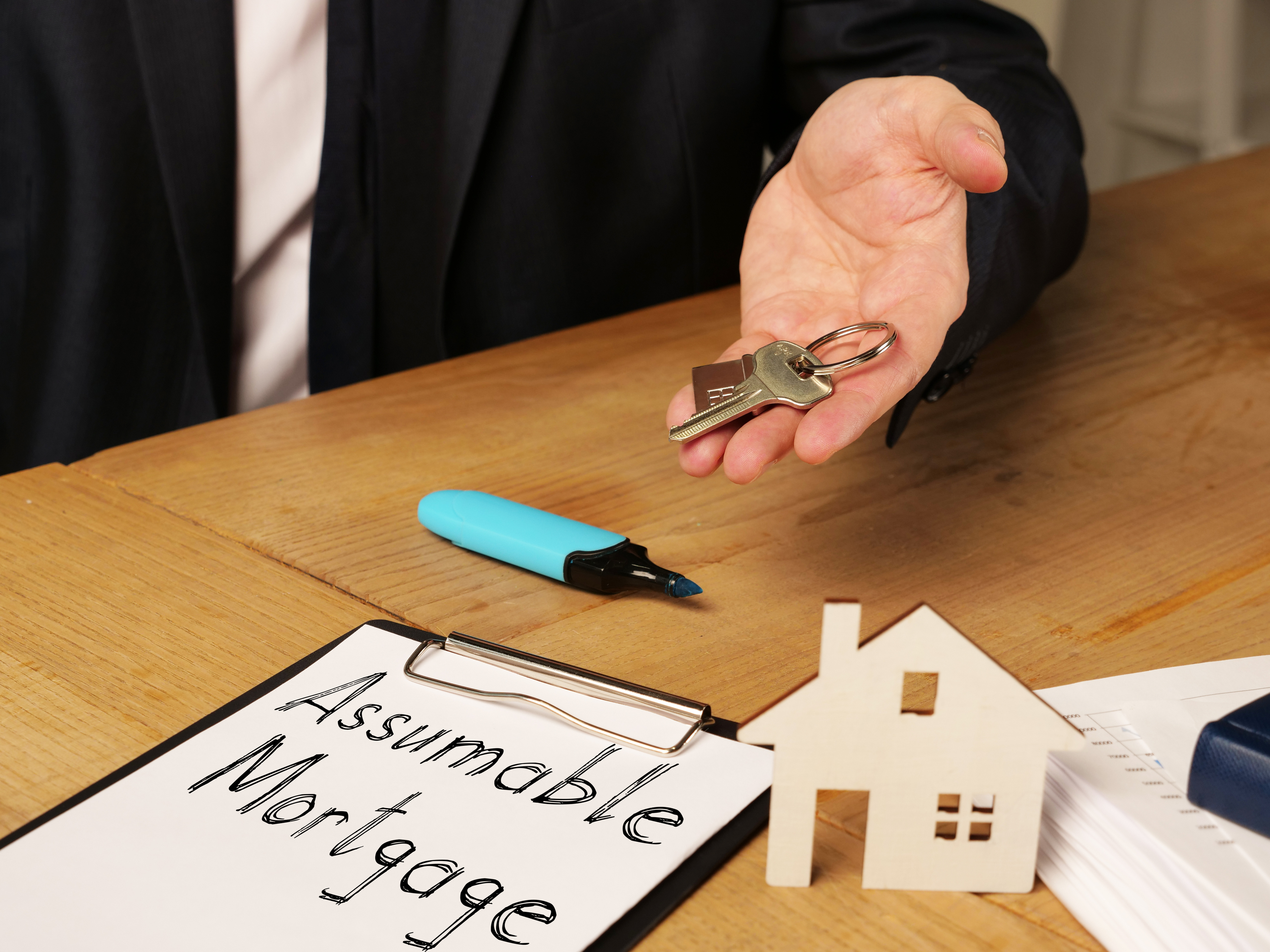
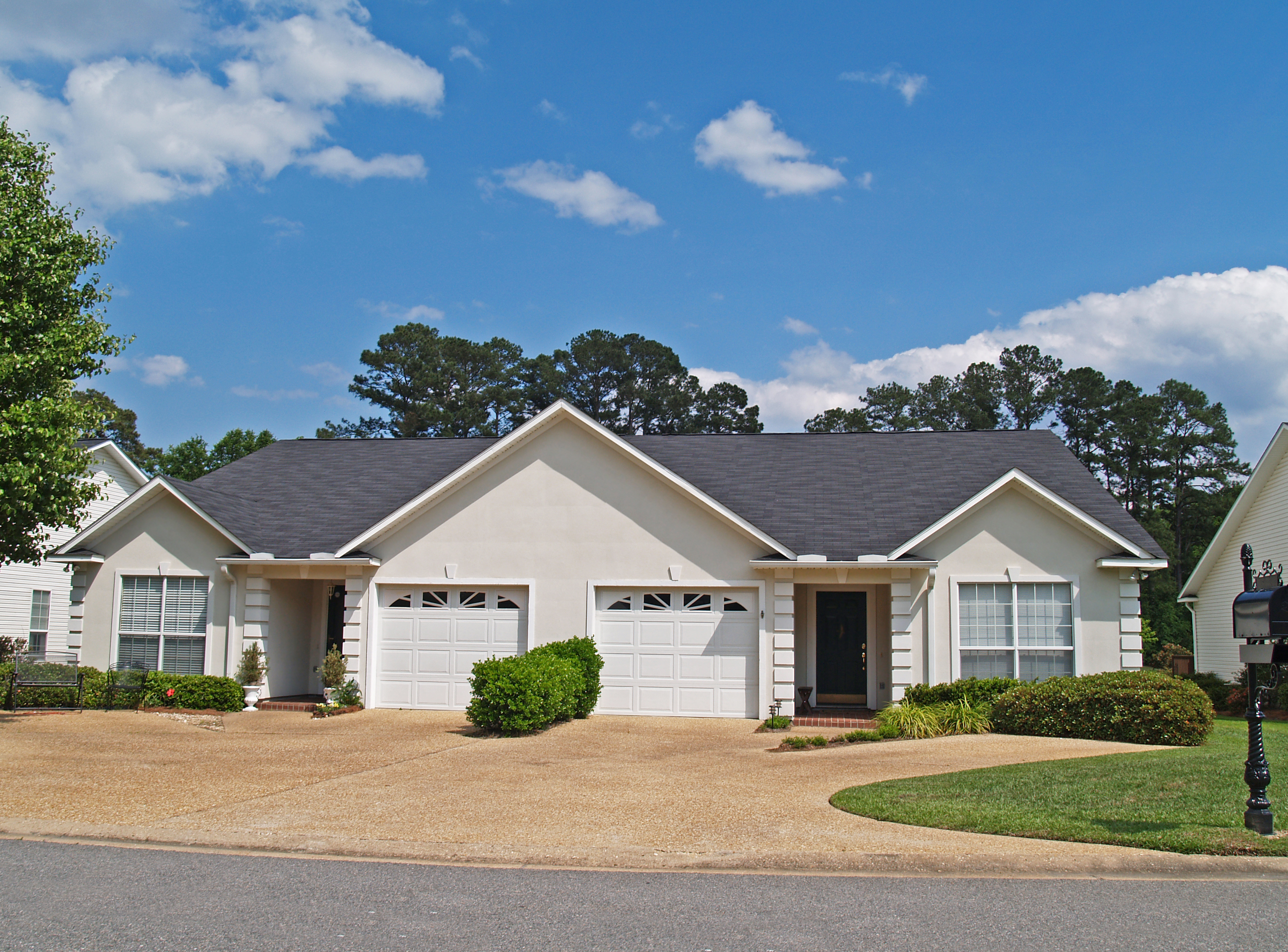
A $1,500 monthly housing payment could support a home price of about $186,500 with 5% down, depending on your rate and personal circumstances.
What $1,500 a month gets you also depends on your down payment. The same payment could support a loan amount $195,000 with 10% down or $234,000 with 20% down. The larger down payment reduces the loan balance, and 20% down generally eliminates conventional private mortgage insurance.
Your actual price range will depend on your mortgage rate, down payment, property taxes, homeowners insurance, mortgage insurance, homeowners association dues and other monthly debts.
You can enter your own figures in our monthly payment calculator.
$1,500 Monthly Payment Basics
| Estimate |
Amount |
| Target monthly housing payment |
$1,500 |
| Estimated home price with 5% down |
$186,500 |
| Estimated 5% down payment |
$9,325 |
| Estimated loan amount |
$177,175 |
| Estimated income at a 28% housing ratio |
About $64,300 per year |
Estimate Assumptions
The estimates on this page assume: A 30-year fixed conventional mortgage at 6.55%, annual property taxes equal to 1.1% of the home price, annual homeowners insurance equal to 0.5%, estimated private mortgage insurance equal to 0.85% of the loan balance for the 5% and 10% down scenarios, no homeowners association dues and no other monthly debts.
The rate is based on Freddie Mac’s average reported on July 16, 2026. These inputs are examples rather than universal loan terms or approval standards.
What Does a $1,500 Monthly Payment Translate to as a Home Price?
The home price supported by $1,500 per month changes with the mortgage rate. A lower rate directs more of the payment toward the loan balance, while a higher rate increases the interest cost.
| Interest Rate |
Estimated Home Price |
5% Down Payment |
| 5.5% |
About $202,000 |
About $10,100 |
| 6.55% |
About $186,500 |
About $9,325 |
| 7.5% |
About $174,000 |
About $8,700 |
What Is Included in a $1,500 Mortgage Payment?
A complete monthly housing payment may include:
- Principal: The portion that reduces the mortgage balance
- Interest: The cost of borrowing
- Property taxes: Local taxes assessed on the property
- Homeowners insurance: Coverage for the home and certain losses
- Mortgage insurance: An added cost for some loans with smaller down payments
- HOA dues: Required association charges when applicable
Principal, interest, taxes and insurance are often abbreviated as PITI. Private mortgage insurance and HOA dues can increase the qualifying housing payment beyond basic PITI.
Our affordability calculator can account for these costs using your own budget.
How Much Income Do You Need for a $1,500 Monthly Payment?
A $1,500 housing payment equals 28% of gross monthly income of approximately $5,357. That is about $64,300 per year.
$1,500 ÷ 0.28 = $5,357 in gross monthly income
This is a planning assumption rather than a universal lending limit. A lender will generally calculate your total debt-to-income ratio using the housing payment and other qualifying debts.
If you have $700 in other monthly debts, your total required payments would be $2,200. You would need about $6,111 in gross monthly income to keep those obligations at 36% of income.
How Does the Down Payment Affect What $1,500 Buys?
A larger down payment reduces the mortgage balance. Reaching 20% also generally eliminates conventional private mortgage insurance, allowing more of the monthly budget to support the purchase price.
| Down Payment |
Estimated Home Price |
Estimated Cash Down |
Mortgage Insurance |
| 5% |
$186,500 |
$9,325 |
Generally required |
| 10% |
$195,000 |
$19,500 |
Generally required |
| 20% |
$234,000 |
$46,800 |
Generally not required |
A 5% down payment requires less cash but creates a larger mortgage than the 10% option. The 20% scenario reaches a higher price because no portion of the $1,500 payment is assigned to private mortgage insurance.
Worked Example: A $186,500 Home With 5% Down
| Payment Component |
Estimated Amount |
| Home price |
$186,500 |
| Down payment |
$9,325 |
| Loan amount |
$177,175 |
| Principal and interest |
$1,126 |
| Property taxes |
$171 |
| Homeowners insurance |
$78 |
| Estimated PMI |
$125 |
| HOA dues |
$0 |
| Total estimated payment |
$1,500 |
Ways to Buy More House for $1,500 per Month
- Make a larger down payment
- Choose a property with lower taxes or insurance costs
- Avoid high HOA dues
- Improve your credit before applying
- Pay discount points for a permanently lower rate
- Use a temporary buydown for short-term payment relief
A temporary buydown does not permanently increase affordability because the payment eventually returns to the full note-rate amount.
Bottom Line
A $1,500 monthly housing budget could support a home price of about $186,500 with 5% down, $195,000 with 10% down or $234,000 with 20% down under the assumptions used here.
Base your price range on the full payment, including taxes, insurance, PMI and HOA dues. Existing debts may require more income or a lower home price.
FAQ
What House Can I Afford on $1,500 a Month?
Under the assumptions used here, approximately $186,500 with 5% down, $195,000 with 10% down or $234,000 with 20% down.
What Income Do I Need for a $1,500 Mortgage Payment?
A $1,500 housing payment equals 28% of gross income of about $64,300 per year. Other debts may increase the income needed to qualify.
Does the $1,500 Include Taxes and Insurance?
Yes. The estimate includes principal, interest, property taxes, homeowners insurance and estimated PMI. It assumes no HOA dues.
Can I Buy With 5% Down?
Eligible conventional loans may allow 5% down on a qualifying primary-residence purchase. Credit, income, property and underwriting requirements apply.
Can a Temporary Buydown Keep My Payment at $1,500?
It can temporarily reduce principal and interest, but the payment rises after the subsidy period. Taxes, insurance, PMI and HOA dues are not reduced by the buydown.




.jpg?quality=80&width=150)




















.jpg?quality=80&width=800)
































































































.jpg?quality=80&width=800)

.jpg?quality=80&width=800)













.jpg?quality=80&width=800)













.jpg?quality=80&width=800)






























.jpg?quality=80&width=800)