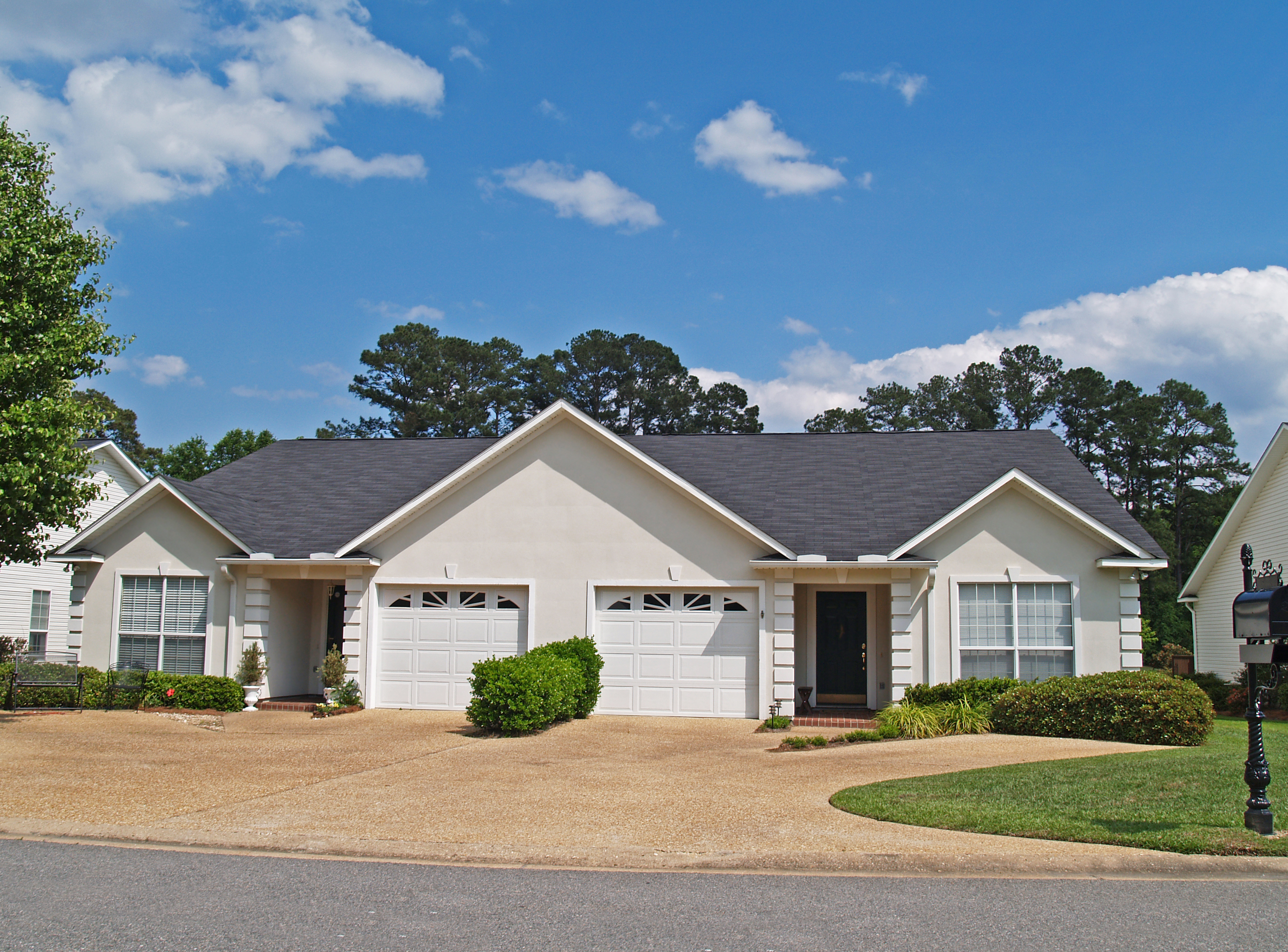
Buying your first home means working through several decisions at once: how much you can afford, how much cash you need, which mortgage fits your finances and what happens between making an offer and getting the keys.
Being a first-time buyer does not limit you to one type of mortgage. Depending on your finances and eligibility, you may be able to use conventional, FHA, VA or USDA financing, along with state or local assistance programs.
Start by reviewing your budget, credit, debts and available savings. Those factors will help determine which financing options are available and what price range fits your finances.
First-Time Homebuyer Basics
| Question |
What To Know |
| Who counts as a first-time buyer? |
The definition depends on the program. Fannie Mae and Freddie Mac generally consider you a first-time buyer if you have not had an ownership interest in a residential property during the previous three years, with certain exceptions. |
| How much down do you need? |
Some conventional loans allow eligible borrowers to put as little as 3% down. FHA financing can allow 3.5% down for borrowers meeting applicable credit requirements. Eligible VA and USDA borrowers may qualify without a down payment. |
| What credit score do you need? |
Credit requirements vary by loan program, underwriting method and lender. |
| Are there first-time buyer programs? |
State and local housing agencies may offer down payment or closing cost assistance. Eligibility and availability vary by program and location. |
| What should you do first? |
Review your finances and estimate an affordable payment before shopping for homes. |
Are You Ready to Buy Your First Home?
Homeownership requires more than qualifying for a mortgage. Before buying, consider whether your income, existing debts, savings and expected housing costs fit together comfortably.
Your first-time homebuyer requirements will depend on the mortgage you choose, but several financial factors appear across most loan programs.
Review Your Credit
Your credit history can affect mortgage eligibility, interest-rate pricing and mortgage insurance costs.
There is no universal minimum credit score for buying a home. FHA, conventional, VA and USDA financing use different standards, and individual lenders can apply additional requirements. You can compare credit score requirements for first-time homebuyers before applying.
Review Your Monthly Debts
Lenders generally compare your qualifying monthly debts with your gross qualifying income using a debt-to-income ratio, or DTI.
Credit cards, auto loans, student loans and other recurring obligations can reduce the amount of mortgage payment your income can support.
Check Your Savings
Your cash needs may include a down payment, closing costs, prepaid expenses and initial escrow deposits. You may also want money left after closing for moving costs, maintenance and unexpected repairs.
The amount required varies considerably depending on your mortgage and any assistance you receive.
Consider Income and Employment
Lenders evaluate whether income used to qualify meets the documentation and stability requirements of the loan program. Employment changes, variable income or self-employment do not necessarily prevent approval, but they can change the documentation required.
How Much House Can a First-Time Homebuyer Afford?
The amount you can afford depends on more than your salary. Mortgage rates, down payment, existing debts, property taxes, homeowners insurance, mortgage insurance and homeowners association dues can all change the monthly payment.
Your lender may approve a higher payment than you personally want to carry. A useful first step is estimating a housing budget based on both your qualifying income and your other financial priorities.
You can explore how much house a first-time homebuyer can afford or test different home prices, rates and down payments with a mortgage affordability calculator.
Look Beyond the Principal and Interest Payment
Your total monthly housing expense can include principal and interest, property taxes, homeowners insurance, mortgage insurance and HOA dues.
Taxes and insurance can differ significantly between properties with the same purchase price, so comparing homes based on price alone can understate the difference in monthly cost.
Plan for Cash Needed at Closing
The down payment is only one part of the cash you may need. Closing costs can include lender charges, appraisal fees, title and settlement expenses, prepaid interest, homeowners insurance and initial escrow deposits.
Seller concessions, lender credits and eligible assistance programs can change how much cash ultimately comes from you.
Down Payment Options for First-Time Homebuyers
A 20% down payment is not required for many mortgage programs.
Eligible buyers can obtain certain conventional mortgages with as little as 3% down. Freddie Mac's HomeOne mortgage, for example, is available to qualified first-time buyers with a down payment as low as 3%. Home Possible also allows down payments as low as 3% for eligible low- and very low-income borrowers. (Freddie Mac)
FHA, VA and USDA financing can provide additional low- or no-down-payment options depending on the borrower and property.
The broader low down payment mortgage options include programs available to both first-time and repeat buyers.
Buying With 3% Down
Some conventional purchase loans allow qualified borrowers to finance up to 97% of the home's value, leaving a 3% down payment. Eligibility depends on the specific conventional program and transaction.
A 3% down mortgage can reduce the amount of upfront cash needed, although a smaller down payment can affect the monthly payment and mortgage insurance.
Using Gift Funds
Some mortgage programs allow eligible gifts to cover some or all of the borrower's required funds. The lender generally must document the donor, source and transfer of the gift according to the loan program's rules.
The requirements for using gift funds toward a down payment differ by mortgage type and transaction.
First-Time Homebuyer Assistance Programs
Down payment assistance is separate from the mortgage itself. State housing finance agencies, cities, counties and other organizations may offer programs that can help eligible buyers with a down payment or closing costs.
Assistance can take several forms, including grants, deferred-payment loans, forgivable loans or second mortgages. Program availability and terms vary by location.
HUD maintains information about homebuying programs and HUD-approved housing counseling. HUD also recommends checking state and local resources because assistance programs are generally administered locally. ([hud.gov](https://www.hud.gov/topics/buying_a_home))
Check the Program's Eligibility Rules
Do not assume every program uses the same definition of a first-time buyer. Some programs use a three-year lookback, while others establish their own eligibility standards.
Programs can also have income limits, purchase-price limits, property requirements, geographic restrictions or homebuyer education requirements.
Check How the Assistance Must Be Repaid
Not all down payment assistance is a grant. Some assistance is structured as a second mortgage or another form of repayable financing.
Before including assistance in your homebuying budget, review whether the funds must be repaid, whether repayment is deferred and whether selling or refinancing the home can trigger repayment.
Mortgage Options for First-Time Homebuyers
There is no mortgage program that is automatically the right choice for every first-time buyer. Comparing loan options means looking at eligibility, down payment, mortgage insurance, fees and the total monthly payment.
The mortgage options commonly used by first-time buyers include conventional and government-backed programs. You can also compare the broader first-time homebuyer loan options based on your finances and eligibility.
| Loan Type |
Down Payment |
Who It May Fit |
Key Consideration |
| Conventional 97 |
As little as 3% |
Eligible borrowers using conventional financing |
Mortgage insurance generally applies above applicable LTV thresholds. |
| FHA |
As little as 3.5% for borrowers meeting FHA's applicable credit requirement |
Borrowers who meet FHA credit, income and property requirements |
Upfront and annual FHA mortgage insurance generally apply. |
| VA |
No VA-required down payment in many eligible transactions |
Eligible Veterans, service members and certain surviving spouses |
VA eligibility and lender underwriting requirements apply. |
| USDA |
No down payment for eligible guaranteed-loan borrowers |
Eligible households purchasing qualifying primary residences in eligible rural areas |
Household income and geographic eligibility requirements apply. |
Conventional Loans
Conventional financing includes several low-down-payment options.
Freddie Mac HomeOne is designed for qualified first-time homebuyers and allows a down payment as low as 3%. Freddie Mac Home Possible also offers a 3% minimum down payment for eligible low- and very low-income borrowers. Fannie Mae also provides eligible 97% loan-to-value conventional options.
Conventional mortgage insurance requirements can depend on the loan-to-value ratio and other characteristics of the loan.
FHA Loans
FHA loans are available to both first-time and repeat buyers.
Under HUD's FHA guidelines, borrowers with a minimum decision credit score of at least 580 may be eligible for maximum financing that requires a minimum 3.5% investment. Borrowers with scores from 500 through 579 are limited to 90% loan-to-value, effectively requiring at least 10% down. Lenders may apply additional requirements. (HUD Handbook 4000.1)
VA Loans
VA purchase loans are available to borrowers who meet VA eligibility requirements, including eligible Veterans, service members and certain surviving spouses.
VA does not generally require a down payment when the purchase price does not exceed the appraised value, although lenders can require one in some circumstances. VA also does not set a minimum credit score, although lenders may establish their own credit requirements. (Department of Veterans Affairs)
USDA Loans
USDA's Single Family Housing Guaranteed Loan Program provides 100% financing for eligible low- and moderate-income households purchasing qualifying primary residences in eligible rural areas.
The program is not limited to first-time buyers. Household income limits and property-location requirements apply. (USDA Rural Development)
The First-Time Home Buying Process
Once your budget and financing options are clear, the purchase generally progresses through preapproval, home shopping, an offer, inspection and appraisal, mortgage underwriting and closing.
- Review your finances. Check your budget, debts, credit and savings.
- Estimate what you can afford. Include taxes, insurance and other housing expenses in addition to principal and interest.
- Get preapproved. A lender can review your finances and provide a preliminary financing amount.
- Shop for a home. Compare properties based on both price and expected ownership costs.
- Make an offer. Negotiate the price, contingencies, closing date and other contract terms.
- Complete the inspection and appraisal. The inspection evaluates condition, while the appraisal supports the lender's valuation of the property.
- Complete underwriting. The lender verifies the borrower, property and mortgage meet the applicable requirements.
- Review final costs and close. Review your final mortgage terms and closing costs before signing the loan and purchase documents.
Getting preapproved for a mortgage early in the process can help establish your financing range before you submit an offer.
First-Time Homebuyer Tips
1. Build Your Budget Around the Monthly Payment
Home price is only one part of affordability. Compare the full housing payment, including property taxes, homeowners insurance, mortgage insurance and HOA dues where applicable.
2. Compare More Than One Mortgage Type
A conventional loan may produce a different combination of down payment, mortgage insurance and monthly cost than FHA financing. VA or USDA financing can also change the comparison for eligible borrowers.
3. Keep Some Savings After Closing
Using every available dollar for the down payment can leave little room for moving expenses, repairs or other costs that arise after you buy the home.
4. Understand What Your Down Payment Changes
A larger down payment reduces the amount borrowed and can affect mortgage insurance, but it also requires more upfront cash. Compare both the monthly and upfront effects.
5. Check Assistance Programs Early
Down payment assistance can have application deadlines, lender requirements or homebuyer education requirements. Checking eligibility before you are under contract can give you more time to complete those steps.
6. Compare Loan Estimates
Interest rate is only one part of a mortgage offer. Compare the APR, lender charges, points or credits, monthly payment and estimated cash to close.
7. Avoid Major Financial Changes Before Closing
New debt, changes in employment or movement of large amounts of money can create additional underwriting questions. Keep documentation for significant financial changes during the mortgage process.
8. Budget for Ownership After Closing
Mortgage qualification does not account for every expense of owning a home. Repairs, maintenance, utilities and future increases in taxes or insurance can affect your actual household budget.
Bottom Line
First-time homebuyers have several financing options, and buying your first home does not require a 20% down payment in many cases. Your credit, debts, income, savings and eligibility for specific loan or assistance programs determine which options are available.
Start with affordability and cash needs, then compare the mortgage programs for which you qualify before evaluating individual homes.
Frequently Asked Questions
Who Counts as a First-Time Homebuyer?
The definition depends on the mortgage or assistance program. Fannie Mae and Freddie Mac generally consider someone a first-time homebuyer if they are purchasing a primary residence and have not had an ownership interest in residential property during the previous three years, subject to certain exceptions. Other programs can use different definitions.
What Credit Score Does a First-Time Homebuyer Need?
There is no universal first-time homebuyer credit score. Requirements depend on the mortgage program, underwriting method and lender. FHA has specific credit thresholds for maximum financing, while VA does not establish a program-wide minimum credit score. Conventional and USDA standards also depend on the applicable underwriting requirements.
How Much Does a First-Time Homebuyer Need for a Down Payment?
The amount depends on the mortgage. Some conventional loans allow eligible borrowers to put 3% down, while FHA can allow 3.5% down for borrowers meeting applicable credit requirements. Eligible VA and USDA transactions may require no down payment.
Are There First-Time Homebuyer Grants?
Some state and local programs provide grants or other forms of down payment or closing cost assistance, but assistance is not always a grant. Programs may instead use forgivable loans, deferred loans or second mortgages. Availability and eligibility vary by location.
Do You Have to Be a First-Time Buyer to Get an FHA Loan?
No. FHA mortgages are not limited to first-time homebuyers. Both first-time and repeat buyers can use FHA financing if the borrower, property and transaction meet FHA and lender requirements.




.jpg?quality=80&width=150)

















.jpg?quality=80&width=800)




















































































.jpg?quality=80&width=800)

.jpg?quality=80&width=800)











.jpg?quality=80&width=800)













.jpg?quality=80&width=800)