Buying a home involves more than finding a property and making an offer.
You also need to arrange financing, complete inspections and valuation work, make it through mortgage underwriting and review a series of documents before ownership transfers to you.
The exact process varies by transaction, but most financed home purchases follow the same general path. Understanding those steps can make it easier to know what comes next and which decisions require your attention.
Your financing options also affect the process. Different mortgage options can have different qualification, appraisal, property and closing requirements.
Home Buying Process Basics
| Stage |
What Happens |
What To Watch |
| 1. Preapproval |
A lender reviews financial information to estimate what you may qualify to borrow. |
Income, credit, debts, assets and available cash |
| 2. Offer |
You submit a purchase offer and negotiate the contract with the seller. |
Price, contingencies, earnest money and seller concessions |
| 3. Loan Selection And Rate |
You compare mortgage offers, choose financing and decide whether to lock your interest rate. |
Rate, APR, points, lender fees and estimated cash to close |
| 4. Inspection And Appraisal |
The property is evaluated for condition and value. |
Repairs, appraisal results and any financing-related property requirements |
| 5. Underwriting |
The lender verifies the borrower, property and loan meet applicable requirements. |
Document requests and conditions that must be resolved |
| 6. Final Loan Review |
You review your Loan Estimate, closing costs and final Closing Disclosure. |
Changes to the rate, payment, fees and cash needed at closing |
| 7. Closing |
You sign final documents and provide the funds required from you. |
Final documents, wire instructions and cash to close |
| 8. Ownership Transfer |
The transaction is funded and ownership documents are completed and recorded. |
Recording, possession and when you receive the keys |
Step 1: Get Preapproved Before You Make an Offer
Mortgage preapproval gives you an early look at how much financing you may qualify for based on information such as your income, assets, debts and credit profile. A preapproval is not a final loan approval, but it can help establish a realistic price range before you start making offers.
The lender may ask for financial documents and authorization to review your credit. The amount you are preapproved for also does not necessarily represent the amount you should spend. Your own budget should account for other costs of owning the home, including taxes, insurance, maintenance and any homeowners association fees.
Step 2: Make an Offer and Negotiate the Purchase Contract
Once you find a home, you can submit an offer that establishes the proposed price and other terms of the purchase. The contract may include contingencies covering financing, the appraisal, inspection or the sale of another home.
A home purchase offer can involve more than price. Buyers may negotiate the closing date, repairs, personal property and seller concessions toward eligible costs.
You may also provide earnest money as part of the transaction. Whether earnest money is refundable generally depends on your contract and the circumstances under which the transaction ends.
If you already own a home, your offer may depend on selling it first. A home-sale contingency can address that situation, while some buyers explore ways to buy before selling their current home.
Reviewing nearby real estate comparables, commonly called comps, can also provide context for the property's asking price.
Step 3: Compare Loan Offers, Lock Your Rate and Review Points
Once you have a specific property and mortgage application, the Loan Estimate provides standardized information about the financing you requested. It includes estimated loan terms, monthly payments, closing costs and cash to close.
The Consumer Financial Protection Bureau recommends comparing Loan Estimates from multiple lenders because the standardized forms make it easier to compare loan amounts, interest rates, payments, origination charges and lender credits.
Mortgage rates can change before closing unless the rate is locked. A mortgage rate lock generally protects an agreed-upon rate for a specified period, so the expected closing timeline matters when deciding how long to lock a mortgage rate.
You may also have choices involving mortgage points. Discount points are an upfront cost used to reduce the mortgage rate, while lender credits generally work in the opposite direction by reducing upfront costs in exchange for different pricing.
Permanent points are different from temporary mortgage buydowns, which reduce the effective payment rate during an initial period. Whether it makes sense to buy down your mortgage rate or buy points instead of waiting for rates to change depends on the actual costs, loan terms and how long you expect to keep the mortgage.
Step 4: Complete the Home Inspection and Appraisal
A home inspection and an appraisal serve different purposes.
An independent home inspection evaluates the physical condition of the property and may identify issues involving the structure or major systems. Inspection requirements and practices can vary, and your purchase contract may give you options if significant problems are discovered. You can compare home inspection requirements by loan type when evaluating your financing.
An appraisal is primarily a valuation of the property for the mortgage transaction. If the appraised value is below the purchase price, the loan may need to be adjusted or the buyer and seller may need to renegotiate. An appraisal gap occurs when the appraised value falls below the agreed purchase price.
This stage may also involve setting up an escrow account for property taxes and homeowners insurance. Whether escrow is required depends on the mortgage and circumstances.
Step 5: Go Through Mortgage Underwriting
Mortgage underwriting is the lender's detailed review of the loan application, financial documentation, property and applicable loan requirements.
The underwriter may verify income, employment, assets, debts, credit and information about the property. Additional documentation requests during this stage are common and do not necessarily mean the loan has a problem.
A loan may receive conditional approval when the lender has approved it subject to outstanding requirements. Once the necessary conditions are resolved and the lender has completed its final reviews, the loan can move toward clear to close.
The broader mortgage underwriting process can involve several verification and approval stages before financing is finalized.
Step 6: Compare Your Loan Estimate and Closing Costs
Your Loan Estimate gives you an early standardized estimate of your mortgage terms and costs. Comparing offers using the same form can make differences in rate, payment, origination charges, lender credits and cash to close easier to identify.
When reviewing financing, compare the complete loan rather than the interest rate alone. The mortgage offer comparison process should account for both upfront costs and ongoing payments.
The Loan Estimate also shows your estimated closing costs and estimated cash to close. Closing costs can include lender charges, appraisal and settlement expenses, title-related costs, prepaid expenses and initial escrow deposits. The exact mix depends on the transaction.
You can review closing costs by loan type or estimate the amount you may need using a cash-to-close calculator and closing cost estimator.
Step 7: Review Your Closing Disclosure
For most mortgages covered by federal disclosure rules, the lender must provide the Closing Disclosure at least three business days before the scheduled closing. The five-page form provides final details about the loan, including the interest rate, projected payments and closing costs.
Compare the Closing Disclosure with your most recent Loan Estimate. Check the loan amount, rate, loan type, monthly payment, lender credits, closing costs and cash to close.
The three-business-day review period gives you time to identify unexpected changes and ask questions before signing the final loan documents.
Step 8: Close on the Home and Get the Keys
Closing, sometimes called settlement, is when the final mortgage and property-transfer documents are completed.
You may sign a promissory note, mortgage or deed of trust and other documents required for the transaction. Funds are then distributed according to the purchase contract and closing statement, and the deed or other ownership documents are recorded according to local procedures.
Buyers commonly complete a final walk-through shortly before closing to make sure the property's condition matches what was agreed to in the contract.
The exact point when you receive possession or the keys can depend on the contract and local closing practices. Closing itself and legal possession are not necessarily identical in every transaction.
Special Home Buying Situations
Not every purchase follows the standard process.
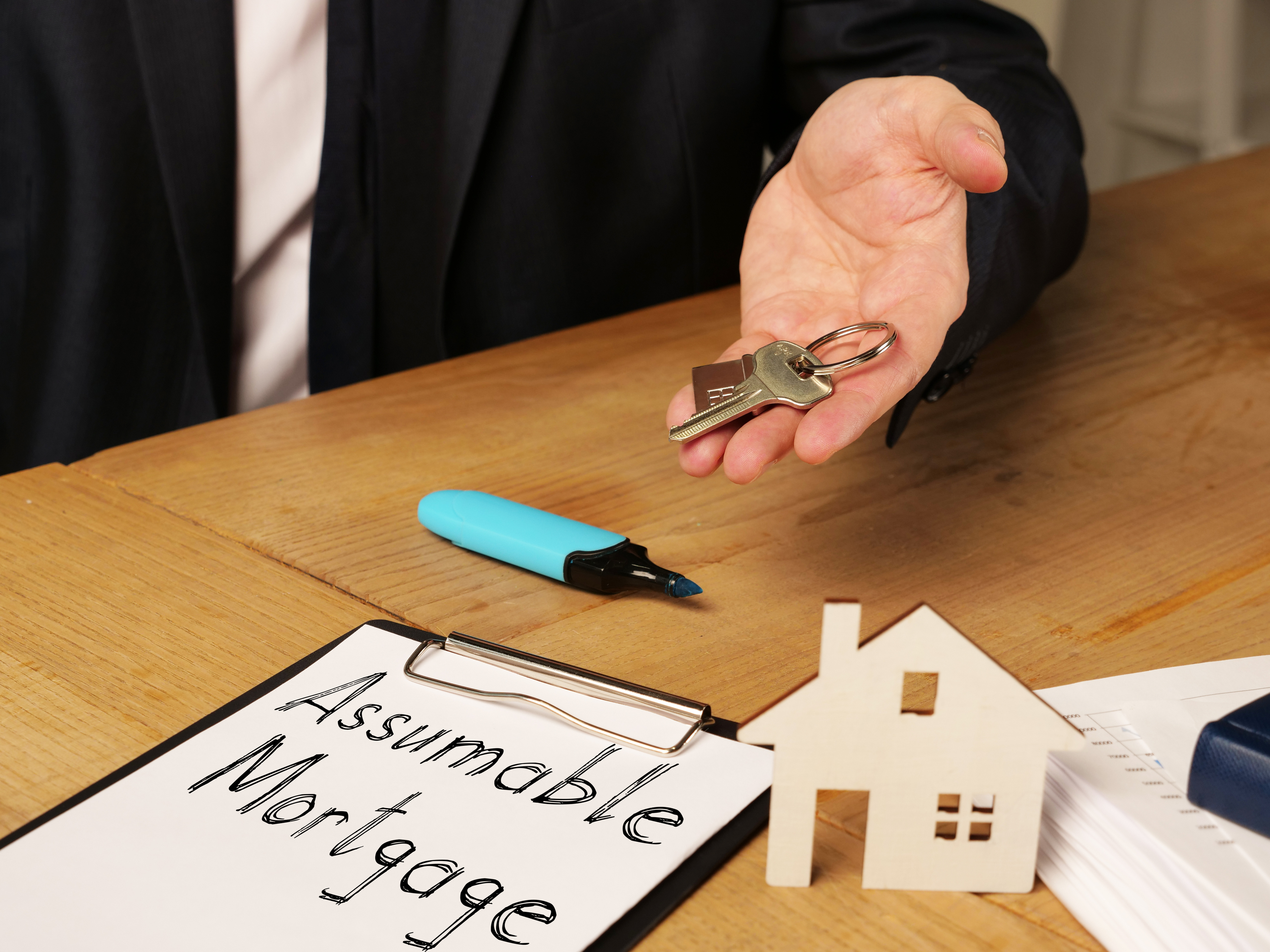
Some buyers may purchase a home using an assumable mortgage, which can allow an eligible buyer to take over certain existing mortgage terms rather than obtaining an entirely new loan. Whether you can assume a particular mortgage depends on the existing loan and applicable requirements, and the mortgage assumption process can differ significantly from a standard purchase loan.
Purchasing from a relative can also introduce additional underwriting considerations. A non-arm's-length transaction is a purchase between parties with an existing relationship, such as family members.
How Long Does the Home Buying Process Take?
There is no single home buying timeline that applies to every transaction. Financing, appraisal scheduling, inspections, title work, underwriting conditions, the purchase contract and the agreed closing date can all affect how quickly the process moves.
| Stage |
Typical Place in the Process |
| Preapproval |
Before or during the home search |
| Offer and contract |
After choosing a property |
| Loan selection and rate lock |
After applying for financing and during loan processing |
| Inspection and appraisal |
After the purchase contract is signed |
| Underwriting |
During mortgage processing |
| Closing Disclosure |
At least three business days before closing for most covered mortgages |
| Final walk-through and closing |
At the end of the transaction |
A delayed appraisal, unresolved inspection issue, new underwriting condition or missing document can extend the schedule. The closing date in your purchase contract is therefore an important benchmark throughout the mortgage process.
Bottom Line
The home buying process generally moves from financing preparation and an accepted offer through inspection, appraisal, underwriting, final disclosures and closing. Each stage addresses a different part of the transaction, and several steps may overlap as the lender, buyer, seller and settlement professionals work toward the closing date.
Frequently Asked Questions
What Are the Main Steps to Buying a House?
The basic process includes getting preapproved, finding a home, making an offer, choosing financing, completing the inspection and appraisal, going through underwriting, reviewing final loan documents and closing on the property. The exact sequence can vary depending on the mortgage and purchase contract.
How Long Does Closing Take?
The overall timeline varies by transaction. Appraisal timing, underwriting, inspections, title work, documentation and contract terms can all affect the closing date. Federal rules generally require the Closing Disclosure to be received at least three business days before closing for mortgages subject to those disclosure requirements.
When Should I Lock My Mortgage Rate?
A rate lock should generally cover the period until your expected closing date. The appropriate timing depends on your lender's lock options, the purchase contract, expected processing time and the cost of extending a lock if closing is delayed.
What Happens if the Appraisal Comes in Low?
A low appraisal means the lender's valuation is below the agreed purchase price. Depending on the contract, the buyer and seller may renegotiate the price, the buyer may contribute additional cash, the appraisal may be reviewed or the transaction may not proceed.
Can I Back Out After Making an Offer?
Possibly. Your rights and potential costs depend on the purchase contract, applicable contingencies and why you are terminating the transaction. Backing out outside the terms of a contingency may put earnest money or other costs at risk.




.jpg?quality=80&width=150)

















.jpg?quality=80&width=800)




















































































.jpg?quality=80&width=800)

.jpg?quality=80&width=800)











.jpg?quality=80&width=800)













.jpg?quality=80&width=800)