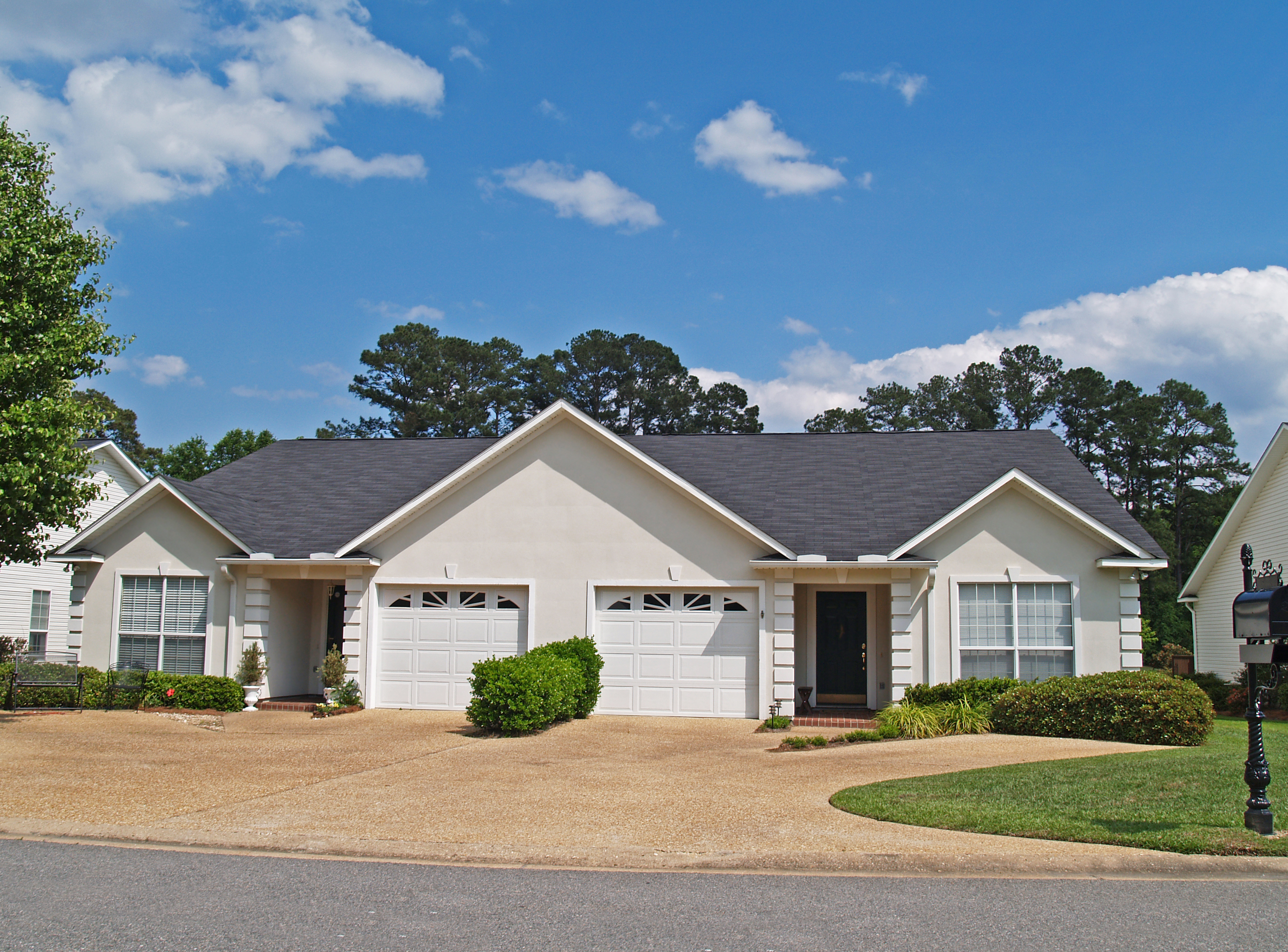
Manufactured homes, modular homes and accessory dwelling units could all play a larger role in expanding the nation’s housing supply, but financing them can involve rules that do not apply to a typical site-built home.
The property’s construction standards, title, foundation, land ownership and intended use can determine which loan programs are available. Local zoning and permits can also affect whether a home or secondary unit qualifies.
The 21st Century ROAD to Housing Act addresses these property types through several separate provisions. The law expands the federal manufactured-home definition, directs HUD to examine barriers to modular construction financing, updates parts of the FHA Title I program, formally authorizes the PRICE manufactured housing community preservation program for seven years and addresses the use of accessory dwelling unit rental income for certain USDA loans.
These changes could modernize financing and support additional housing construction. Some are already part of federal law, while others still require agency implementation before they change how borrowers qualify or how lenders process a loan.
Manufactured, Modular and ADU Financing Basics
| Property Type |
Basic Description |
Typical Legal Treatment |
Common Financing Issues |
| Manufactured home |
A factory-built home constructed under federal manufactured-home standards. |
May be classified as real estate or personal property, depending on the home, land, title and state law. |
Title, foundation, installation, land ownership, lease terms and real-property classification can affect financing. |
| Modular home |
A home built in factory sections that meet the state and local building codes for its destination, then assembled and completed on a permanent site. |
Generally treated as site-built real estate after installation. |
Construction draws, builder payments, appraisals, land ownership and completion requirements can affect financing. |
| Accessory dwelling unit |
A secondary living unit added to, created within or detached from a primary one-unit home. |
Usually part of the same real estate interest as the primary home. |
Zoning, permits, valuation, construction costs and treatment of rental income can affect qualification. |
What Is the Difference Between a Manufactured Home, Modular Home and ADU?
Manufactured Homes Follow Federal Construction Standards
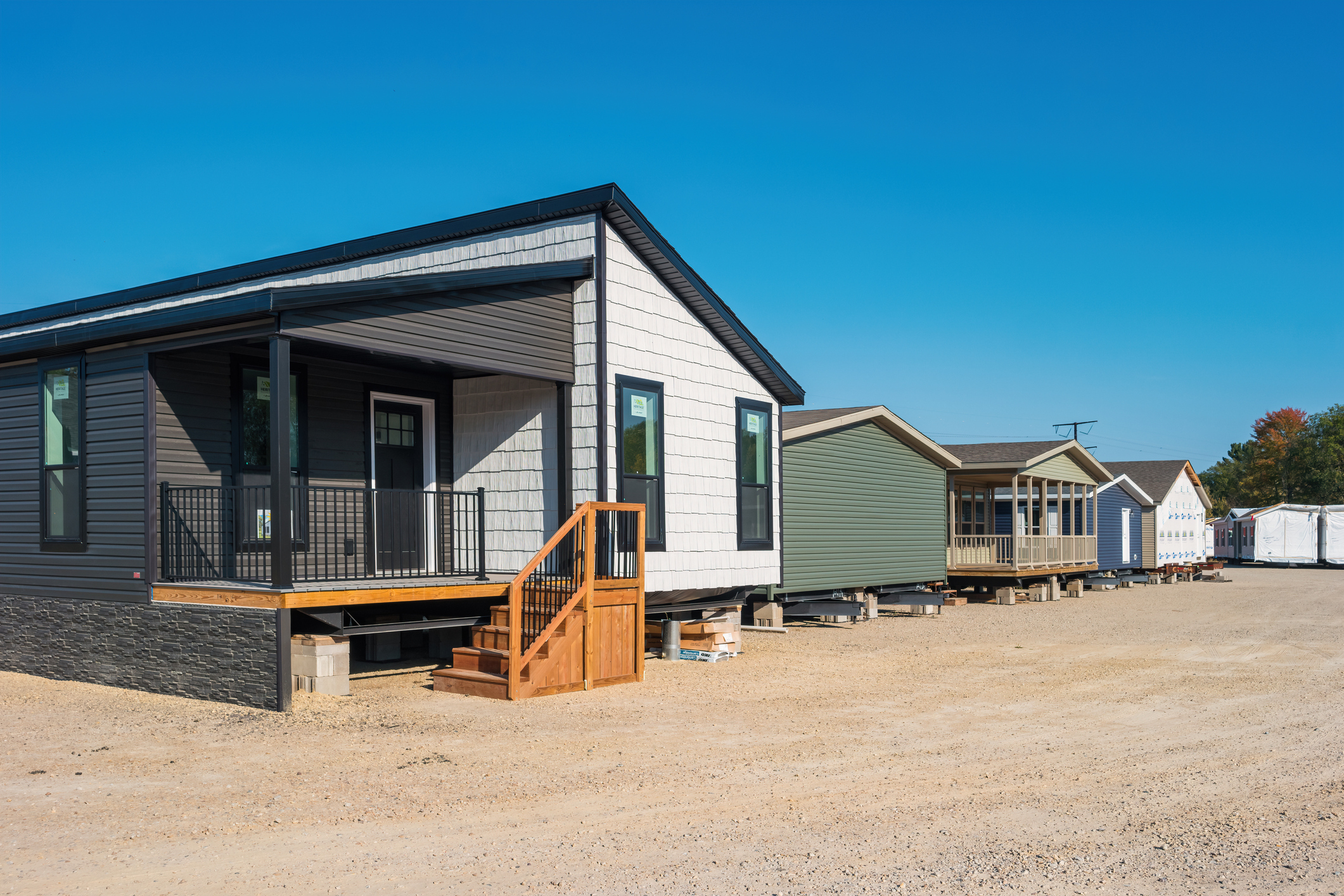
A manufactured home is built in a factory under construction and safety standards administered by HUD. HUD’s Office of Manufactured Housing Programs oversees federal construction standards, certification labels, installation requirements and related consumer protections.
A manufactured home can be placed on land the borrower owns or on a leased site, such as a lot in a manufactured housing community. Depending on state law and how the home is installed and titled, it may be treated as real estate or personal property.
That distinction can affect the type of financing available. A mortgage is generally secured by real estate. A personal-property loan, sometimes called a chattel loan, may finance the home without treating it and the land as one piece of real property.
Modular Homes Follow State and Local Building Codes
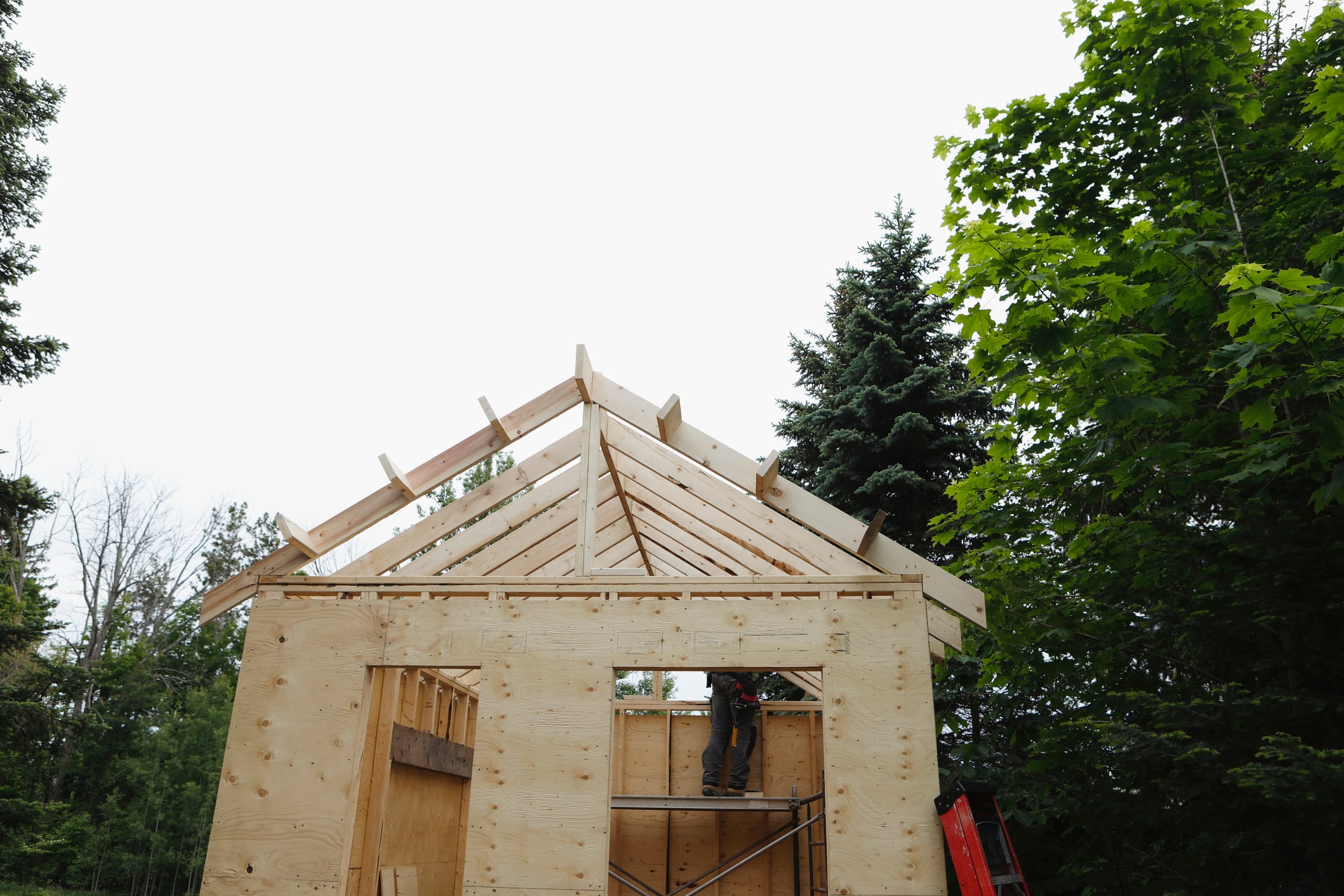
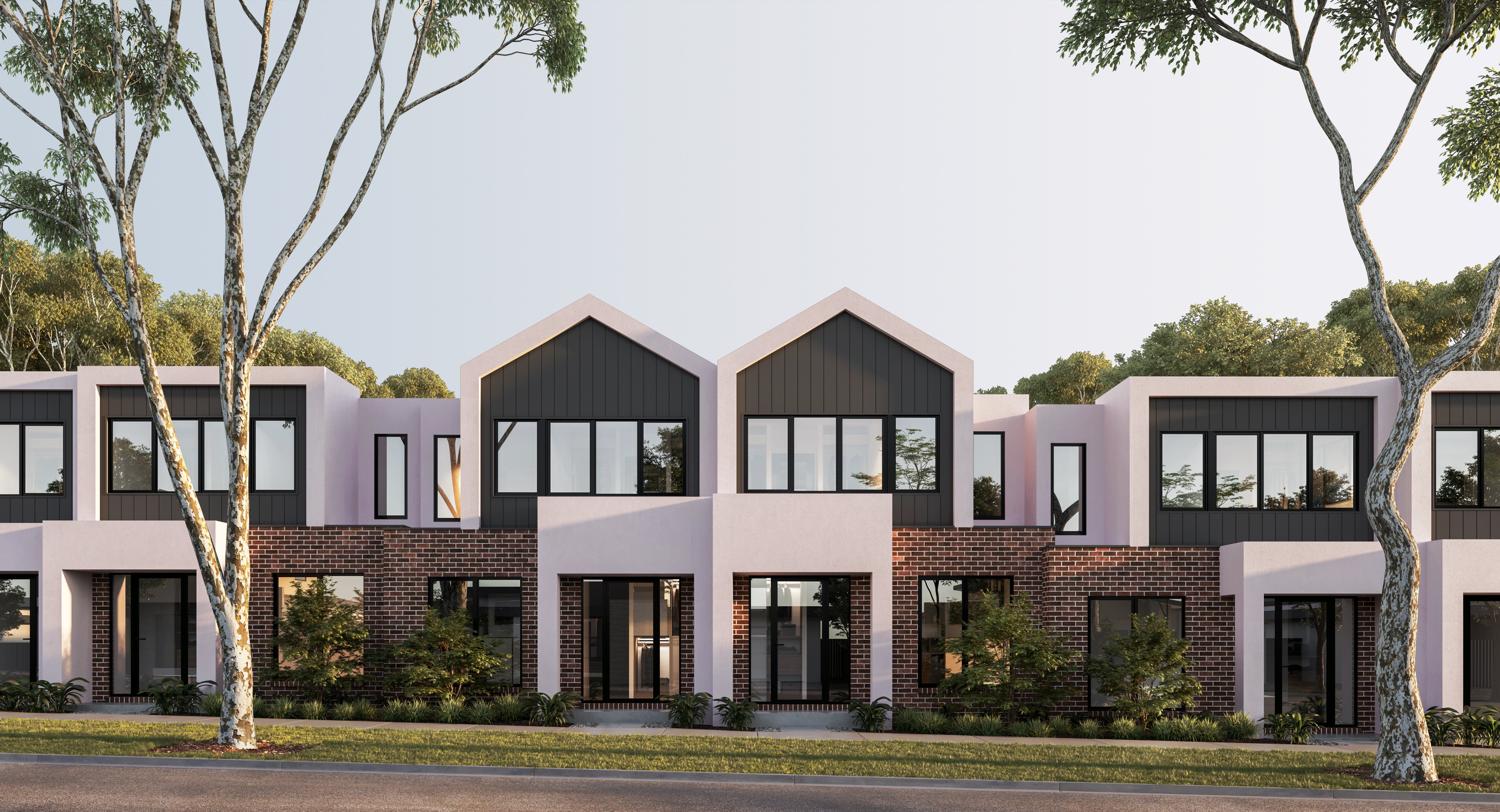
A modular home is also built in a factory, but its sections are constructed to meet the state and local building codes for the location where the home will be installed. The modules are transported to the building site, placed on a foundation and completed.
Once installed, a modular home is generally treated like other site-built real estate. Financing may involve a construction loan or construction-to-permanent loan that releases funds at different stages of the project.
ADUs Are Secondary Homes on the Same Property
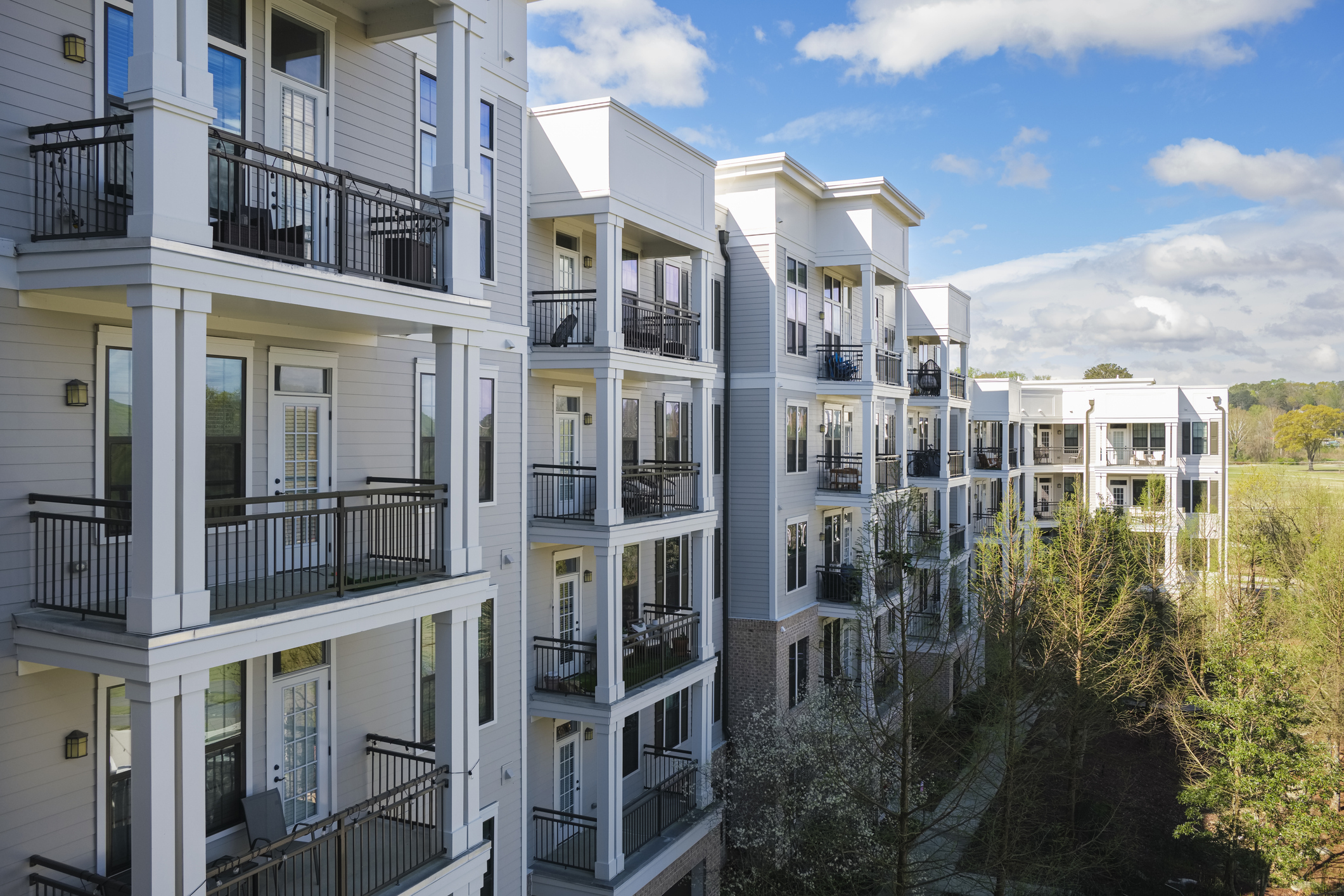
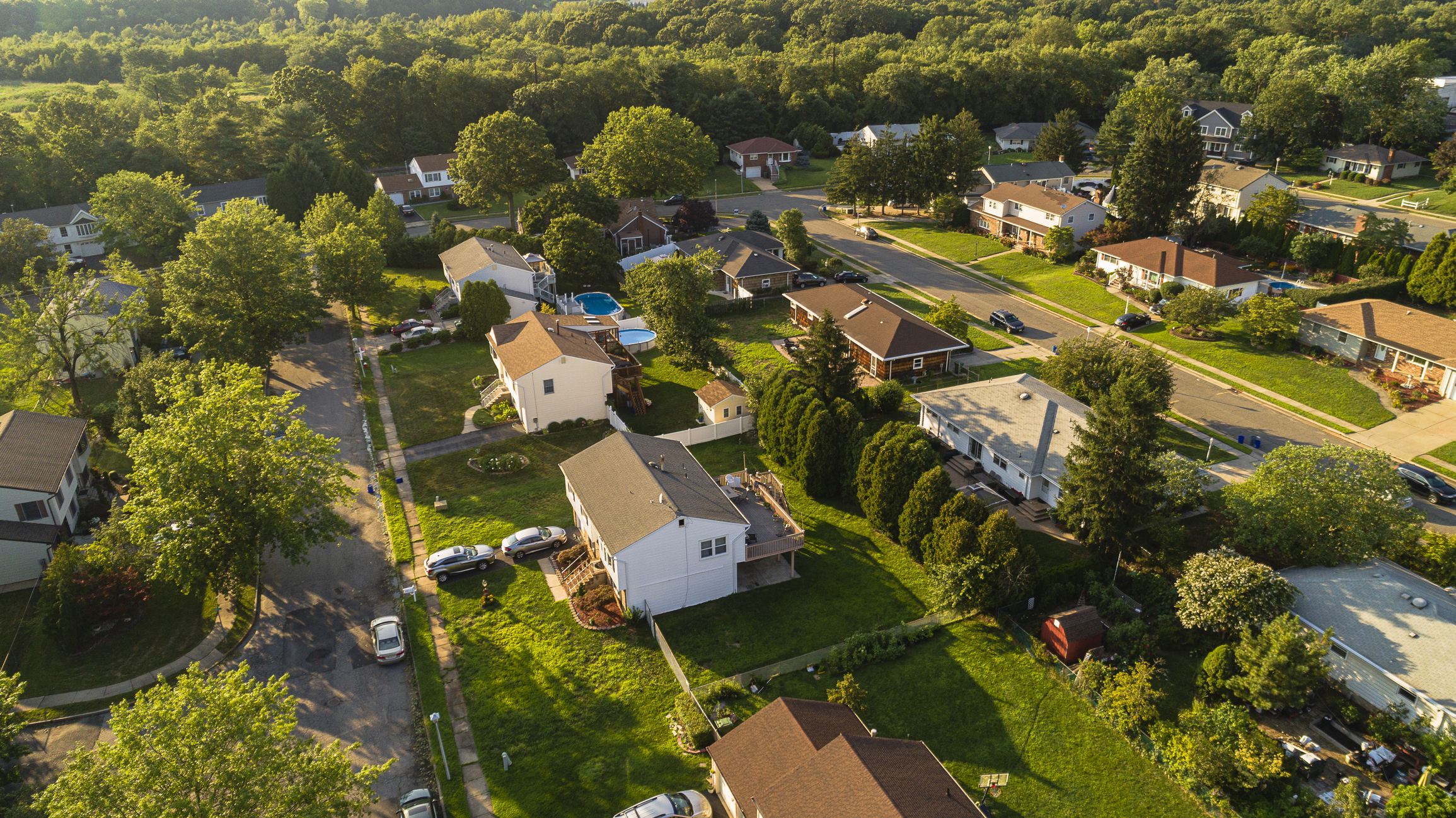
An accessory dwelling unit, or ADU, is a separate habitable unit connected to, located within or detached from a primary one-unit home. Examples include a basement apartment, converted garage, backyard cottage or addition with its own living space.
Local zoning and building rules determine whether an ADU is permitted. Mortgage eligibility may depend on whether the unit was legally built, whether it is included in the appraisal and whether the loan program allows rental income from the unit to be considered.
The ROAD Act Expands the Federal Manufactured-Home Definition
Before the ROAD Act, the federal manufactured-home definition generally required the structure to be built on a permanent chassis. The new law changes the definition to include qualifying manufactured homes built with or without a permanent chassis.
The change is intended to allow additional factory-built configurations to fall under the federal manufactured-housing framework. A manufacturer could potentially produce a home under federal manufactured-home standards without using the permanent chassis historically associated with the property type.
HUD must develop revised standards for manufactured homes built without a permanent chassis. Those homes will need a distinct federal label, data plate and invoice notation that distinguish them from manufactured homes built on a permanent chassis.
States must also address how these homes are treated under their laws and regulations, including rules involving financing, title, insurance, taxes, transportation, installation and sale.
The statutory definition alone does not make a home eligible for FHA, conventional, USDA or VA financing. Agencies, states, lenders, mortgage investors and insurers may need to update their rules before homes built without a permanent chassis can be financed consistently.
FHA Must Examine Barriers to Modular-Home Financing
The ROAD Act requires HUD to review FHA construction financing programs and identify barriers that limit the use of modular building methods. HUD must publish its findings within one year of enactment.
The review must examine regulatory and program features that restrict participation by modular-home developers. The law specifically directs HUD to consider construction draw schedules.
What Is a Construction Draw?
A construction draw is a payment released from a construction loan after a particular stage of work is completed. A traditional schedule might release funds after the foundation, framing, mechanical systems and other work are completed and inspected.
Modular construction uses a different production sequence. A large portion of the home may be completed inside a factory before the modules are delivered to the building site. The manufacturer or builder may need substantial payment earlier in the process than a traditional draw schedule allows.
A payment schedule designed for site-built construction can create a funding gap if it does not release enough money while the modules are being produced. That can discourage builders from using modular methods or require them to secure separate financing.
What HUD Must Do Next
HUD’s report must identify policy and program changes that could reduce barriers to modular construction within FHA programs. Within 120 days after publishing the report, HUD must begin a rulemaking process to examine an alternative draw schedule for loans provided to modular and manufactured-home developers.
After receiving public comments, HUD must either issue a final rule or explain why the proposed rule will not become final.
The provision does not establish a new modular mortgage program by itself. It directs HUD to evaluate and potentially revise how existing FHA construction financing works.
FHA Manufactured-Housing Financing Could Be Modernized
The ROAD Act also updates Section 2 of the National Housing Act, which governs FHA Title I property-improvement and manufactured-home financing.
Under HUD’s existing Title I Manufactured Home Loan Program, FHA-approved lenders can finance a manufactured-home unit, a lot or a combination of the home and lot. A home financed through the program may be classified as personal property or real estate, depending on the transaction.
The Law Immediately Raises Title I Loan Limits
The ROAD Act raises the statutory loan limits for several types of FHA Title I financing, including:
- Alterations, repairs and improvements to an existing one-unit home, including a manufactured home
- Improvements to multifamily structures
- The purchase of a single-section manufactured home
- The purchase of a multi-section manufactured home
- The purchase of a manufactured home and developed lot
- The purchase of a manufactured-home lot
The higher statutory limits took effect when the law was enacted. Borrowers do not need to wait for HUD to establish the limits themselves.
The law provides an interim method for adjusting the limits until HUD establishes a permanent annual indexing method. HUD has one year to select that permanent method and may also need to issue operational guidance for participating lenders.
Borrowers should check HUD’s current published limits and confirm product availability with participating lenders before applying.
Title I May Support ADU Construction
The act adds the construction of accessory dwelling units to the property-improvement activities that may be financed under Title I. It authorizes HUD to set a principal loan amount for ADU construction.
HUD must still determine the applicable amount and issue any program guidance needed for lenders and borrowers. Local zoning, permits, contractor requirements and property eligibility will continue to apply.
HUD Must Study Factory-Built Housing Finance
The law requires HUD to study the cost-effectiveness of offsite construction, including manufactured and modular homes. The report must address factory production, transportation, material waste, housing quality, maintenance costs and potential use in ADUs, two- to four-unit properties and multifamily housing.
The study could inform future federal housing policy. It does not itself change mortgage qualification rules.
Real-Estate Mortgages and Personal-Property Loans Remain Different
A manufactured home can be financed as real estate in some transactions and as personal property in others.
Real-estate financing generally combines the home and land as collateral for a mortgage. This commonly requires the borrower to own the land, have the home installed on an acceptable foundation, surrender or convert the home’s vehicle-style title when required and satisfy state real-property rules.
Personal-property financing may cover the manufactured home without including the land as collateral. This can be relevant when a homeowner leases a site in a manufactured housing community.
HUD states that a Title I borrower may place a manufactured home on an owned or leased site. When the lot is leased, the lease must meet HUD requirements, including provisions addressing its initial term and notice before termination.
The ROAD Act updates federal manufactured-housing law and Title I lending authority, but it does not eliminate the distinction between real-estate and personal-property financing.
The ROAD Act Formally Authorizes the PRICE Program
Some manufactured-home owners own their homes but rent the land beneath them. Their housing costs and long-term stability can therefore depend on the condition, ownership and policies of the surrounding community.
The Preservation and Reinvestment Initiative for Community Enhancement, known as the PRICE program, existed before the ROAD Act and had already received funding through annual appropriations. The ROAD Act formally authorizes a version of the program in federal law for seven years.
The authorization supports grants for qualifying manufactured housing communities and eligible public, nonprofit, tribal and community-based recipients.
Eligible activities can include:
- Preserving the long-term affordability of manufactured housing communities
- Helping residents purchase or maintain resident ownership of a community
- Replacing, repairing or improving infrastructure
- Addressing resident health, safety and accessibility needs
- Acquiring land and infrastructure for community expansion
- Providing relocation, eviction-prevention or down payment assistance
- Replacing certain older manufactured homes that cannot be rehabilitated with program funds
The program could improve roads, water systems, sewer systems, utilities, shared facilities and other infrastructure that affects residents. It may also support resident-owned communities and help preserve affordable sites for manufactured homes.
PRICE grants are not automatic payments to individual homebuyers. Funds are awarded to eligible recipients and must be used for approved community preservation and improvement activities. Some funded programs could provide assistance to residents, depending on the grant recipient’s approved plan.
The seven-year authorization does not guarantee annual funding. Congress must continue appropriating money for grants to remain available.
Existing ADU Rent May Count for Certain USDA Loans
The ROAD Act also addresses ADUs within USDA’s Single-Family Housing Guaranteed Loan Program.
The law states that USDA rules may not prohibit leasing an ADU or using rental income from the unit to qualify for a guaranteed loan when:
- The leasing or use of rental income occurs after the ROAD Act’s enactment
- The property securing the loan was constructed before the law’s enactment
The law defines an ADU for this provision as a separate habitable unit with its own entrance and exit that is generally smaller than the primary one-unit home. The ADU can be attached, located within the home or detached, but the primary home and ADU must form a single interest in real estate.
This provision could allow qualifying rental income from an existing ADU to support a borrower’s application for a USDA-guaranteed loan. USDA guidance will determine how lenders must document the lease, calculate qualifying income and confirm that the property meets program requirements.
The provision does not make every ADU property eligible for USDA financing. The borrower must still meet income and credit requirements, and the property must be located in an eligible rural area and satisfy USDA standards.
What Will Still Determine Whether a Property Qualifies?
Local Zoning and Permits
A home or ADU must comply with applicable zoning, building and occupancy rules. An unpermitted addition or unit may not be included in the property’s value or treated as legal rental space.
Construction and Installation Standards
A manufactured home must meet applicable federal construction and installation standards. A modular home must satisfy the state and local codes for the location where it is installed.
Foundation Requirements
The foundation must meet the standards of the selected loan program, lender and jurisdiction. Requirements may differ based on whether the home is manufactured, modular or site-built.
Real-Property Classification
Some mortgage programs require the manufactured home and land to be legally classified and titled as real estate. State procedures for converting a manufactured-home title can affect eligibility.
Land Ownership or Lease Terms
Financing options can differ depending on whether the borrower owns the lot or leases it. A leased site may need to meet minimum lease-term and termination-notice requirements.
Appraisal Support
The appraiser must determine whether the property provides adequate collateral. Comparable manufactured, modular or ADU properties may be limited in some markets, which can make valuation more complex.
Insurance Availability
The borrower must obtain insurance that meets lender and program requirements. Property type, age, location, construction and foundation can affect coverage and cost.
Agency and Lender Requirements
FHA, USDA, VA, Fannie Mae and Freddie Mac programs each have their own property and underwriting rules. Lenders may also apply requirements beyond an agency or mortgage investor’s minimum standards.
When Could Borrowers See Changes?
| ROAD Act Provision |
Current Status or Next Step |
Potential Borrower Effect |
| Expanded manufactured-home definition |
HUD must create standards for homes built without a permanent chassis, while states must address legal and regulatory treatment. |
Additional factory-built designs could eventually qualify as manufactured homes under federal law. |
| Modular financing review |
HUD must report within one year, then begin rulemaking on an alternative construction draw schedule within 120 days. |
FHA construction financing could become better aligned with modular production. |
| Title I modernization |
Higher statutory loan limits took effect at enactment. An interim indexing method applies until HUD establishes a permanent method within one year. |
Borrowers may benefit from higher limits before HUD completes the permanent indexing process, subject to lender participation and program guidance. |
| PRICE program |
The law formally authorizes the existing program for seven years. Continued grant availability depends on future appropriations and HUD administration. |
Qualifying communities could continue receiving preservation, infrastructure or resident-support funding when Congress provides funding. |
| USDA ADU rental income |
USDA must provide or update lender guidance on documentation and underwriting. |
Eligible rent from an existing ADU may support qualification for certain USDA-guaranteed loans. |
The Bottom Line
The ROAD to Housing Act could expand and modernize financing for manufactured homes, modular homes and accessory dwelling units. It broadens the federal manufactured-home definition, requires a review of FHA modular construction financing, raises Title I loan limits and addresses USDA treatment of certain ADU rental income.
The law also formally authorizes the existing PRICE program for seven years, creating a statutory framework for continued manufactured housing community preservation. Future grants will still depend on congressional appropriations.
Borrowers will not see every change immediately. HUD, USDA, states and lenders must still develop standards, issue guidance, complete studies and update underwriting practices. Property eligibility will continue to depend on zoning, permits, title, land ownership, foundation, appraisal and the rules of the selected loan program.
Frequently Asked Questions
Is a Modular Home the Same as a Manufactured Home?
No. A manufactured home is constructed under federal HUD standards. A modular home is built in factory sections under the state and local building codes that apply where the home will be installed.
Does the ROAD Act Make Manufactured Homes Eligible for Every Mortgage?
No. The law expands the federal definition of a manufactured home and updates several housing programs, but individual properties must still meet agency and lender requirements. Title, land ownership, foundation, installation and real-property classification can affect eligibility.
Can ADU Rental Income Help Me Qualify for a Mortgage?
It can under some loan programs when the income and property meet applicable requirements. The ROAD Act specifically addresses the use of ADU rental income for certain USDA-guaranteed loans on properties constructed before the law was enacted. USDA guidance will determine documentation and calculation procedures.
Can I Finance a Manufactured Home Without Owning the Land?
Possibly. HUD’s Title I program allows qualifying manufactured homes to be placed on leased land when the borrower and lease meet program requirements. Other mortgage programs may require the borrower to own both the home and land or impose different lease conditions.
Does the ROAD Act Create a New Modular-Home Loan?
No. The act requires HUD to review barriers within FHA construction financing and begin rulemaking on an alternative draw schedule. It does not immediately create a separate modular-home mortgage.
Do PRICE Grants Go Directly to Manufactured-Home Buyers?
Not automatically. PRICE grants are awarded to eligible communities, government entities, resident-owned organizations, nonprofits, tribes and other qualifying recipients. An approved recipient may use funds for certain resident assistance, but the law does not create a universal direct payment for buyers.
When Will FHA Update Its Factory-Built Housing Requirements?
Timing depends on the provision. The higher Title I statutory loan limits took effect at enactment. HUD must establish a permanent indexing method within one year. HUD must also complete its modular financing review within one year and begin draw-schedule rulemaking within 120 days after publishing that report.




%20(1).jpg?quality=80&width=150)





























.jpg?quality=80&width=800)









































































































































































































.jpg?quality=80&width=800)

.jpg?quality=80&width=800)















.jpg?quality=80&width=800)













.jpg?quality=80&width=800)






























.jpg?quality=80&width=800)





















.jpg?quality=80&width=800)