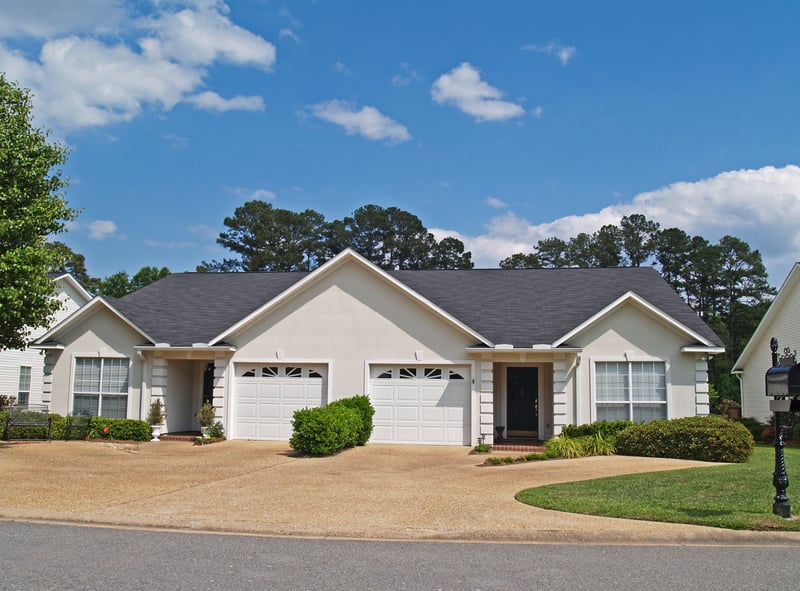
Second-home mortgage rates can be higher than rates for a comparable primary residence.
The difference is not a universal rate surcharge. Instead, conventional second-home mortgages can receive additional pricing adjustments that affect what it costs a lender to make the loan. A lender may reflect that pricing through the interest rate, upfront costs or a combination of both.
Second Home Mortgage Rate Basics
| Factor |
What It Means |
| Second-home occupancy |
Can carry additional conventional loan pricing compared with a primary residence. |
| Interest-rate difference |
There is no fixed second-home rate premium that applies to every borrower or lender. |
| Standard Fannie Mae purchase LTV |
Up to 90% for an eligible one-unit second home, equivalent to at least 10% down. |
| Higher down payment |
Can reduce the additional second-home pricing adjustment and lower the amount borrowed. |
| Other pricing factors |
Credit score, LTV, loan type, points, lender pricing and market conditions can all affect the final rate. |
Why Can Second Home Mortgage Rates Be Higher?
Mortgage pricing considers more than the borrower and loan amount. How you intend to occupy the property can also affect the price of a conventional mortgage.
For loans sold to Fannie Mae, second homes receive an additional loan-level price adjustment, or LLPA. Fannie Mae's current LLPA matrix applies an additional adjustment to second-home mortgages based on the loan-to-value ratio.
For a purchase loan, the current second-home adjustments are:
| Loan-to-Value Ratio |
Fannie Mae Second-Home LLPA |
| 60% or less |
1.125% |
| 60.01% to 70% |
1.625% |
| 70.01% to 75% |
2.125% |
| 75.01% to 80% |
3.375% |
| 80.01% to 90% |
4.125% |
These percentages should not be read as additions to your mortgage interest rate. A 4.125% LLPA, for example, does not mean your mortgage rate increases by 4.125 percentage points. LLPAs are pricing adjustments applied when eligible loans are delivered to Fannie Mae, and all applicable LLPAs are cumulative. How that pricing ultimately appears in a borrower's loan offer depends on the lender.
How Much Higher Are Second Home Mortgage Rates?
There is no reliable rule such as “second-home rates are always 0.5 percentage points higher.” The actual difference can change from one borrower, lender and day to another.
Mortgage rates and upfront pricing are connected. A lender could offer a borrower a lower interest rate in exchange for paying more upfront, or a higher rate with lower upfront costs.
The CFPB explains that paying points can reduce your interest rate, while lender credits can reduce upfront closing costs in exchange for a higher rate. The amount by which a point changes your rate is not fixed and depends on the lender and market conditions.
That means comparing a primary-home quote with a second-home quote requires looking at more than the headline rate. The amount of points or lender credits attached to each quote matters too.
Does a Larger Down Payment Lower a Second Home Rate?
A larger down payment can improve the pricing of a second-home mortgage, although it does not guarantee a particular interest rate.
Fannie Mae's second-home LLPA is partly determined by LTV. A borrower financing 90% of the purchase price receives a larger second-home adjustment than a borrower financing 70%, assuming the loan is otherwise subject to the matrix.
There are two effects at work. A larger down payment reduces the mortgage balance, and a lower LTV can reduce certain pricing adjustments.
Fannie Mae's standard eligibility matrix currently permits up to 90% LTV on eligible one-unit second-home purchases, meaning a qualifying borrower can potentially purchase with 10% down. :contentReference[oaicite:0]{index=0}
That does not mean 10% down will always qualify. Underwriting findings, lender requirements, property characteristics and other loan factors can result in different requirements.
What Counts as a Second Home?
Mortgage rules distinguish a second home from both a primary residence and an investment property. The classification depends on how the property will actually be used, not simply whether you already own another house.
Under Fannie Mae's second-home requirements, an eligible property must be occupied by the borrower for some portion of the year, be a one-unit dwelling, be suitable for year-round occupancy and remain under the borrower's exclusive control. It cannot be a timeshare or subject to an agreement that gives a management company control over occupancy.
The rules can still allow some rental activity. Fannie Mae states that a property can remain eligible as a second home when rental income is identified as long as that income is not used to qualify for the mortgage and the property continues to satisfy the other second-home requirements. :contentReference[oaicite:1]{index=1}
If the property's actual use makes it an investment property instead, different occupancy and underwriting requirements apply. The distinction is one reason mortgage occupancy requirements matter when financing a property you do not intend to use as your primary residence.
What Else Affects Your Second Home Mortgage Rate?
Occupancy is only one component of mortgage pricing. Two borrowers purchasing similar second homes can receive different offers.
Credit Profile
Credit can affect conventional mortgage pricing independently of the second-home adjustment. Fannie Mae's LLPA matrix includes pricing based on combinations of representative credit score and LTV, in addition to the separate adjustment for second-home occupancy.
Because applicable adjustments can be cumulative, improving one part of the loan profile does not necessarily remove adjustments associated with another.
Loan-to-Value Ratio
LTV compares the mortgage amount with the property's value. A smaller down payment produces a higher LTV, while a larger down payment produces a lower LTV.
For second homes, LTV can affect both general conventional loan pricing and the additional second-home adjustment.
Loan Type and Term
Fixed-rate and adjustable-rate mortgages can be priced differently. Loan terms can also affect the rate available to you.
When comparing offers, use loans with similar terms rather than comparing a 15-year primary-residence mortgage against a 30-year second-home mortgage and attributing the entire difference to occupancy.
Points and Lender Credits
A quoted rate may include discount points or lender credits. One lender's lower rate can therefore come with higher upfront costs.
The CFPB recommends comparing both interest rates and loan costs rather than focusing on one number. Your Loan Estimate shows the interest rate on Page 1 and APR on Page 3, while applicable points appear among the loan costs. :contentReference[oaicite:2]{index=2}
Market Conditions and Lender Pricing
Mortgage rates change with financial-market conditions, and lenders do not all price loans identically. The spread between a primary-home offer and second-home offer can therefore change even when the underlying Fannie Mae pricing rules remain the same.
Do Second Homes Have Stricter Mortgage Requirements?
Second-home financing can involve requirements beyond the interest rate.
Fannie Mae's standard purchase eligibility currently caps a one-unit second home at 90% LTV. For loans underwritten through Desktop Underwriter, Fannie Mae also requires at least two months of financial reserves for a second-home transaction. Borrowers who own multiple financed properties can face additional reserve requirements. :contentReference[oaicite:3]{index=3}
Reserves are assets remaining after closing that can be used to cover mortgage payments and other expenses. They are separate from the down payment and closing costs.
If you already have a mortgage on your primary residence, that obligation can also affect qualification for the second home because the existing housing expense generally remains part of your recurring monthly debt obligations. :contentReference[oaicite:4]{index=4}
Are Second Home Rates the Same as Investment Property Rates?
Not necessarily. Second homes and investment properties are different occupancy classifications even though both are properties other than your primary residence.
Interestingly, Fannie Mae's current LLPA matrix applies the same additional occupancy adjustment to second homes and investment properties across the purchase LTV ranges shown in the matrix. Other eligibility requirements can still differ between the two property types. :contentReference[oaicite:5]{index=5}
For example, Fannie Mae permits a standard second-home purchase up to 90% LTV, while a standard one-unit investment-property purchase is capped at 85% LTV. The two transactions should therefore not be treated as interchangeable simply because one part of their pricing matrix is the same. :contentReference[oaicite:6]{index=6}
How to Compare Second Home Mortgage Offers
When comparing second-home financing, make sure the lenders are quoting the same basic scenario. Differences in down payment, rate-lock period, points or loan type can make two offers look more different than they actually are.
Compare the interest rate, APR, points, lender credits, total loan costs and estimated cash needed at closing. APR can be useful because it incorporates the interest rate along with certain points, broker fees and other charges, although it should not be the only factor you consider.
The CFPB recommends comparing the terms and costs of multiple mortgage offers on an apples-to-apples basis rather than looking only at the advertised rate.
The Bottom Line
Second-home mortgage rates can be higher than rates for comparable primary-residence mortgages, but there is no fixed second-home rate surcharge. Conventional second-home loans can carry additional pricing adjustments, and lenders can reflect those costs through the interest rate, upfront pricing or both.
Your down payment matters because Fannie Mae's current second-home adjustment becomes larger at higher LTVs. Credit, loan structure, points, lender pricing and market conditions also influence the rate you ultimately receive.
The most useful comparison is therefore not simply “primary-home rate versus second-home rate.” Compare offers using the same property occupancy, loan amount, down payment, term and point structure so you can see what the second-home financing actually costs.
FAQ
Are Second Home Mortgage Rates Higher Than Primary Home Rates?
They can be. Conventional second-home mortgages can carry additional pricing adjustments that do not apply to otherwise comparable primary-residence loans. The exact difference in interest rate depends on the lender, loan structure, borrower profile and market conditions.
How Much Higher Is a Second Home Mortgage Rate?
There is no standard percentage-point difference. A second-home loan's additional pricing can be reflected through a higher interest rate, more upfront costs or some combination of the two. Comparing loans with the same points and terms provides a more meaningful comparison.
How Much Do You Need to Put Down on a Second Home?
Under Fannie Mae's current standard eligibility requirements, qualifying one-unit second-home purchases can have an LTV as high as 90%, which corresponds to 10% down. Individual borrowers and loans may be subject to additional requirements.
Can You Get a Primary-Residence Mortgage Rate on a Second Home?
A property that qualifies as a second home should be disclosed and underwritten using the appropriate occupancy classification. You should not represent a second home as your primary residence to obtain primary-residence loan terms. The lender will determine the pricing available for the actual transaction.
Can You Rent Out a Second Home?
Some rental activity does not automatically prevent a property from qualifying as a second home under Fannie Mae rules. The borrower must still occupy the home for part of the year and meet the other second-home requirements, and rental income from the property cannot be used to qualify for the mortgage under Fannie Mae's second-home rule. A property primarily intended or structured as a rental may need to be financed as an investment property.




.jpg?quality=80&width=150)




















.jpg?quality=80&width=800)












































































































.jpg?quality=80&width=800)