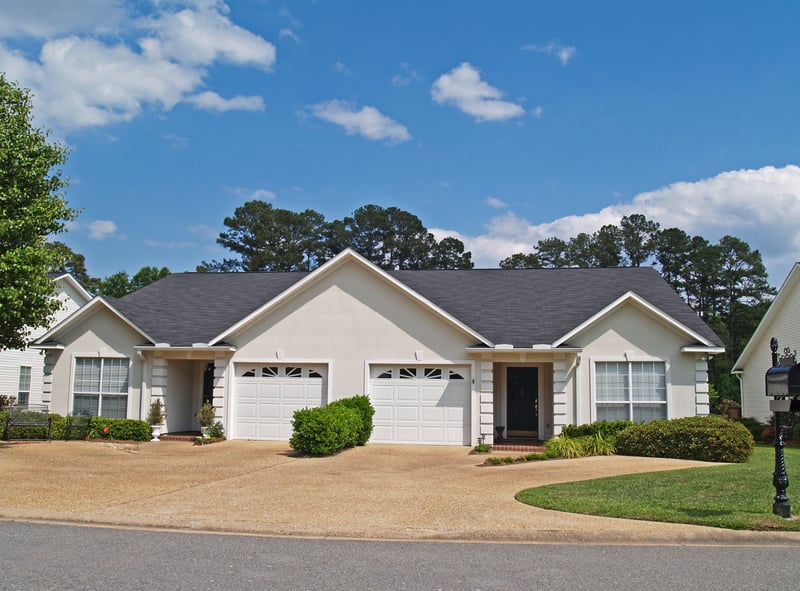
Yes, you can potentially rent out a second home when you are not using it.
Fannie Mae does not automatically classify a home as an investment property simply because it generates some rental income. But you still need to personally occupy the property for part of the year, maintain control over it and meet the other second-home requirements.
Renting Out a Second Home Basics
| Question |
What It Means for You |
| Can you rent a second home? |
Potentially. Rental activity does not automatically disqualify the property as a second home. |
| Do you need to stay there yourself? |
Yes. Fannie Mae requires you to occupy the home for some portion of the year. |
| Is there a maximum number of rental days? |
Fannie Mae does not set a specific annual rental-day limit in its standard second-home occupancy rule. |
| Can you use the rent to qualify? |
Generally no. Rental income from the second home cannot normally be used as qualifying income. |
| Can a property manager control bookings? |
A second home cannot be subject to an agreement that gives a management firm control over occupancy. |
These are mortgage-financing rules. Tax treatment, homeowners insurance, local short-term rental laws and homeowners association restrictions can impose separate requirements.
What Does Fannie Mae Require for a Second Home?
Whether the property can still be financed as a second home depends primarily on how you use it, not simply on whether someone pays to stay there.
Under Fannie Mae's second-home rules, the property generally must:
- Be occupied by you for some portion of the year
- Have only one dwelling unit
- Be suitable for year-round occupancy
- Remain under your exclusive control
- Not be a timeshare
- Not be subject to an agreement that gives a management company control over occupancy
Those requirements mean you can potentially earn rental income from a vacation home without automatically changing its mortgage classification. You still need to genuinely use the property as your own second home.
Rental use is only one part of the equation. You also need to satisfy the broader requirements for a second-home mortgage, including the applicable down payment, income, credit and reserve rules.
Is There a Limit on How Many Days You Can Rent a Second Home?
Fannie Mae does not establish a specific maximum number of days that you can rent a second home each year.
It also does not set a rule saying you must personally stay in the home for 14 days, 30 days or another fixed period. The mortgage requirement is that you occupy the property for some portion of the year and continue to satisfy the other second-home conditions.
This is where mortgage and tax rules are often confused.
The IRS uses specific personal-use tests when determining the federal tax treatment of a vacation home that is also rented. The IRS explains that a dwelling is generally treated as a residence for this purpose when personal use exceeds the greater of 14 days or 10% of the days it is rented at a fair rental price.
That is a federal tax rule. It is not Fannie Mae's second-home mortgage occupancy standard.
You could therefore satisfy one set of rules without necessarily satisfying another. Mortgage classification, federal income taxes, insurance and local rental regulations should each be evaluated under their own requirements.
Can You Use a Second Home as a Short-Term Rental?
You can potentially use a second home as a short-term rental, but you'll still need to Using Airbnb, Vrbo or another short-term rental platform does not automatically turn a property into an investment property for mortgage purposes.
The same second-home requirements continue to apply. You need to use the property yourself for part of the year and retain control over when and how it is occupied.
A property that you use as a vacation home and occasionally offer to short-term guests can therefore look different from a property purchased primarily to operate as a full-time short-term rental.
The distinction becomes more important when a rental company or management agreement controls when you can use the property. Fannie Mae specifically says a second home cannot be subject to an agreement giving a management firm control over occupancy.
If short-term rental use will be a significant part of your plan, whether a short-term rental can qualify as a second home depends on the actual occupancy and control arrangements rather than simply the platform you use to advertise it.
When Does a Second Home Become an Investment Property?
The line between a second home and an investment property is mainly about your actual intended use.
A second home is one you personally occupy for part of the year. An investment property is generally real estate that you own but do not occupy.
If you buy a property primarily to rent to other people and do not genuinely intend to use it as your own second home, investment-property financing may be the appropriate classification.
The difference matters because the financing rules can change. Under Fannie Mae's current standard purchase limits, you may be able to buy an eligible one-unit second home with 10% down. A one-unit investment property generally requires at least 15% down, while two- to four-unit investment properties generally require at least 25% down.
Reserve requirements also differ. Fannie Mae generally requires two months of reserves for a second-home transaction run through Desktop Underwriter, compared with six months for an investment property.
The broader second-home versus investment-property comparison also includes differences in rental-income treatment and property eligibility.
Can You Use Second Home Rental Income to Qualify?
Generally, no. Even if you expect to rent the home for part of the year, that income usually cannot be added to your qualifying income when the property is financed as a second home.
Fannie Mae's rental-income rules generally prohibit using rental income from a second home to qualify for the mortgage.
For example, suppose you plan to personally use a beach house for part of the summer and rent it to vacationers during other weeks. The rental activity may be compatible with second-home financing if the other requirements are met, but the lender generally cannot count your expected vacation-rental income to help you afford the mortgage.
If you need rent from the property in order to qualify, that can point toward a different underwriting structure. The rules around rental income on a second-home mortgage are therefore particularly important when expected rent is part of your purchase budget.
Can Rental Income From Other Properties Still Count?
The restriction on second-home rental income does not mean all rental income you receive is ignored.
If you own another qualifying rental property, income from that property may be considered under Fannie Mae's normal rental-income guidelines when you provide the required documentation and meet the applicable requirements.
The key distinction is the source of the income. Rent generated by the second home you are currently financing generally cannot be used to qualify for that second-home mortgage. Eligible income from a separate investment property can be treated differently.
Can a Property Manager Handle Your Second Home?
Using someone to perform maintenance, cleaning or other services is not necessarily the same as giving a management company control over the property.
The mortgage issue is control over occupancy.
Fannie Mae requires you to maintain exclusive control over a second home and specifically prohibits arrangements that give a management firm control over occupancy.
That can become relevant with resort properties, condo-hotel arrangements or rental programs that restrict when an owner can use the property or automatically place it into a rental pool.
A timeshare also does not qualify as a Fannie Mae second home.
What if You Decide to Rent the Home After Closing?
Your circumstances can change after you buy a home. A property that you genuinely purchased and occupied as a second home may later be used differently.
That is different from misrepresenting your intentions when applying for the original mortgage.
Your occupancy information needs to be accurate when you obtain the loan. You should not apply for second-home financing while actually intending from the beginning to operate the property solely as a rental in order to obtain different financing terms.
If your plans later change, review your mortgage documents along with any tax, insurance, homeowners association and local rental requirements that apply before converting the property to broader rental use.
Does Renting a Second Home Affect Your Mortgage Rate?
Your mortgage pricing is based partly on how the property is classified when you obtain the loan.
Second homes can carry additional conventional pricing adjustments compared with primary residences. Investment properties have their own pricing and eligibility requirements.
There is no fixed interest-rate difference that applies to every second home or rental property. Your credit, down payment, loan structure, points and lender pricing also affect the rate you receive.
That makes the property's correct occupancy classification one part of understanding how second-home mortgage rates are priced.
What Else Should You Check Before Renting Out a Second Home?
Mortgage eligibility is not the only set of rules that matters once you start renting a property.
Homeowners Insurance
Your existing homeowners policy may not provide the same coverage when a property is rented to guests. Short-term and long-term rental arrangements can create different insurance needs.
Local Rental Rules
Cities, counties and other local governments can regulate short-term rentals through licensing, registration, zoning, occupancy or tax requirements. These rules vary by location.
HOA or Condo Rules
A homeowners association or condominium association may limit or prohibit rentals even when the mortgage itself would otherwise permit the activity.
Taxes
Rental income can create federal and state tax consequences. The IRS also uses personal-use and rental-use rules that are separate from mortgage occupancy requirements.
For federal tax purposes, IRS Publication 527 explains how personal and rental use of vacation property can affect the reporting of rental income and expenses.
The Bottom Line
You can potentially rent out a second home without automatically turning it into an investment property. Fannie Mae allows a property with identified rental income to remain eligible as a second home when the income is not used to qualify and the other second-home requirements are met.
You still need to use the home yourself for some portion of the year and keep control over the property. There is no fixed Fannie Mae maximum number of rental days, and the IRS rules you may see about 14 days or 10% of rental days are tax rules rather than mortgage occupancy requirements.
If the home is primarily being purchased to generate rental income rather than for your own use, investment-property financing may be more appropriate. The classification should reflect how you genuinely intend to use the home.
FAQ
Can You Rent Out a Second Home?
Yes, potentially. Fannie Mae allows a property with rental income to remain eligible as a second home if you continue to meet the second-home requirements and the rental income is not used to qualify for the mortgage.
How Many Days Can You Rent Out a Second Home?
Fannie Mae does not set a specific maximum number of rental days under its standard second-home occupancy rule. You must still occupy the home for some portion of the year and meet the other second-home requirements. Separate IRS, insurance, HOA and local rental rules may apply.
Can You Airbnb Your Second Home?
Potentially. Short-term rental activity does not automatically make the property an investment property. You still need to personally use the home for part of the year, maintain control over occupancy and meet the other second-home requirements.
Can You Use Rental Income From a Second Home to Qualify for the Mortgage?
Generally, no. Fannie Mae generally does not allow rental income from a second home to be used as qualifying income, even when some rental activity is permitted.
Is a Second Home the Same as an Investment Property if You Rent It Out?
Not necessarily. Some rental activity can be compatible with second-home financing. A second home is still a property you personally occupy for part of the year, while an investment property is generally owned without being occupied by you. How you genuinely intend to use the property determines which classification fits.




%20(1).jpg?quality=80&width=150)





























.jpg?quality=80&width=800)






































































































































































































.jpg?quality=80&width=800)






















.jpg?quality=80&width=800)