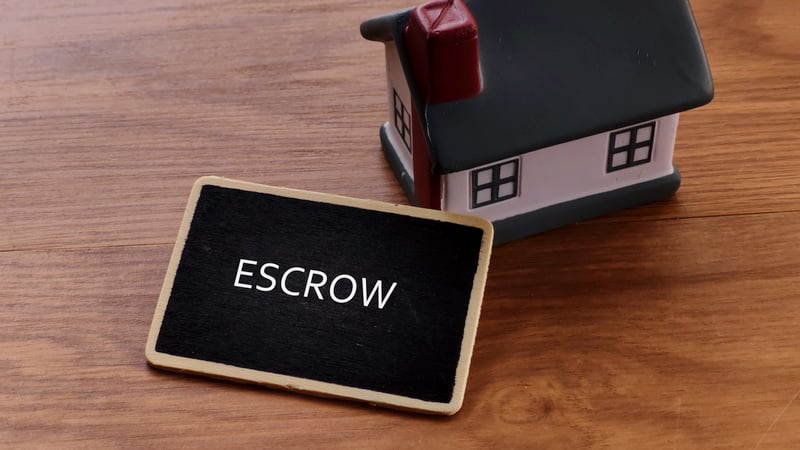
When you buy a home, you'll hear "escrow" twice. Your agent says your offer is in escrow. Later, your lender says part of your payment goes into a mortgage escrow account.
So what is escrow? It's an arrangement in which a third party holds money or other assets until specific conditions are met. During a purchase, escrow manages the exchange of money and property. After closing, a mortgage escrow account pays property taxes, homeowners insurance and other home expenses.
Escrow Basics
| Feature |
Purchase Escrow |
Mortgage Escrow Account |
| Purpose |
Helps manage funds and documents during a real estate transaction |
Holds deposits for property taxes, insurance and other eligible charges |
| When It Is Used |
Between contract acceptance and closing, subject to transaction procedures |
During mortgage repayment when escrow is required or established |
| Who Administers It |
An escrow or settlement agent, title company or authorized professional |
The mortgage servicer |
| Typical Money Held |
Earnest money and other transaction funds |
Monthly deposits toward future tax and insurance bills |
| When Funds Are Used |
When the contract and closing requirements authorize disbursement |
When covered property expenses are due |
What Does Escrow Mean in Real Estate?
What does escrow mean in practice? A neutral third party holds funds or documents, and neither side gets them until the agreed conditions are met.
For example, a buyer's earnest money doesn't go straight to the seller. It sits in an escrow account under the purchase contract until closing.
What Does It Mean When a House Is in Escrow?
A house in escrow has a signed purchase contract, and both sides are working toward closing. That means financing, title, appraisal, inspections and contingencies.
The escrow or settlement agent coordinates the funds and documents.
"In escrow" doesn't mean the buyer owns the house yet. Ownership transfers at closing, when the deed is delivered.
How Does Earnest Money Work With Escrow?
Earnest money is a deposit that shows the buyer is committed. An escrow holder keeps it until closing, when it's credited toward the down payment and closing costs.
Our explanation of how earnest money counts toward a down payment covers how that credit works.
If the deal falls through, the contract, its contingencies and state law decide who keeps the deposit. See when earnest money is refundable for the common scenarios.
What Is a Mortgage Escrow Account?
A mortgage escrow account is an account your servicer uses to collect and pay certain property expenses.
Each month, the servicer adds an escrow deposit to your principal and interest payment. The balance pays property taxes and homeowners insurance when they come due.
Say you owe $4,800 a year in property taxes and $1,800 a year for homeowners insurance. That's $6,600 per year.
Divided by 12, your base monthly escrow contribution is $550, before any cushion or shortage repayment.
| Mortgage Payment Component |
Monthly Amount |
| Principal and Interest |
$1,900 |
| Property Taxes ($4,800 Annually) |
$400 |
| Homeowners Insurance ($1,800 Annually) |
$150 |
| Illustrative Total Payment |
$2,450 |
The $1,900 goes toward your loan. The $550 escrow deposit is set aside for property bills.
Your actual deposit will differ if bills come due at uneven times, the servicer holds a reserve or you're repaying a shortage.
What Expenses Does Mortgage Escrow Cover?
A mortgage escrow account pays property taxes and homeowners insurance premiums. On some loans, it also pays required flood insurance or mortgage insurance.
It doesn't pay utilities, internet or maintenance. You usually pay homeowners association dues yourself.
Who Manages Your Mortgage Escrow Account?
Your mortgage servicer manages the escrow account. That may be your original lender or another company that collects your payments.
Our guide to mortgagee vs. mortgagor roles explains who is who on the loan.
The servicer collects deposits, pays bills and checks that deposits will cover expected costs.
Federal servicing rules govern its escrow analyses, statements and disbursements.
Is Escrow Required on a Mortgage?
It depends on the loan program and the lender. FHA-insured mortgages require escrow for property taxes and certain insurance charges.
Some conventional borrowers qualify to waive or cancel escrow, while other loans make it mandatory. The escrow requirements by mortgage type explain how conventional, FHA, VA and USDA loans differ.
Without escrow, you pay taxes and insurance directly when they're due.
Can You Choose Not to Have an Escrow Account?
Sometimes. Some conventional mortgages allow an escrow waiver based on your loan-to-value ratio, payment history, state law and loan terms. Some lenders charge an escrow-waiver fee or adjust your rate.
Skipping escrow doesn't lower your tax or insurance bills. It only changes how you pay them.
How Are Monthly Escrow Payments Calculated?
Servicers estimate the taxes, insurance and other charges due over a 12-month escrow accounting period.
Your deposits are based on those bills, their due dates and the projected balance.
Federal Regulation X caps the escrow cushion on covered loans at one-sixth of estimated annual escrow disbursements.
State law or your loan documents can set a smaller cushion.
The cushion isn't a fee. It stays in your account to absorb cost increases and timing gaps.
Each year, the servicer runs an escrow account analysis to check for a shortage, deficiency or surplus.
Why Can Your Escrow Payment Change?
Property taxes and insurance premiums rise and fall even on a fixed-rate mortgage. If your annual property taxes go from $4,800 to $5,400, your monthly tax deposit rises by $50 before other adjustments. Insurance changes work the same way, and an earlier shortage adds a repayment.
Principal and interest stay the same on a fixed-rate loan, but your total payment still moves with escrow costs.
What Happens to Escrow at Closing?
At closing, the settlement agent distributes funds and documents under the purchase agreement and loan instructions. Your lender also collects an initial deposit to open your mortgage escrow account.
That deposit appears in the initial escrow payment section of your Closing Disclosure. Prepaid items, such as the first year's homeowners insurance premium, are listed separately.
Paying this year's premium and saving for next year's are different charges, even for the same policy. Your lender will want proof of coverage, often an insurance binder before closing.
What Happens to Escrow When You Sell or Refinance?
When you pay off a mortgage through a sale or refinance, the servicer returns the remaining escrow balance.
For covered loans, federal rules require that refund within 20 business days of payoff, with limited exceptions.
A refinance loan usually opens its own escrow account. You may have to fund it before the old refund arrives.
What Happens If There's an Escrow Shortage?
An escrow shortage occurs when your account's projected lowest balance falls below the amount the servicer's analysis requires. Higher-than-expected taxes or insurance are the usual cause.
Say the projected shortage is $600 and your servicer allows repayment over 12 months. The shortage would add $50 to your monthly payment, on top of any increase in ongoing tax or insurance deposits.
Federal rules control how servicers collect shortages and refund surpluses.
Our guide to escrow shortages and escrow analysis walks through the math and your options.
The Bottom Line
Escrow means a third party holds money or assets for a defined purpose. During a purchase, it protects deposits and closing funds. After closing, a mortgage escrow account spreads taxes and insurance into your monthly payment. It doesn't reduce those costs, and your deposit changes as they do.
Frequently Asked Questions
What Does Escrow Mean?
A third party holds money or documents until set conditions are met. In real estate, it means purchase funds held until closing or a mortgage account that pays taxes and insurance.
What Does It Mean When a House Is in Escrow?
The buyer and seller have a signed purchase agreement and are working toward closing while an escrow agent holds the funds.
What Is a Mortgage Escrow Account?
It's an account your servicer uses to collect and pay property taxes, homeowners insurance and certain other charges.
Is Escrow Part of the Mortgage Payment?
Yes, if your loan has one. Escrow deposits are collected with principal and interest but pay property bills, not your balance.
Does Escrow Include Homeowners Insurance?
Yes, in most mortgage escrow accounts. They collect deposits for both property taxes and homeowners insurance premiums.
Is Escrow Required on Every Mortgage?
No. FHA loans require escrow, while some conventional borrowers qualify for an escrow waiver.
Can My Escrow Payment Go Up?
Yes. Higher property taxes, higher insurance premiums or repaying an escrow shortage all raise your monthly escrow amount.
Do I Get My Escrow Money Back When I Pay Off My Mortgage?
Yes. Your servicer refunds the remaining escrow balance after payoff, minus any permitted adjustments.
Does Escrow Pay for Repairs or Utilities?
No. Mortgage escrow pays taxes, property insurance and other designated charges, not repairs, utilities or internet bills.
Is Escrow the Same as Earnest Money?
No. Earnest money is a buyer's deposit held in purchase escrow. A mortgage escrow account collects money for property expenses after the loan closes.