Affordable housing was a core part of many Democrats' 2026 campaigns. But now that they have firm control of Congress, exactly how that promise will translate into policy remains to be seen.
Exactly what newly elected senators promised on the campaign trail varies significantly. Some of their proposals align with President Donald Trump's own housing agenda. Others go much farther.
Of course, control over both chambers of Congress doesn't automatically mean housing reform will get across the finish line. The Senate filibuster and Trump's power mean Democrats will likely need to compromise if they want to lower housing costs.
We analyzed several senatorial candidates' policy platforms to preview what housing legislation might look like in the new congress.
Restricting Wall Street Investors From Buying Homes
Restricting large investors' purchases of residential properties is a priority for all four senators whose platforms we analyzed:
Limiting corporate ownership of single-family homes has bipartisan support. The recently passed 21st Century ROAD to Housing Act restricts additional single-family home purchases by certain institutional investors controlling at least 350 homes. That prohibition is set to take effect January 7, 2027.
Whether that move will actually make an impact on housing affordability is an open question, since those investors own a relatively small share of all homes and that share varies signficantly market-to-market.
The question for the new Congress is whether lawmakers will expand those restrictions. Brown's earlier 50-home threshold and El-Sayed's broader proposed ban would represent different approaches to going further.
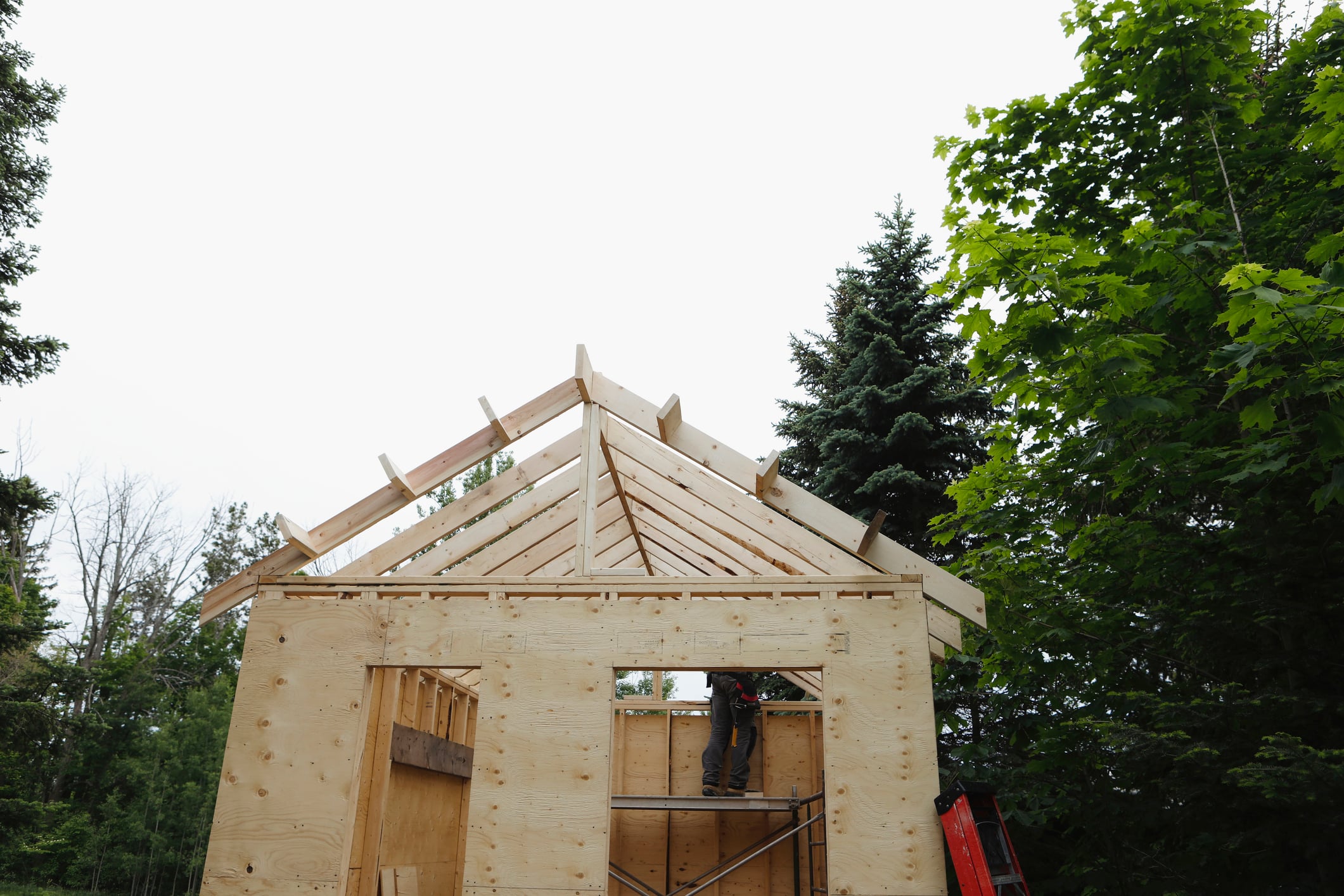
Building More Homes and Removing Construction Barriers
Housing supply is another area that features in all four senators' platforms, but they differ on how they want to do it.
El-Sayed has called for a national housing construction boom, supported by substantial federal investment and streamlined local regulations.
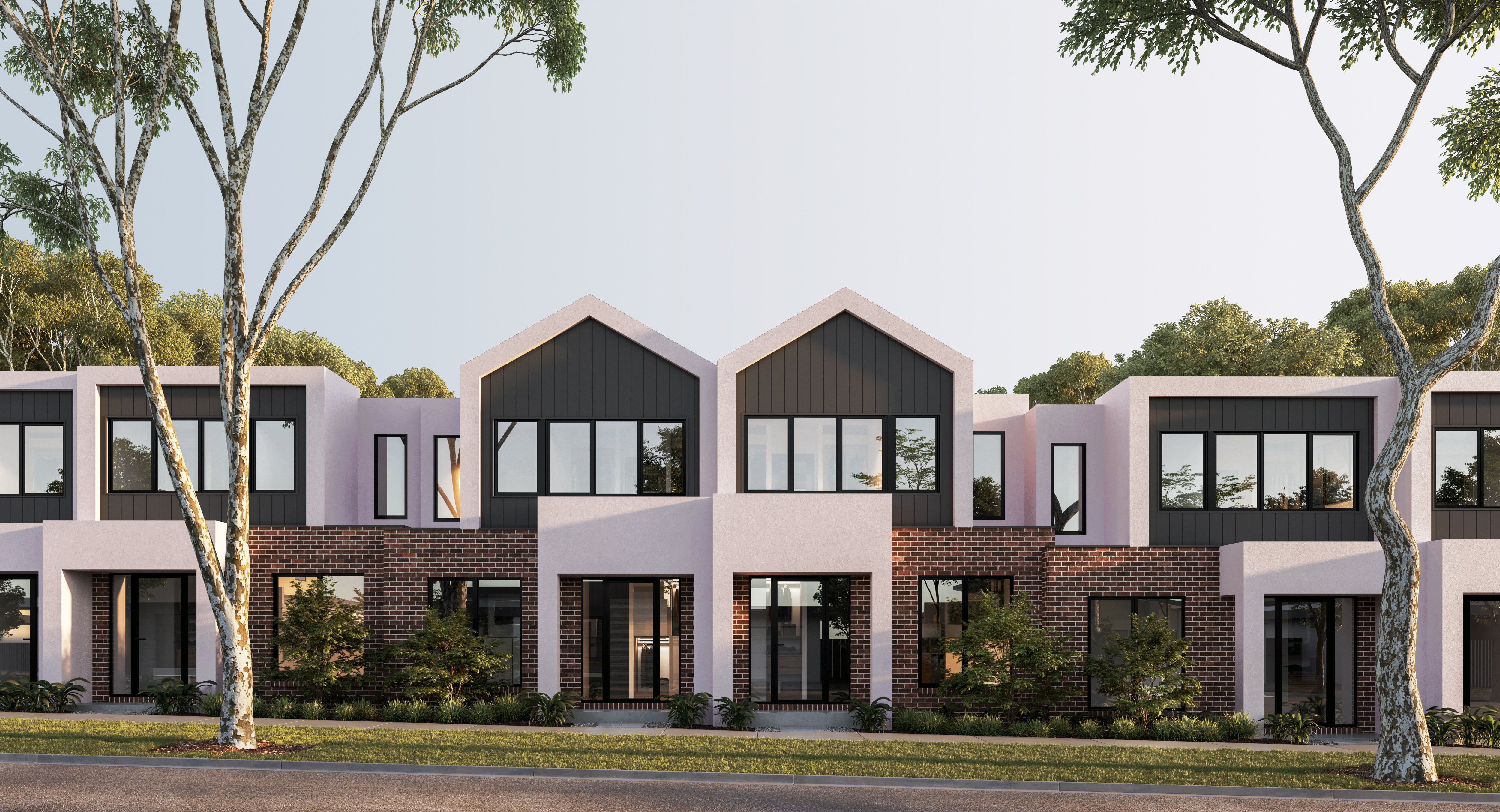
His THRIVE housing agenda proposes linking federal incentives to local zoning reforms, including allowing more multifamily housing, reducing parking requirements and shortening permitting timelines.
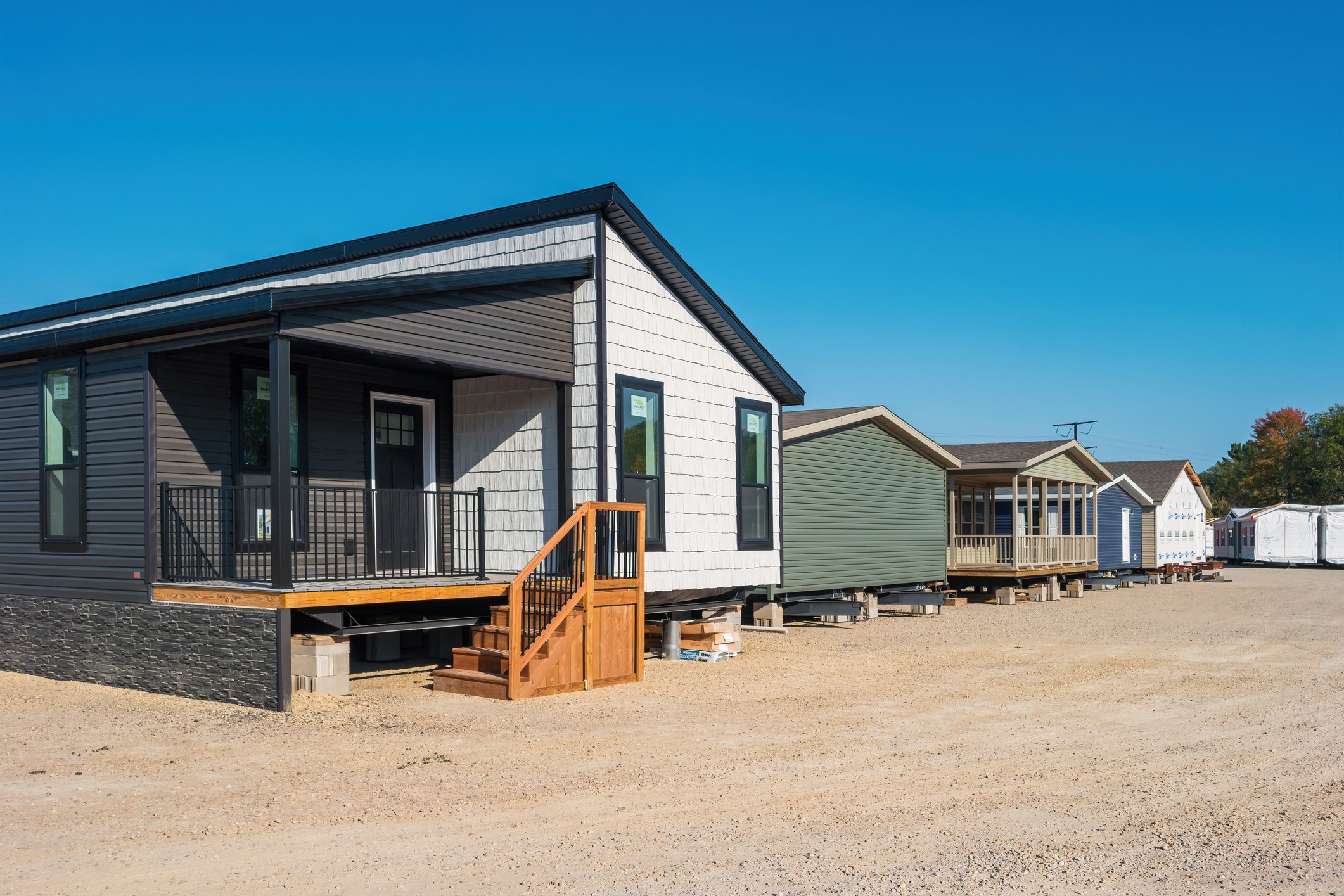
Talarico also wants to cut back on red tape by removing outdated construction regulations. He's also called for more modular homes. That's familiar territory for Talarico, who previously supported Texas legislation that allowed small-footprint apartment buildings to increase housing options.
Andrews also supports removing barriers to new construction. During an October campaign visit to Greenville, she toured an affordable housing development and discussed regulations that can make new housing harder to build.
The ROAD Act contains measures intended to encourage housing development, a more recent executive order from set up a task force to expand manufactured and other factory-built housing.
Expanding Down-Payment Assistance and Affordable Housing Programs
Several incoming senators also want to make homeownership more accessible through direct assistance and federal financing programs.
Talarico's New American Dream economic agenda includes down-payment assistance for first-time homebuyers.
Andrews has proposed tax credits for first-time buyers, while El-Sayed's THRIVE agenda calls for expanded assistance to first-generation buyers in underserved communities.
El-Sayed also wants to improve access to mortgages FHA and USDA-backed mortgages in majority-Black and majority-Latino neighborhoods.
Both El-Sayed and Talarico support expanding the Low-Income Housing Tax Credit. That program provides tax incentives to encourage investment in affordable rental housing.
Restricting Rent Increases and Strengthening Renter Protections
El-Sayed and Talarico also emphasize rental affordability.
El-Sayed has proposed a federal renters' bill of rights, protections against unfair evictions and a ban on algorithmic rent-pricing software.
Talarico has similarly called for restrictions on corporate landlords engaging in market manipulation to increase rents.
El-Sayed also wants fees on short-term rental platforms such as Airbnb and Vrbo, arguing that short-term rentals reduce the supply of housing available to local residents.
Addressing Rising Homeowners Insurance Costs
Homeowners insurance received less attention than construction and corporate ownership, but two of the four candidates made it part of their affordability agendas.
Andrews focused on rising premiums in coastal South Carolina. During an October insurance roundtable in Beaufort, her campaign cited projections of premiums increasing more than 200% over a decade in Beaufort and Jasper counties.
That figure is a campaign-cited projection rather than an established statewide forecast.
Talarico has also supported federal legislation to reduce insurance costs, although he has not outlined a detailed proposal.
Federal action could address certain insurance-market problems, but premiums also reflect local disaster exposure, rebuilding costs and insurer financial conditions. There is no guarantee that congressional legislation would produce immediate savings.
What Housing Legislation Could Actually Pass Congress?
Democrats have clear control over the House and Senate, but barries abound for getting housing policy across the finish line.
Senate legislation still requires 60 votes to overcome a filibuster., and Trump can still veto legislation passed by Congress. Overriding a veto requires a two-thirds majority in both chambers, far more than even Democrats' new strong majority can overcome.
But there's appetite for bipartisan reform. The ROAD Act passed the Senate 85-5 and the House 358-32 before becoming law in July without Trump's signature.
Many of the new senators' housing reforms align with Republican priorities, including construction incentives, manufactured housing, and additional investor restrictions.
Other proposals, like broad renter protections, new federal fees and tax overhauls could face stronger pushback.
And even if legislation becomes law, it might take years to affect the cost of living. New construction takes time, and fnancial assistance programs need funding and implementation.
Frequently Asked Questions
Will the 2026 Midterms Lower Home Prices?
Not immediately. Policies that increase construction or change investor activity could influence home prices over time, but the results would vary by market.
Will Congress Approve New Down-Payment Assistance?
Several incoming senators support additional assistance for first-time buyers. New programs would require legislation, funding and implementation before becoming available.
Can Democrats Pass Housing Legislation Without Trump?
Congress can pass legislation over a presidential veto only with two-thirds support in both chambers. With Democrats below that threshold, significant housing legislation will generally require bipartisan agreement and presidential approval.